Aircall
Languages:
Deutsch
English
Español
Français
Localization:
World

What is Aircall cloud phone system for teams?
Aircall is a cloud-based business phone and contact center platform built for modern sales and support teams. Instead of on-premise PBX hardware, it runs entirely over VoIP, so agents can make and receive calls from anywhere using desktop or mobile apps. The service focuses on unifying phone calls, messaging, and customer context in one place by tightly integrating with popular CRMs and helpdesks.
Businesses can create or port local, toll-free, and international numbers in minutes, configure call flows from a web dashboard, and monitor performance in real time. Aircall positions itself as more than a phone line: it is a customer communication hub with AI features that automate routine interactions, surface call insights, and help teams deliver faster, more consistent experiences at scale.
What key features does Aircall provide?
-
Cloud phone system and call routing
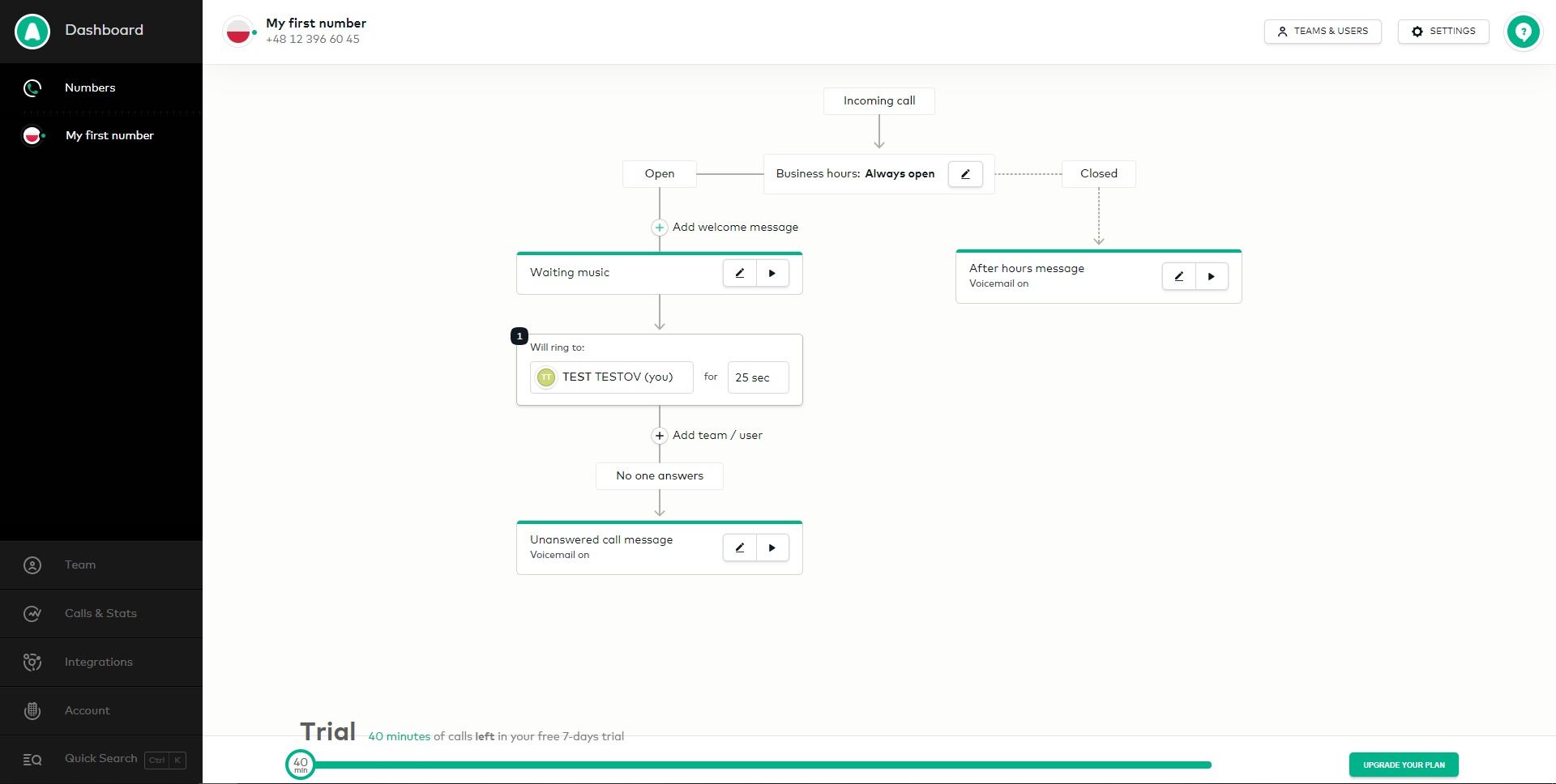
Centralized inbound and outbound calling with ring groups, IVR menus, call queues, warm transfer, call recording, and shared voicemail inboxes so teams can collaborate on missed calls and follow-ups. -
AI Voice Agents and AI Assist
AI Voice Agents autonomously handle and qualify inbound calls 24/7, answering common questions and capturing details before passing callers to humans. AI Assist adds summaries, key topics, and suggested workflows around each conversation. -
Omnichannel messaging
Support for SMS, MMS, and WhatsApp messaging lets teams continue conversations beyond voice while keeping context tied to the same customer record. -
Deep CRM and helpdesk integrations
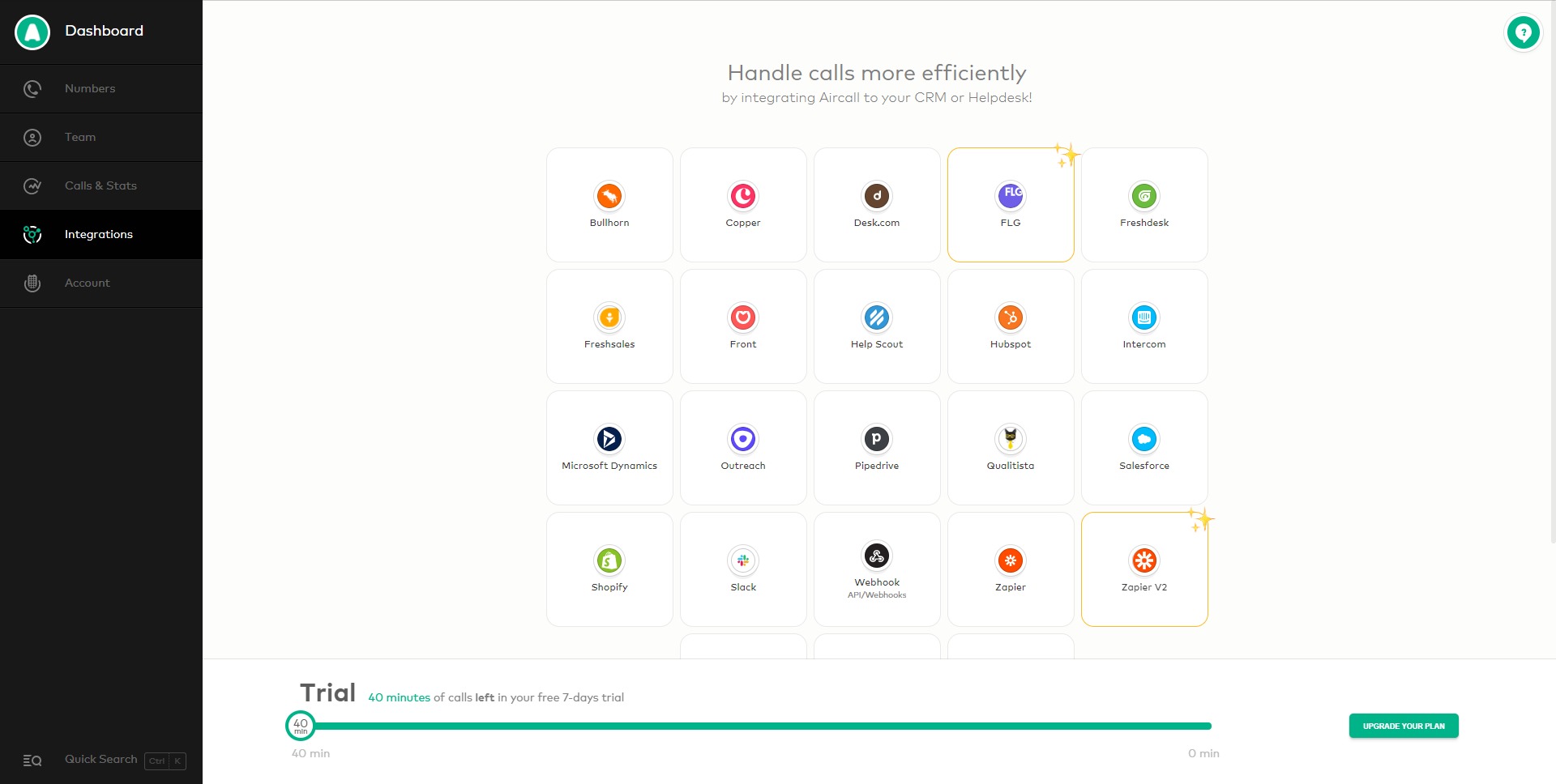
Native integrations with tools like HubSpot, Salesforce, Zendesk and others automatically log calls, sync contacts, and display caller history inside the agent’s main workspace. -
Real-time analytics and reporting
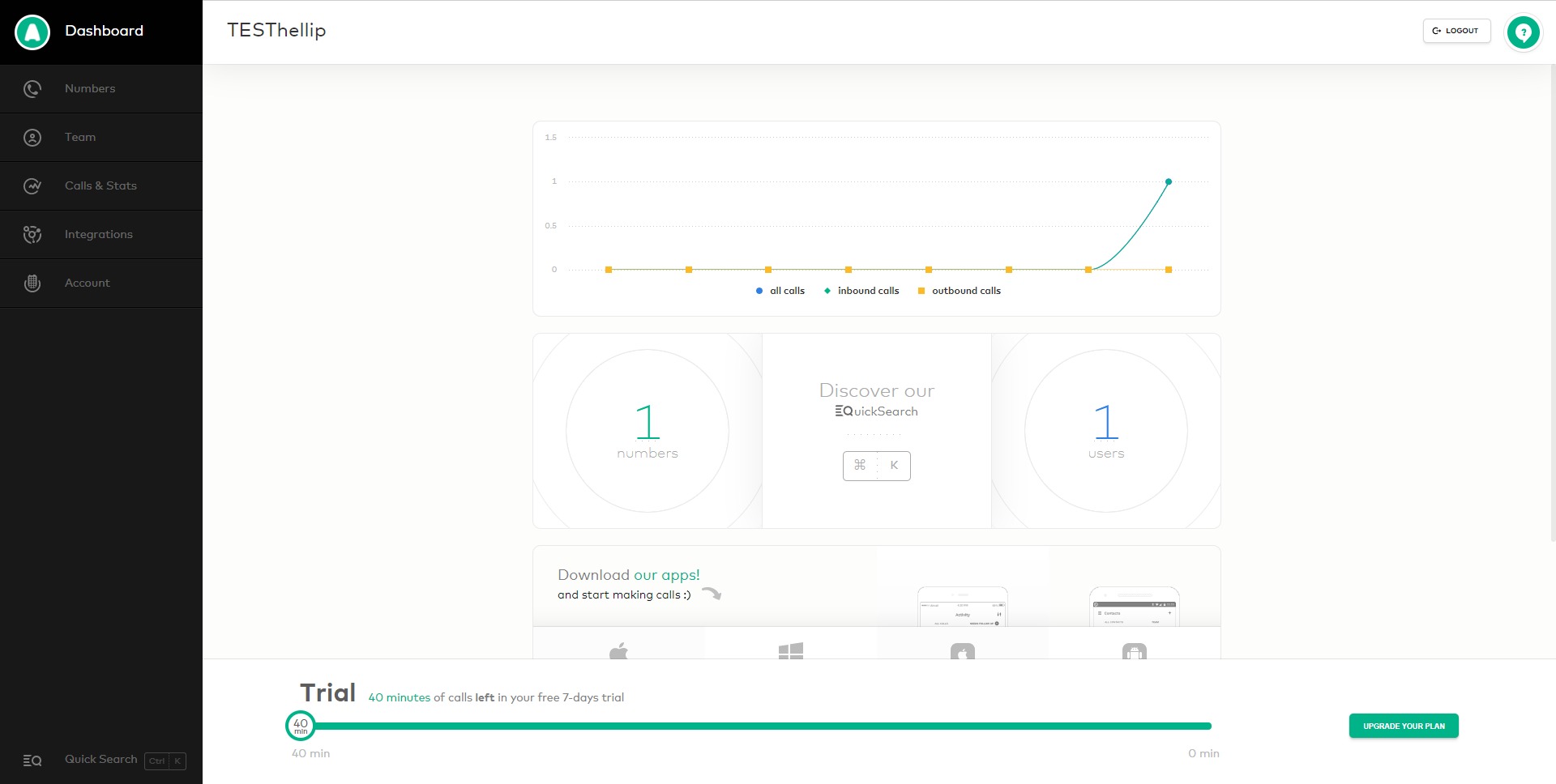
Dashboards and reports track call volume, wait times, missed calls, handling time, and team performance, helping managers spot bottlenecks and coach based on real conversations. -
Flexible administration and scalability
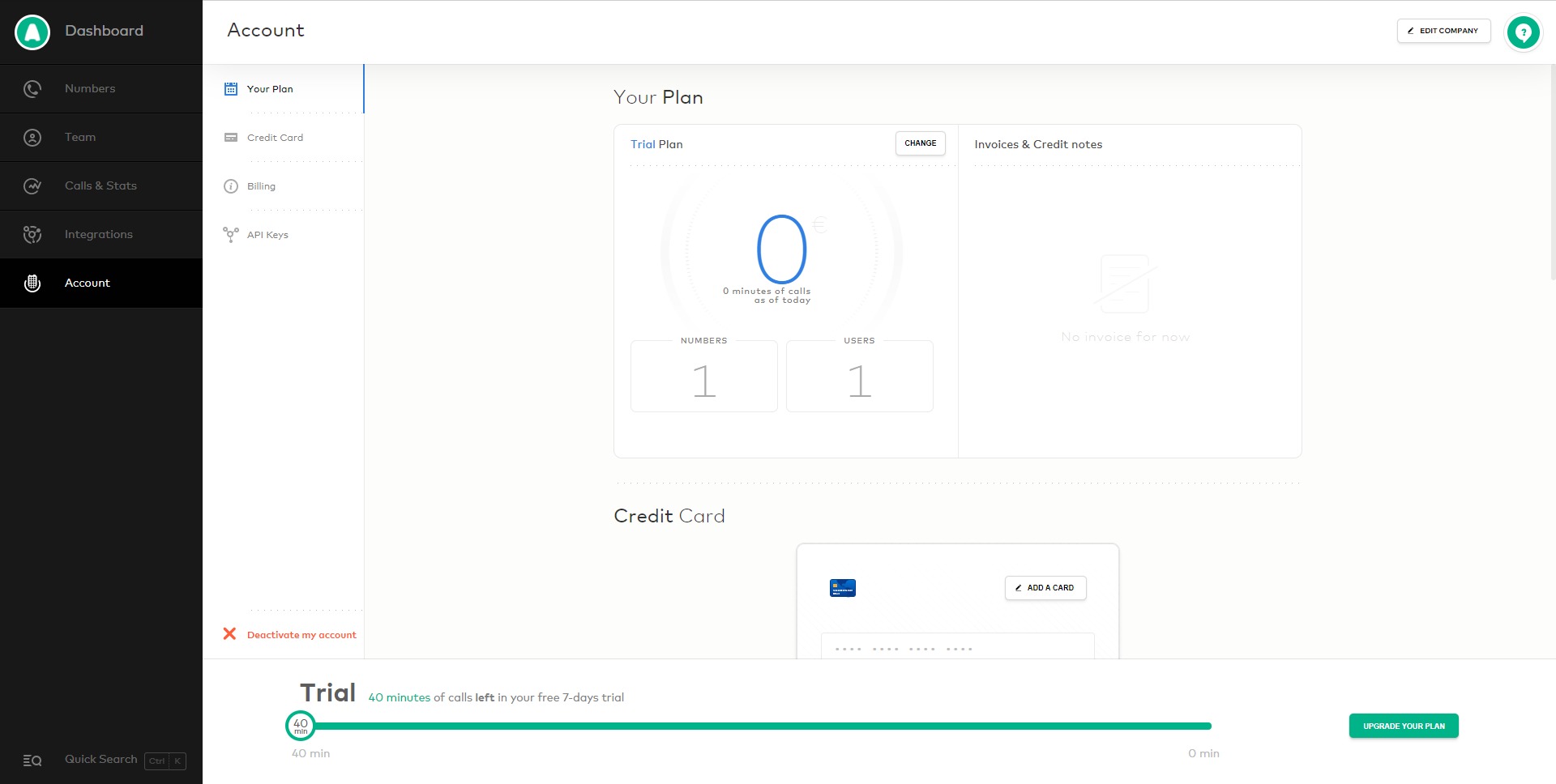
Admins can add numbers, users, and teams, adjust business hours, and update IVR trees without IT support, making it easy to scale the phone system alongside company growth.
What are the main use case highlights for Aircall?
-
High-velocity sales and outbound teams
SDR and inside sales teams use Aircall as their primary dialer, combining click-to-call, call logging, and CRM data to increase connect rates and keep a clean activity history for every lead. -
Customer support and success centers
Support desks route calls through IVR and queues, attach every call to tickets, and leverage AI Voice Agents to deflect simple inquiries so human agents focus on complex cases and relationship building. -
Distributed and hybrid organizations
Remote and hybrid teams run the same phone setup from anywhere, with consistent call flows, numbers, and analytics, removing the need for physical office phones. -
B2B platforms and tech-first companies
Businesses that already rely heavily on SaaS tools use Aircall as the voice layer of their stack, tying calls into workflows across CRM, marketing automation, billing, and internal collaboration apps.
What benefits does Aircall bring to businesses?
Aircall reduces reliance on legacy telecom infrastructure, cutting the need for on-site PBX hardware and complex maintenance. Companies can deploy a professional phone system quickly, then iterate on call flows as their processes mature. By turning calls into structured data—attached to contacts, deals, and tickets—the platform makes voice measurable and optimizable rather than an opaque channel.
AI features reduce manual work around call handling, note-taking, and triage. This frees agents to spend more time actually speaking with customers, while managers get better visibility into trends, quality, and training needs. The ability to manage everything in the cloud also supports business continuity: teams can stay operational during office moves, outages, or shifts to remote work without reengineering the phone system.
How does the Aircall user experience feel in daily work?
For agents, Aircall aims to stay out of the way: the interface is a clean dialer with call controls, contact details, activity history, and quick access to tags, notes, and dispositions. Many users work almost entirely inside their CRM or helpdesk, using Aircall’s embedded widget so they don’t have to switch tabs to manage calls.
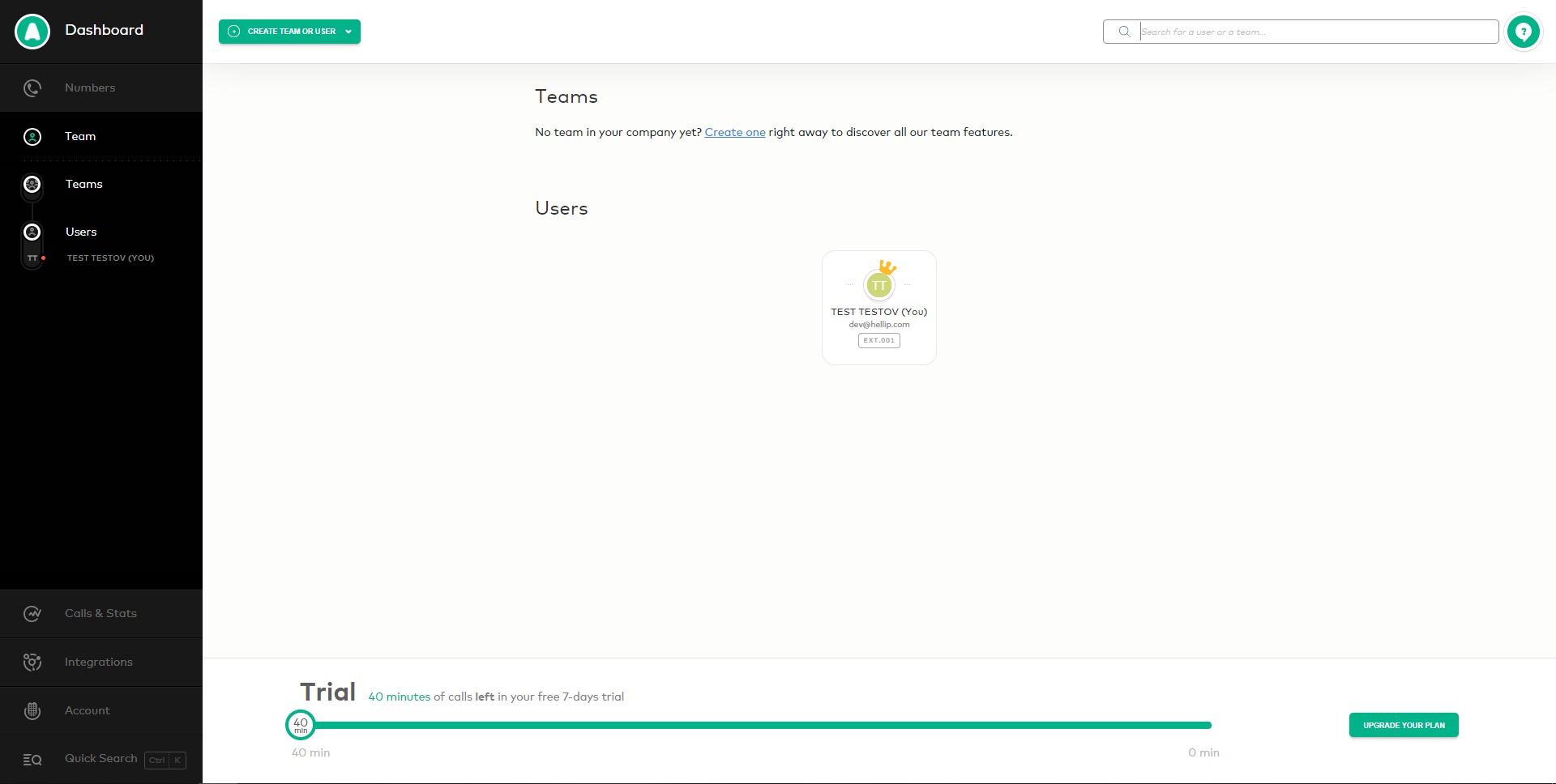
For admins and team leads, the web dashboard provides a visual overview of teams, numbers, and routing rules. Updating business hours, adjusting queues, or spinning up a new line for a campaign can be done without deep technical skills. Real-time monitoring lets supervisors see who is on calls, who is available, and how queues are performing, which helps with staffing and coaching.
Overall, Aircall cloud phone system for teams is designed to give growing companies a modern, flexible voice platform that fits into their existing SaaS ecosystem, adds AI-powered intelligence on top of everyday conversations, and scales smoothly as their sales and support operations expand.
2026-10-22 12:00:06: How to Connect Shopify to an AI Voice Agent | Aircall Demo Youtube
2026-10-19 13:30:15: AI Voice Agent for Property Management | Demo Youtube
2026-10-15 14:09:57: Outbound Campaigns with AI Voice Agents | Aircall Youtube
2026-10-13 13:45:13: AI Voice Agent for Hotels | Demo Youtube
2026-10-07 14:57:49: Introduction to Aircall Workspace Youtube
2026-10-03 11:00:16: Setting Up Outbound AI Voice Agent Campaigns Youtube
2026-09-26 11:00:17: Add AI voice agents to your online stores #ai #tech #aircall #shorts Youtube
2026-09-25 15:18:40: Aircall Builders Night Berlin 2026, Vol. 1 | Recap Youtube
2026-09-20 10:00:24: Build AI Voice Agents in One Click #ai #tech #shorts Youtube
2026-09-19 11:00:37: AI Voice Agent vs ChatGPT? #ai #tech #shorts #aircall Youtube
2023-03-30 11:13:23: At Aircall we are all about creating better conversations. One of the first elements of this is #call quality.
Call flow, call quality indicators, model overview... let's dive into Aircall's call quality #data!
https://t.co/kGZww5ZMCsTwitter
2023-03-22 10:12:06: From improved #UX to #AI and social messaging, conversational #CRM promises advancements and outcomes in #customer satisfaction.
Aircall works with 100+ #integrations, connecting to your CRM, analytics platform, #helpdesk, and more!
https://t.co/S150RdLSwn https://t.co/8OvkQviwoSTwitter
Aircall Alternatives




Aircall Integrations