Dixa
Languages:
English
Localization:
World

What is Dixa Customer Service Platform?
Dixa Customer Service Platform is a customer support solution designed to help companies manage conversations across multiple channels from one unified workspace. It is especially useful for ecommerce, retail, and service-based businesses that need to respond quickly to customers while keeping full conversation history visible to support agents.
Instead of separating communication into isolated tools for email, chat, phone, social media, or messaging apps, Dixa brings customer interactions together in a single environment. This allows agents to understand the full customer journey, avoid repeated questions, and provide more consistent service.
Dixa also focuses on automation, intelligent routing, analytics, and AI-assisted support. The platform helps teams reduce manual work, prioritize conversations, assign inquiries to the right agents, and identify recurring customer issues. For growing businesses, Dixa can become a central operating system for customer service, helping teams improve response speed, service quality, and customer satisfaction.
What are the key features of Dixa?
- Unified customer conversations
Dixa collects conversations from different communication channels into one shared support workspace. Agents can see previous messages, customer context, and interaction history, which helps them provide faster and more accurate responses. - Omnichannel support management
The platform supports multiple customer communication channels, including live chat, email, phone, social media, and messaging apps. This allows businesses to meet customers where they already prefer to communicate. - Intelligent conversation routing
Dixa can route conversations to the most suitable agent or team based on availability, skills, language, topic, priority, or customer type. This reduces manual assignment work and helps customers reach the right person faster. - AI-powered support assistance
Dixa includes AI tools that can help automate repetitive support tasks, suggest replies, summarize conversations, and assist agents during customer interactions. This can reduce handling time and improve consistency across the support team. - Customer service automation
Businesses can create rules and workflows to automate common processes such as tagging conversations, assigning priority, escalating issues, sending automatic responses, or routing specific inquiry types to specialized teams. - Analytics and performance insights
Dixa provides reporting tools that help managers track response times, workload, customer satisfaction, team performance, and recurring support topics. These insights can reveal operational problems before they become larger business issues. - Agent productivity tools
The platform gives support agents a structured workspace for managing conversations, customer data, internal notes, and collaboration. This helps reduce tool-switching and keeps customer service teams focused.
How can businesses use Dixa?
- Ecommerce customer support
Online stores can use Dixa to manage questions about orders, delivery status, returns, refunds, product availability, and payment issues. The platform helps support teams handle large volumes of repetitive customer inquiries more efficiently. - International support teams
Companies serving customers in multiple countries can route conversations by language, region, market, or product category. This is useful for brands that need localized customer service without creating disconnected support systems. - High-volume seasonal support
Retailers and ecommerce brands often face support spikes during holidays, sales campaigns, launches, or delivery delays. Dixa helps organize incoming conversations, automate simple tasks, and distribute work across available agents. - Customer experience improvement
Businesses can analyze support conversations to understand where customers struggle. Repeated questions about shipping, returns, product details, or checkout problems can become signals for improving website content, logistics, or internal processes. - Support team scaling
Growing companies can use Dixa to move from basic inbox-based support to a more structured customer service operation. Automation, routing, and analytics make it easier to add new agents while maintaining service quality.
What are the benefits of Dixa?
Dixa helps businesses create a more organized and responsive customer service process. By centralizing conversations, it reduces fragmentation and makes it easier for agents to understand each customer’s situation. This can improve both first response time and overall resolution quality.
The platform also helps reduce repetitive manual work through automation and AI-assisted workflows. Support teams can spend less time sorting, tagging, and assigning conversations, and more time solving customer problems.
For managers, Dixa provides better visibility into customer service operations. Analytics can show which channels are overloaded, which topics create the most support volume, and where agents may need additional training or process improvements.
Another benefit is consistency. When all agents work inside the same platform with shared customer context, businesses can maintain a more reliable tone, process, and service standard across channels.
For ecommerce brands, this can directly affect customer loyalty, repeat purchases, reviews, and retention. Faster, clearer, and more personalized support can turn customer service from a cost center into a competitive advantage.
What is the user experience like in Dixa?
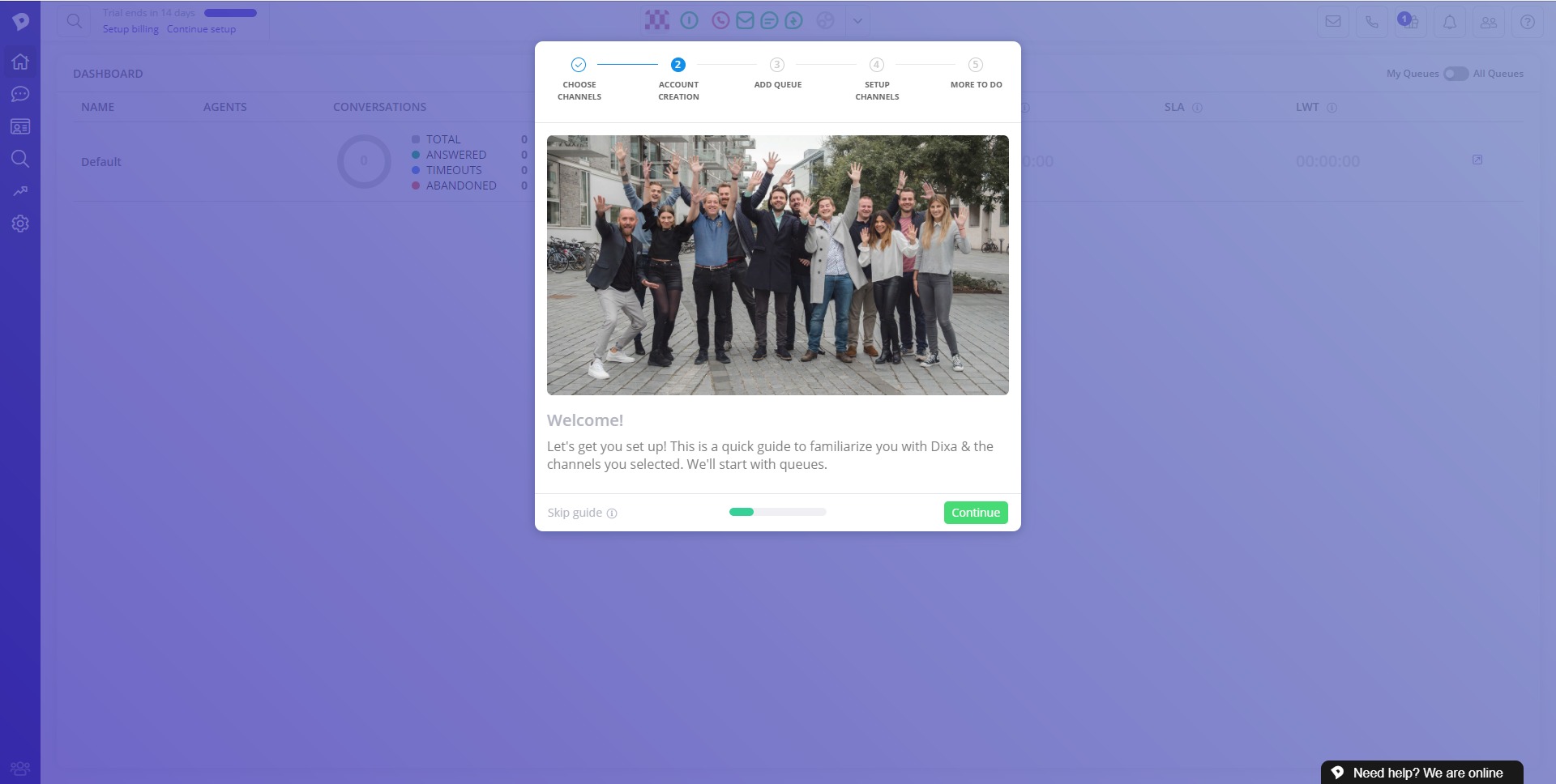
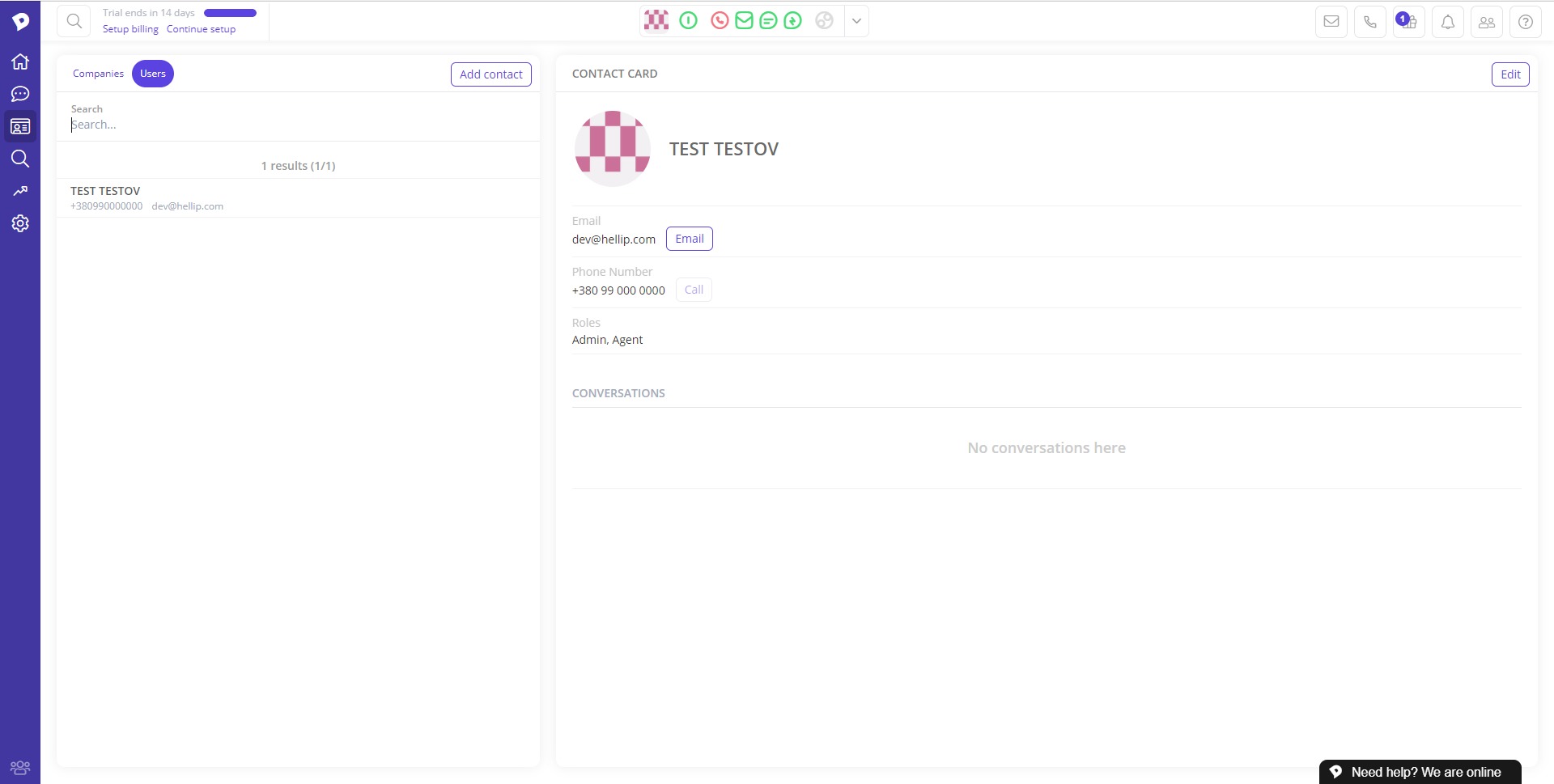
The user experience in Dixa is built around a unified support workspace. Agents can manage conversations from different channels without constantly switching between separate tools. Customer history, conversation details, internal notes, and response options are available in one place, making daily work more structured and less chaotic.
For support agents, this creates a clearer workflow. They can see what the customer has already asked, which team handled previous interactions, and what actions may be needed next. AI assistance and automation can also reduce routine work, helping agents respond faster and with more confidence.
For customers, the experience is smoother because they do not need to repeat the same issue across multiple channels. Whether they contact the company by chat, email, phone, or social messaging, the support team can continue the conversation with context.
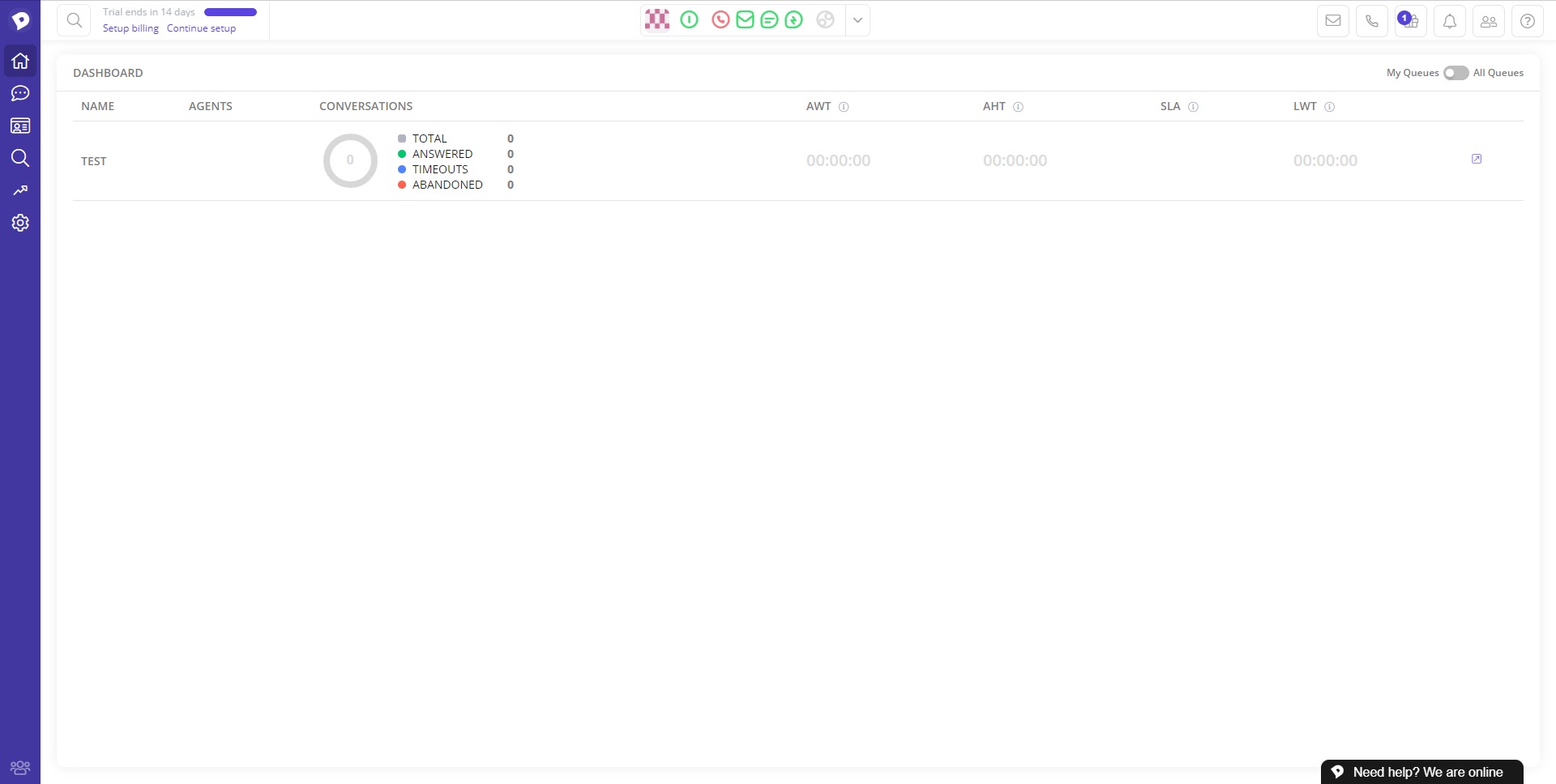
For managers, Dixa offers dashboards and insights that make support operations easier to monitor. Team performance, customer demand, bottlenecks, and recurring issues become more visible. This helps companies improve service quality while keeping support processes scalable and controlled.
2026-03-19 14:00:04: Dixa Product Walkthrough Youtube
2024-07-26 20:06:53: Customer Service is a Skilled Profession. Youtube
2024-07-26 20:05:45: Your Team is the Foundation of Your AI Youtube
2024-07-17 09:32:43: Powering AI Efficiency with Human Insights for Top-Notch CX, with Suzanne Duffy of Papier. Youtube
2024-07-17 09:15:26: Customised CX | Paper Youtube
2024-07-17 09:12:50: How to Keep Customers | Papier Youtube
2024-06-19 06:00:33: Managing Expectations | Cleo Youtube
2024-06-19 06:00:32: Creating Game-Changing Customer Experiences with AI, with Daniel Bunton of Cleo Youtube
2024-06-19 06:00:10: Unique Voices in AI | Cleo Youtube
2024-05-15 06:00:32: Using Automation Appropriately | Vivino Youtube
2023-03-30 14:11:43: The session will cover:
+The 3 key opportunities for operational agility
+Why CX as a department is often overlooked by the organization
+How net revenue retention is a great metric to prove your department's value,especially in a market downturn
🎟️👇
https://t.co/HxWnO2QaCPTwitter
2023-03-29 15:21:37: A positive onboarding experience engages employees and leads to a motivated workforce that is more likely to be committed to your company long-term.
👇 If you want to know what makes for a good agent onboarding process, check out our new blog post!
https://t.co/mpaUB2UqgXTwitter
2023-03-29 15:21:36: 💡Did you know that when new hires take part in a structured onboarding process, retention can improve by as much as 82%, with productivity gains of up to 70%?
👇👇 https://t.co/ShVOGJVwFjTwitter
2023-03-28 16:09:41: 🥳 Good news!
In case you missed our exclusive webinar with best-selling CX author Matt Dixon and our own Tue Søttrup, you can check it out now—FREE on our website!
👇 Watch it now!
https://t.co/3FH0ciEjYd https://t.co/KYXNbeTdWSTwitter
2023-03-23 13:01:47: Get an inside look at what’s new in our #CCS platform from Rob Krassowski, our Chief Product Officer: https://t.co/0HaPhlq2biTwitter
2023-03-23 13:01:46: 🦹♀️ Made it easier for agents (AKA CS superheroes) to accomplish day-to-day tasks in Dixa
➕ And, more!
As companies face strong economic headwinds, customer loyalty is the new battleground. Conversational customer service will help you win, every time.
👇👇Twitter
2023-03-23 13:01:45: 🏃♀️ Phew, is it only March?
Already this year, we:
🤖 Introduced our very own chatbot to Dixa Messenger
🫶 Are leading the industry for natively-built channels
📊 Introduced built-in QA and upgraded our in-platform analytics in a big way
👇👇 https://t.co/7D77Ux1zg1Twitter
2023-03-22 14:51:41: 🤖Chatbots can close this gap, allowing you to automate those repetitive daily inquiries that take up most of your team’s time, so they can focus on the customers who truly need it.
If you’re not sure where to start, our new eGuide is just for you!
👇Twitter
2023-03-22 14:51:40: 🤔Did you know that 80% of companies believe they deliver superior service to their customers,while only 8% of customers agree?
This infamous gap,already reported on by Bain &Company,is only expected to widen as the number of CS interactions soars(along w/customer expectations). https://t.co/S2lJVUmFrwTwitter
Dixa Alternatives




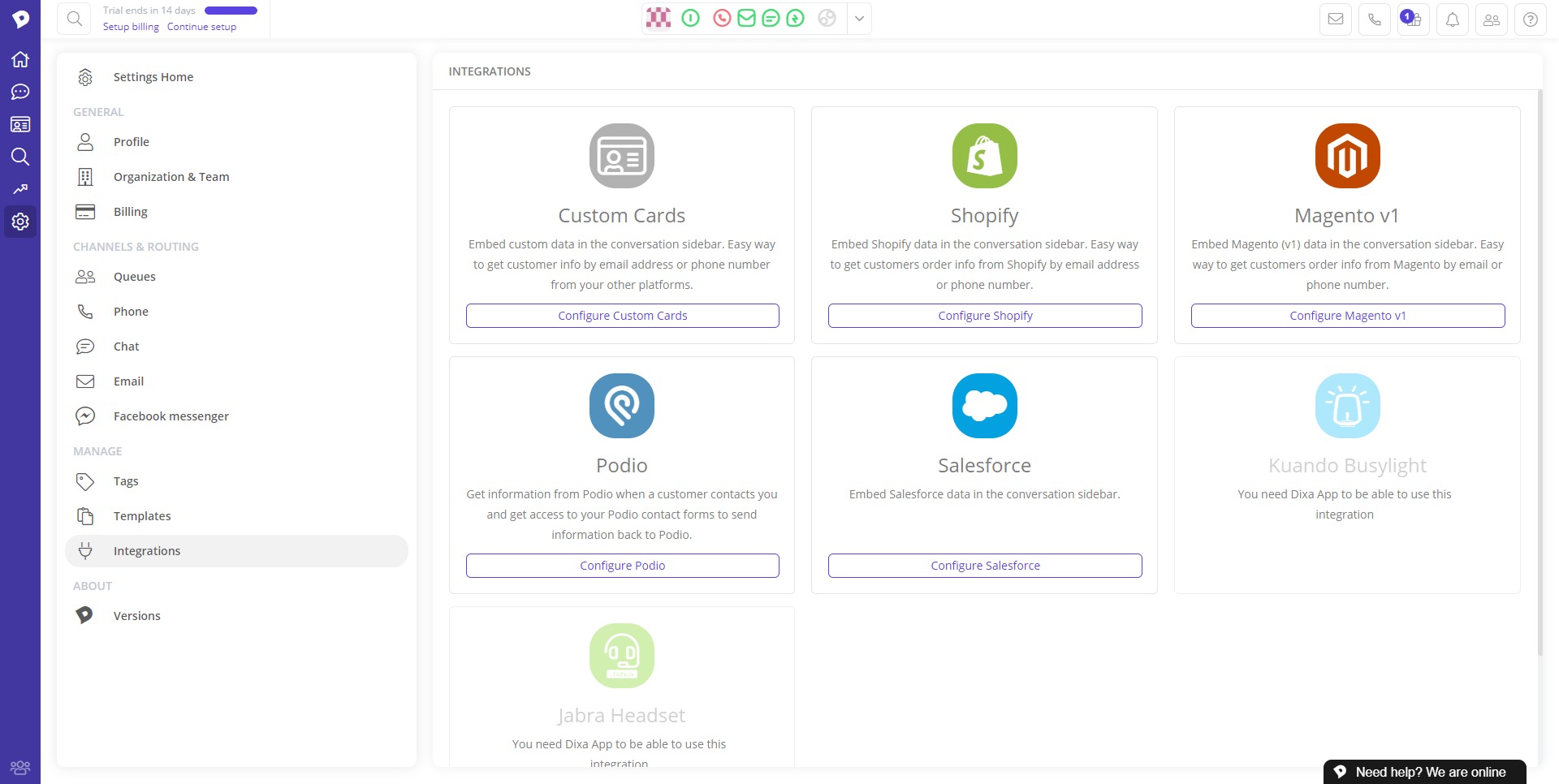
Dixa Integrations