Shiptheory
Languages:
English
Localization:
World

What Is Shiptheory and How Does It Work?
Shiptheory is a cloud-based shipping automation platform designed to connect sales channels, back-office systems, and carrier accounts into one streamlined fulfillment workflow. It acts as a middleware layer between e-commerce platforms, ERPs, marketplaces, and shipping carriers, automating how orders are processed, labeled, shipped, and tracked.
Instead of manually copying order data into carrier portals or managing multiple shipping dashboards, Shiptheory centralizes everything into a single system. Orders are automatically imported from connected platforms, evaluated against configurable rules, and assigned the correct carrier and service. Shipping labels, customs documents, and tracking updates are generated automatically and synced back to the originating sales channel. This reduces operational friction, minimizes human error, and allows fulfillment teams to scale without adding headcount.
Shiptheory is especially suited for businesses with growing order volumes, multi-channel sales, or complex shipping logic that cannot be handled efficiently by native e-commerce shipping tools.
What Key Features Does Shiptheory Offer?
-
Automated Shipping Rules Engine
Orders are processed using rules based on destination, weight, order value, SKU, shipping method, or sales channel. This allows automatic carrier and service selection without manual decisions. -
Multi-Channel Order Sync
Orders are pulled in real time from multiple e-commerce platforms, marketplaces, and ERP systems into a single shipping queue. -
Carrier Integrations
Direct connections to a wide range of domestic and international carriers allow label creation using existing carrier contracts. -
Label and Document Generation
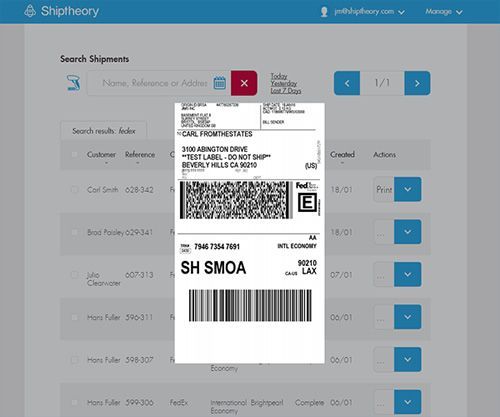
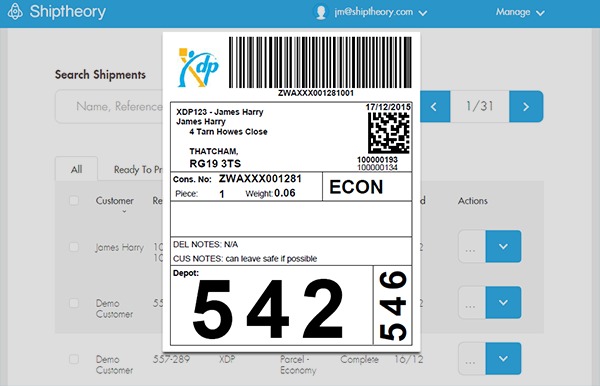
Shipping labels, return labels, and customs documentation are generated automatically, reducing manual paperwork. -
Centralized Shipping Dashboard
All shipments are managed from one interface, providing visibility across channels and carriers. -
Automated Tracking Updates
Tracking numbers and shipment statuses are pushed back to the sales platform and can trigger customer notifications. -
Returns Management
A built-in returns workflow allows businesses to issue return labels and manage returns more efficiently.
What Use Cases Is Shiptheory Best For?
-
Multi-Channel E-Commerce Operations
Businesses selling through several platforms can unify fulfillment without duplicating shipping processes. -
High-Volume Order Fulfillment
Automation significantly reduces the time spent processing large daily order volumes. -
International Shipping Workflows
Automated customs documentation and carrier selection simplify cross-border fulfillment. -
Warehouse and 3PL Coordination
Centralized shipping logic ensures consistent fulfillment rules across internal teams or third-party logistics providers. -
Operational Cost Optimization
Rules can prioritize cheaper or faster services based on predefined business logic.
What Are the Main Benefits of Using Shiptheory?
Shiptheory reduces operational overhead by removing repetitive manual tasks from the shipping process. Fulfillment teams spend less time on data entry and error correction and more time on exception handling and optimization. Automation improves shipping accuracy, reduces misrouted parcels, and ensures consistent carrier selection.
From a business perspective, Shiptheory improves scalability. Adding new sales channels or carriers does not require rebuilding shipping workflows. The platform adapts through configuration rather than custom development. This makes it suitable for fast-growing brands that expect frequent changes in sales mix or geography.
Cost control is another key benefit. By enforcing shipping rules consistently, businesses avoid unnecessary premium services and gain clearer insight into shipping performance across carriers.
What Is the Shiptheory User Experience Like?
Shiptheory is designed for operations and logistics teams rather than developers. Setup focuses on configuration instead of coding, with a clear interface for managing rules, carriers, and integrations. Once configured, day-to-day usage is largely hands-off, with shipments processed automatically in the background.
The dashboard provides a clear overview of shipment status, errors, and exceptions, making it easy to intervene only when necessary. For growing teams, this creates a predictable and repeatable shipping process that does not rely on individual operator knowledge.
Overall, Shiptheory delivers a practical, operations-focused user experience aimed at reducing complexity, increasing fulfillment reliability, and supporting long-term growth without adding unnecessary tooling or manual work.
2026-09-22 09:22:20: Why Partners Love Working With Shiptheory | eCommerce Expo 2025 Youtube
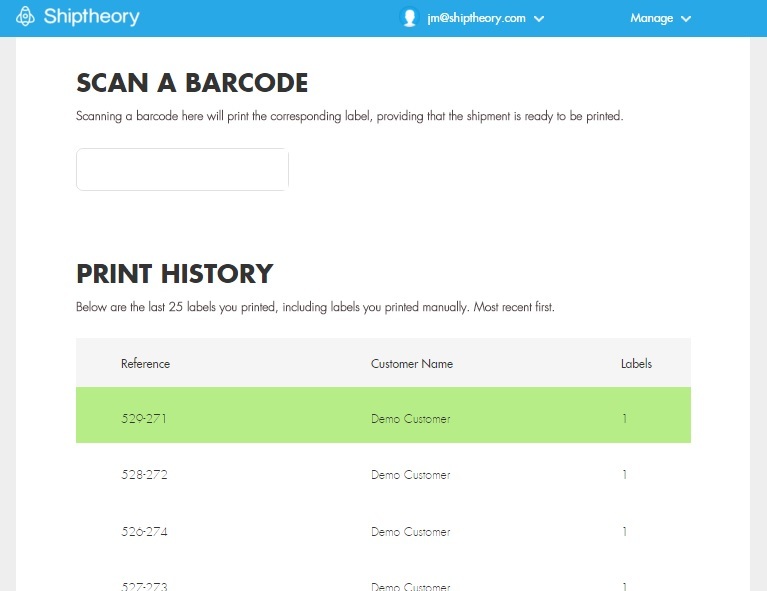
2025-10-14 10:51:10: Pick, Pack, Ship - Barcode Scanning within Shiptheory Youtube
2025-07-28 13:01:29: Shipping Automation Stories: How Thousands of Brands Achieve 100% Automation with Shiptheory Youtube
2025-05-27 09:21:02: 100% NetSuite Shipping Automation in Under 24 Hours - Webcontrol x Shiptheory Partner Success Story Youtube
2025-05-20 13:35:34: How Lily Charmed Scaled to 3X International Markets with Shiptheory and FedEx Youtube
2025-05-15 09:38:49: Minebaseball Saves 30+ Hours/Week with Katana + Shiptheory Youtube
2025-03-26 16:09:07: Shiptheory Branded Tracking Portal Youtube
2025-01-22 10:41:20: Printing Shipping Labels within Brightpearl to Shiptheory Youtube
2025-01-21 16:38:55: Printing Shipping Labels in NetSuite with Shiptheory Youtube
2024-10-11 13:00:45: Creating Shipping Labels in NetSuite with Shiptheory Youtube
2023-02-23 13:27:56: Wanna learn how to:
Scope cross-border opportunities to grow your business? 🌍
Fulfil international orders efficiently? 🚚
Keep customers happy at the same time? 😁
If so, our latest #webinar is for you - join us and Boostmyshop on Feb 28th at 1pm!
https://t.co/nfkLJLU0SI https://t.co/OogWScIGusTwitter
2023-01-31 16:28:25: We’re adding new functionality all the time to for Returns users🚀
Follow our Monthly Changelog to keep up to date with our newest updates. Read the most recent issue here: https://t.co/4hRHDLnUx8
Want to chat to the team about returns? Book in a call! https://t.co/EFmJb8fmzyTwitter
2023-01-31 16:28:24: RETURN INDIVIDUAL SHIPMENTS:
For users who ship orders in separate shipments, consumers can see ALL shipments by entering the order number, and select which one needs returning. https://t.co/bNaZOZuHynTwitter
2023-01-31 16:28:23: RETURN RULES:
Return Rules work like regular rules in Shiptheory - how a return is processed can change depending on your criteria.
Rules can be used to a lot of things, but crucially, users can now choose if and when a customer pays for their return, based on their reasoning! https://t.co/K9W1bQxEvXTwitter
2023-01-31 16:28:20: We’ve made some huge changes (for the better) to our Returns functionality over the last few months 📦
We’ve added new returns carriers, made users able to charge for returns and much more - in this thread, we’ll break down the new features Returns Shop users can use right now!Twitter
2023-01-27 12:09:12: Fantastic to be a finalist in the Bristol Life Award for Technology 2023!
Feels amazing to be nominated in the city we call home. Congratulations to all nominations! 🎉 https://t.co/q5sT9EkSOITwitter
2023-01-23 18:22:58: We’ve been nominated for Best Logistics Solution at eCommerce Awards Germany! 🇩🇪 🎉
Want to vote for us? Click the link below (you don’t have be in Germany to vote!)
https://t.co/kT2zoT3W8vTwitter
2023-01-16 06:46:33: [Identified] Royal Mail Cyber Incident: No international shipping: Royal Mail are currently not accepting international shipments. This means you will not be able to create international Royal Mail labels via any platform, including Shiptheory. Read on ... https://t.co/F4EcGQJZpATwitter
2022-10-12 11:41:19: A great review of our new and improved dashboard! 🚀
Want to learn how it can transform your shipping operations? Get in touch with your Account Manager today! https://t.co/ppWy60SnjPTwitter
Shiptheory Alternatives