Woopra
Languages:
English
Localization:
World

What is Woopra Customer Journey Analytics Platform and how does it work?
Woopra Customer Journey Analytics Platform is a product and customer analytics solution that unifies data from websites, mobile apps, marketing tools, sales systems, and support channels into a single view. The platform tracks user actions in real time, stitches them into individual profiles, and maps every step of the customer journey, from first touch to long-term retention.
Instead of jumping between separate reports for campaigns, product usage, and revenue, Woopra centralizes the information so teams can see how every touchpoint influences outcomes. Events such as signups, feature usage, email opens, demo requests, and renewals are captured and organized into journeys and funnels. Flexible segmentation, cohort analysis, and retention reporting help expose patterns behind growth or churn, while automation features enable teams to act on these insights directly inside the tools they already use.
What key features make Woopra effective for analytics?
-
Customer journey reports
Woopra lets teams build visual journey reports that show how users move between pages, features, campaigns, and channels. These reports highlight common paths, drop-off points, and high-value behaviors so teams can refine onboarding, activation, and upsell flows. -
Unified customer profiles
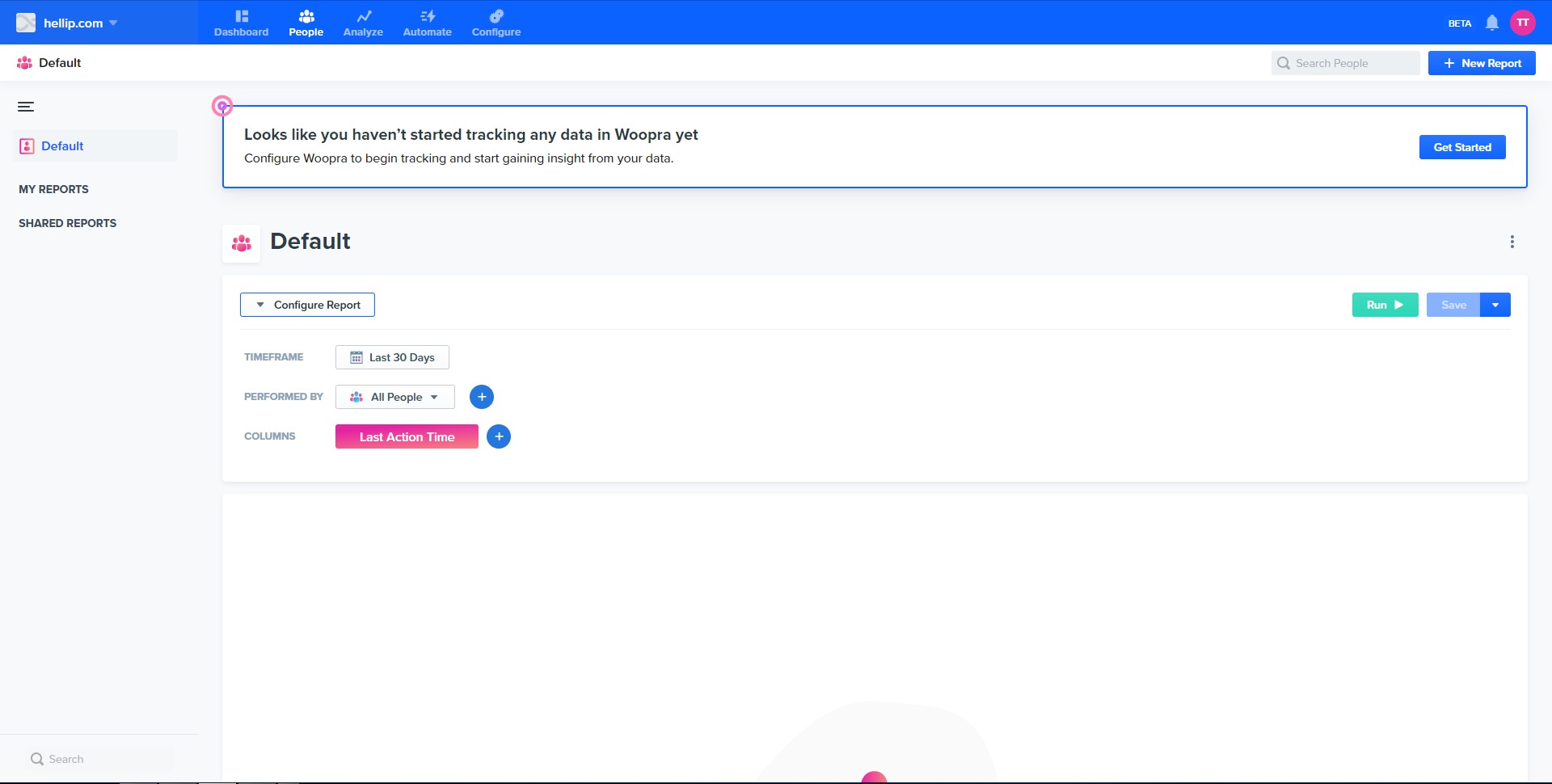
Each user’s behavior is consolidated into a single profile that combines events and attributes from multiple systems. Profiles display timelines of actions, device data, campaign sources, and account information, giving teams complete context before making decisions or engaging customers. -
Advanced segmentation and cohorts
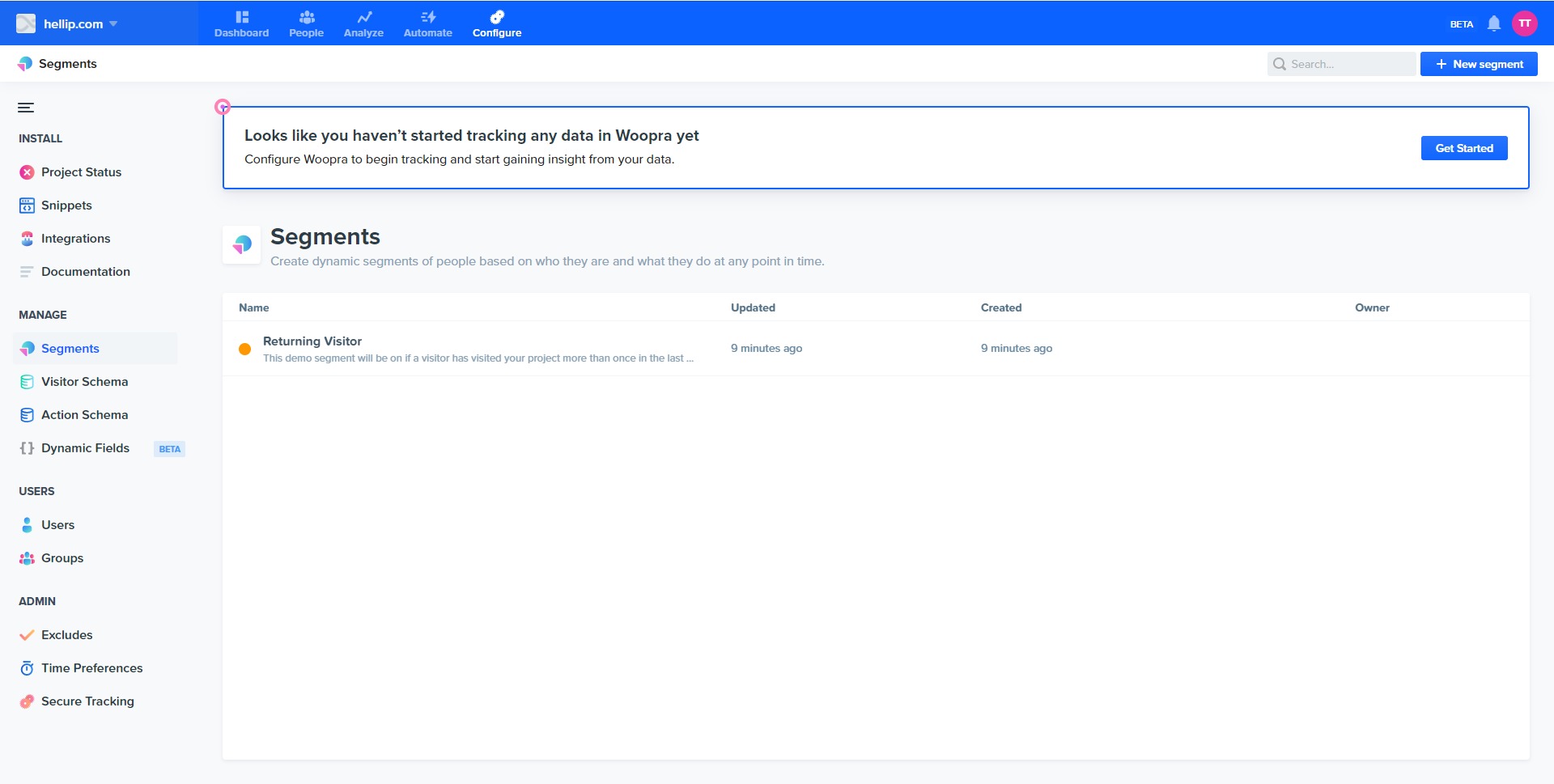
Woopra allows the creation of granular segments based on behavior, attributes, and lifecycle stage. Cohorts can be defined by events such as “completed onboarding,” “used key feature,” or “downgraded,” and tracked over time to understand engagement and retention. -
Product and funnel analytics
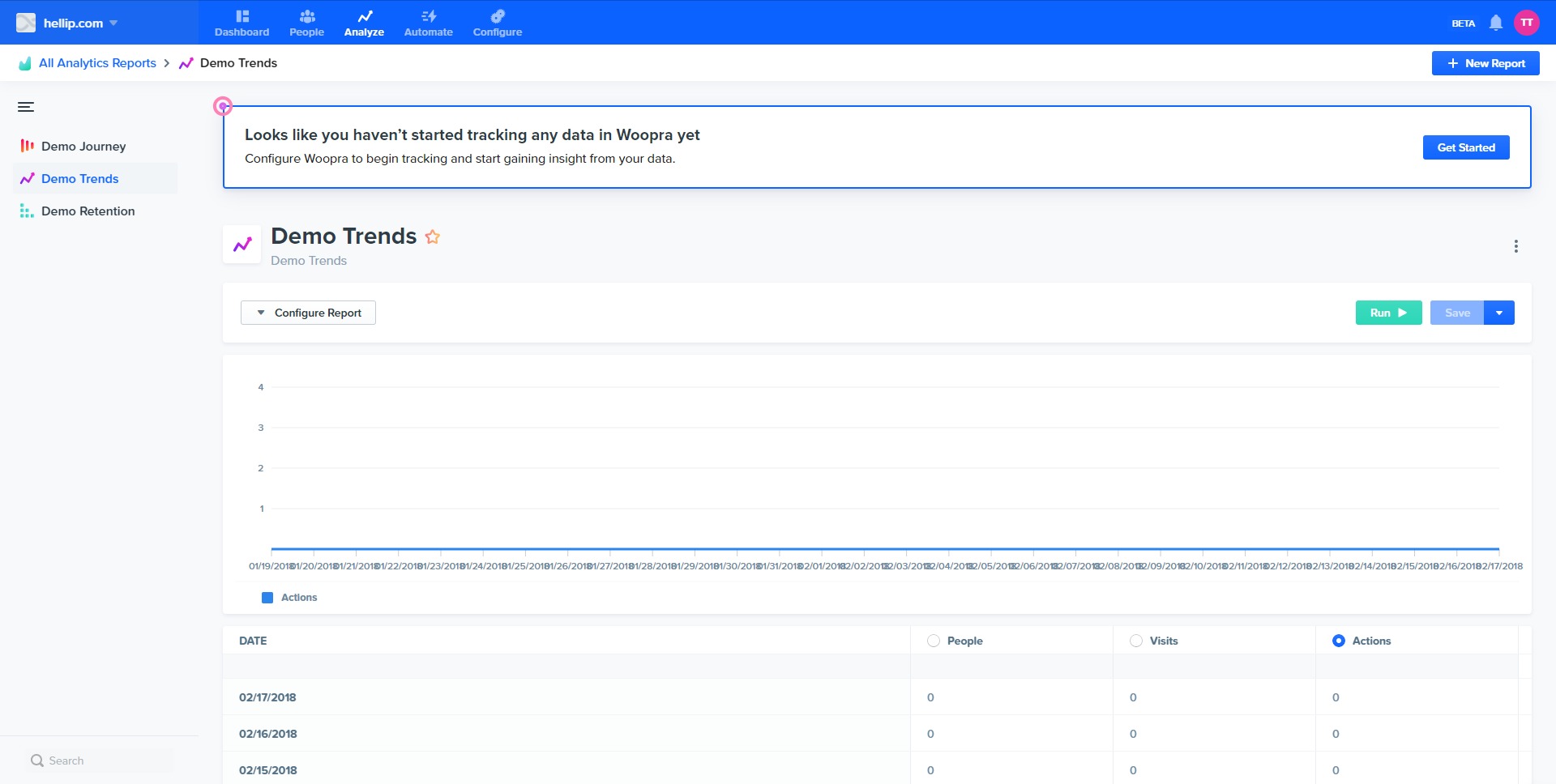
Detailed funnel reports show how many people progress through key flows like signup, onboarding, upgrades, and repeat purchases. Product analytics reveal which features drive engagement, which are ignored, and how usage patterns differ across segments. -
Retention and lifecycle analysis
Retention reports measure how often users return, which actions correlate with long-term value, and where customers are at risk of churn. Lifecycle views connect acquisition channels, in-product behavior, and revenue outcomes. -
Integrations and automation
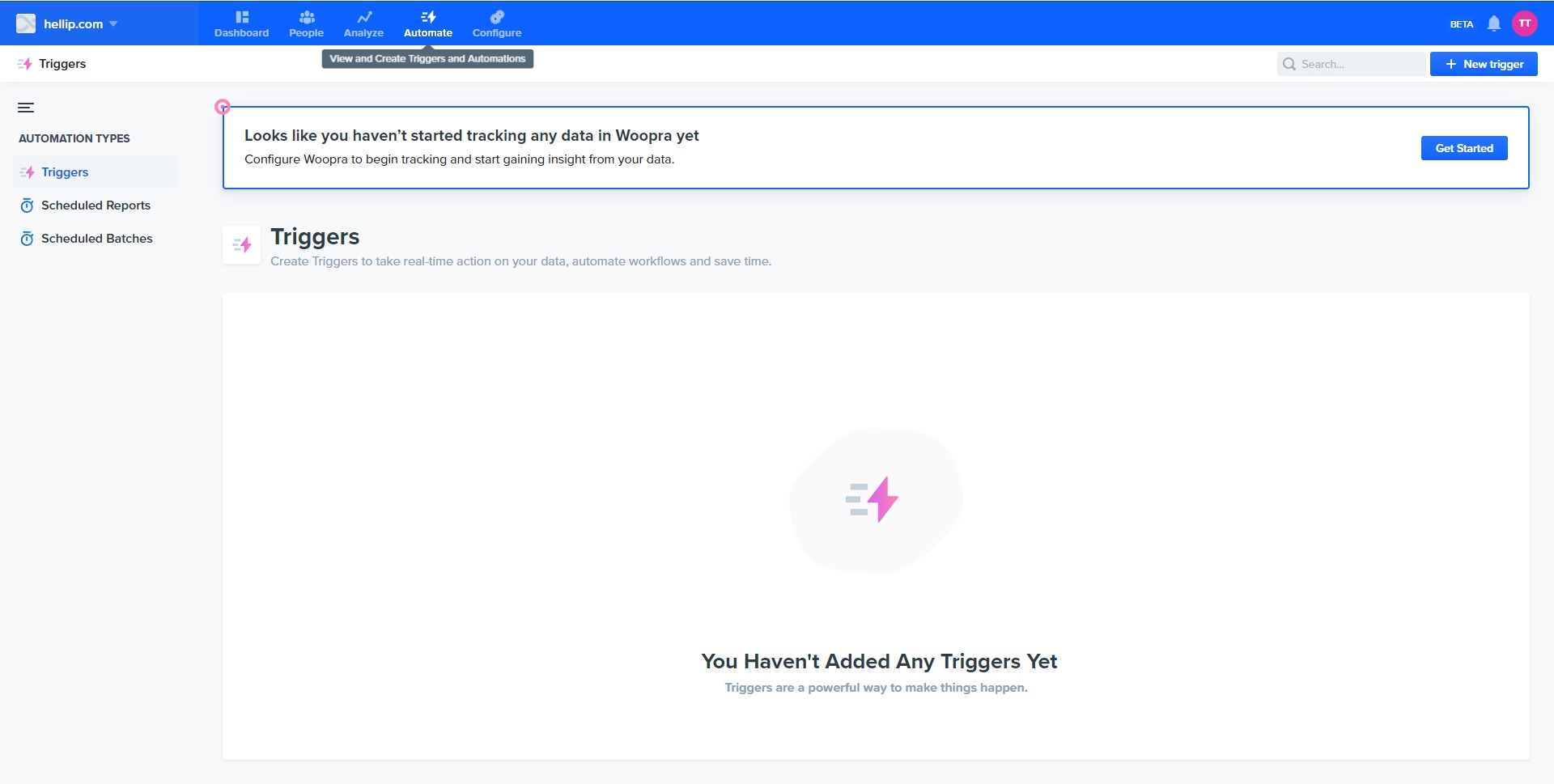
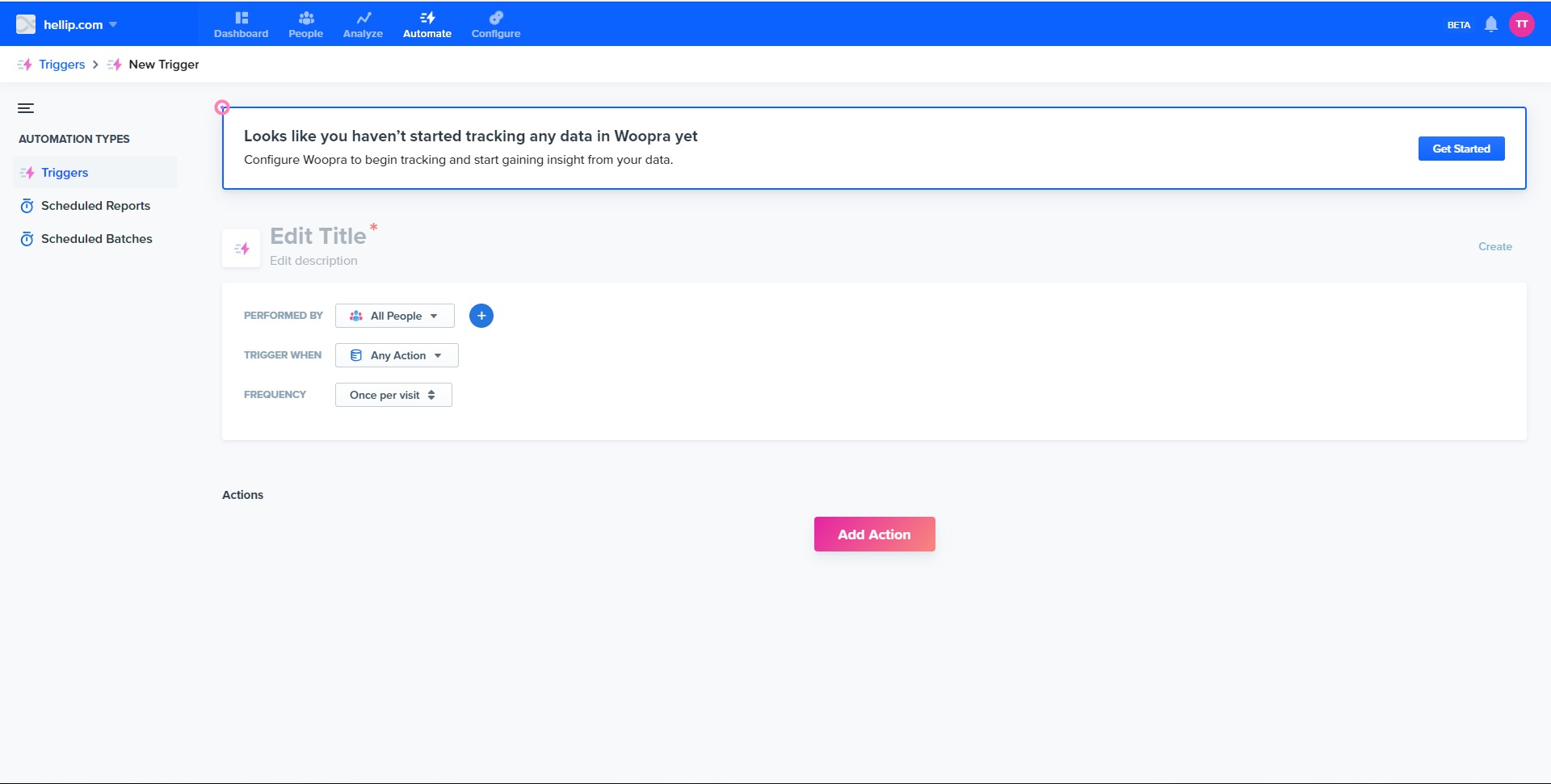
Woopra connects with common tools for email marketing, CRM, support, and data collection. Based on behavioral triggers or segment membership, the platform can launch campaigns, update records, or send data to other systems, turning analytics into automated actions.
How do teams typically use Woopra in practice?
-
SaaS and product-led growth
Product teams use Woopra to understand which onboarding steps work, which features indicate a “healthy” customer, and where users get stuck. They refine interfaces, in-app guides, and trial experiences based on real usage patterns. -
Marketing performance and attribution
Marketing teams trace the entire journey from first campaign touch to subscription, expansion, or churn. They identify high-quality channels, keywords, and messages that lead to deeper engagement rather than just clicks. -
Customer success and support optimization
Customer success and support teams combine ticket history and product behavior to anticipate churn, spot upsell opportunities, and prioritize outreach. They can see how interventions, training sessions, or messages impact long-term retention. -
Ecommerce and digital journeys
Ecommerce businesses map journeys from ad impression through browsing, cart events, checkout, and repeat purchases. This makes it easier to reduce friction, test new flows, and increase average order value and lifetime value.
What benefits does Woopra deliver for organizations?
Woopra helps organizations replace assumptions with clear evidence about customer behavior. Because data from marketing, product, sales, and support is presented in one analytics environment, teams can align around shared metrics and see the downstream impact of their decisions. This reduces wasted spend on ineffective campaigns, accelerates product improvements, and sharpens retention efforts.
The ability to build segments, cohorts, and journeys without writing code makes advanced analytics accessible to more people inside the company. Decision-makers get faster answers, experiments can be evaluated quickly, and initiatives can be prioritized based on measurable impact on activation, engagement, and revenue. Overall, the platform supports a more data-driven culture focused on the complete customer journey.
What is the user experience like in Woopra?
The Woopra user experience centers on clarity and interactivity. Reports are built through intuitive menus and filters rather than complex queries, which lowers the barrier for non-technical users. Journey and funnel visualizations are easy to read, with clear paths and conversion rates at each step.
Unified profiles provide a narrative timeline for every customer, so teams can quickly scan past actions and understand context before reaching out or making changes. Dashboards can be customized for different roles, ensuring that each team sees the metrics and journeys most relevant to its work.
Because Woopra Customer Journey Analytics Platform is designed to be both powerful and approachable, organizations can move from raw data to actionable insights quickly, while keeping a consistent, user-friendly experience across teams and use cases.
2020-05-29 03:25:48: 🌘 We just released Woopra Dark Mode! 🌘
#darkmode #woopra #uidesign https://t.co/uvwN4kcHaMTwitter
2020-03-25 23:20:08: 📢 We're excited to announce the new and updated Trends reports! 🧙♂️
📈 Line & spline charts
📊 New bar charts
📚 Stacked dimensions
⏲️ Compare your growth to the past https://t.co/gLqH6aWM5BTwitter
2019-12-20 02:57:22: Herer's a short video that shows how easy it is to import existing customer data to Woopra to retroactively map the end-to-end user journey.
Sync data from databases such as Redshift, BigQuery, and MySQL, or SaaS services, such as Salesforce or Hubspot.
https://t.co/EWdLWJ4uCNTwitter
2019-12-04 01:40:58: Need to know which campaigns or product features contributed the most to revenues? Or which landing pages drove the most signups? Create a Woopra attribution report in 2 minutes and get a clear and comprehensive answer. Learn how: https://t.co/RaZ7jnlKgMTwitter
2019-11-20 23:48:01: 📢Introducing Woopra Data Loader!
You can now import existing data to Woopra to retroactively map the end-to-end user journey. 🎡🏖️
https://t.co/skZnIGsmIx
#bi #Analytics #customerjourney #woopraTwitter
Woopra Alternatives




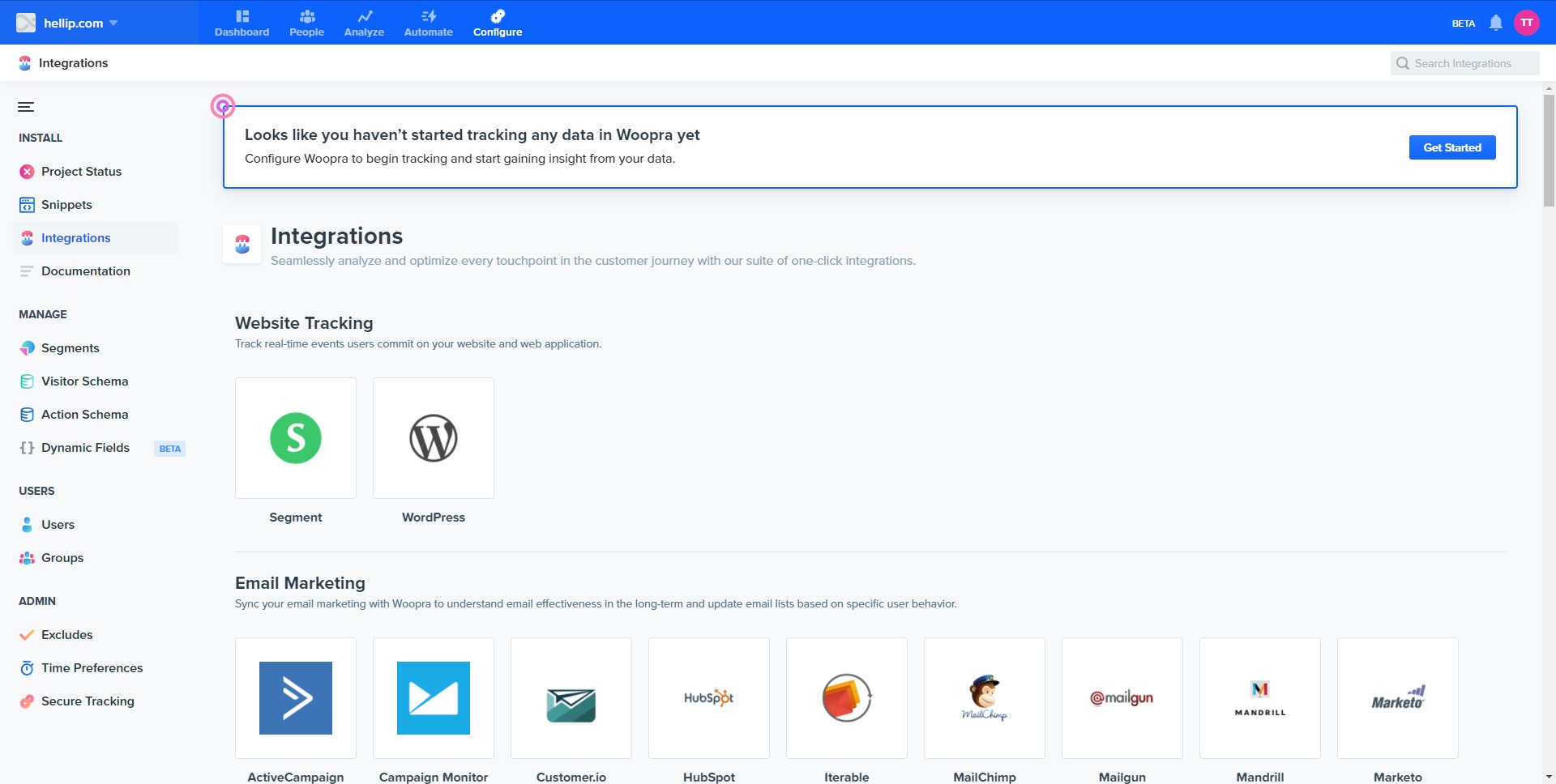
Woopra Integrations