Shopify
Languages:
Dansk
Deutsch
English
Español
Français
Italiana
日本語
Tiếng Việt
简体中文
Localization:
World

What is Shopify and how does it work?
Overview Description
Shopify is a cloud-based e-commerce platform designed to help businesses create, manage, and scale online stores without needing to build or maintain technical infrastructure. It operates as a subscription-based service where merchants access all core commerce tools through a single admin interface. Storefront creation, product management, payments, shipping, and analytics are handled in one system, reducing operational complexity.
The platform supports businesses at different stages, from solo founders launching their first product to established brands running high-volume, multi-market operations. Shopify abstracts hosting, security, and updates, allowing teams to focus on merchandising, marketing, and customer experience. Its modular approach means merchants can start simple and gradually extend functionality through apps, custom themes, and integrations as needs grow. Shopify positions itself not as a marketplace, but as an independent commerce engine where brands retain control over data, pricing, and customer relationships.
What key features does Shopify provide?
Key Features
-
Storefront Builder
Visual theme-based store creation with support for product variants, collections, SEO settings, and custom domains. Themes can be used out of the box or deeply customized for unique branding. -
Product and Inventory Management
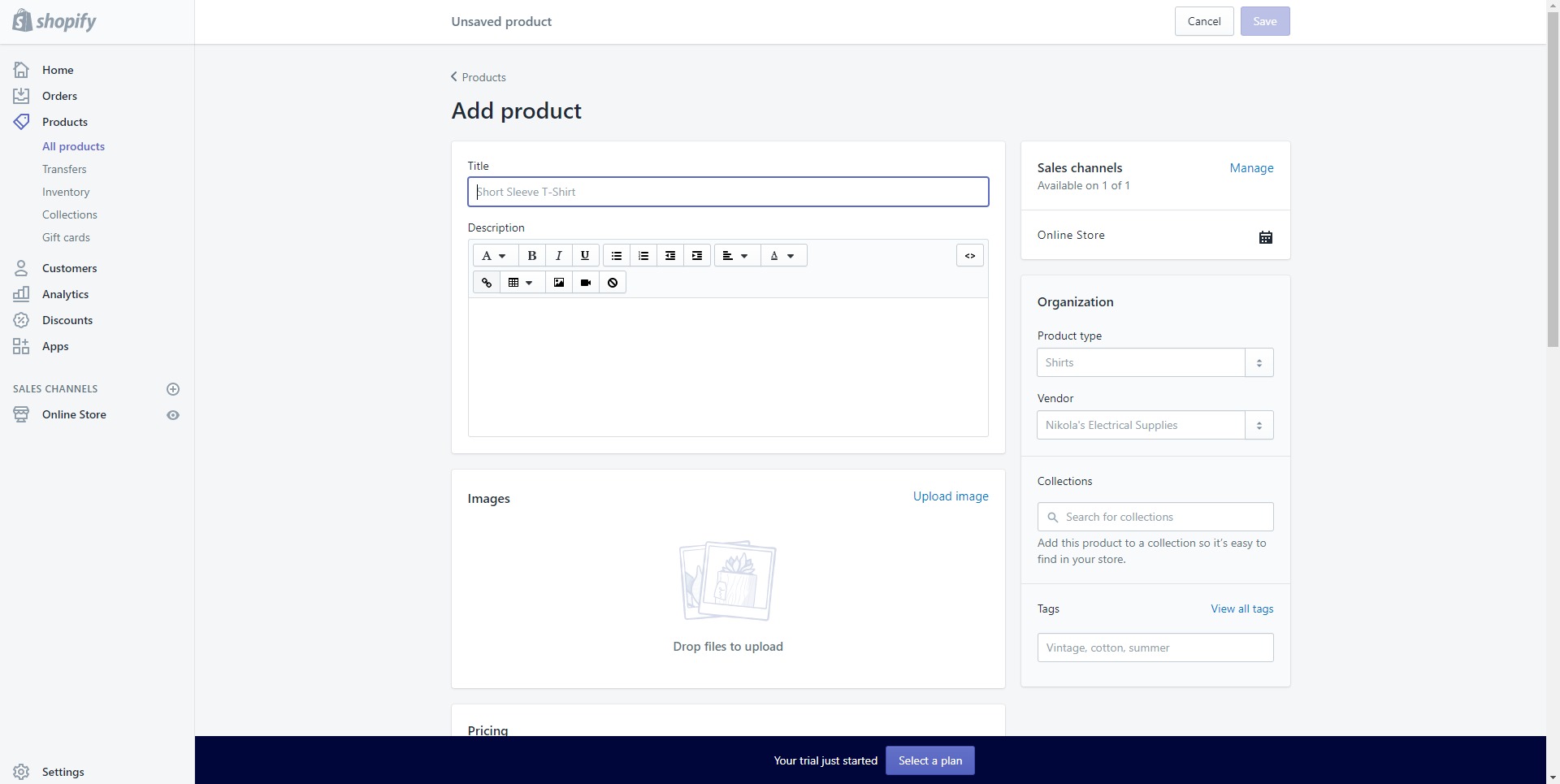
Centralized catalog management with real-time inventory tracking, SKU control, and stock alerts across multiple sales channels. -
Integrated Payments and Checkout
Built-in payment processing and optimized checkout flows designed to reduce friction and improve conversion rates, including accelerated checkout options. -
Multi-Channel Selling
Ability to sell through online stores, social platforms, marketplaces, and physical locations while keeping orders and inventory synchronized. -
Order Fulfillment and Shipping
Tools for order processing, shipping rate calculation, label generation, and returns management from one dashboard. -
App Ecosystem and Integrations
Access to a large ecosystem of third-party apps covering marketing, automation, subscriptions, analytics, customer support, and more. -
Analytics and Reporting
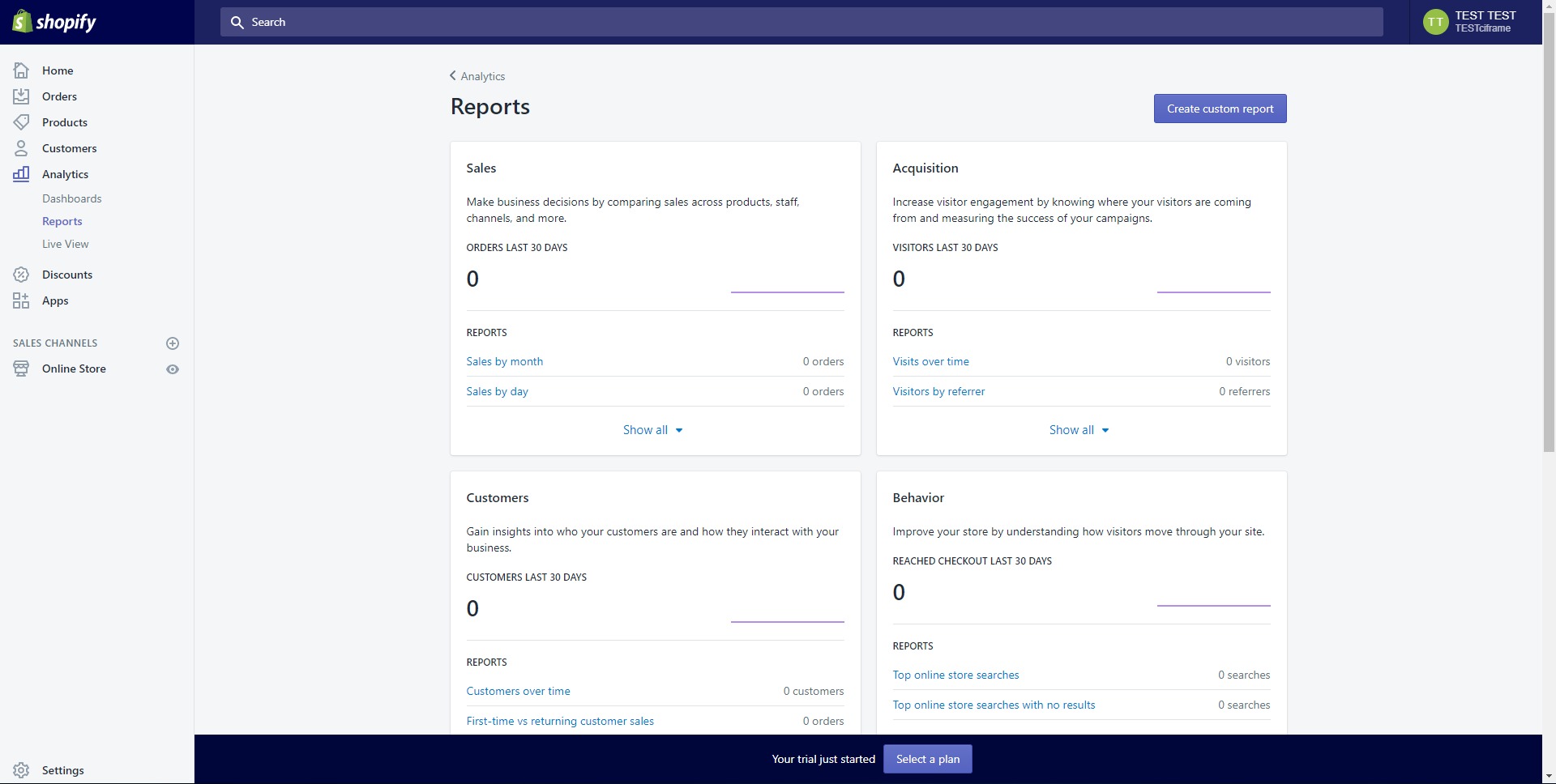
Sales reports, customer insights, and performance metrics that support data-driven decisions.
What are common Shopify use cases?
Use Case Highlights
-
Direct-to-Consumer Brands
Businesses selling directly to customers who want full control over branding, pricing, and customer data. -
Small and Medium Online Retailers
Merchants looking for a reliable, scalable platform without investing in custom infrastructure. -
Multi-Channel Sellers
Companies managing sales across social media, marketplaces, and offline retail from a single system. -
Subscription and Digital Product Businesses
Sellers offering recurring products, memberships, or digital goods using add-ons and automation. -
International and Cross-Border Commerce
Brands operating in multiple currencies, languages, and regions with localized storefronts. -
Enterprise Commerce Operations
Larger organizations using advanced automation, custom integrations, and high-volume transaction handling.
Why do businesses choose Shopify over alternatives?
Benefits
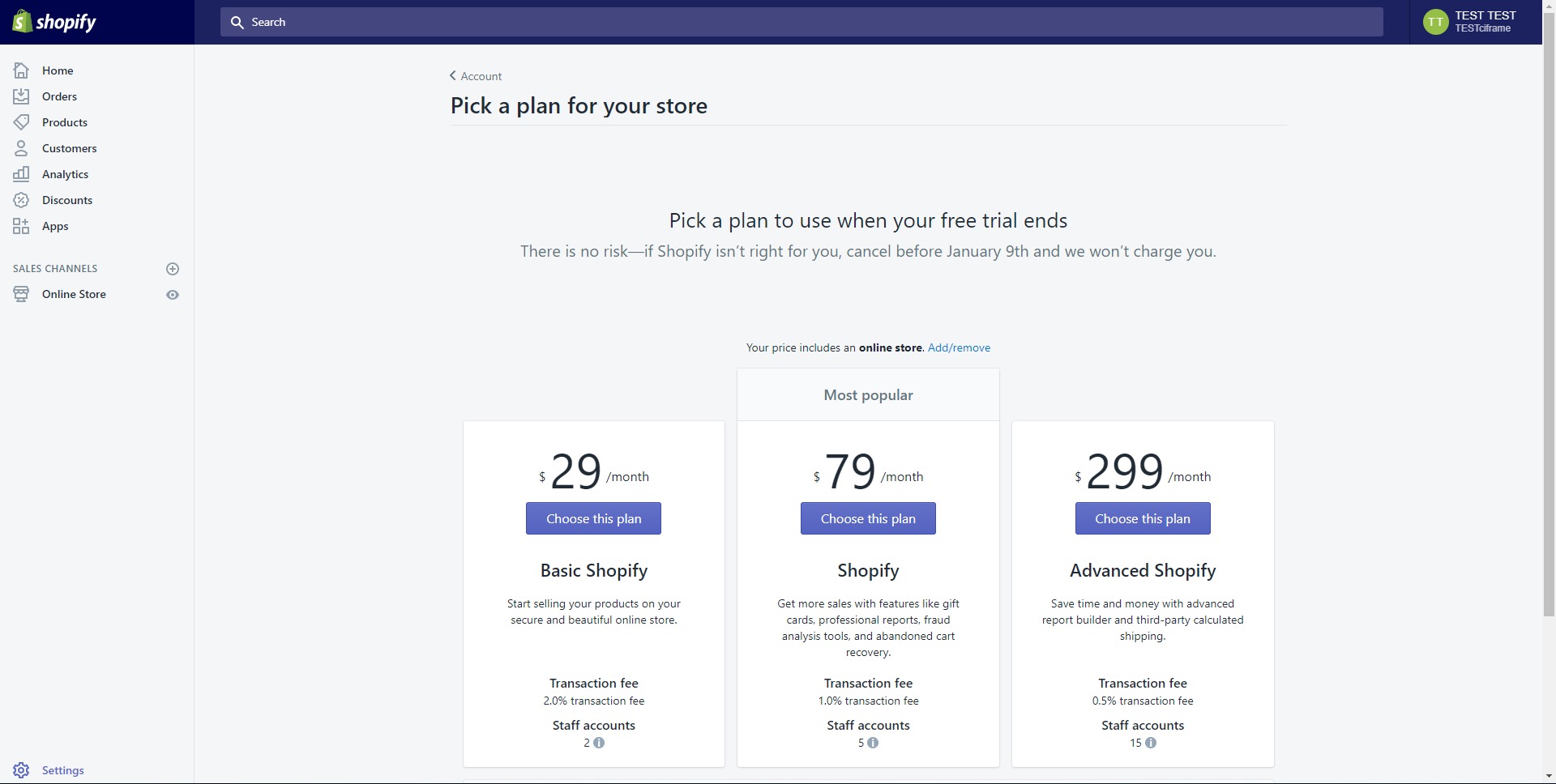
Shopify reduces time-to-market by removing technical barriers to launching an online store. Its hosted nature eliminates concerns around server maintenance, security patches, and performance optimization. Businesses benefit from predictable subscription pricing and the ability to scale without rebuilding their commerce stack.
The platform offers flexibility without forcing complexity early on. Merchants can start with core features and expand only when needed. Ownership of customer data and brand experience is a key advantage compared to marketplace-driven models. Shopify also supports long-term growth by enabling integrations with marketing tools, logistics providers, and internal systems, making it suitable for evolving business models.
What is the Shopify user experience like?
User Experience
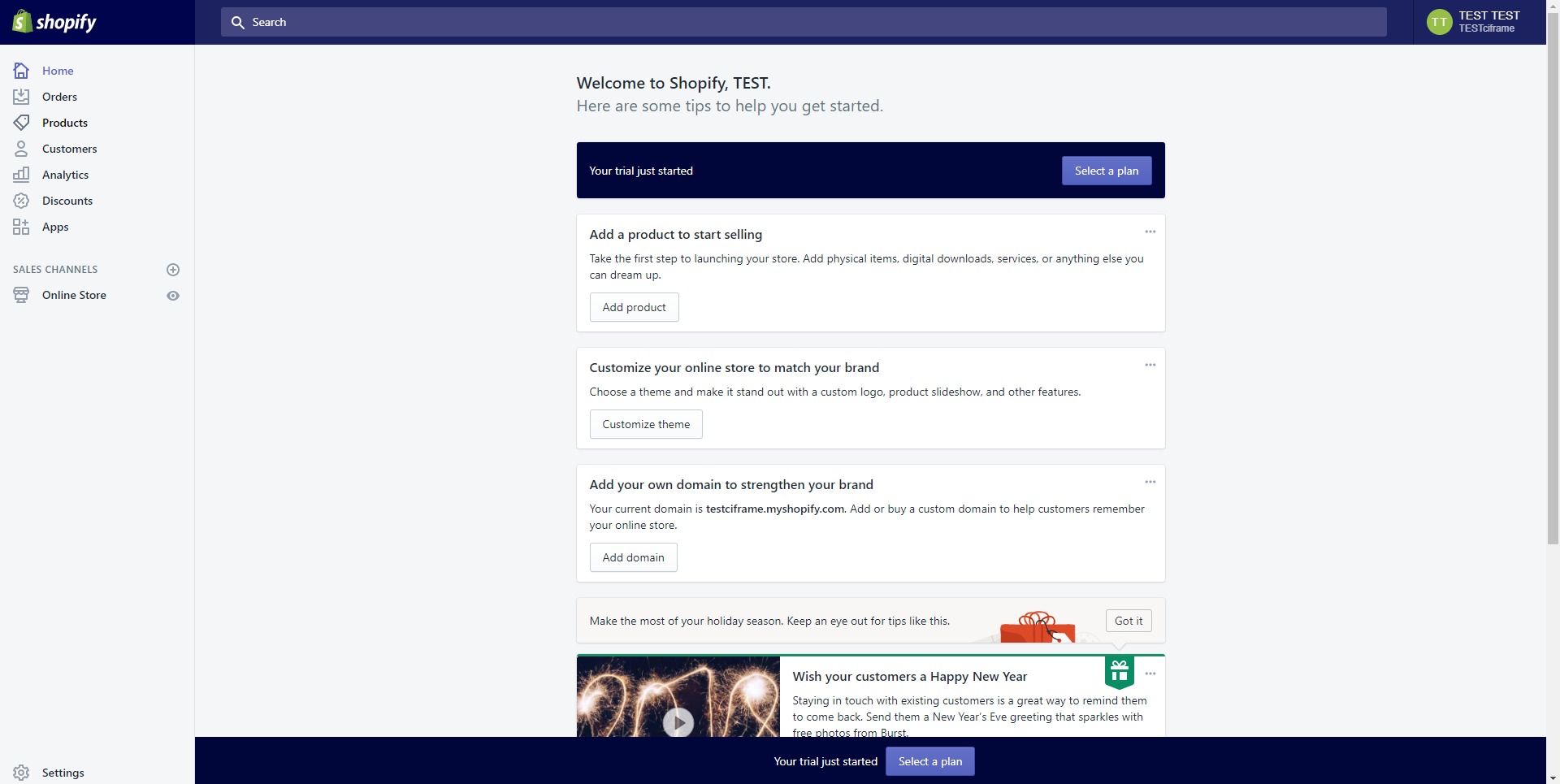
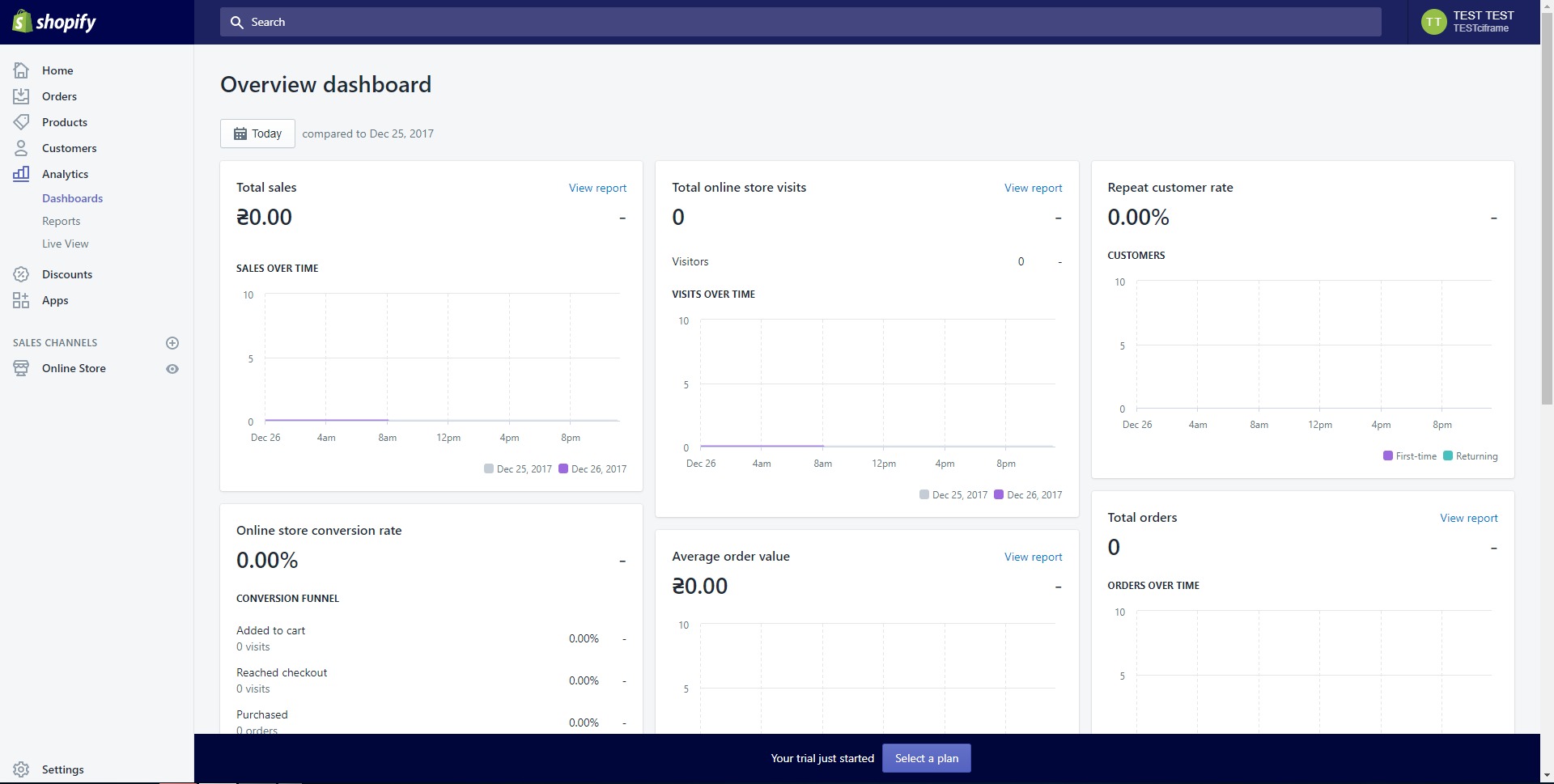
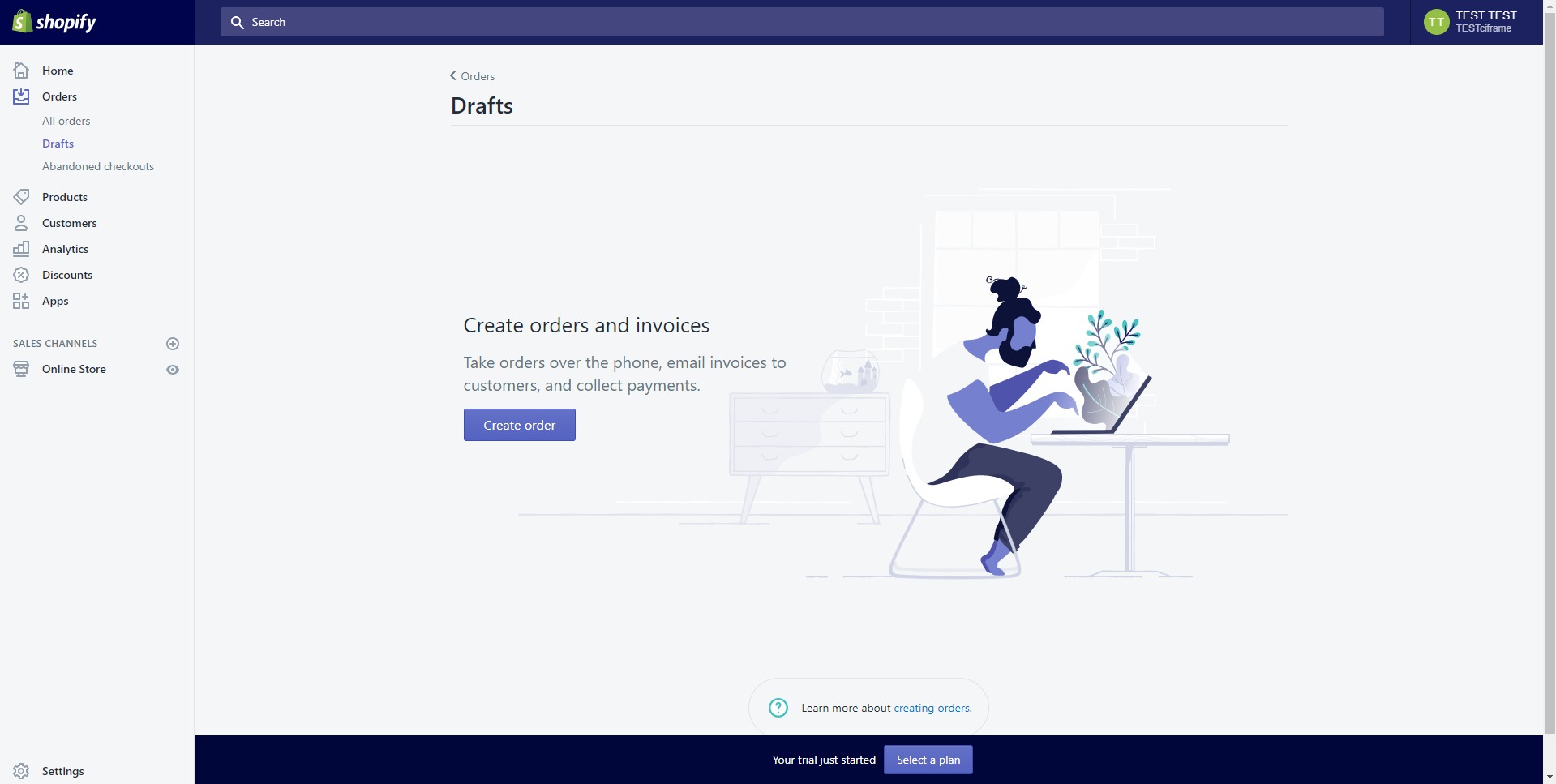
Shopify’s interface is designed for non-technical users while remaining powerful enough for experienced teams. The admin dashboard is structured around clear workflows such as products, orders, customers, and analytics. Most actions are accessible through guided settings rather than configuration files or manual deployments.
For developers and advanced users, Shopify provides APIs and customization options that extend beyond the visual interface. This dual-layer experience allows collaboration between founders, marketers, and technical teams without friction. Overall, Shopify prioritizes clarity, reliability, and scalability, making it a practical choice for businesses that want commerce operations to be predictable rather than experimental.
2026-08-07 18:47:07: What is Shop? | Shopping designed around you Youtube
2026-07-17 17:45:12: This is life on Shopify. Youtube
2026-07-13 16:26:36: Talk to Sidekick on your Apple Watch Youtube
2026-07-06 17:55:08: Edit your store in the Shopify app Youtube
2026-07-02 15:17:09: Meet your store’s new AI assistant. Youtube
2026-06-26 16:10:31: Level up your product photos Youtube
2026-06-23 17:17:14: Shopping that understands you Youtube
2026-06-22 16:06:28: What’s new with Sidekick? Youtube
2026-06-18 16:02:53: Meet our new all-in-one POS device. Youtube
2026-06-17 18:01:00: Your marketing, automated Youtube
2023-04-06 20:24:20: hi. say it backTwitter
2023-03-29 22:01:58: three more "cha-chings" and we can all log off for the dayTwitter
2023-03-29 04:18:33: nope, just a bunch of tools to help you grow your business 🛍️Twitter
2023-03-29 04:18:32: “why? because she’s brought a ludicrously capacious bag. what’s even in there, huh? flat shoes for the subway? her lunch pail? i mean, greg, it’s monstrous. it’s gargantuan. you could take it camping. you could slide it across the floor after a bank job.” https://t.co/ETbHhFaM6ATwitter
2023-03-28 19:23:25: reasons you should NOT start a business:
you’ll get to make your own schedule
you’ll love your work too much
you’ll never want to go back to a 9-5 again
you might become too successfulTwitter
2023-03-27 18:24:33: build some stairs to help this order reach its cartTwitter
Shopify Alternatives




Shopify Integrations

























































Shopify. Implementation & Enablement

Shopagram
Implementation Partner: Premium
CiFrame Ltd.
Shopagram is an additional point for receiving orders in the Telegram messenger based on the information of your main Shopify online store. The application is good to use for stores that use Telegram as an additional communication channel with their customers or conduct active advertising campaigns in Telegram groups. WHY DO YOU NEED SHOPAGRAM APP? The application Shopagram is an additional channel for selling your products based on the data of the products from your Shopify store Based on the...
CiFrame Starter Stores – Ready-to-Launch Shopify Stores
Implementation Partner: Premium
CiFrame Ltd.
Ci Frame Starter Stores is a service of ready-to-launch online stores built on Shopify. The solution enables fast entry into e-commerce without building from scratch by using a pre-configured store structure, design, and core business logic. Users receive a fully set up Shopify store with ready-made pages, categories, and UX, significantly reducing time to market. Instead of a long development cycle, a store can be launched in 1–2 days — simply add products, connect payments, and start selling....
Shopify Store Setup and Automation
Implementation Partner: Premium
ProcessPilot
Shopify setup and integration with CRM, ERP, inventory systems, marketplaces, shipping services, and other business tools. We automate orders, customers, products, stock updates, and daily e-commerce operations.
Are you an Implementation Partner
This platform doesn’t offer implementation services directly.
Businesses work with independent Implementation Partners for setup, integrations, customization, consulting, and ongoing support.
If you help clients implement or extend this platform, you can list your expertise here and get discovered by teams looking for help.
Add your Implementation Services