Issuetrak
Languages:
English
Localization:
World

What is Issuetrak and what does it help teams manage?
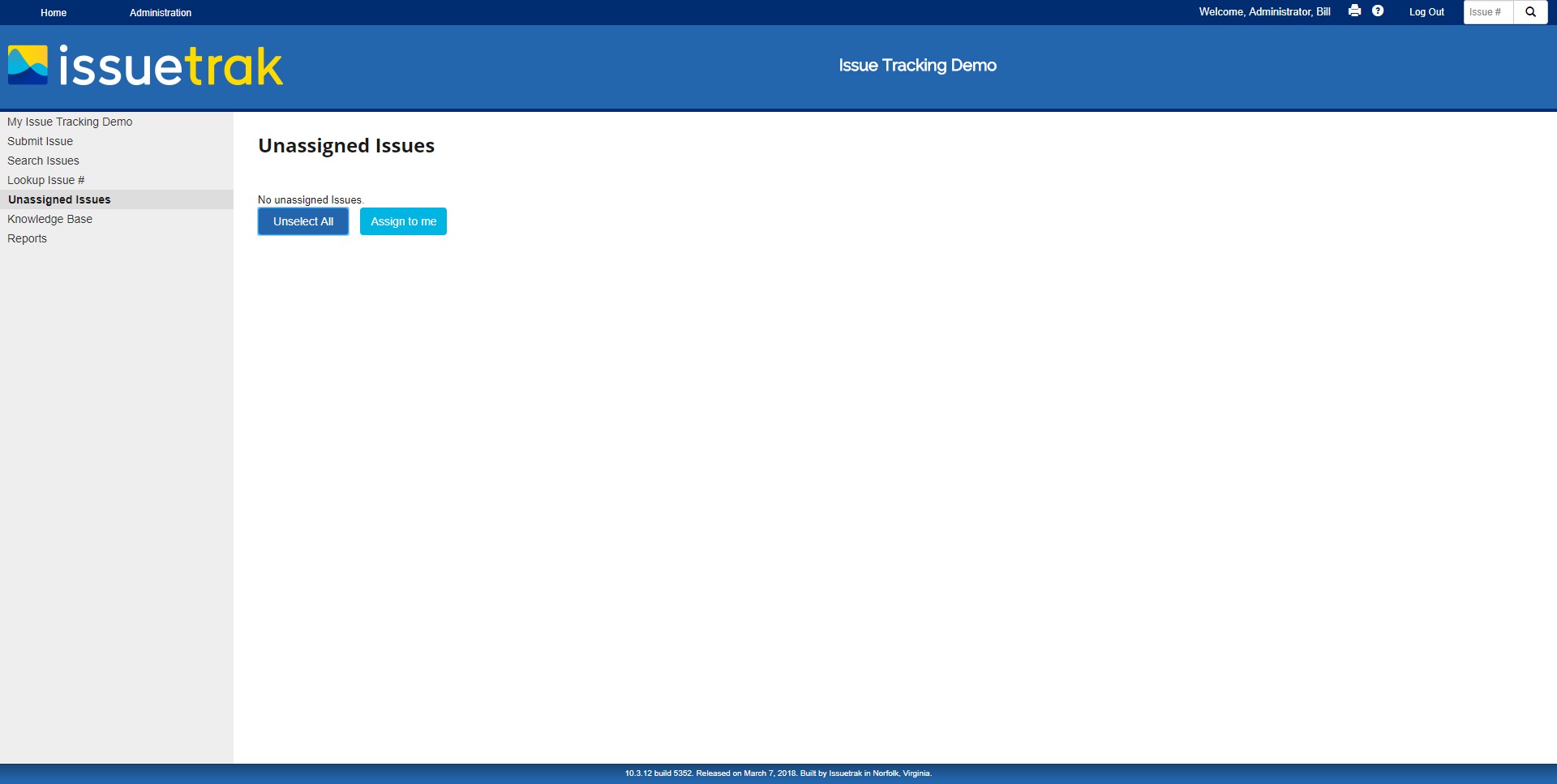
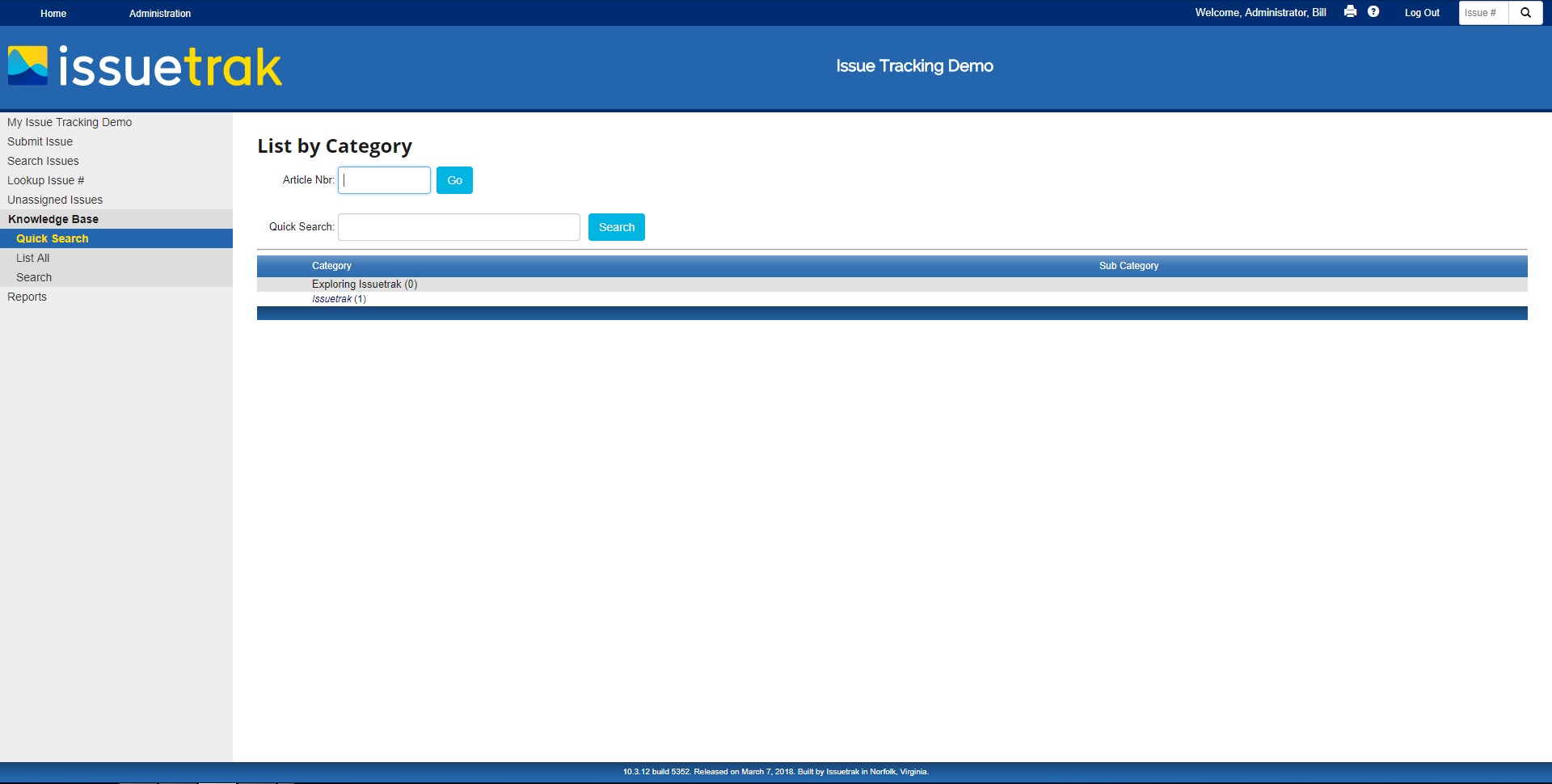
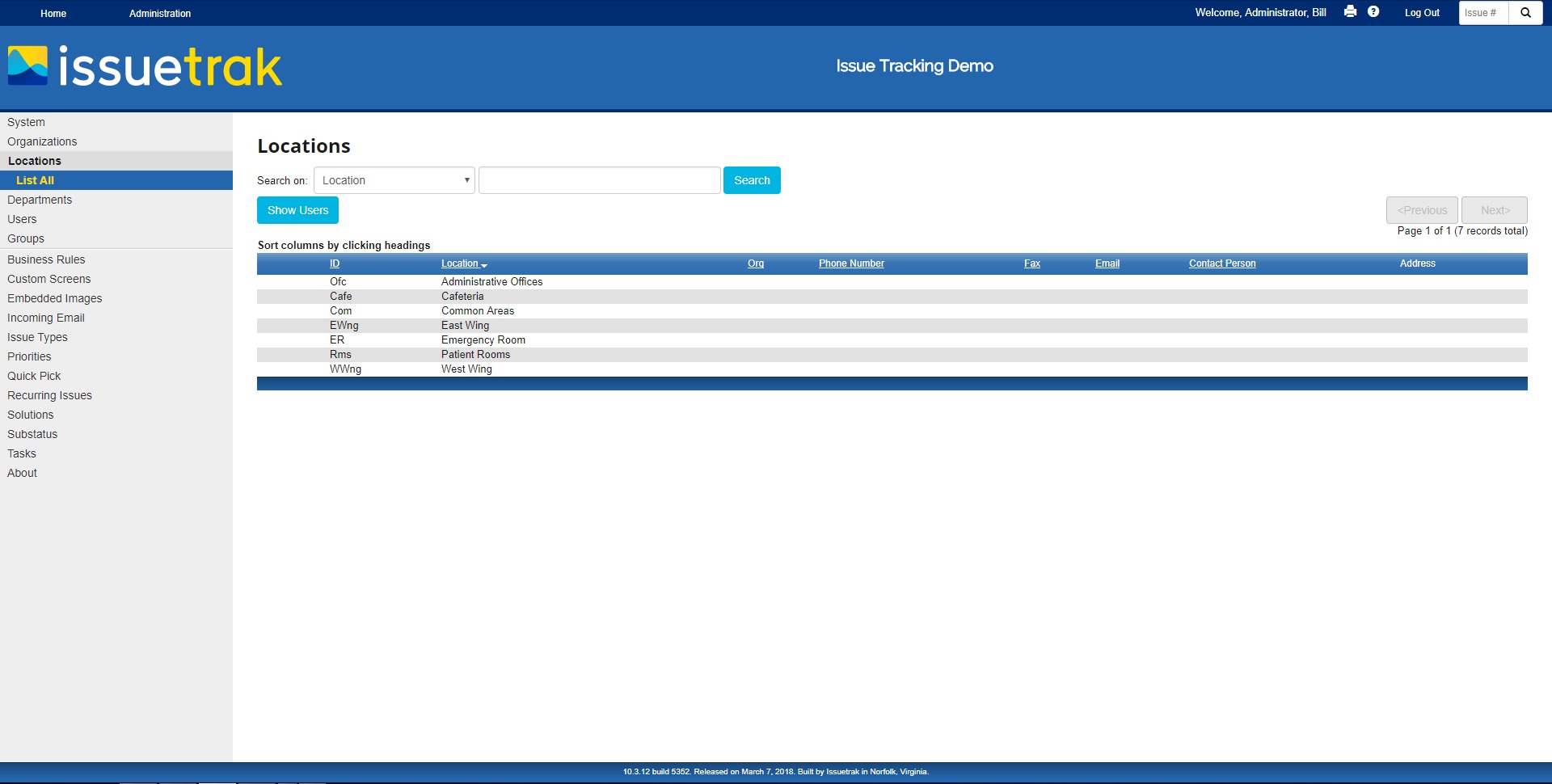
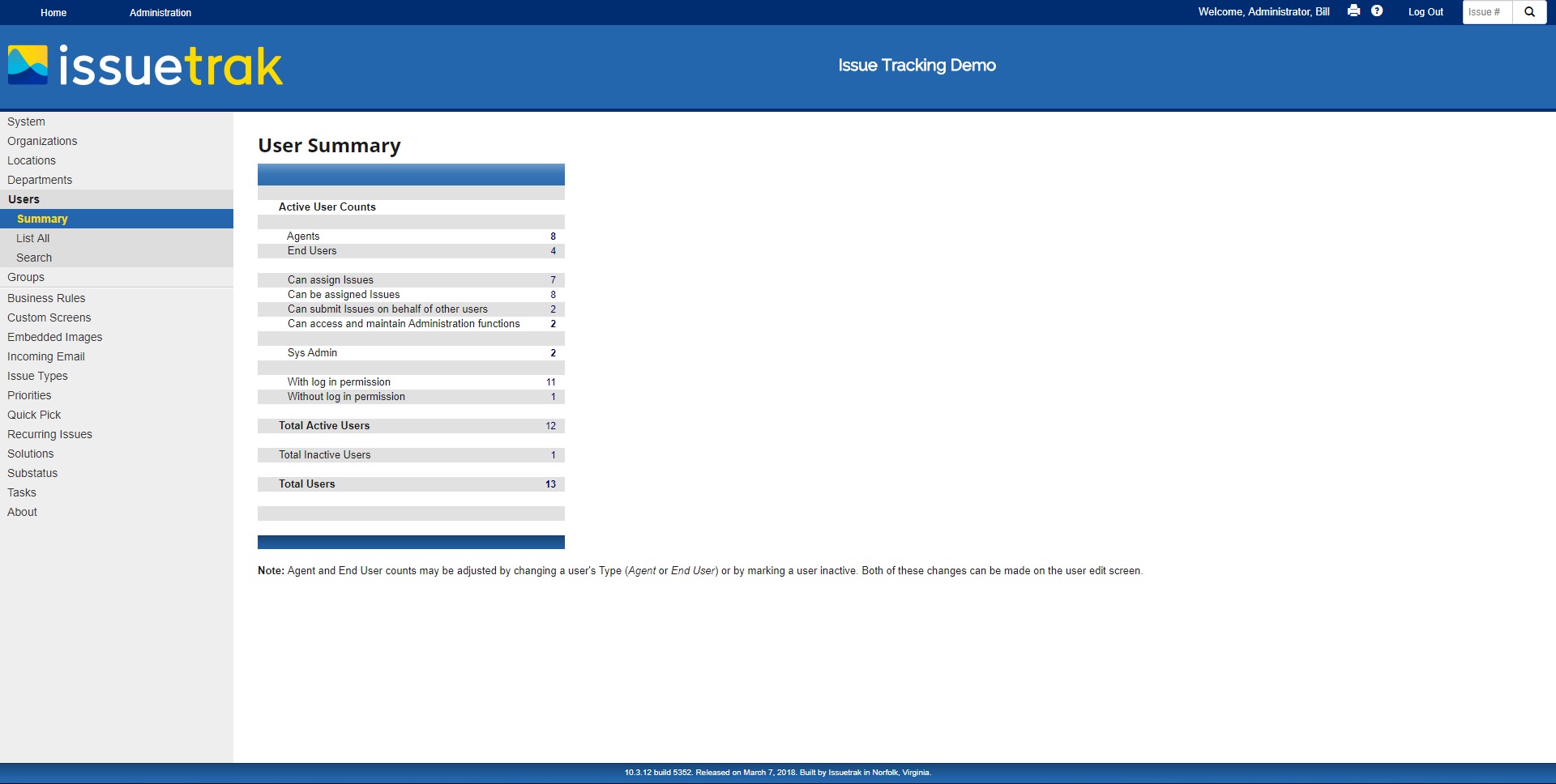
Issuetrak is an issue tracking and customer support platform built to replace scattered spreadsheets, email chains, and disconnected request handling with one structured system. The product is positioned around help desk operations, customer support, complaint management, work orders, and broader workflow automation. Its message is fairly clear: bring every request into one hub, route it properly, track accountability, and resolve it faster with less operational clutter. The platform is used by service-driven organizations including manufacturers, financial institutions, healthcare teams, property managers, government agencies, and other operations-heavy environments. It is available in both cloud and on-premises deployments, which makes it relevant for teams that need more control over hosting or compliance.
Which core features make Issuetrak useful?
- Centralized ticket and issue management
Issuetrak gives teams a single place to capture and manage complaints, requests, internal service tickets, maintenance items, and other operational issues. This centralization reduces lost requests and makes ownership easier to track. - Custom workflows without heavy complexity
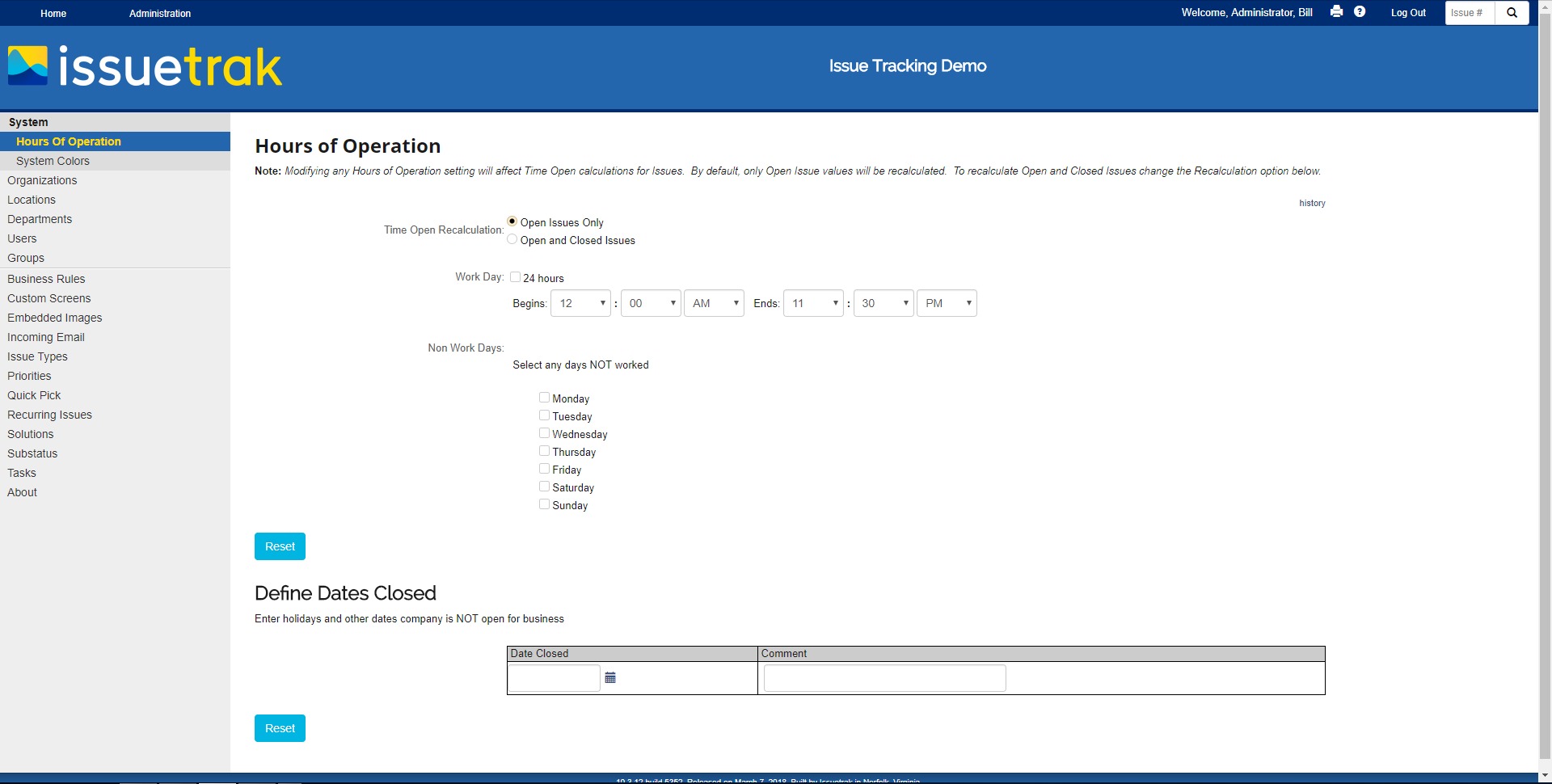
A major strength of the platform is configurability for non-developer teams. Organizations can adapt forms, routing logic, issue types, and business processes to match how they actually work instead of bending their operations around a rigid tool. - Automation and task management
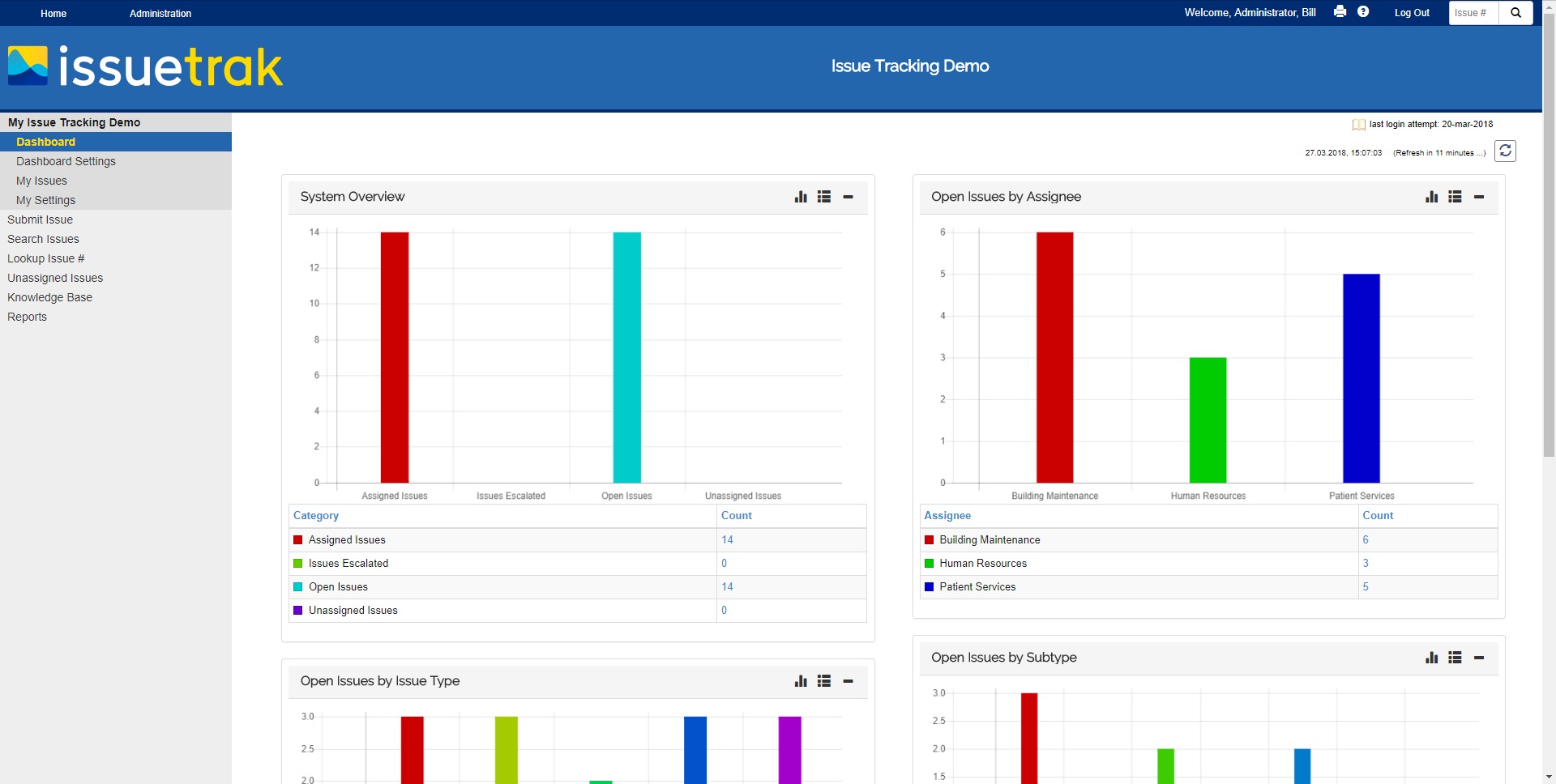
Issuetrak includes automation features such as auto-assignment and a Task Manager for building process flows. Teams can create branching tasks and structured actions around a ticket, which helps standardize resolution steps and reduce manual coordination. - Reporting and visibility
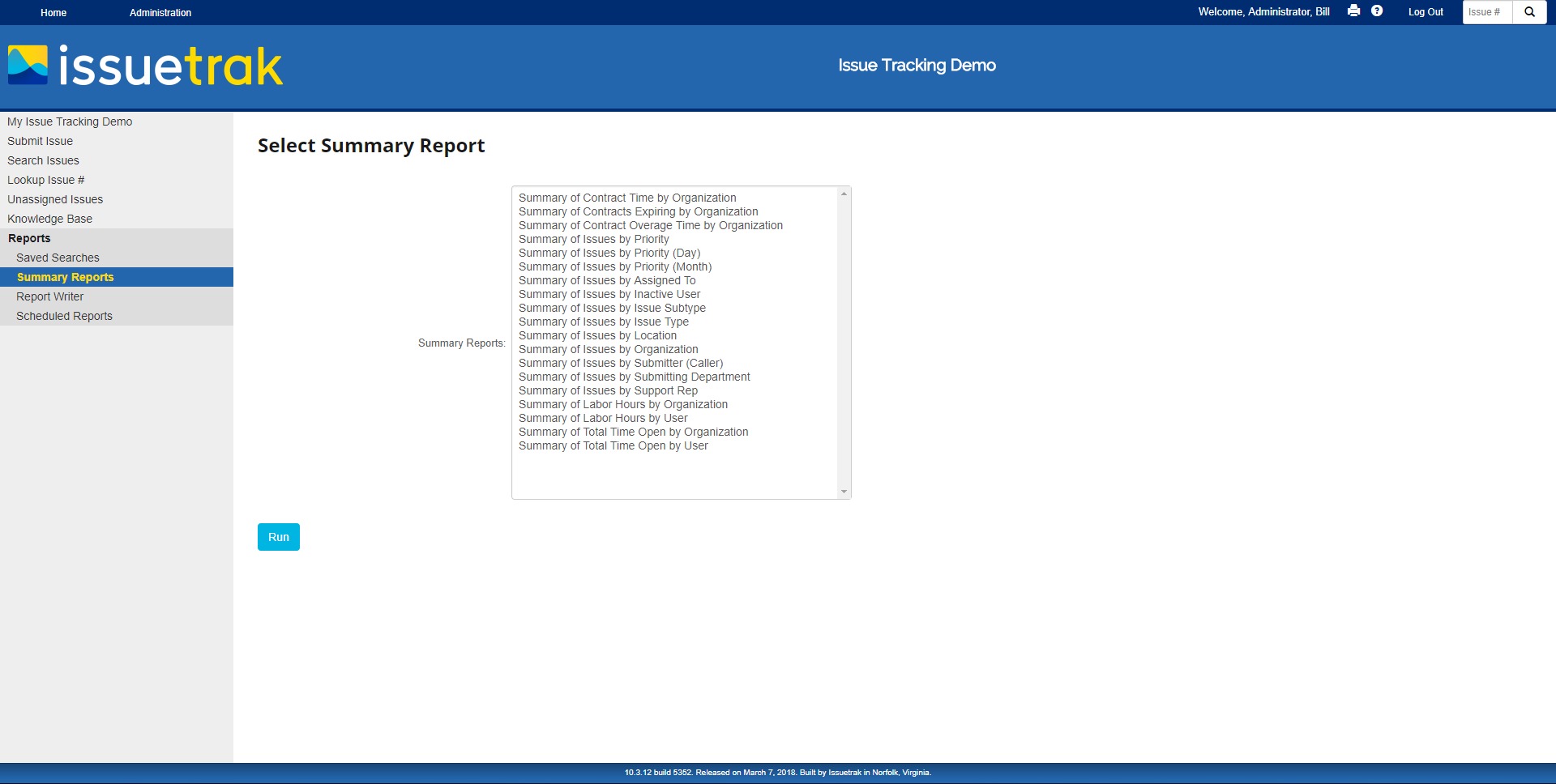
The platform supports custom reporting, filtered views, and scheduled reports, which makes it easier for managers to spot recurring issues, monitor workload, and identify bottlenecks before they become chronic. - Submission and communication tools
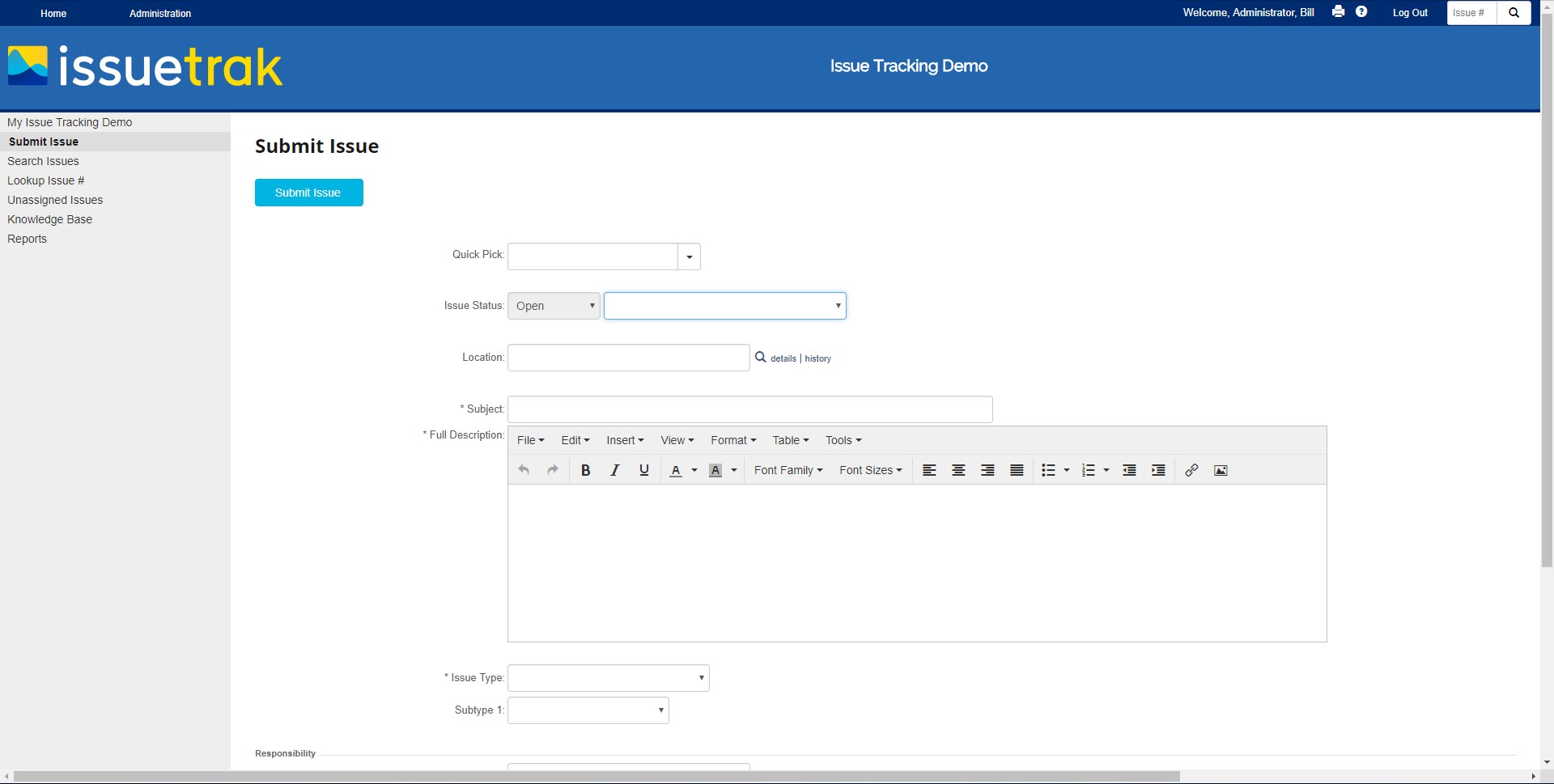
Issuetrak is designed to support multiple ways of submitting issues and keeping users informed during the resolution process. That matters for companies trying to make support feel structured rather than improvised.
Where does Issuetrak fit best in real business use?
Issuetrak fits best in organizations that have repeatable service workflows but do not want the overhead of overly technical systems. It is well suited for internal help desks, customer support teams, complaint handling, quality and compliance workflows, maintenance coordination, and multi-department request management. The product appears especially strong for operational environments where issues are not only “IT tickets” but also process exceptions, service incidents, return requests, warranty handling, or cross-team work items. Issuetrak also leans into industries where accountability, auditability, and predictable handling matter more than flashy interface trends.
What benefits does Issuetrak offer to a growing team?
The biggest benefit is operational order. Issuetrak helps teams move from reactive support to managed workflow. Instead of requests living in inboxes and memory, they become trackable objects with status, ownership, priority, and defined next actions. That usually improves response consistency and reduces the classic support black hole where nobody knows who is supposed to do what next.
Another advantage is deployment flexibility. Many SaaS tools quietly force one hosting model, while Issuetrak offers both cloud and on-premises options, and the company states that migration between the two is supported. It also highlights unlimited free users alongside agent-based pricing, plus all features available across tiers rather than hidden behind aggressive feature gating. That makes the product easier to model financially for organizations with many request submitters but a smaller service team.
There is also a strong support angle in the vendor positioning. Issuetrak emphasizes a dedicated account manager, 24/7 support, and fast response handling, which can matter for businesses that want not just software, but a vendor relationship that feels more hands-on.
What is the user experience like?
The user experience appears to be aimed at practical teams rather than technical purists. Issuetrak presents itself as more approachable than developer-centric platforms, with customization that business users and operations managers can handle without deep technical effort. The product seems less about visual fireworks and more about clarity, process control, and steady execution. That makes it attractive for organizations that need a dependable operations engine rather than a shiny dashboard toy. In plain terms, Issuetrak looks like a serious workflow workhorse: not glamorous, but useful where structure, traceability, and follow-through actually pay the bills.
2026-04-14 18:54:47: Top Product Features for Issue Tracking: Issuetrak Essentials! Youtube
2025-12-19 22:00:33: Unlocking Uptime: See Issuetrak's Workflow Automation for Manufacturing Service Youtube
2025-12-08 22:05:34: A User-Friendly Alternative to Complex Jira Setups | Issuetrak Youtube
2025-11-14 21:28:45: Stop Losing $$ on Service Delays | Complaint Tracking for Manufacturing Uptime Youtube
2025-11-07 21:00:34: The $1M Risk: Why Your New EV Plant Needs Proactive Work Order Tracking Youtube
2025-10-20 15:40:49: Ford's $1B hit: the hidden cost of facility issues Youtube
2025-09-24 14:45:02: VA Governor Increases Nursing Home Oversight | Issuetrak Complaint Management Youtube
2025-06-26 19:36:33: COMING SOON Issuetrak Açılış Saatleri Youtube
2025-06-17 13:30:01: IT Help Desk - Demo of Issuetrak with Tony Youtube
2025-06-16 16:45:01: Why You SHOULD Talk To a Sales Person Before A Purchase | Issuetrak Youtube
2023-04-06 18:01:26: The joy of hybrid work means that we all enjoy different views on our walks! From lakes to beaches, walking pads to downtown cityscapes, our team finds time to move! https://t.co/nz0HhFDEDtTwitter
2023-04-05 21:25:20: After 3 years of separation anxiety, we’re ecstatic to have office time together again. https://t.co/tLMYIAo9xrTwitter
2023-04-03 18:05:09: This is no April Fools Day prank! This is what unparalleled customer support looks like: calls answered in seconds and satisfaction scores consistently above 97% month after month! #AprilFoolsDay #CX #CSAT https://t.co/5fCdNuEFBrTwitter
2023-04-01 18:07:19: Setting up at our new headquarters in Virginia Beach has its own competition! Happy April Fools! From, Issuetrak. https://t.co/wWJuWIAK9aTwitter
2023-03-30 18:35:00: Receiving your feedback always puts a spring in our step!
#CustomerSatisfaction #CSAT #TechnicalSupport https://t.co/R9bfBp8FtBTwitter
2023-03-29 21:03:18: While we've enjoyed our time in Norfolk, we're excited for our new space in Virginia Beach! https://t.co/ec4hntAjVlTwitter
2023-03-28 18:01:01: Go-getters wanted! We’re looking for a TSA with an enthusiastic personality to join our team! Use your exceptional customer service and technical skills to assist our current and prospective customers. Apply at https://t.co/E3NKwP20GE now! https://t.co/iK6uA1vDV8Twitter
2023-03-24 17:10:14: The many faces of a humble help desk! Spare yourself the headache of manually fielding every request by switching to help desk software. https://t.co/kWOYEHH0vKTwitter
2023-03-23 20:04:15: Leave questions and comments here. We'll hold a Q&A at the end of the demo!Twitter
2023-03-23 20:00:35: Live Demo: Complaint Management for Healthcare https://t.co/5oOwWbeyGdTwitter
Issuetrak Alternatives