Asana
Languages:
Deutsch
English
Español
Français
Bahasa Indonesia
Italiana
日本語
한국어
Netherlands
Polski
Portuguese
Русский
Svenska
简体中文
Localization:
World

What is Asana and how does it work?
Asana is a cloud-based work management platform designed to help teams organize, track, and execute work in a structured and transparent way. It replaces fragmented workflows built around emails, spreadsheets, and chat messages with a single system where tasks, projects, timelines, and responsibilities are clearly defined.
At its core, Asana focuses on visibility and accountability. Every task has an owner, a due date, and a clear place within a project. Teams can see what is being worked on, what is blocked, and what is coming next. As work evolves, Asana adapts through flexible project views, automation rules, and reporting tools that scale from small teams to complex, multi-department organizations. The platform is widely used across marketing, product development, operations, IT, and professional services, especially in environments where coordination and delivery speed matter.
What are the key features of Asana?
-
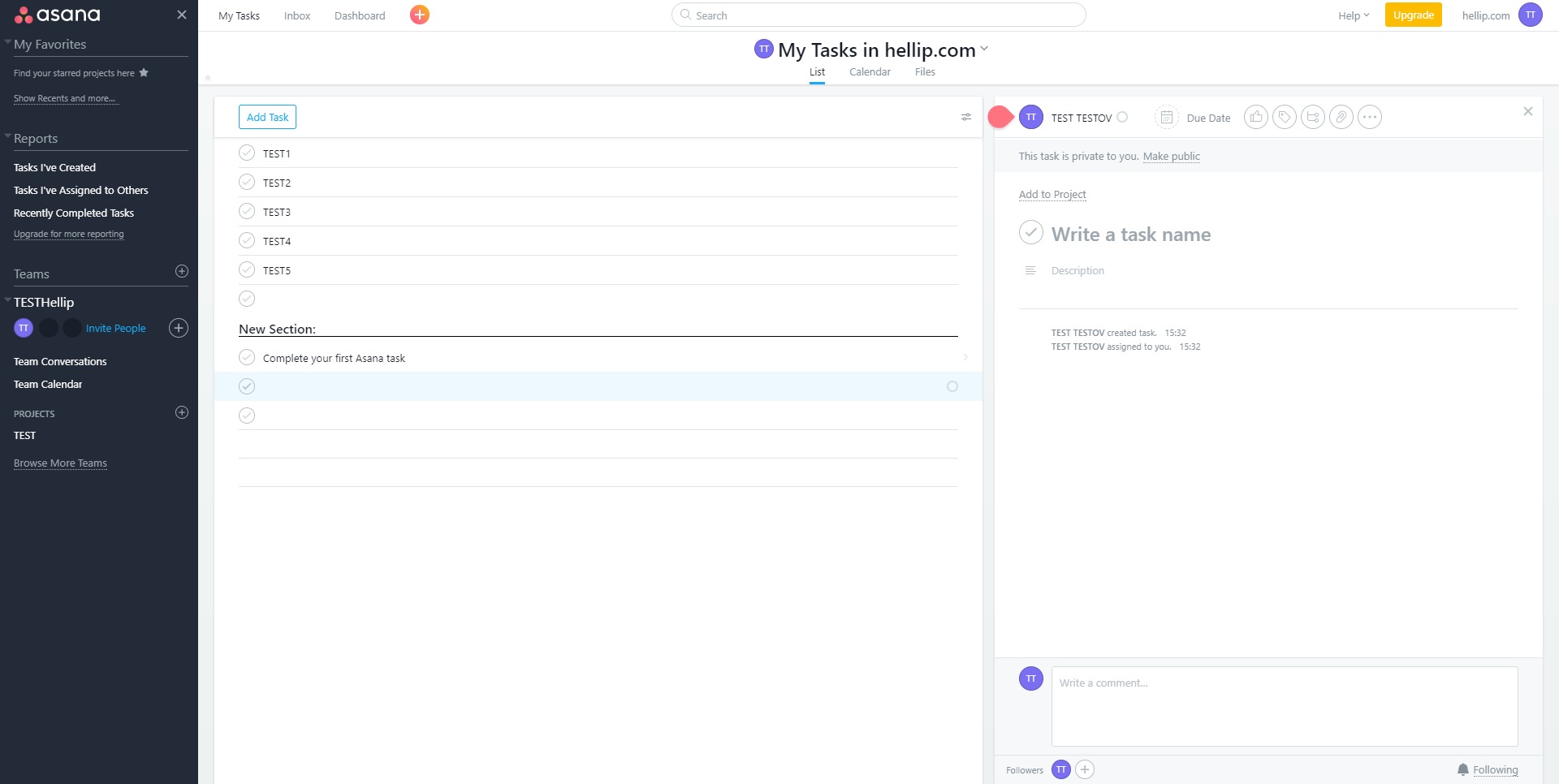
Task and Project Management
Tasks can be created with descriptions, due dates, assignees, priorities, and subtasks. Projects group related work and provide structure without forcing rigid methodologies. -
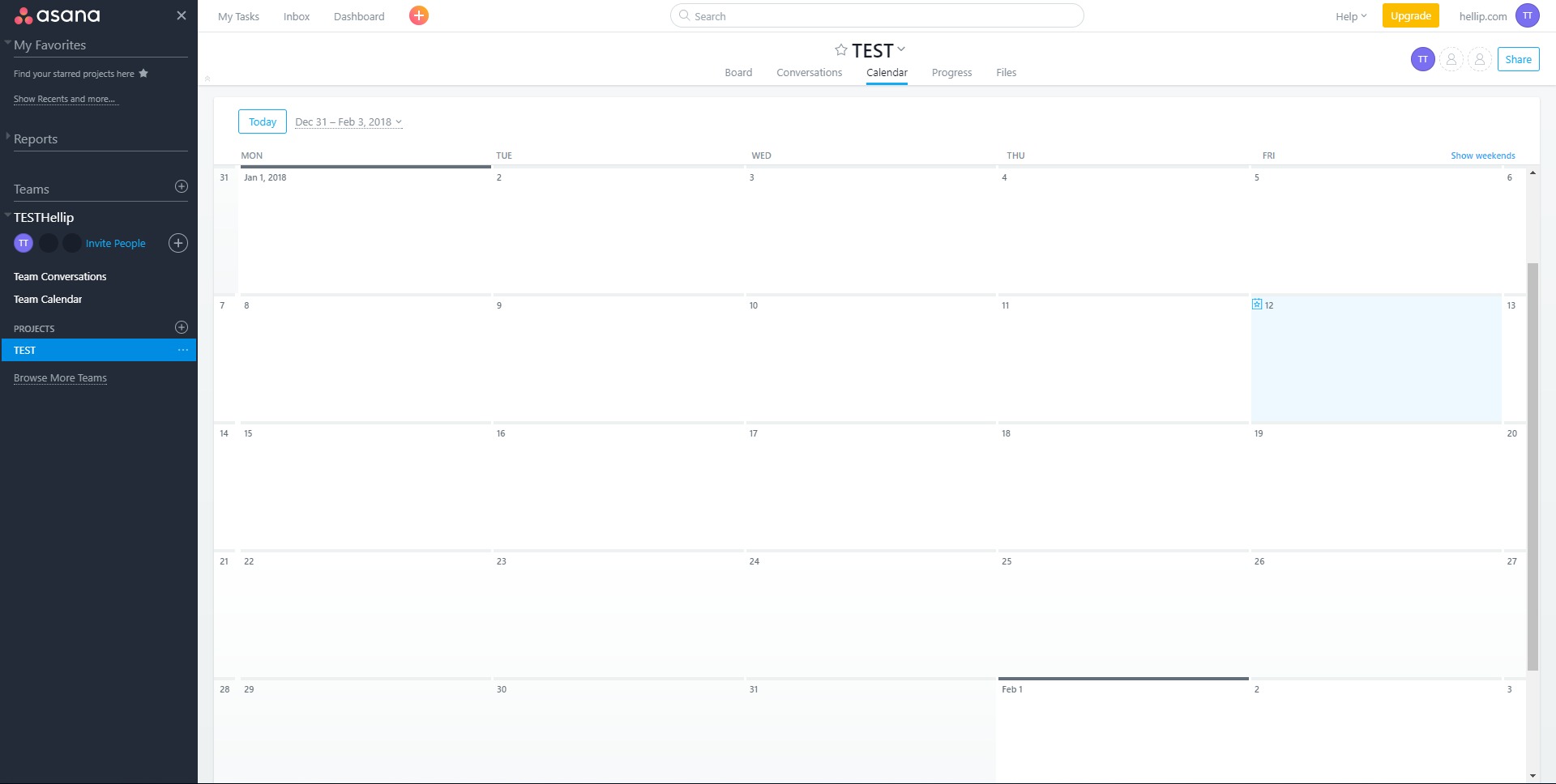
Multiple Work Views
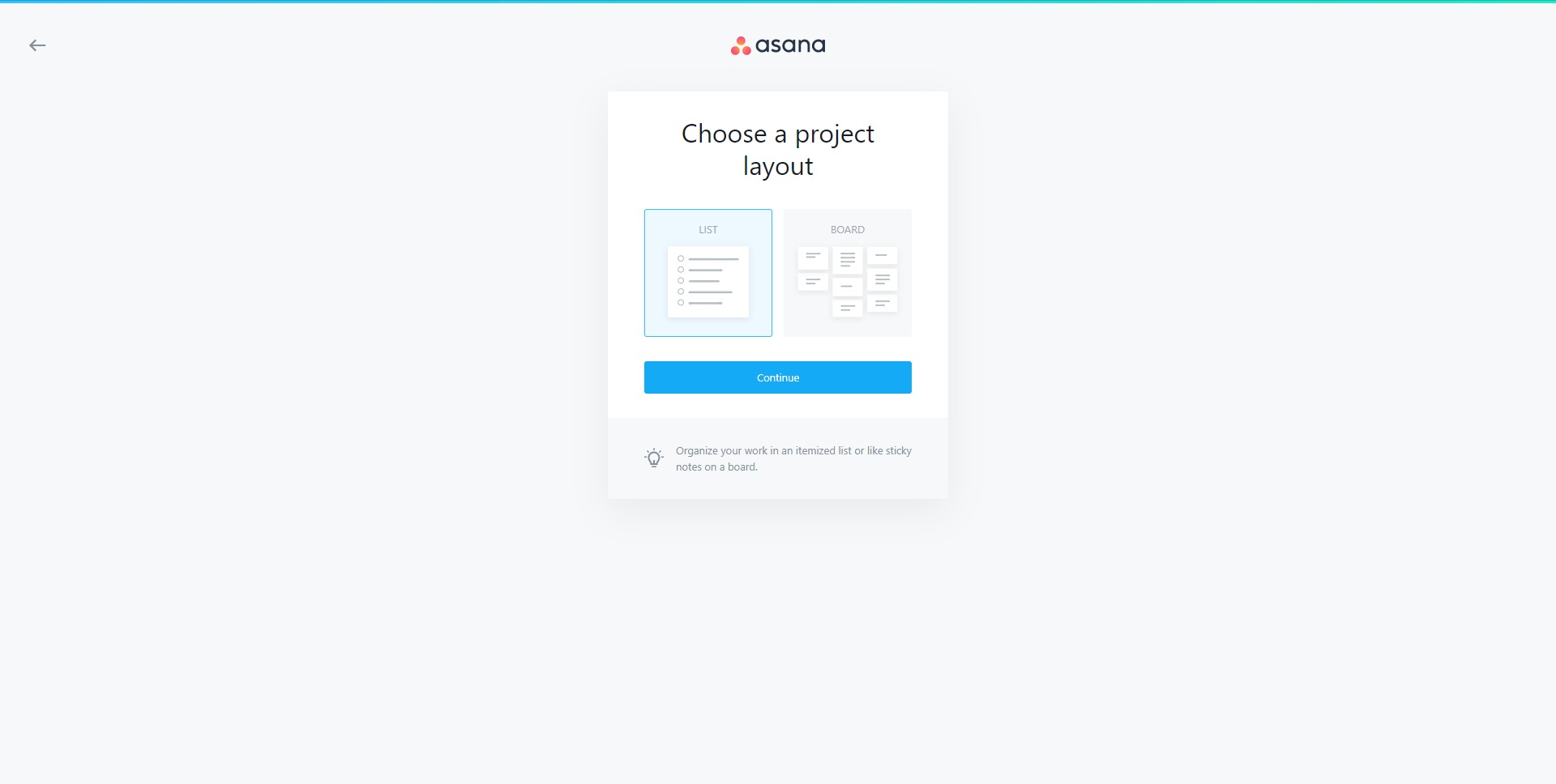
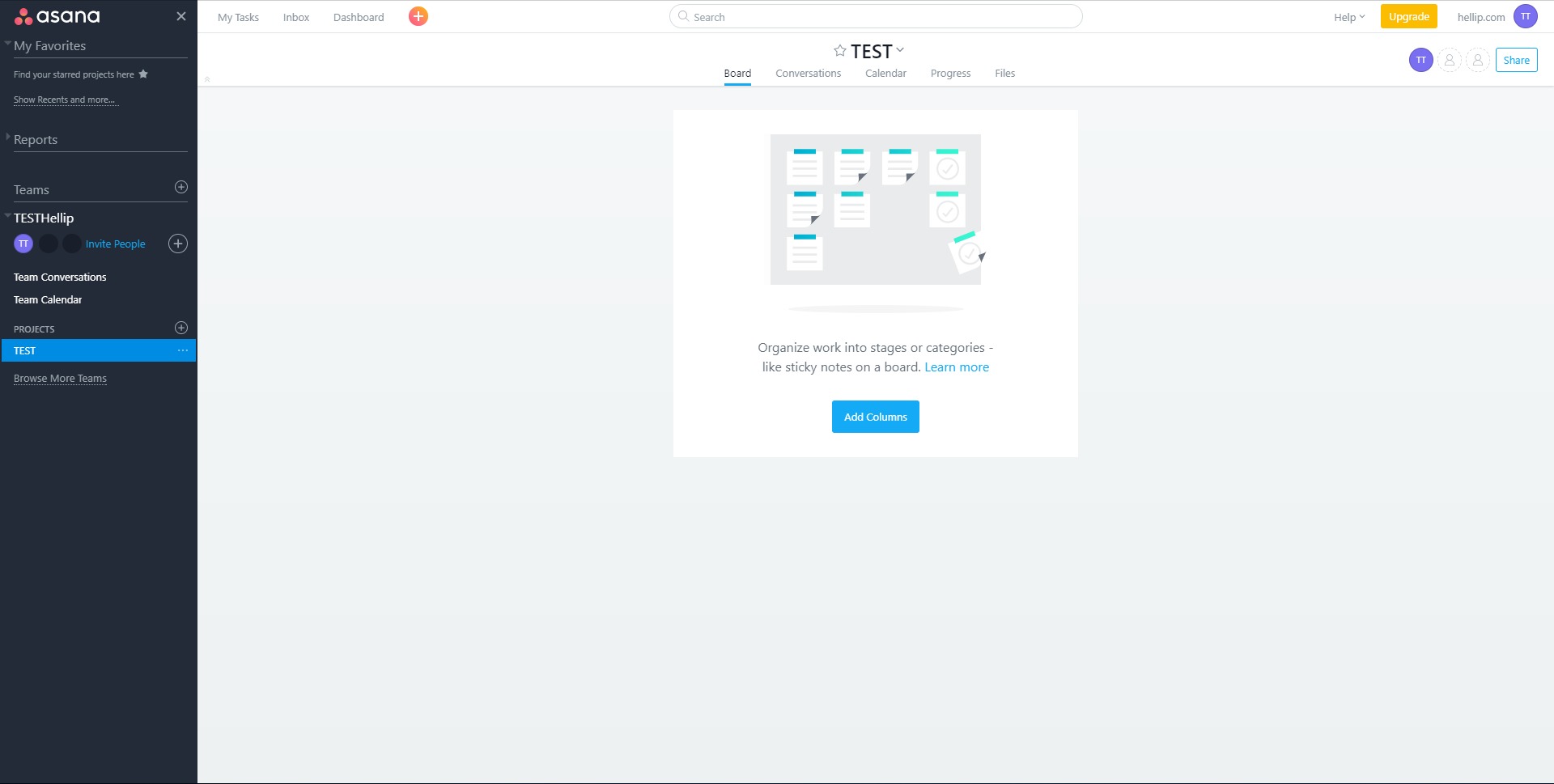
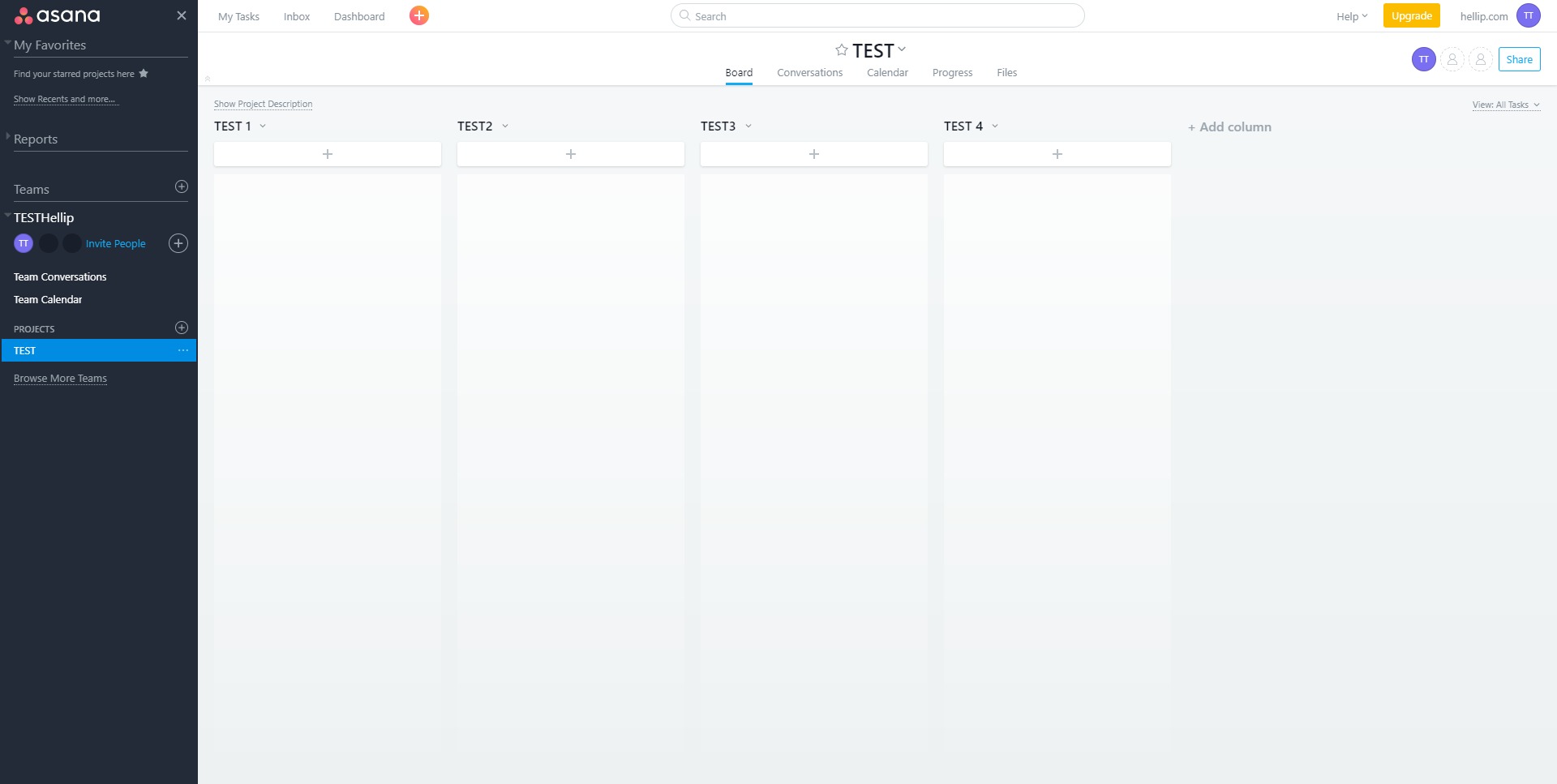
Work can be viewed as lists, Kanban-style boards, calendars, or timelines. This allows teams to choose the format that best matches their workflow and planning style. -
Workflow Automation
Automation rules reduce manual coordination by triggering actions based on task changes, such as reassignments, status updates, or notifications. -
Dependencies and Milestones
Task dependencies and milestones help teams understand sequencing and critical paths, reducing delays caused by hidden blockers. -
Goals and Progress Tracking
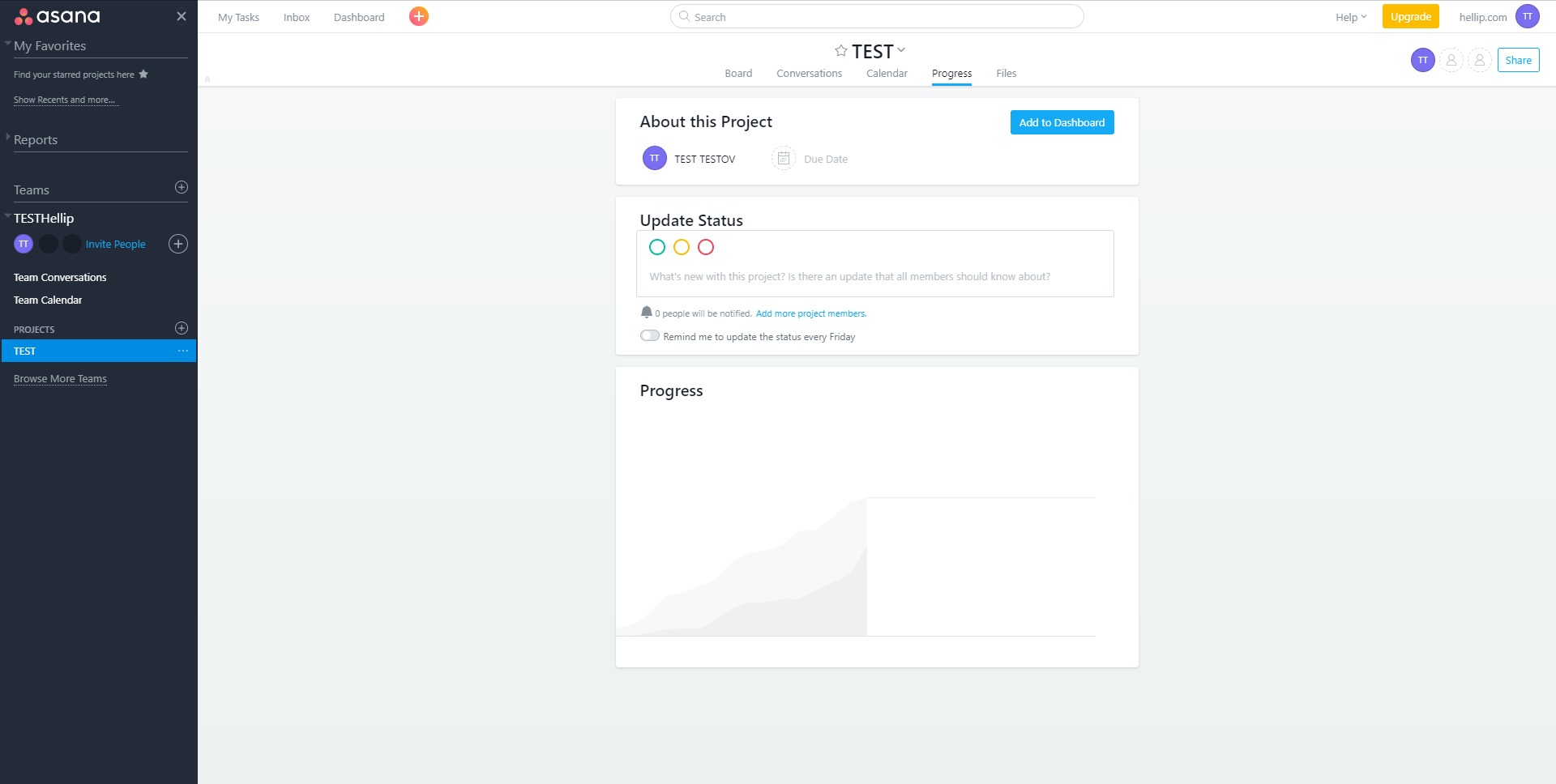
Asana links daily work to higher-level goals, allowing teams to track progress and understand how individual tasks contribute to strategic outcomes. -
Reporting and Dashboards
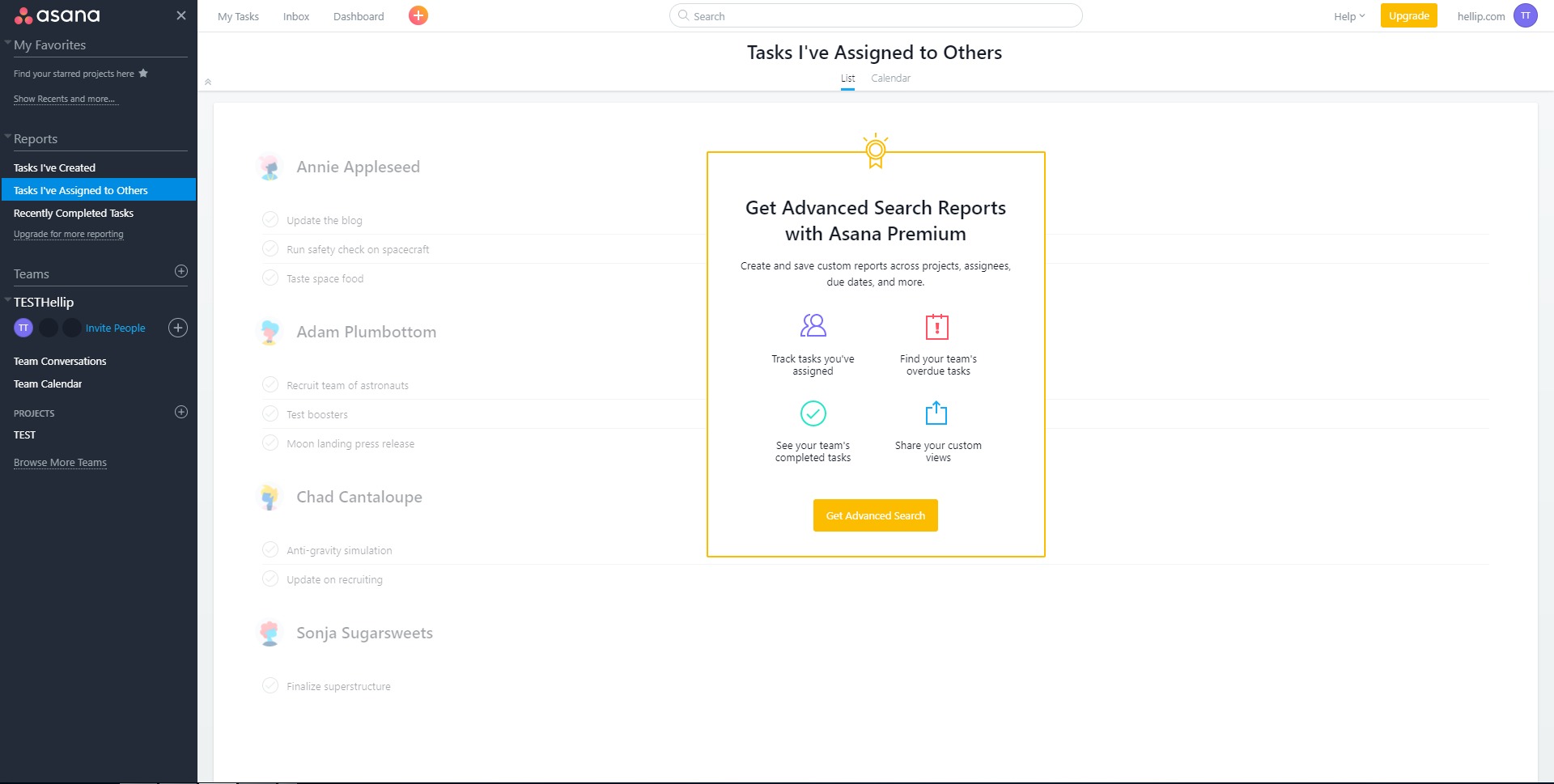
Custom dashboards provide real-time insight into workload, deadlines, and project health without manual status reporting. -
Integrations and Connectivity
Asana connects with common workplace tools, enabling updates and files to flow into projects without context switching.
What problems does Asana solve for teams?
-
Project Planning and Delivery
Teams use Asana to plan projects, define scope, assign ownership, and track execution from start to finish. -
Cross-Team Collaboration
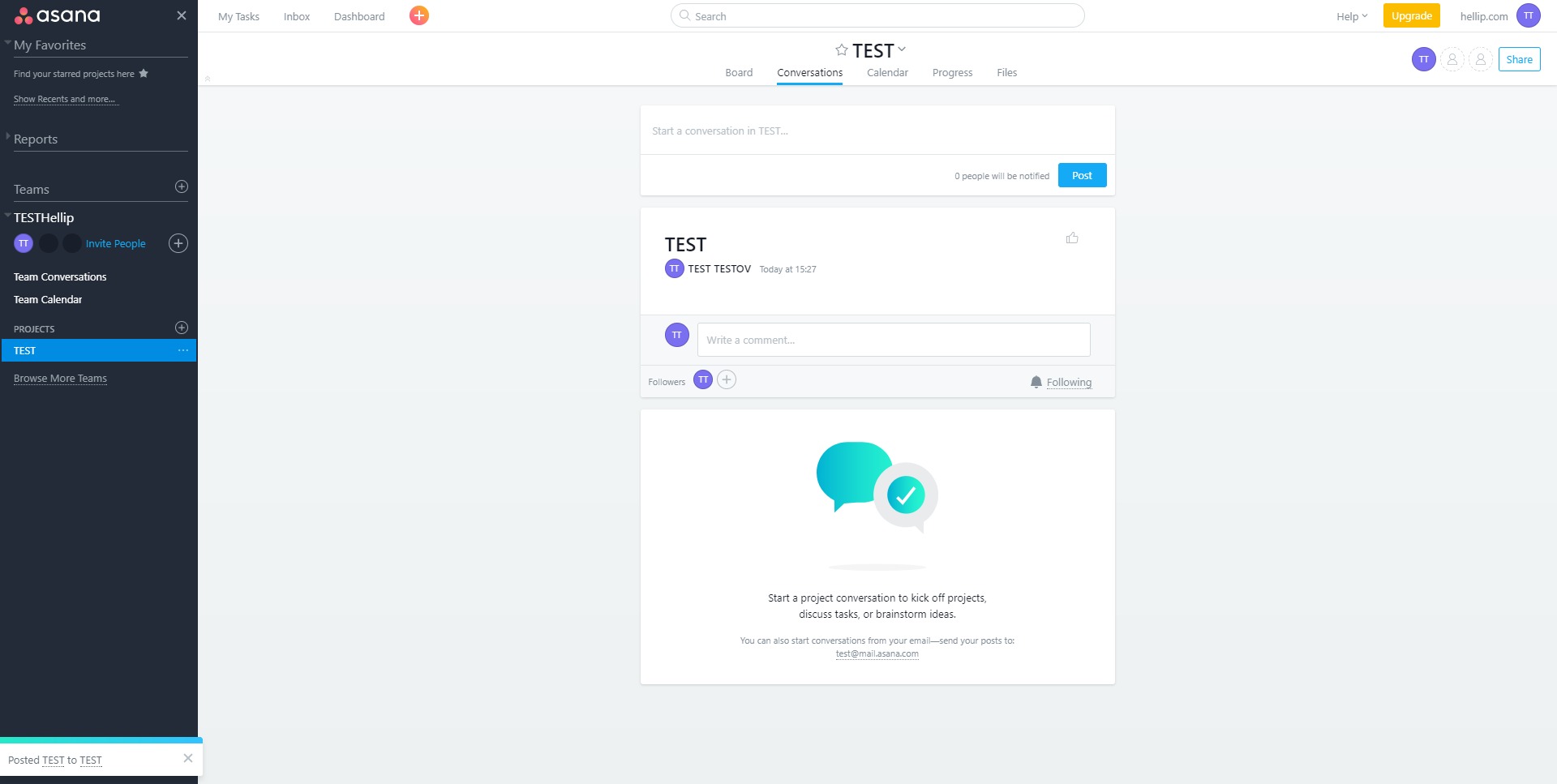
Departments coordinate shared initiatives without losing visibility or duplicating work across tools. -
Operational Process Management
Recurring workflows such as onboarding, content production, or incident handling can be standardized and automated. -
Marketing and Campaign Execution
Marketing teams manage campaigns, assets, deadlines, and approvals in one place, improving delivery predictability. -
Product and Engineering Coordination
Product teams track initiatives, roadmaps, and dependencies while maintaining alignment with business priorities.
Why do teams choose Asana?
Asana provides clarity at scale. Instead of relying on status meetings and follow-ups, teams get real-time visibility into work progress. This reduces misalignment, improves accountability, and shortens delivery cycles. The platform is flexible enough for lightweight task tracking while offering advanced planning tools for complex initiatives.
Another key advantage is adaptability. Asana does not force a single methodology, making it suitable for Agile, hybrid, or traditional workflows. Teams can start simple and gradually adopt more advanced features as their needs grow. For managers and leaders, Asana offers reliable insight into execution without micromanagement, helping decisions be based on data rather than assumptions.
What is it like to use Asana day to day?
Asana is designed to be intuitive for everyday use while remaining powerful under the hood. Creating tasks and updating progress is straightforward, which encourages consistent adoption across teams. Visual indicators, notifications, and reminders help users stay focused without overwhelming them.
For experienced users, advanced features such as automation rules, timelines, and reporting unlock significant efficiency gains. While there can be a learning curve when setting up complex workflows, the payoff is reduced operational friction and clearer execution over time. Asana works equally well for individual contributors managing daily tasks and for leaders overseeing multiple projects and teams.
2026-10-20 21:39:11: Intro to Asana Service Management: One AI-native ESM for IT, HR, Facilities, and Legal Youtube
2026-10-20 20:11:27: Intro to Asana Client Management: Asana for Agencies and Professional Services Youtube
2026-10-19 20:41:36: Asana AI for Admins: Access, Usage and Billing Youtube
2026-10-19 20:20:22: How this agency builds every campaign from one Asana template. Youtube
2026-10-19 20:14:19: Manage your AI Teammates Youtube
2026-10-19 20:07:09: This agency had talent that outpaced their tools. Asana AI fixed that. Youtube
2026-10-13 15:00:05: Campaign reporting used to take hours—An Asana AI Teammate cut it to minutes. Youtube
2026-10-08 16:26:23: How this agency cut campaign coordination overhead by 86% with Asana AI Youtube
2026-10-07 14:15:41: How Asana AI teammates reduced our damage rate to 0.5% Youtube
2026-10-07 13:21:57: How We Ditch the Content Spreadsheets and Scaled 60% with AI Teammates Youtube
2023-04-07 19:05:00: Morningstar CIO Laura Kohl implemented a 'growth-ready strategy' to increase efficiency and evolve collaboration across their global organization.
Learn this strategy from Laura to help your business grow and scale #withAsana: https://t.co/I0Fjfej4o8 https://t.co/0pWFGeV0CQTwitter
2023-04-06 22:56:40: No time like the present to do great things, fast 🦄 https://t.co/wD9kAXYVEWTwitter
2023-04-04 20:15:15: Collaboration can connect relationships to revenue, so it's imperative to improve it to perform better as a business.
In The Workback, Harvard researcher Heidi K. Gardner reveals how to achieve ambitious business goals. Read the story: https://t.co/n6ZW9RQ2sS https://t.co/axEdMQKm5eTwitter
2023-04-03 23:38:33: When leaders recognize the different between collaboration and coordination, their teams can focus on their most important work.
The Work Innovation Lab's new playbook teaches executives how to infuse their companies with the right kind of collaboration
https://t.co/4k96UzPmSx https://t.co/8hCkc0V0UoTwitter
2023-04-03 23:15:33: https://t.co/X9hh83dq0Y https://t.co/YTeXdXH1vuTwitter
2023-04-03 19:41:21: Blobfish was in fact an April Fool's joke, but you can still see Blobby in Asana through today! Happy tasking 🫠 https://t.co/7rCtWmsSyOTwitter
2023-03-29 21:28:04: Collaborative Intelligence was the star of the show at Asana Forward 🌟
With research-backed insights from The Work Innovation Lab, we shared how leaders can use Collaborative Intelligence to improve business outcomes and drive efficiency across orgs.
https://t.co/hyI5wf03LOTwitter
2023-03-28 21:03:27: That’s a wrap on Asana Forward! Stay tuned for more insights and research coming out of The Work Innovation Lab, and even more product updates to help your organization move…forward!Twitter
2023-03-28 20:34:52: Soon with Asana Workload, leaders will be able to assess team bandwidth across programs, even ones they’re not managing. Collaborative Intelligence helps leaders make informed resourcing decisions. No other tool lets you see cross-team resource allocation in real-time like this.Twitter
2023-03-28 20:27:25: Asana’s new exec reporting capabilities give leaders a quantified look into how work is tracking from a budget and time perspective, so they can track progress and how much time, money, etc. is being spent on work. This gives them complete visibility.Twitter
Asana Alternatives




Asana Integrations







































Asana. Implementation & Enablement
Are you an Implementation Partner
This platform doesn’t offer implementation services directly.
Businesses work with independent Implementation Partners for setup, integrations, customization, consulting, and ongoing support.
If you help clients implement or extend this platform, you can list your expertise here and get discovered by teams looking for help.
Add your Implementation Services