Twitter
Languages:
Deutsch
English
Español
Français
Italiana
Portuguese
Русский
Türk
Український
Localization:
World

Twitter was rebranded into X and absorbed into a broader “everything app” strategy. The original Twitter identity was retired, while the platform itself continued under a new direction focused on payments, AI, creator tools, and broader digital infrastructure.
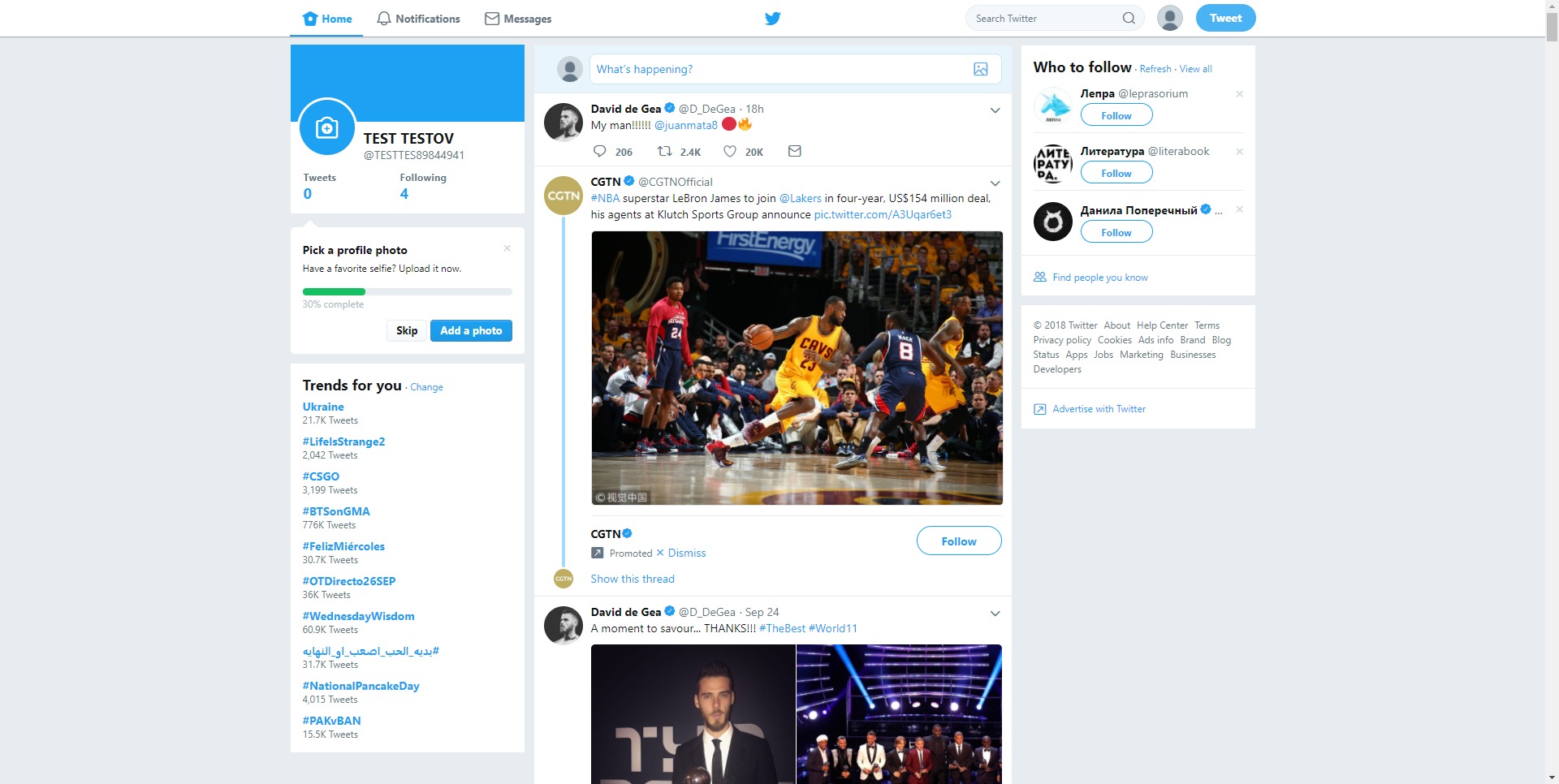
Twitter was launched in 2006 as a real-time social communication platform built around short-form public messaging. Originally centered on 140-character “tweets,” the platform evolved into a global information network used for news distribution, public discussion, citizen journalism, entertainment, politics, customer support, and community building. Its core innovation was turning status updates into a live public stream where ideas, events, and reactions could spread instantly.
Over time, Twitter introduced threads, hashtags, trending topics, Spaces (live audio), developer APIs, creator tools, ads infrastructure, and media publishing features. It became especially influential during breaking news events, elections, protests, technology discourse, and niche professional communities such as startup, crypto, and developer ecosystems.
Unlike traditional social networks focused mainly on personal connections, Twitter functioned more like a real-time public layer of the internet, where journalists, founders, governments, brands, researchers, and ordinary users interacted in one shared stream.
In 2022, after acquisition by Elon Musk, the platform began transitioning into a broader “everything app” vision, emphasizing payments, AI, creator monetization, and integrated digital services. This culminated in rebranding Twitter as X, positioning the project not only as a social network, but as a foundation for a larger digital ecosystem combining communication, commerce, and intelligence.
2023-02-08 22:00:46: more words more words more words more words more words more words more words more words more words more words more words more words more words more words more words more words more words more words more words more words more words more words more words more words more words more… https://t.co/0mcFJ1wwZKTwitter
2022-12-10 23:38:10: subscribers will be able to change their handle, display name or profile photo, but if they do they’ll temporarily lose the blue checkmark until their account is reviewed againTwitter
2022-12-10 23:38:09: when you subscribe you’ll get Edit Tweet, 1080p video uploads, reader mode, and a blue checkmark (after your account has been reviewed)Twitter
2022-10-13 23:47:08: a hit Tweet https://t.co/VGrsylXB8D https://t.co/2C7cah4KzWTwitter
2022-10-05 21:40:30: whoa, it works
now everyone can mix GIFs, videos, and images in one Tweet, available on iOS and Android https://t.co/3OQ4eGsUku https://t.co/LVVolAQPZiTwitter
2022-09-01 15:40:08: if you see an edited Tweet it's because we're testing the edit button
this is happening and you'll be okayTwitter
Twitter Alternatives