Relenta CRM
Languages:
English
Localization:
World

What is Relenta and how does it work?
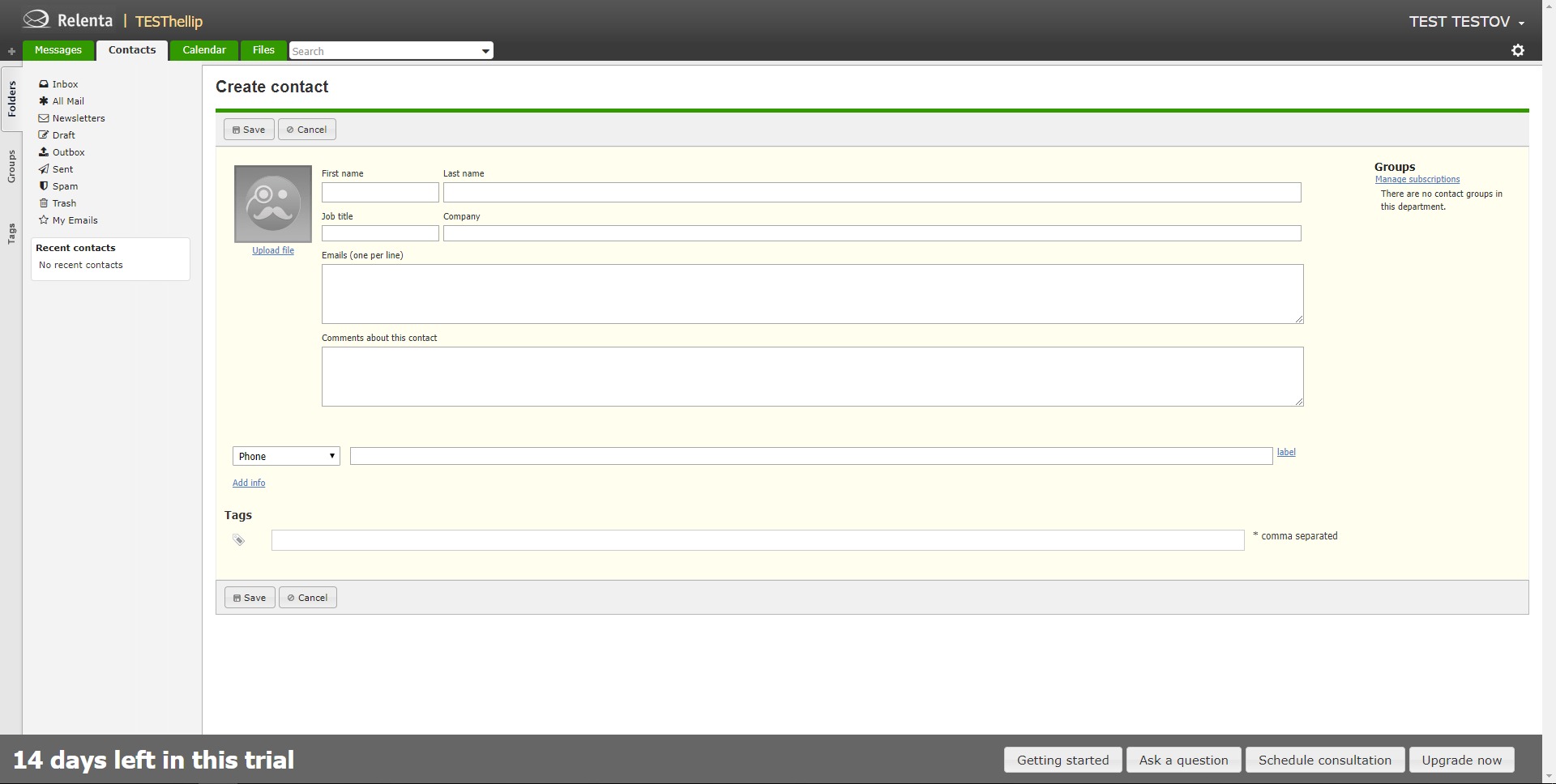
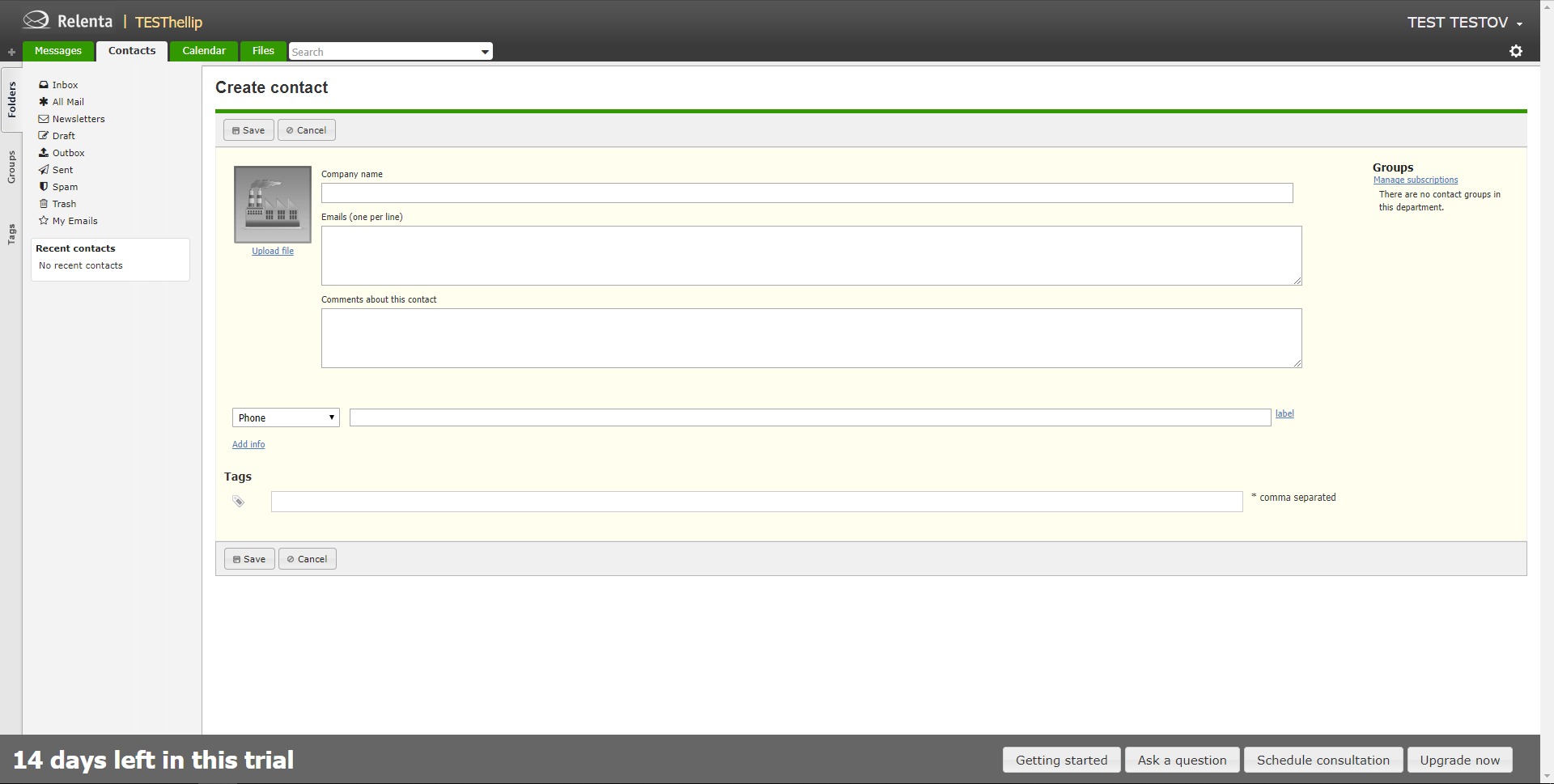
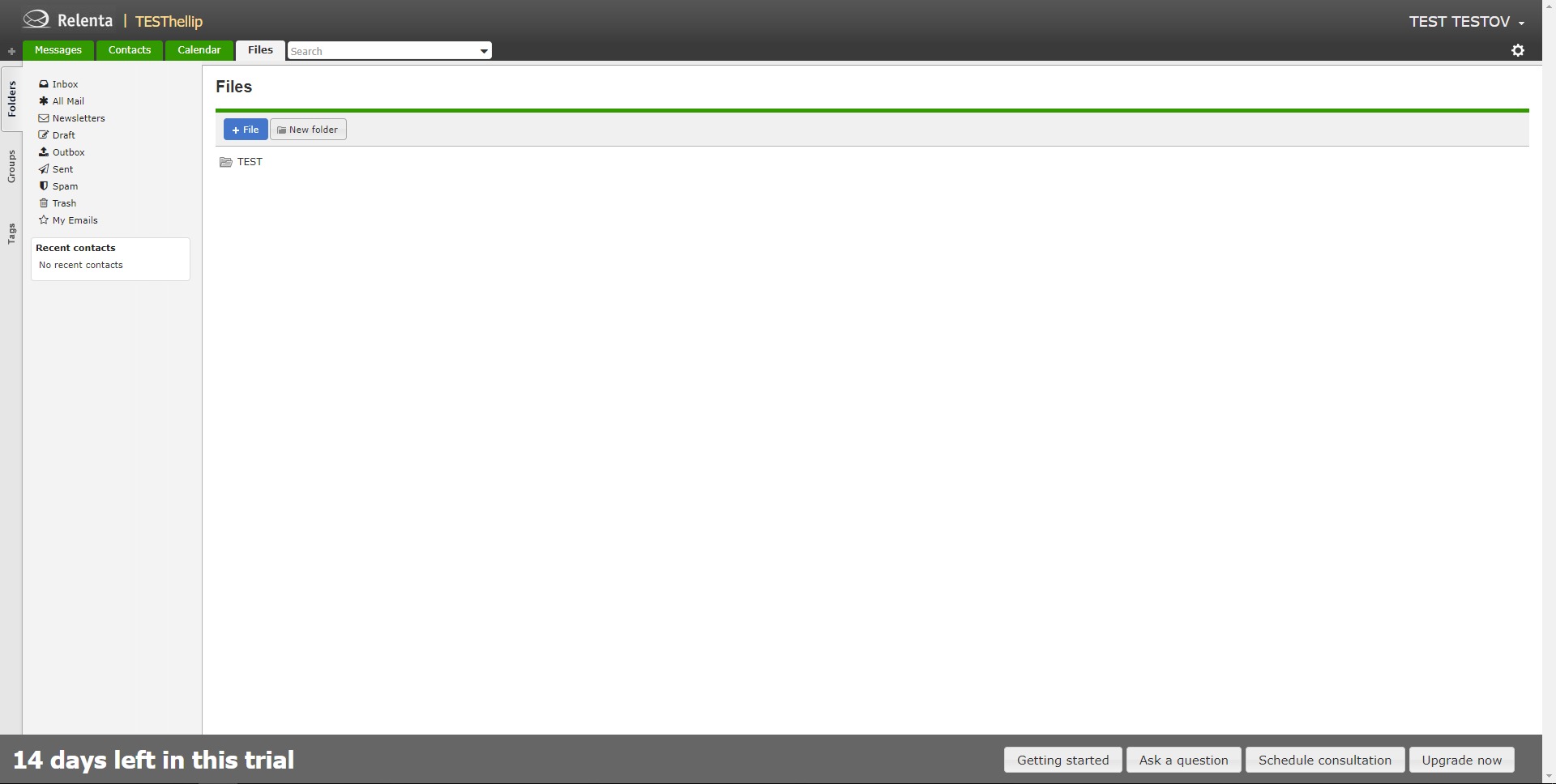
Relenta is a compact customer relationship platform designed for small teams that manage most of their work through email. It combines contact management, team communication, follow-up organization, task coordination, and email outreach in one environment. Instead of splitting customer activity across inboxes, spreadsheets, and separate marketing tools, Relenta brings conversations and relationship history into a single workspace.
The platform is built for businesses that want structure without the weight of a large enterprise CRM. It supports a practical, communication-first workflow where every contact can be connected to emails, notes, files, reminders, and actions. That makes it useful for teams that need visibility into customer interactions but do not want a system that feels overly technical or difficult to maintain.
Relenta is especially relevant for service businesses, small sales teams, agencies, consultants, and organizations that depend on consistent follow-up. Its value comes from reducing scattered communication and making it easier to understand what is happening with each lead, prospect, or client.
What are the key features of Relenta?
- Email-centered contact management
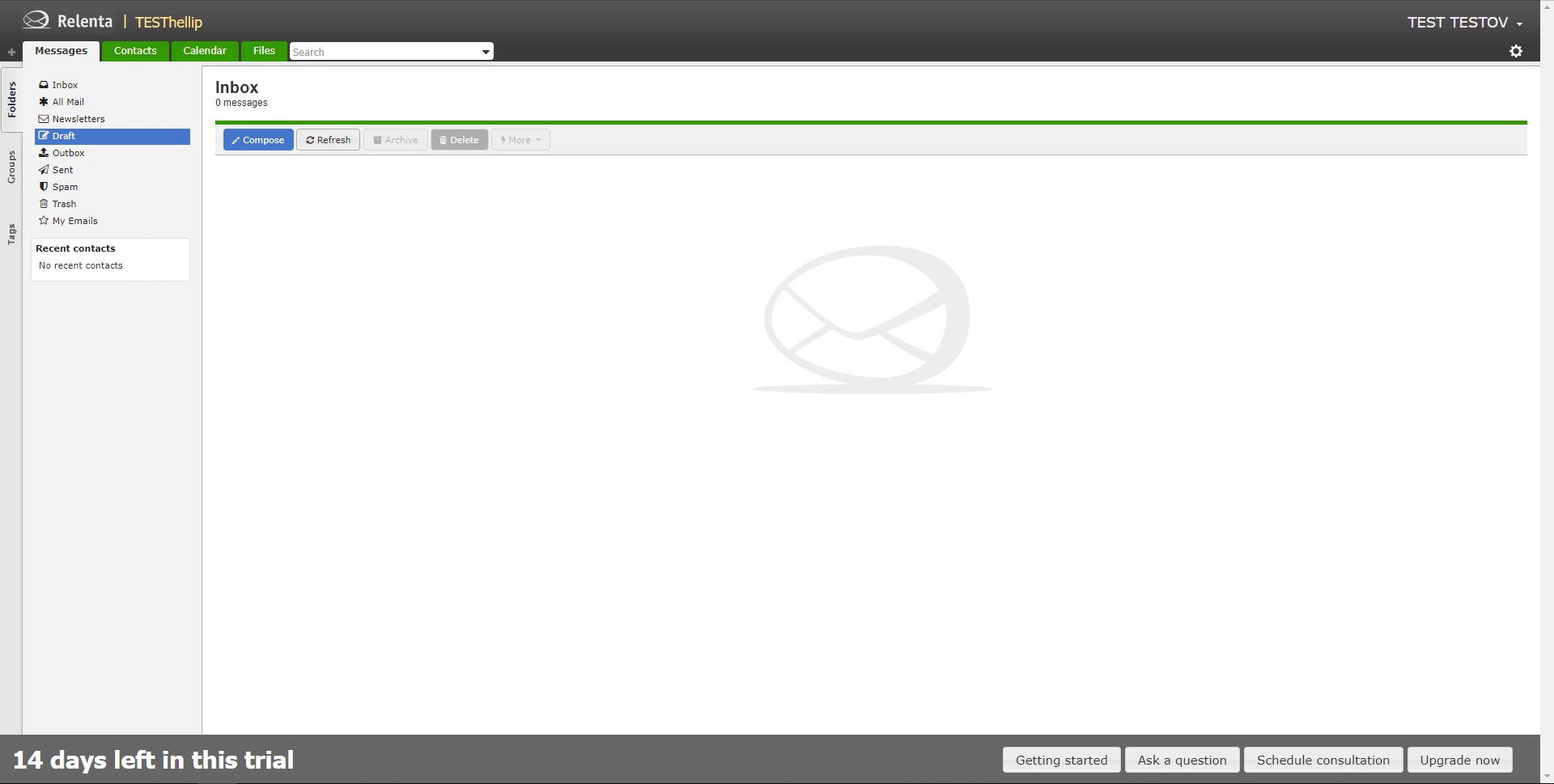
Relenta is built around the idea that customer relationships often live inside email. It links conversations to contact records, helping teams see communication history, notes, tasks, and related activity in one place. This creates a clearer picture of each relationship and reduces time spent searching through inboxes. - Shared communication and collaboration
Teams can work together on customer communication without losing context. Shared access to message history and contact activity helps prevent duplicate replies, missed details, and fragmented service. This is especially useful when multiple people support the same account. - Follow-up and task organization
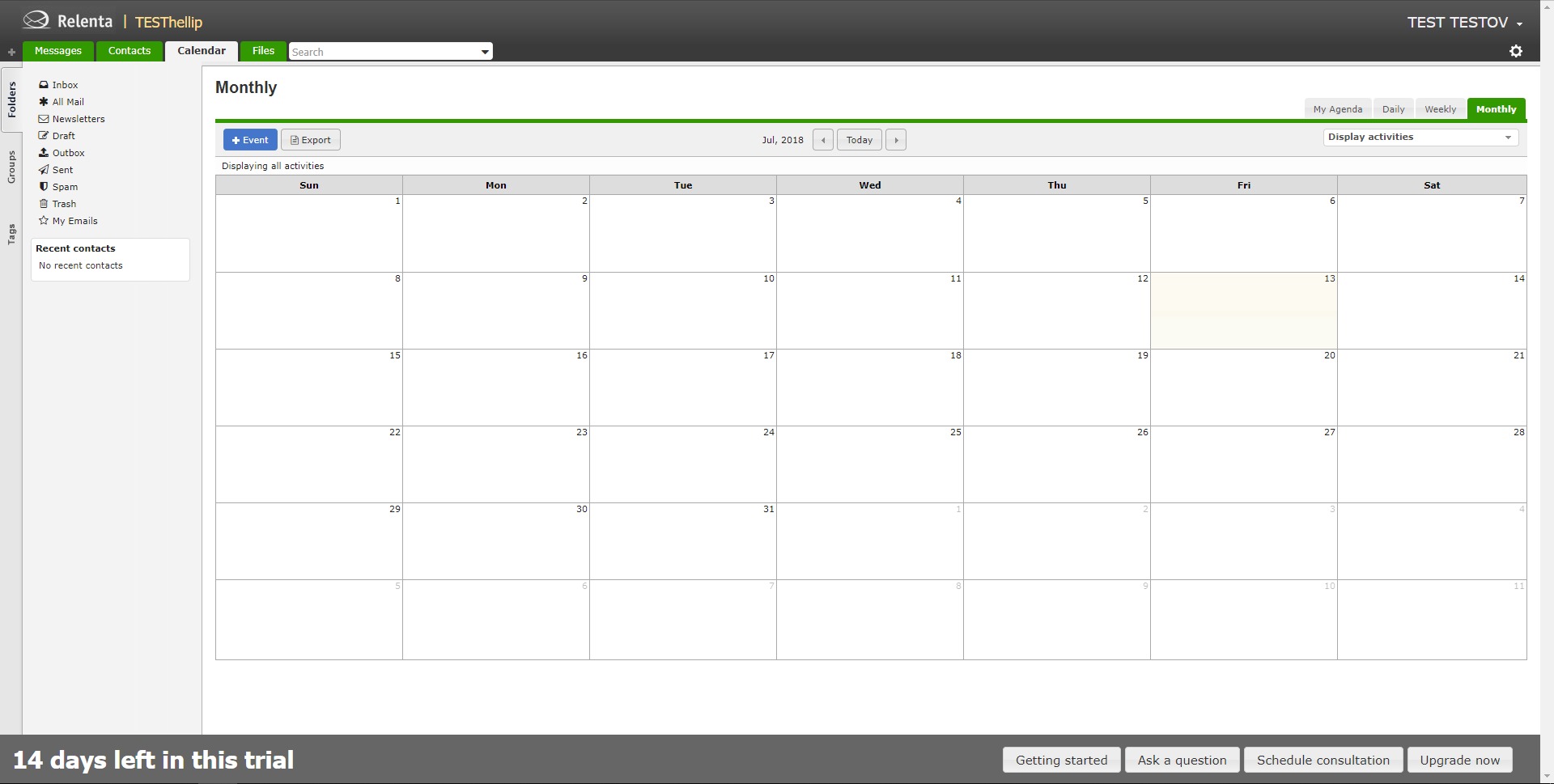
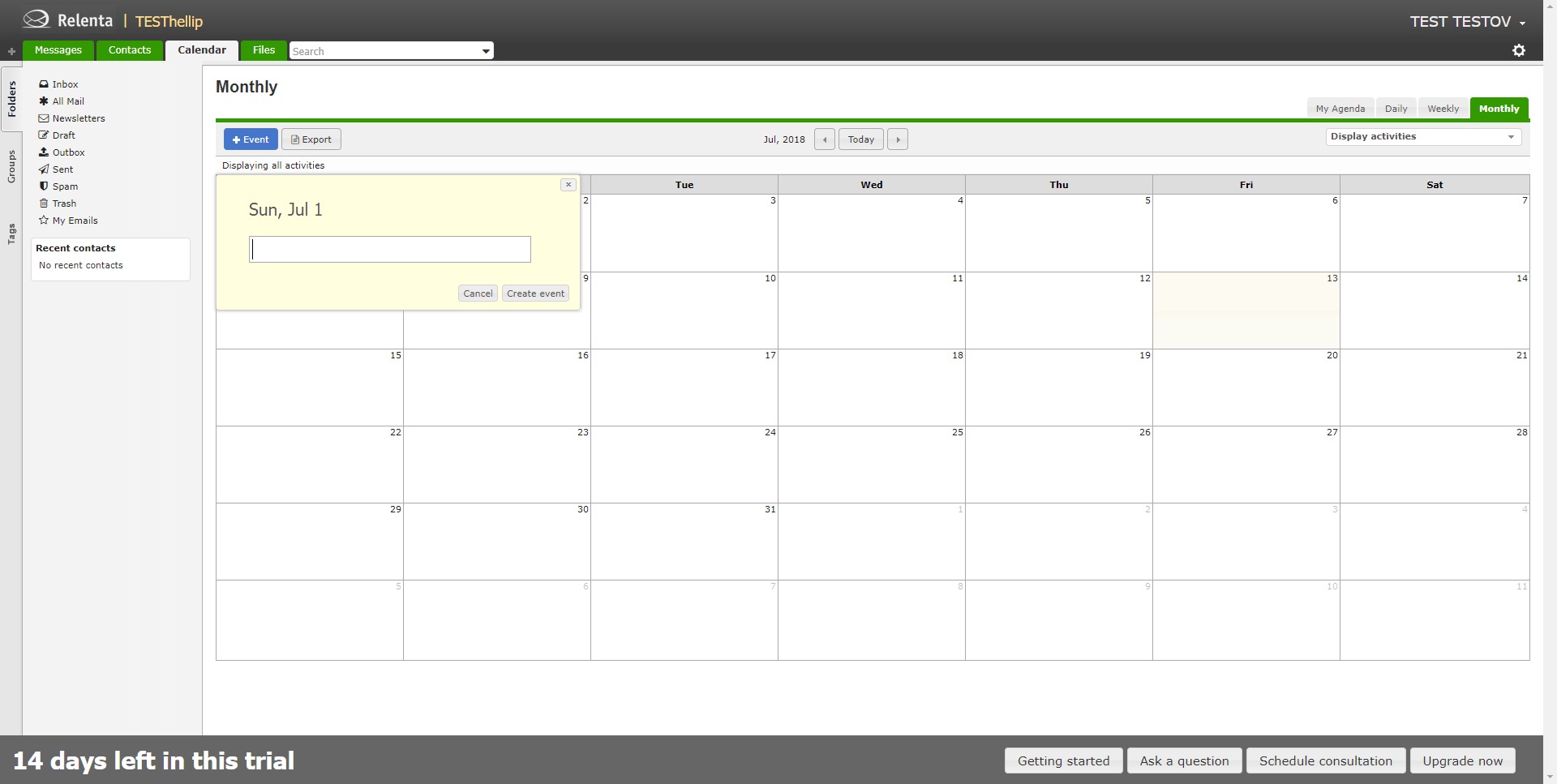
Relenta supports reminders, notes, and follow-up tracking so important conversations do not disappear after the first reply. Small teams often lose momentum not because of strategy, but because follow-ups are missed. This feature helps create a more disciplined workflow. - Lightweight sales and pipeline support
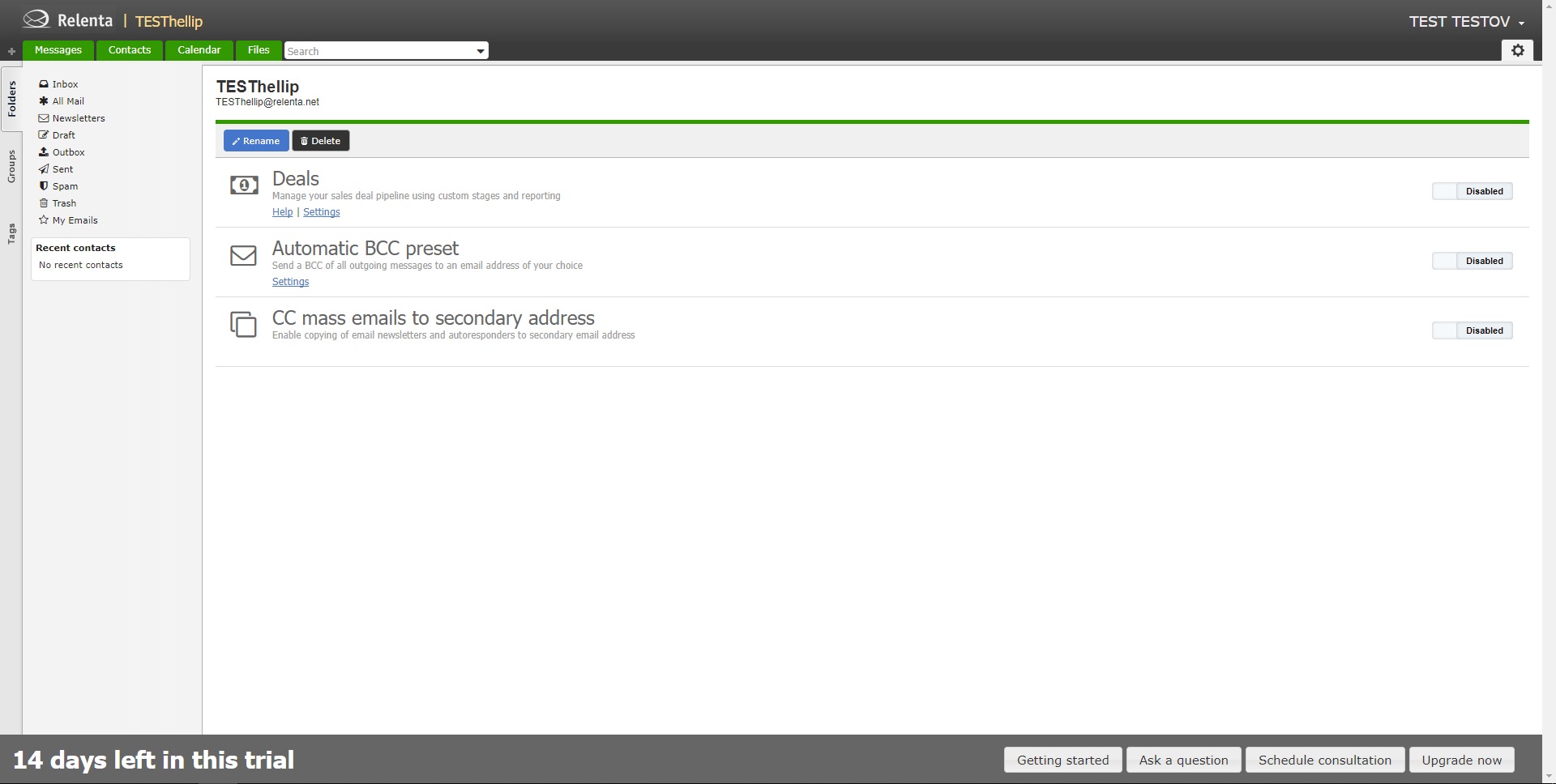
The platform includes lead and deal tracking capabilities for teams that need a simple sales process. It allows users to manage prospects, track progress, and keep communication tied to commercial activity without deploying a more complex CRM system. - Email outreach and marketing tools
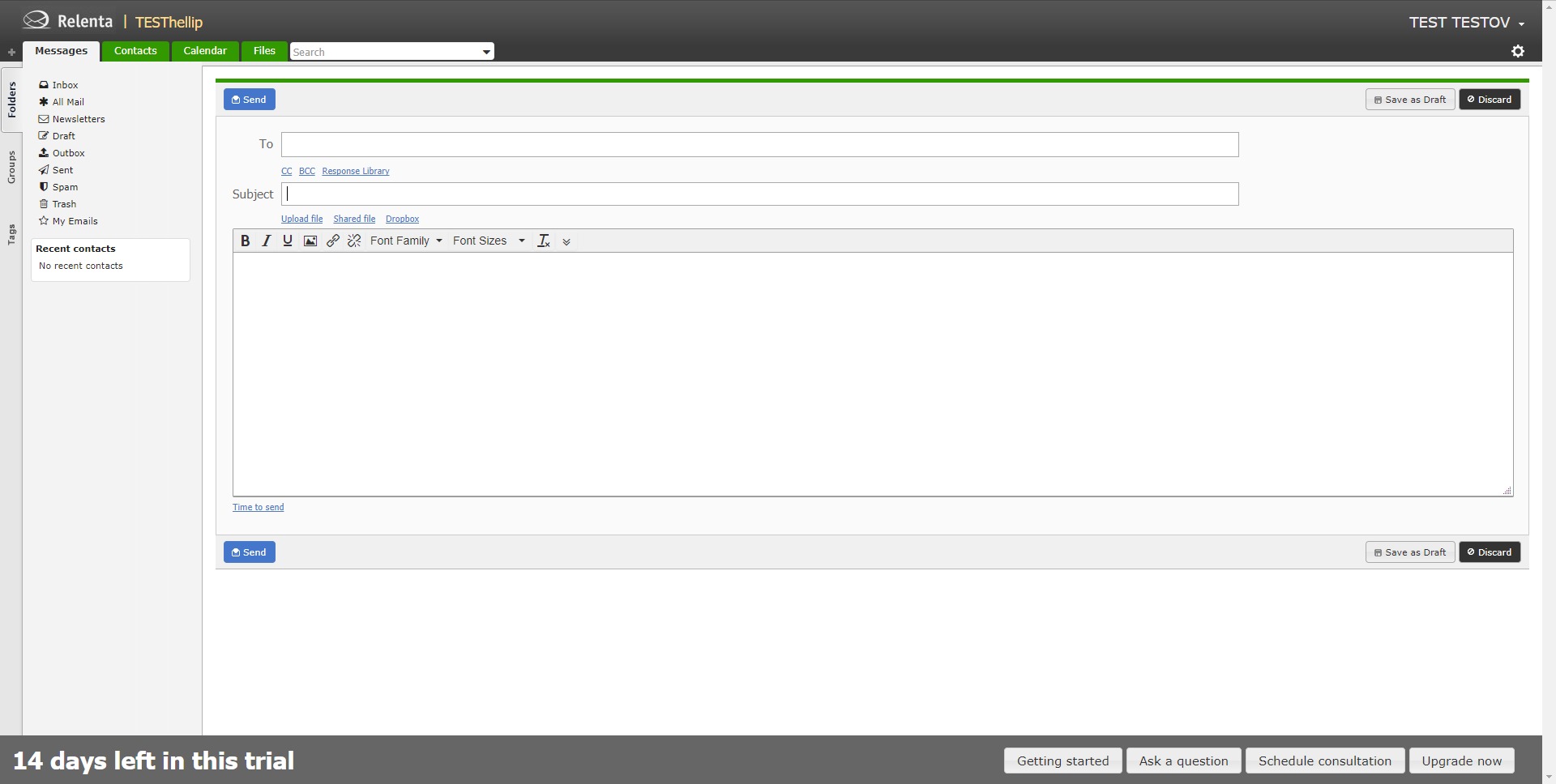
Relenta also covers email campaigns, newsletters, automated responses, and contact capture through forms. This gives teams a way to manage both one-to-one communication and broader email outreach from the same operational base. - Centralized relationship history
By bringing email, notes, tasks, and files together, Relenta creates a timeline-based view of customer interactions. This makes handoffs easier and supports more informed communication across the team.
What are the main use cases for Relenta?
- Small sales teams
Relenta helps sales-focused teams manage leads, organize follow-ups, monitor deal progress, and keep every conversation attached to the right contact. It is useful where visibility and consistency matter more than enterprise-level complexity. - Client service businesses
Agencies, consultancies, and support-driven businesses can use Relenta to coordinate replies, preserve context, and give team members a shared view of ongoing customer relationships. - Email-driven operations
Businesses that still run on inboxes and spreadsheets can use Relenta as a cleaner system for customer communication. It acts as a practical bridge between informal communication habits and structured CRM processes. - Marketing and outreach coordination
Teams that send newsletters, automated follow-ups, or segmented contact communication can use Relenta to keep marketing activity close to the customer record instead of separating it into another tool.
What benefits does Relenta provide to a business?
Relenta helps reduce operational clutter. Many small businesses do not fail because they lack tools, but because their tools are scattered. Customer emails sit in one place, notes in another, tasks somewhere else, and nobody has a full picture. Relenta addresses that problem by centralizing communication and follow-up.
Another major benefit is continuity. When contact history is visible and structured, team members can step into conversations with better context. This improves responsiveness, reduces confusion, and supports a more professional customer experience.
The platform also lowers the barrier to organized CRM use. Some businesses avoid traditional CRM systems because they feel heavy, expensive, or too complex for the size of the team. Relenta offers a smaller and more practical alternative, especially for organizations where email remains the main communication channel.
What is the user experience like in Relenta?
The user experience in Relenta is built around familiarity. Rather than forcing teams into a completely new operating model, it uses email as the center of the workflow and adds structure around it. This makes adoption easier for teams that want better control without a long learning curve.
Its overall experience is likely to feel more functional than flashy. The emphasis is on visibility, coordination, and ease of use rather than deep customization or enterprise-scale process design. For small teams, that is often the right tradeoff.
Relenta works best as a compact Email-Centered CRM for businesses that want cleaner communication, more reliable follow-up, and a simpler way to manage customer relationships from one place.
Relenta CRM Alternatives