Plytix
Languages:
English
Localization:
World

What is Plytix?
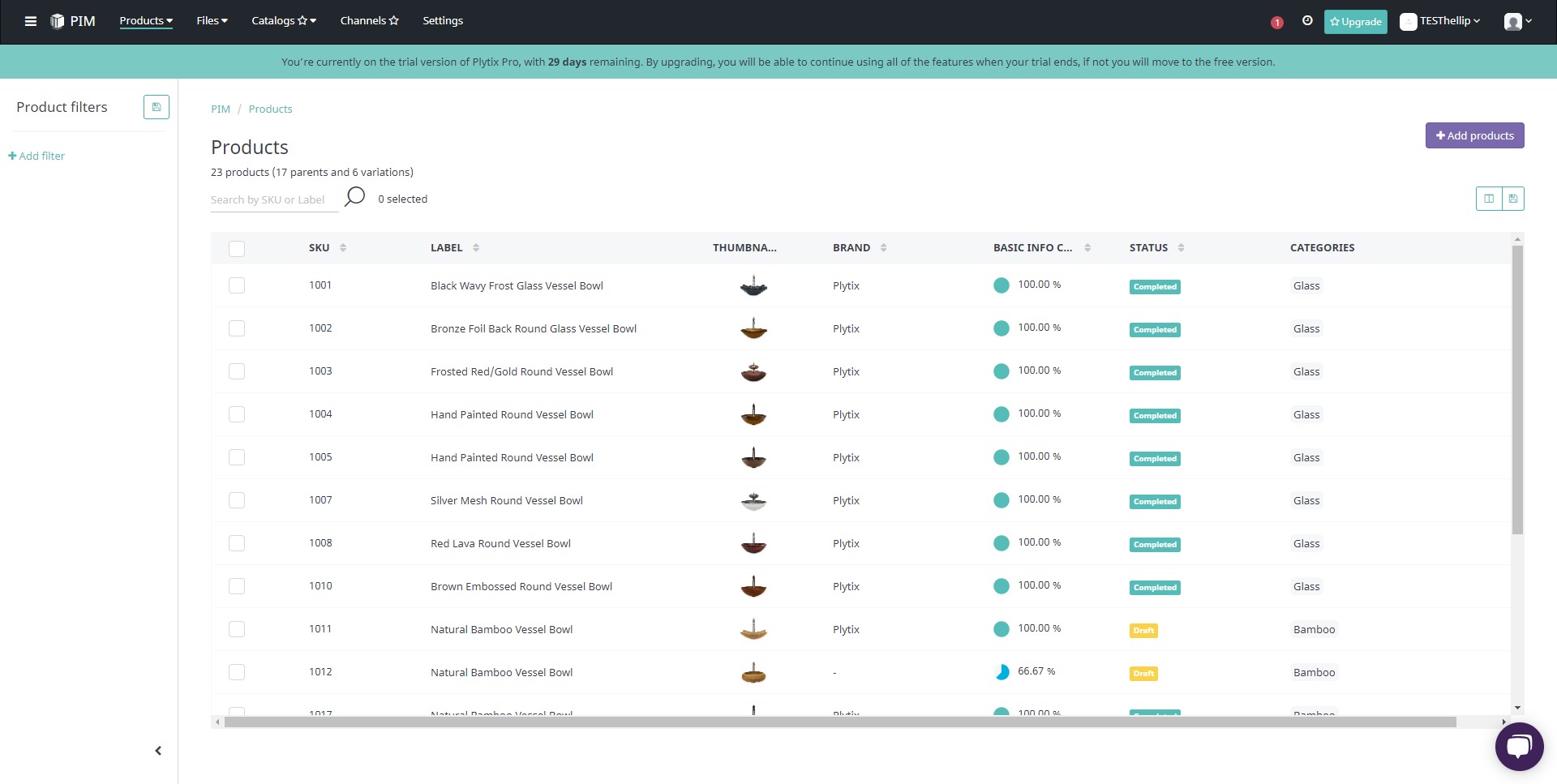
Plytix is a product information management platform designed for companies that need a cleaner, faster, and more reliable way to manage product content. Instead of keeping product data in scattered spreadsheets, folders, emails, and ecommerce systems, Plytix gives teams a central workspace for product titles, descriptions, specifications, images, videos, documents, categories, variants, and channel-ready content.
The service is especially useful for ecommerce businesses, brands, manufacturers, wholesalers, and distributors that work with many SKUs or sell across multiple channels. Plytix helps teams create one source of truth for product data, improve catalog quality, reduce manual editing, and prepare product information for online stores, marketplaces, retail partners, and sales teams. It combines product information management with digital asset management, content enrichment, product sheets, feed tools, and AI-supported content creation.
What key features does Plytix offer?
-
Centralized product information management
Plytix allows companies to store and organize all product data in one structured system. Teams can manage names, descriptions, specifications, prices, attributes, categories, variants, and related product details without relying on disconnected spreadsheets. -
Digital asset management
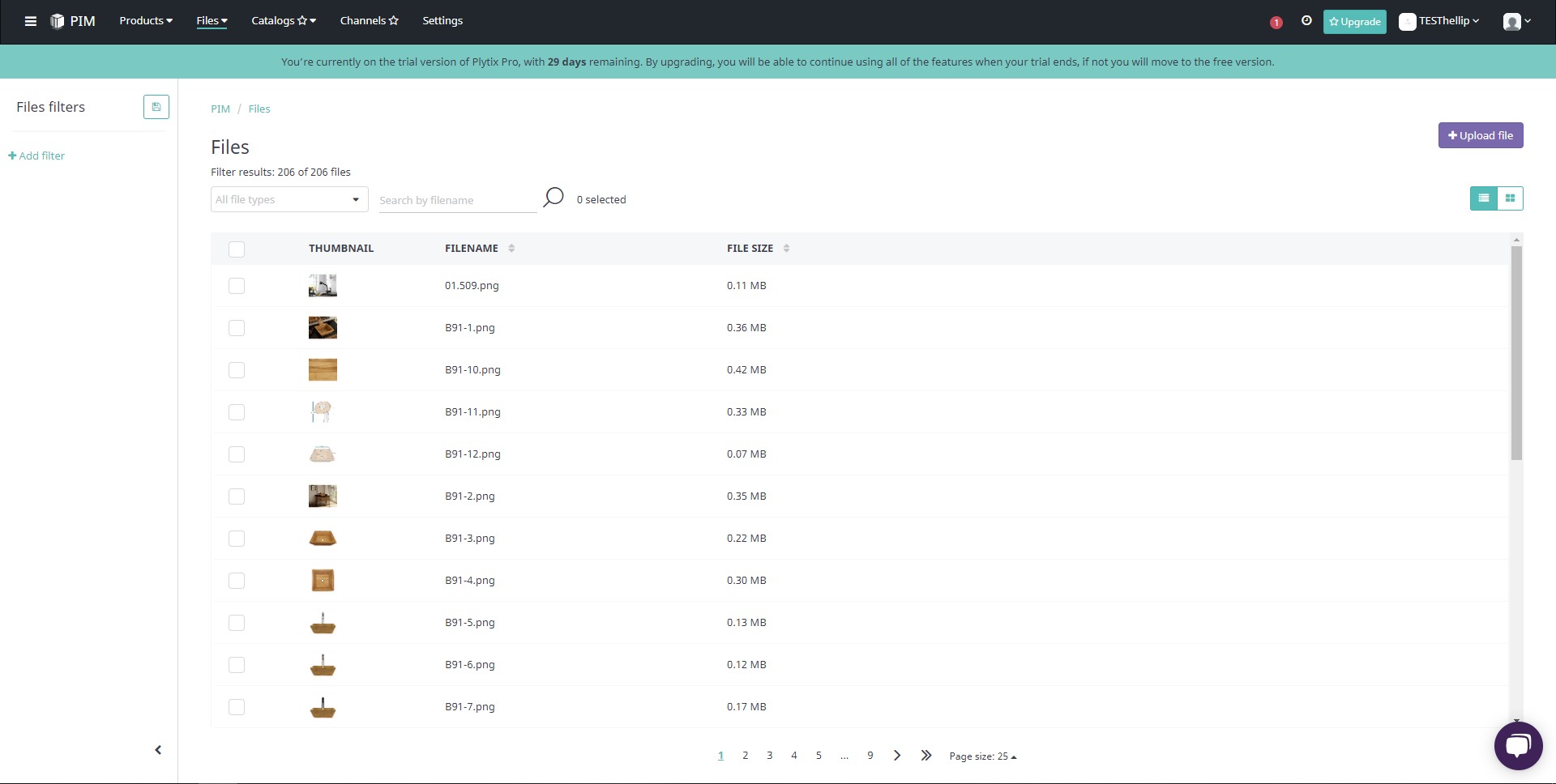
Product images, videos, manuals, technical documents, and marketing files can be connected directly to product records. This helps teams avoid using outdated visuals or sending the wrong files to ecommerce channels, sales teams, or retail partners. -
Custom attributes and flexible catalog structure
Businesses can create custom fields and categories that match their own catalog logic. This is useful for companies with technical products, complex variants, multilingual content, or industry-specific product data requirements. -
Bulk editing and product updates
Plytix supports bulk editing, which helps teams update many products at once. This saves time when changing product descriptions, adding missing specifications, correcting values, or preparing large catalog updates. -
Completeness tracking and validation
The platform helps teams see which product records are complete and which ones still need work. This reduces the risk of publishing product pages with missing descriptions, incomplete technical data, or absent images. -
Feed management and product data distribution
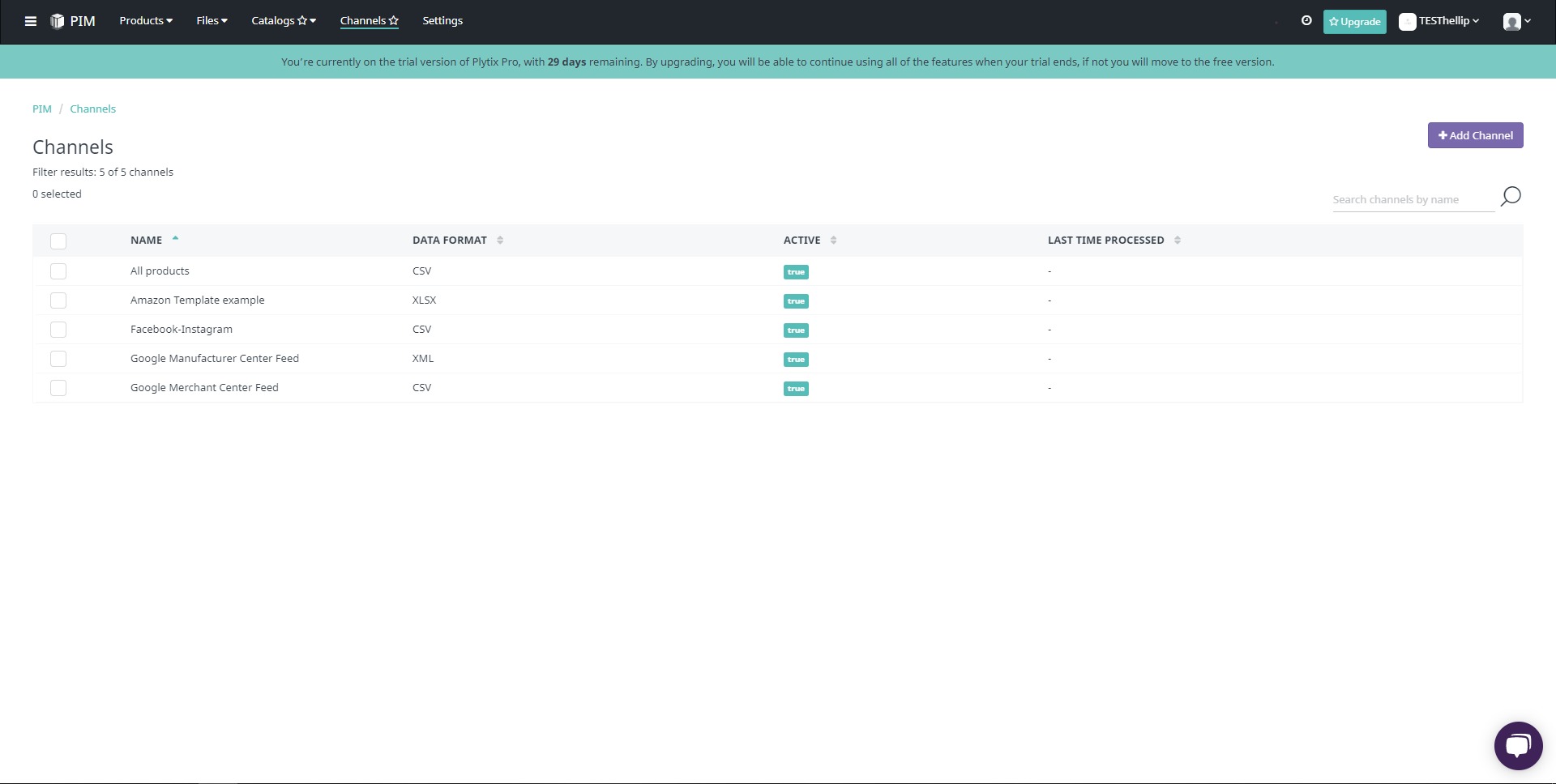
Plytix helps prepare product information for different channels. Since ecommerce platforms, marketplaces, retailers, and distributors often require different formats, feed tools make product data easier to adapt and send. -
AI-assisted product content
Plytix includes AI-supported features that can help create, improve, or translate product content faster. This is useful for teams that need many descriptions, localized product pages, or improved marketing copy.
How can teams use Plytix?
-
Ecommerce catalog management
Online stores can use Plytix to improve product pages, organize product information, connect images to SKUs, and keep listings consistent across the catalog. -
Multichannel selling
Companies selling through Shopify, marketplaces, distributors, retail partners, or direct sales can manage core product content in Plytix and adapt it for each channel. -
Manufacturer and distributor workflows
Manufacturers and wholesalers can prepare accurate product data for resellers, retailers, B2B buyers, and internal sales teams. This helps reduce confusion when many partners need the same information in different formats. -
Product launch preparation
Teams can use Plytix to collect product details, enrich descriptions, attach assets, check completeness, and prepare launch-ready content before publishing. -
Sales and product sheet creation
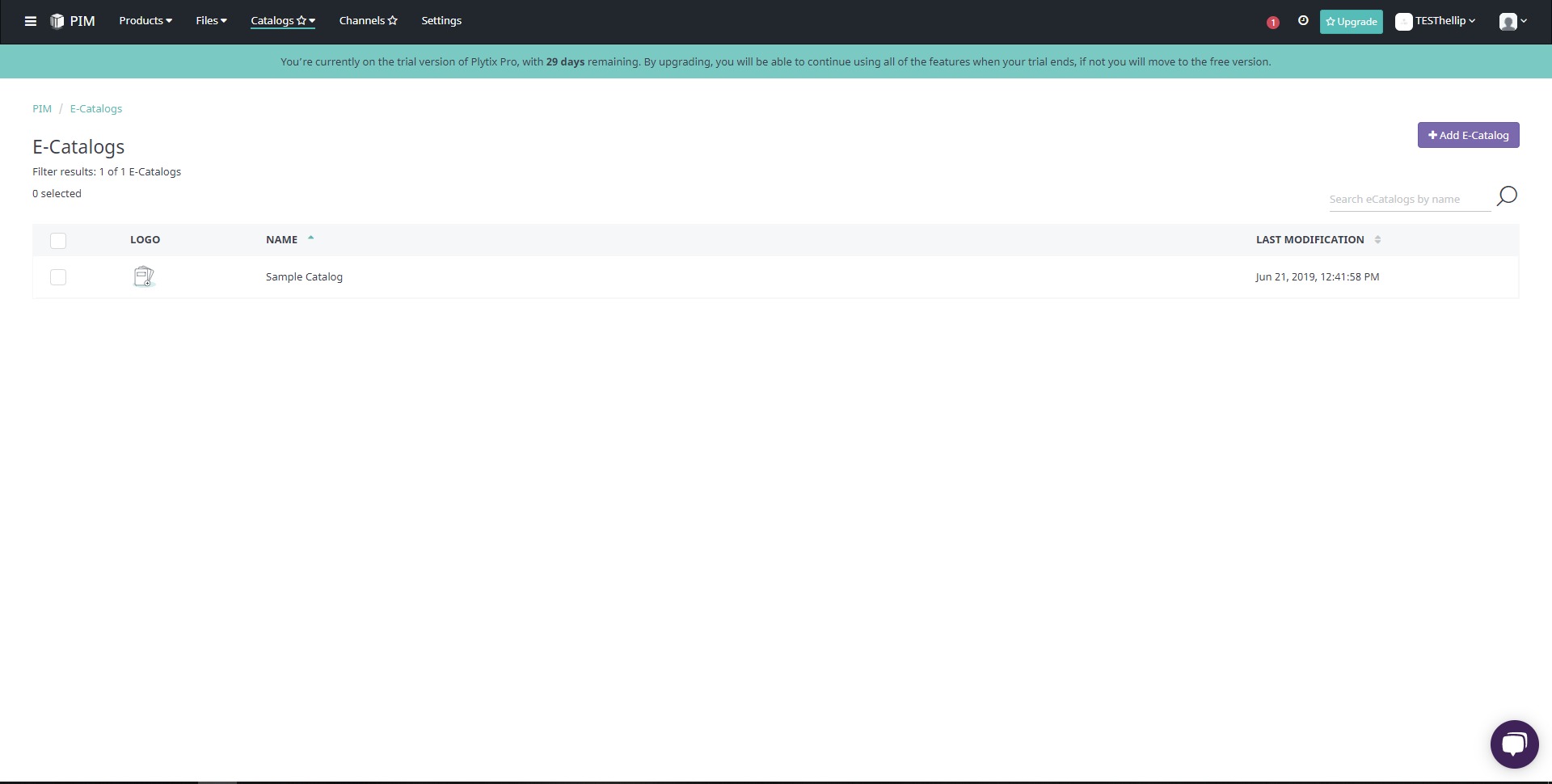
Sales teams can create product sheets and catalog materials from managed product data instead of manually copying content into separate documents.
What benefits does Plytix provide?
Plytix helps companies reduce product content chaos. The biggest benefit is operational clarity: product information becomes easier to find, easier to improve, and easier to distribute. Teams no longer need to chase the latest spreadsheet version or manually copy the same data between systems.
The platform can also improve product content quality. Better descriptions, consistent specifications, correct images, and complete records help ecommerce teams present products more professionally. For businesses with large catalogs, this can support faster product launches and fewer listing errors.
Another important benefit is collaboration. Marketing, ecommerce, product, sales, and operations teams can work around the same product records. This reduces duplicated work and makes product content management less dependent on individual files or personal knowledge.
For growing companies, Plytix can act as a practical middle layer between internal systems and sales channels. It is not just a product database. It becomes part of the catalog operation, helping teams move from spreadsheet survival mode to a more controlled product content process.
What is the Plytix user experience like?
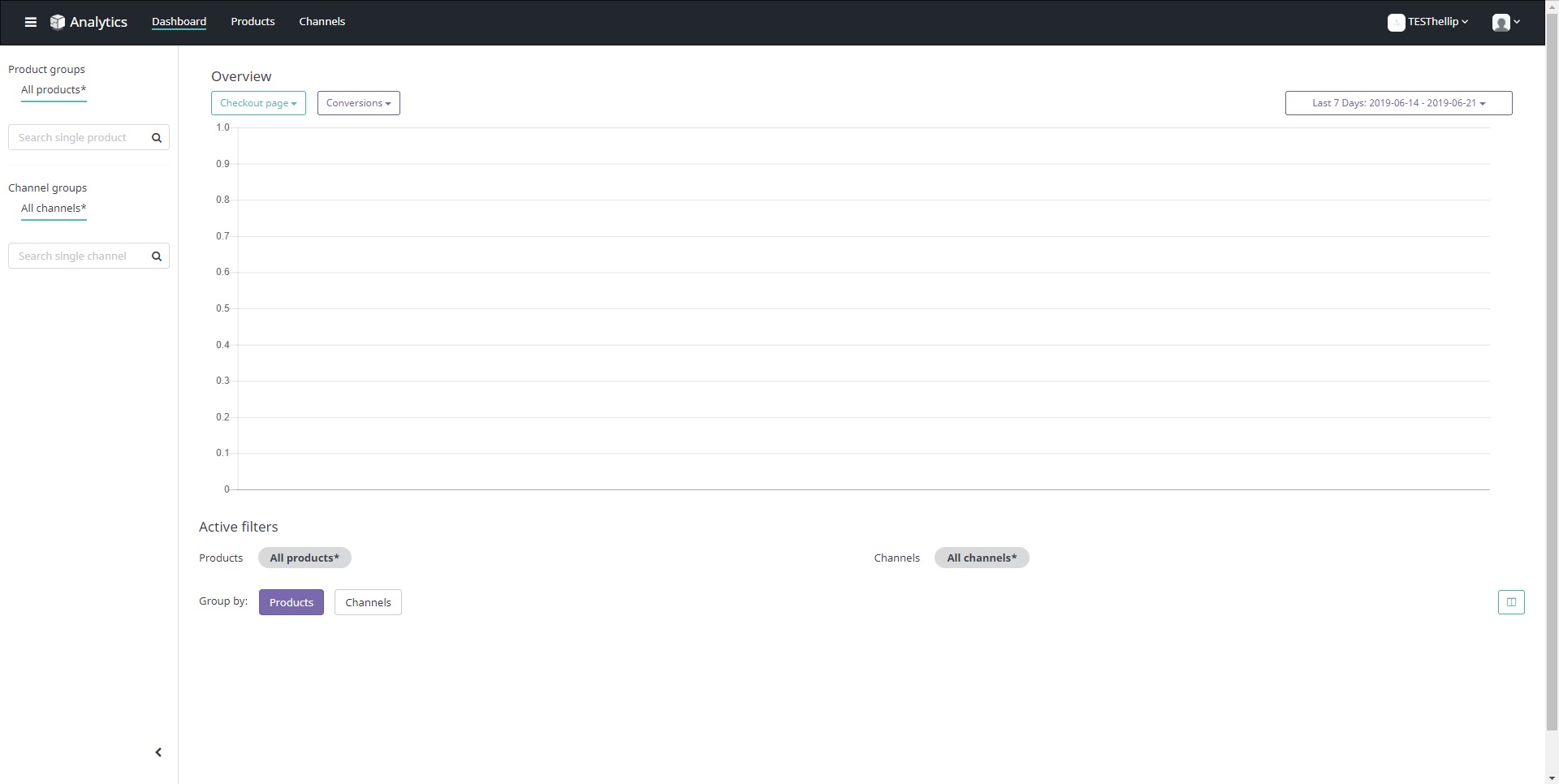
Plytix is built for teams that manage product content regularly, not only for technical users. The interface focuses on products, attributes, assets, categories, completeness, and exports. This makes it approachable for ecommerce managers, marketers, catalog teams, and sales operations staff.
The user experience is centered on practical catalog work: adding product data, improving descriptions, attaching media, checking what is missing, preparing content for different channels, and keeping the product database organized. For teams moving from Excel-based workflows, the main shift is from static file handling to structured content operations.
Plytix is best suited for businesses that want stronger product data control without adopting an overly complex enterprise system. It gives growing ecommerce and product-led companies a more manageable way to organize product information, improve catalog quality, and distribute product content across the channels where customers actually buy.
2026-09-24 09:17:09: Check this out if you're managing product content across a team. Youtube
2026-09-10 13:29:24: Plytix Product Updates | August 2026: Custom Views, Product Automations and AI Image Editing Youtube
2026-09-03 14:35:07: The Secret Behind How Plytix Became a Leader in PIM on G2 Youtube
2026-09-02 12:52:33: Work smarter, not harder. ? #ecommerce #automation #ecommercetips #workflow #ai Youtube
2026-08-27 16:00:25: Manage alt text where your assets reside. Youtube
2026-08-25 16:11:29: Plytix Playbooks | 3 AI Tricks for Better Product Content Youtube
2026-08-25 14:07:16: Plytix Demo: A Look Around the Platform Youtube
2026-08-24 16:57:46: The update you've been waiting for... ? Youtube
2026-08-20 21:14:01: We're only managing 50 products manually... what could go wrong? Youtube
2026-08-19 18:31:53: If messy product data could talk... Youtube
Plytix Alternatives