Magento (Adobe Commerce)
Languages:
English
Localization:
World

Adobe is set to acquire Magento Commerce for $1.68 billion, integrating it with Adobe Experience Cloud to serve B2B and B2C customers. This acquisition extends Adobe's digital experience capabilities to include commerce. Magento’s platform offers a unified solution for digital commerce and order management across various industries.
Magento was one of the most influential open-source e-commerce platforms of the 2000s–2010s. Launched in 2008 by Varien, it was designed for merchants who needed flexibility, deep customization, and full control over their online stores. Unlike hosted platforms, Magento was self-hosted, modular, and highly extensible, making it popular among developers, agencies, and mid-to-large businesses.
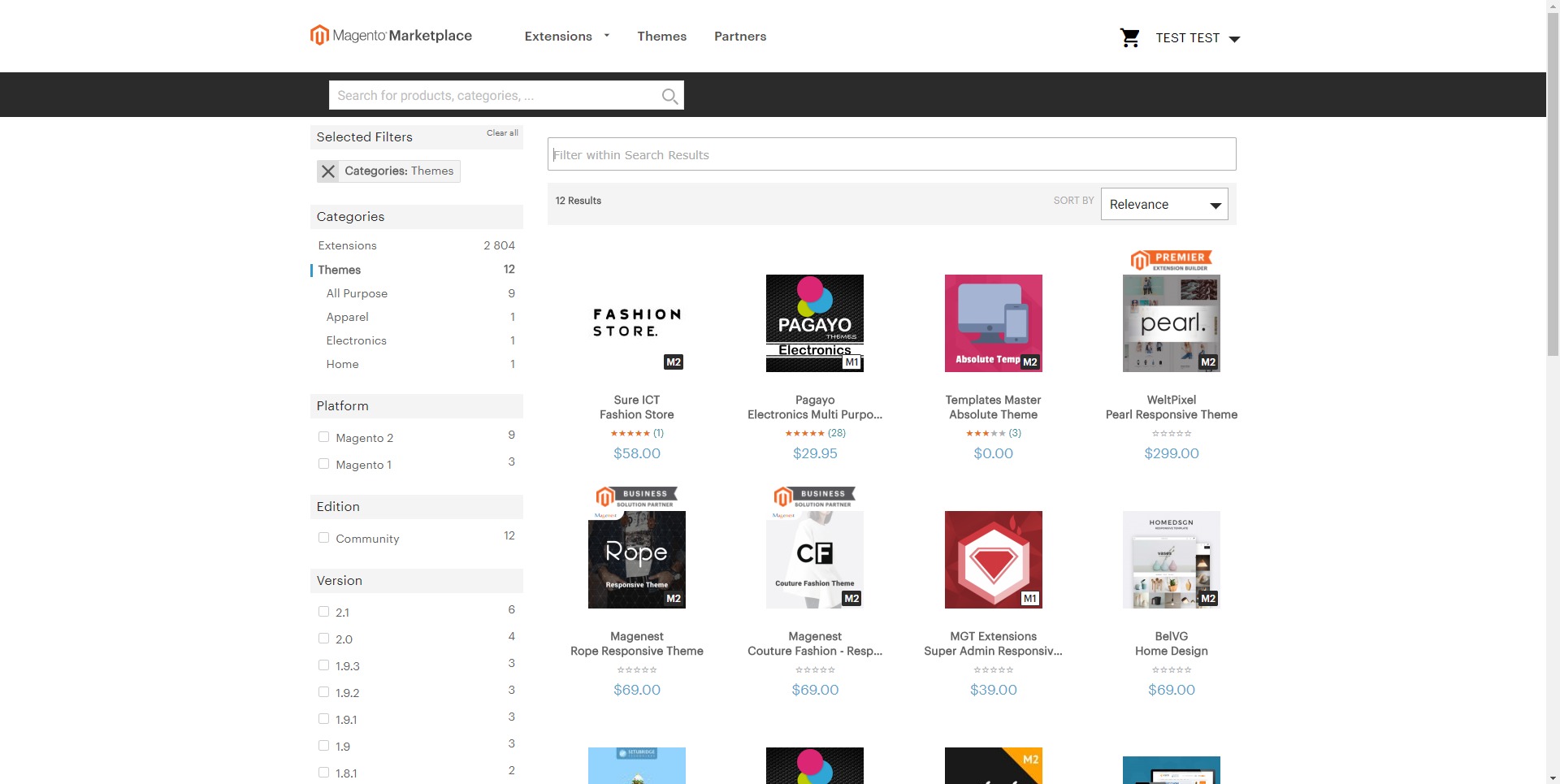
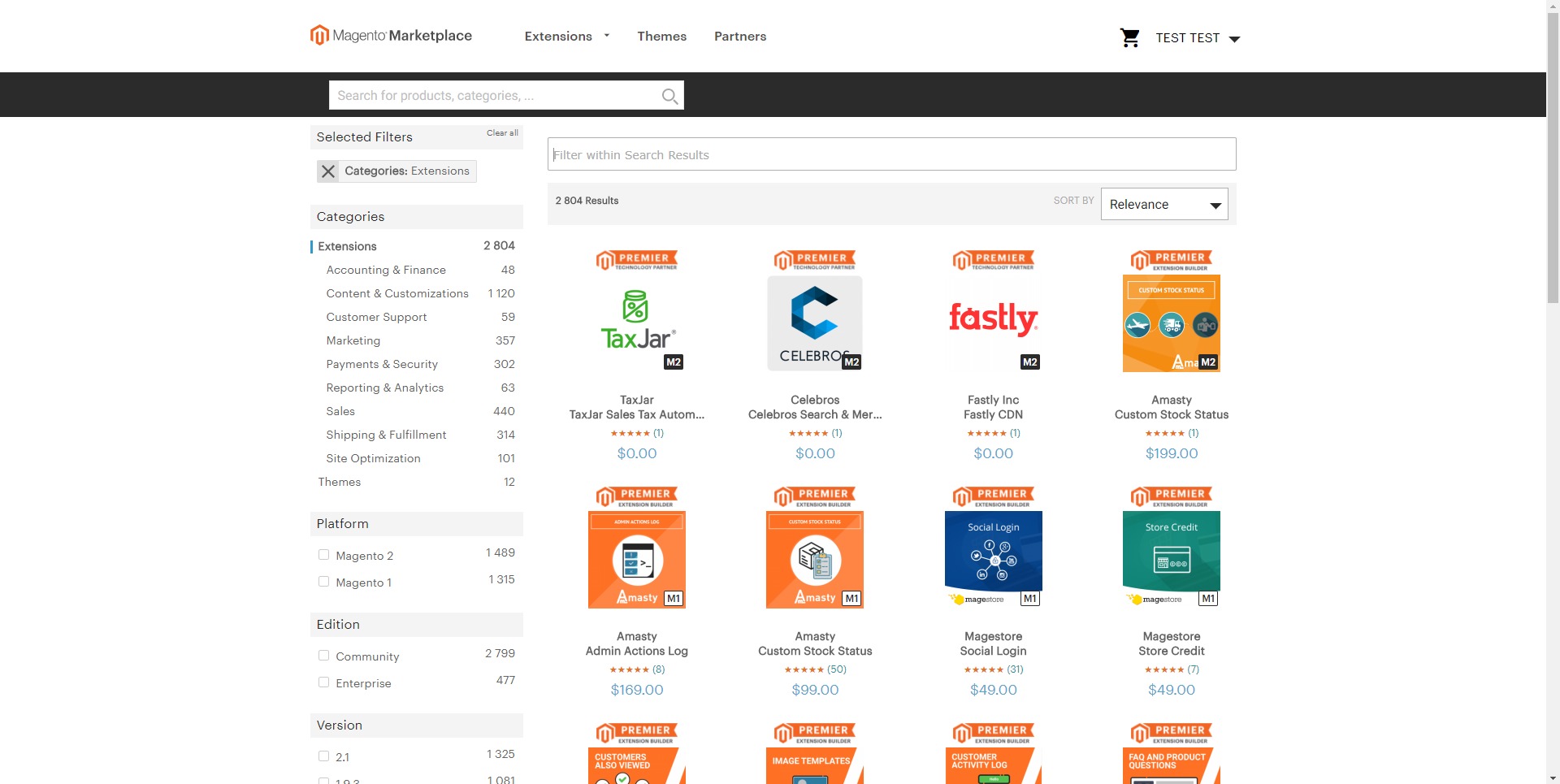
Magento stood out for its powerful catalog management, multi-store and multi-currency support, advanced pricing rules, extensible API architecture, and a vast ecosystem of third-party extensions. It effectively became the “Linux of e-commerce”: complex, demanding, but extremely powerful in the right hands. Thousands of agencies built their business around Magento development, performance optimization, and integrations with ERP, CRM, and payment systems.
The platform evolved into two main branches: Magento Open Source (free, community-driven) and Magento Commerce (enterprise, paid). Its flexibility enabled complex B2C and B2B use cases long before “headless” and composable commerce became mainstream. For many years, Magento defined what a serious, customizable e-commerce engine looked like — at the cost of higher infrastructure and maintenance requirements.
Magento (Adobe Commerce) Alternatives