LiveChat
Languages:
English
Localization:
World

What is LiveChat and how does it work?
LiveChat is a customer communication and support platform designed to help businesses manage real-time conversations with website visitors and customers. It combines live messaging, customer support tools, sales engagement, and automation into one system. Businesses use it to answer questions, qualify leads, assist buyers, resolve support requests, and improve customer experience through fast digital communication.
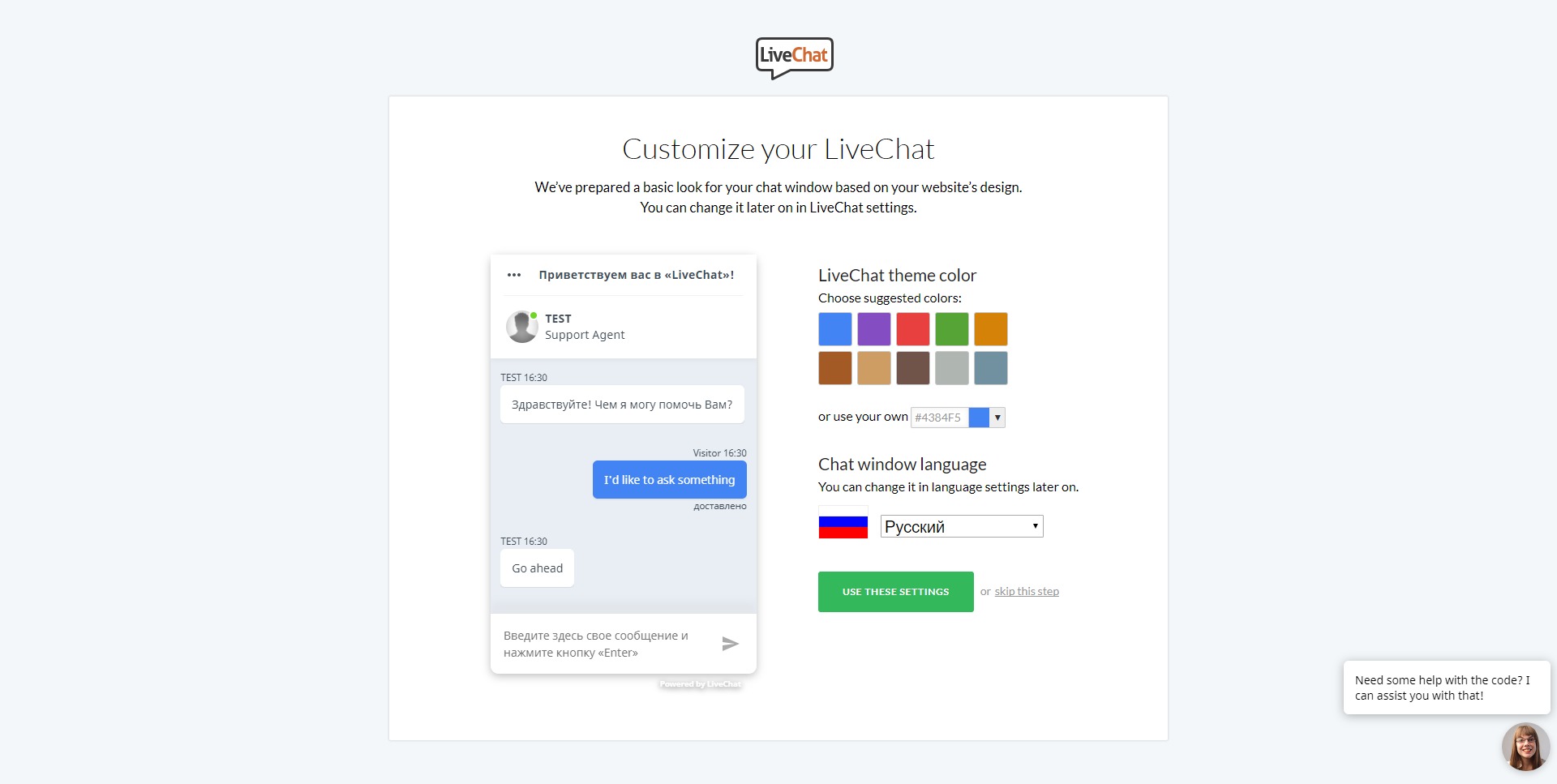
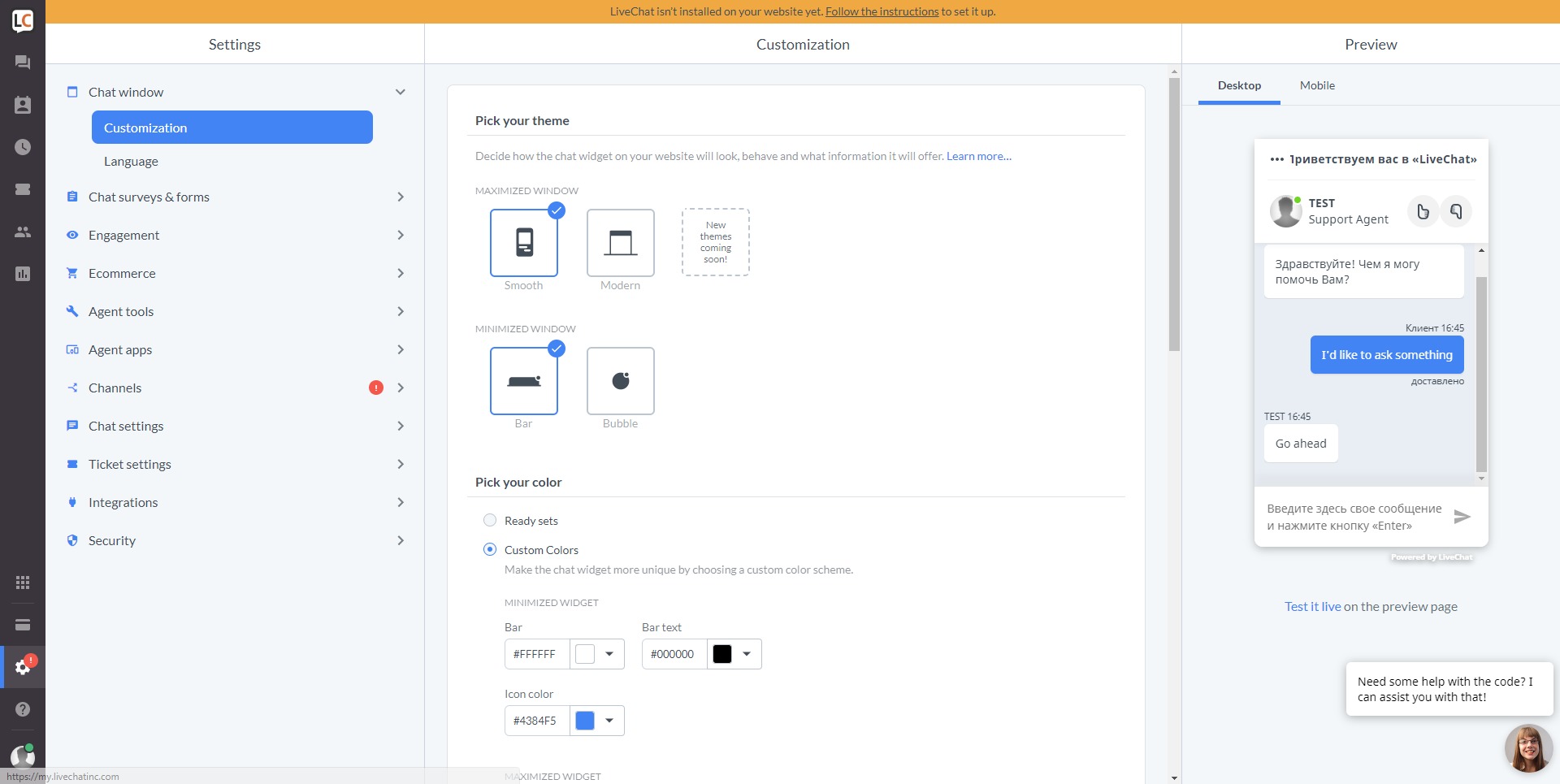
At its core, LiveChat provides a chat widget that can be added to a website or online store, allowing visitors to start conversations instantly. Support or sales teams can respond through a shared agent workspace, manage multiple chats at once, and maintain conversation history for continuity.
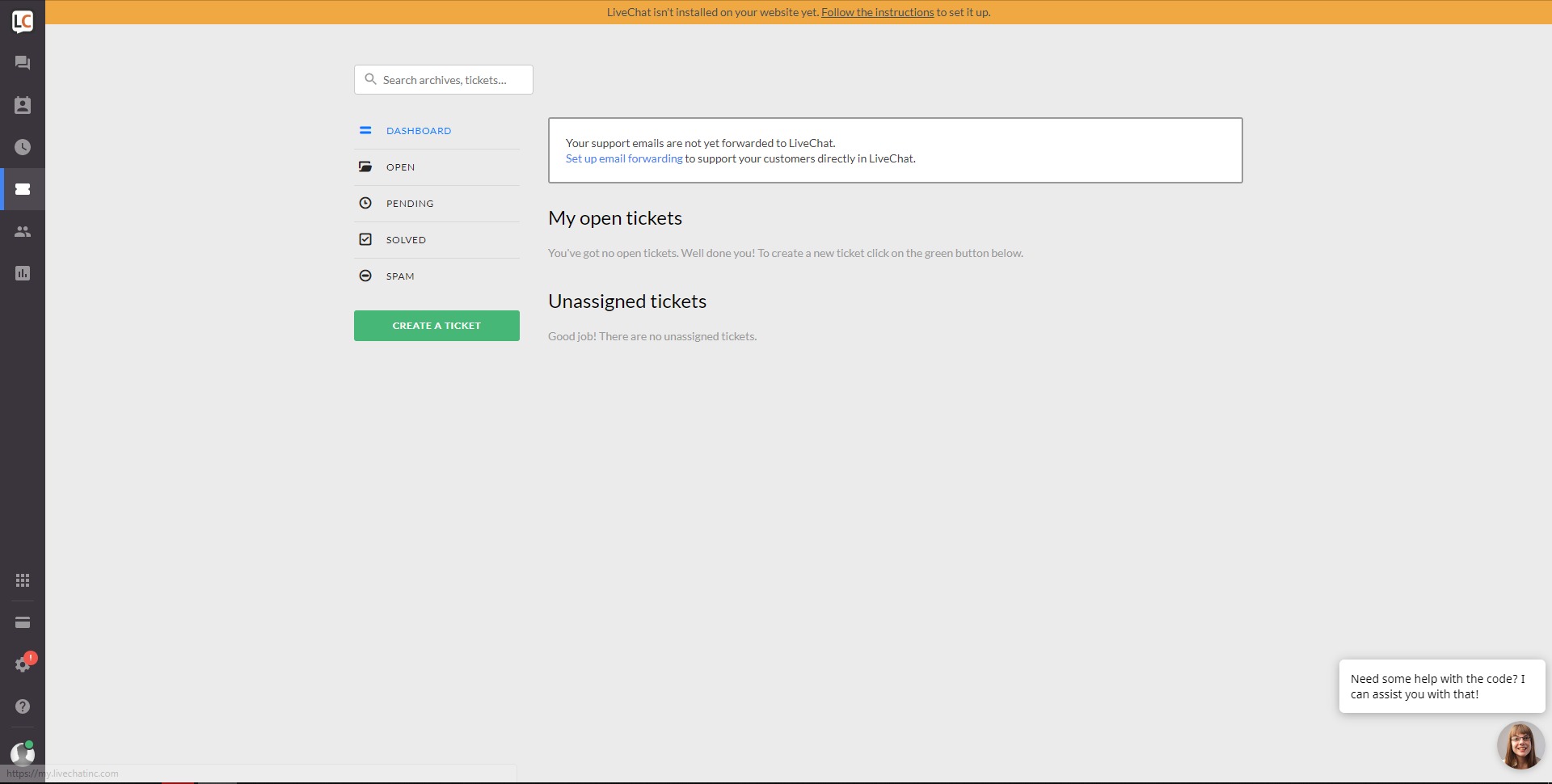
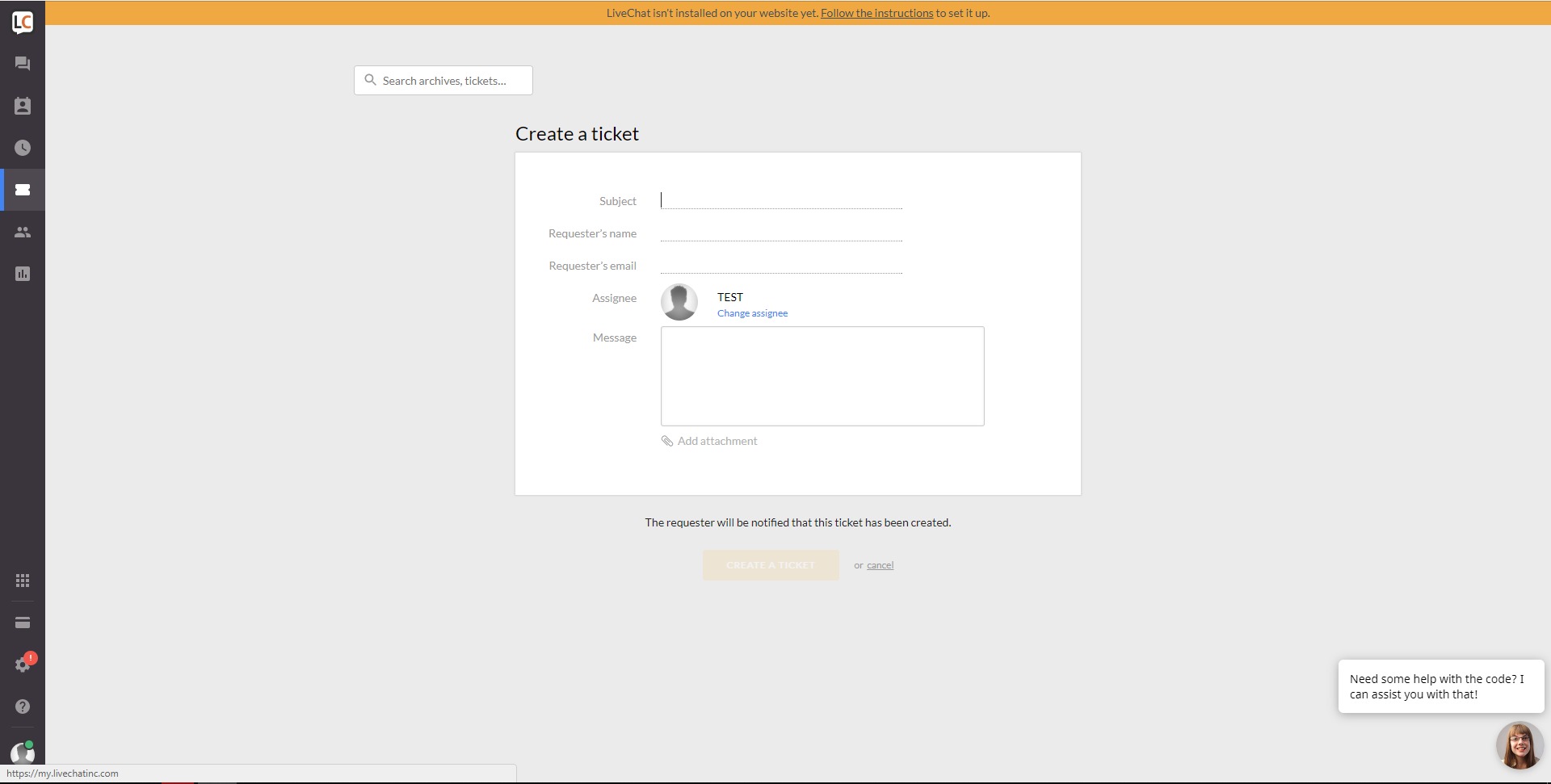
Beyond traditional chat, the platform supports a broader customer service workflow with ticket handling, proactive engagement, reporting, automation, and integrations with other business systems. This makes it useful not only as a support channel but also as part of a wider customer operations stack.
LiveChat is commonly adopted by ecommerce brands, SaaS businesses, service providers, and support-driven teams that want to improve responsiveness while reducing friction across the customer journey.
What key features does LiveChat offer?
Real-Time Customer Messaging
LiveChat enables businesses to engage customers instantly through live chat on websites and digital properties. Agents can answer questions, resolve issues, and guide visitors in real time, helping improve both service and conversion outcomes.
Proactive Chat Invitations
Teams can trigger chat invitations based on visitor behavior, page activity, or predefined conditions. This allows businesses to initiate conversations before a customer asks for help.
Shared Team Inbox
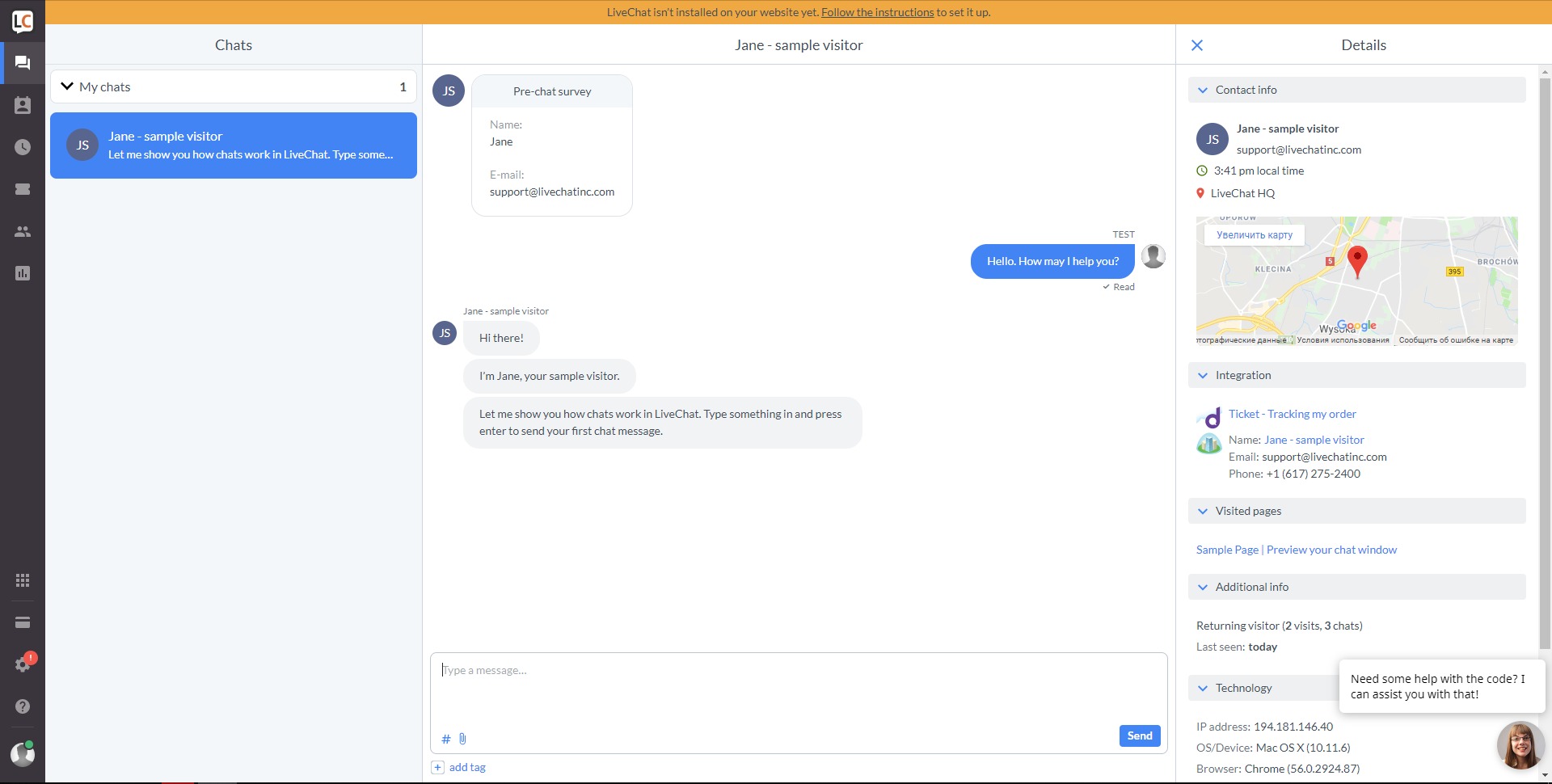
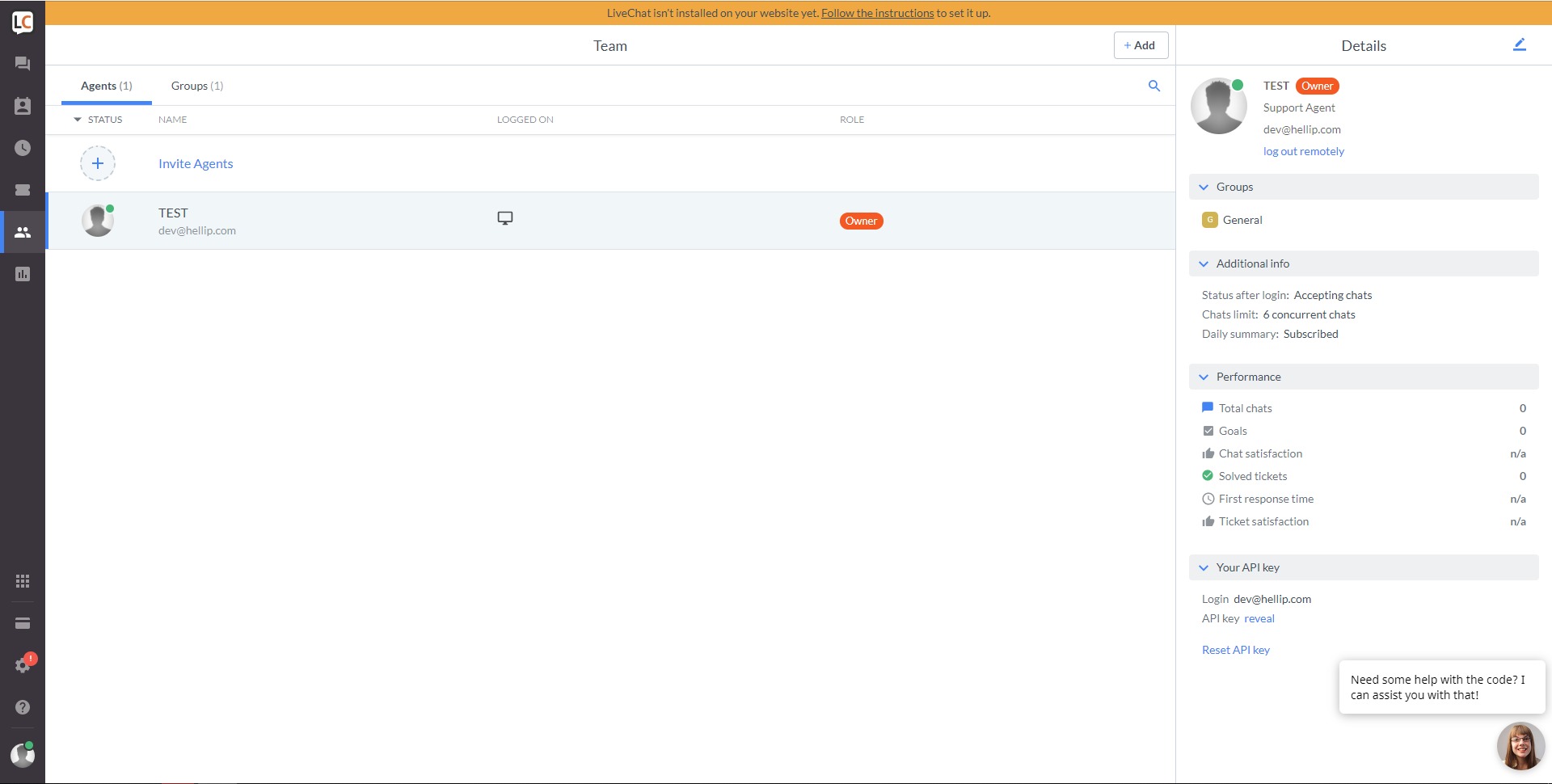
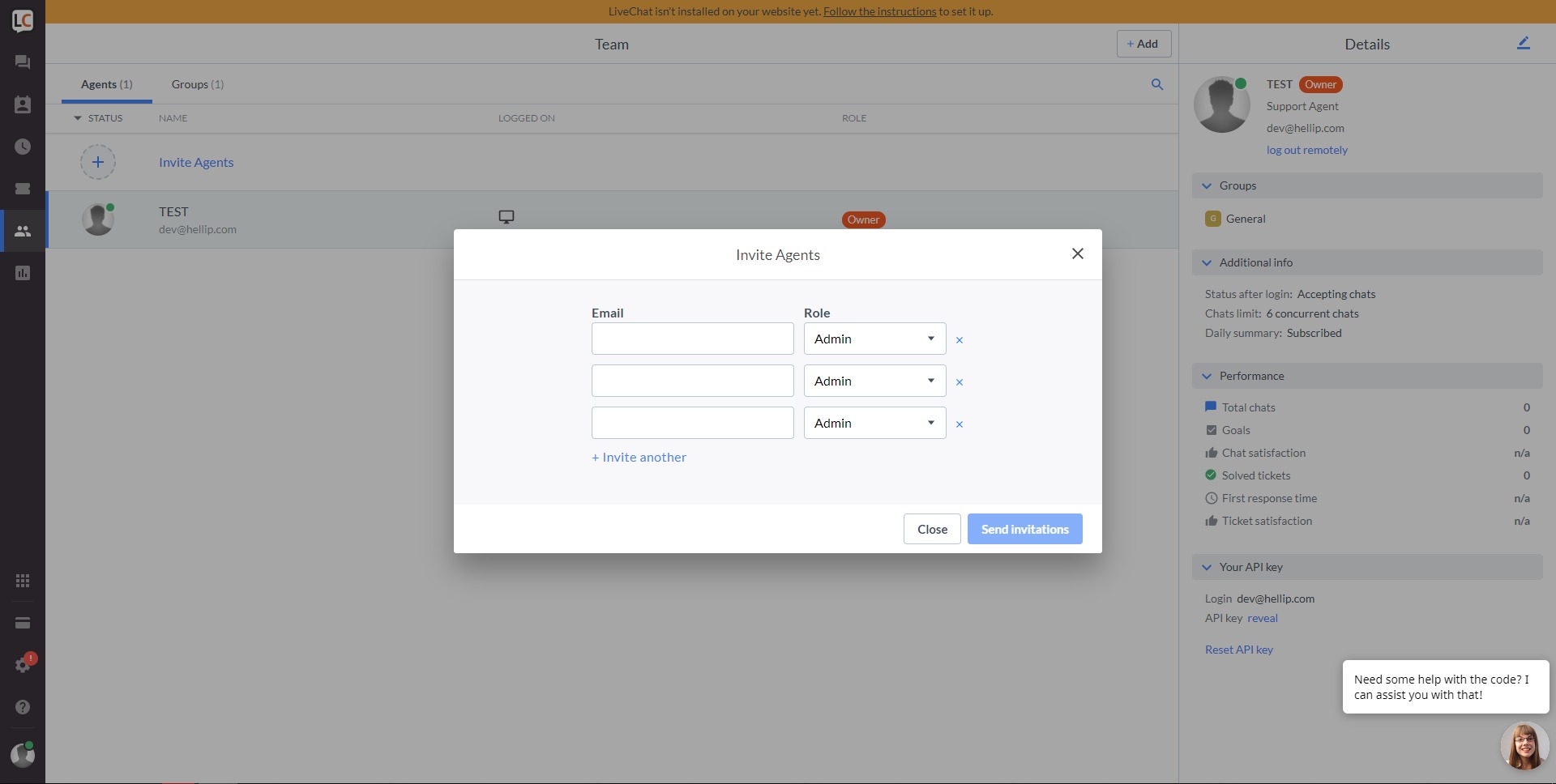
Multiple agents can manage conversations through one workspace, assign chats internally, transfer requests, and keep communication organized across teams.
Automated Workflows and Chat Routing
Automation features help route conversations to the right department, reduce repetitive tasks, and improve response efficiency through predefined workflows.
Visitor Tracking and Engagement Insights
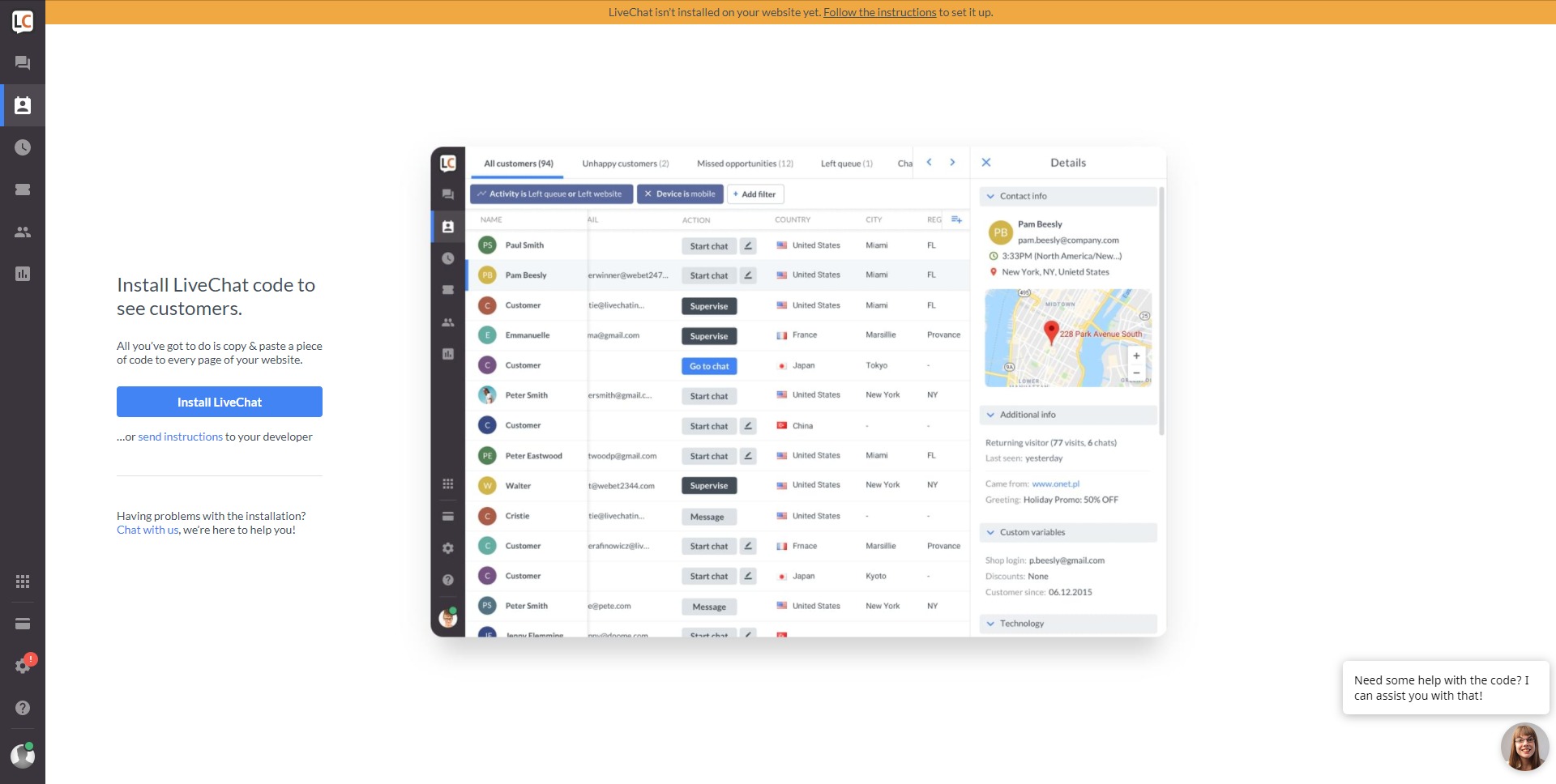
Businesses can monitor visitor activity, understand behavior patterns, and use this context to personalize conversations and support interactions.
Reporting and Performance Analytics
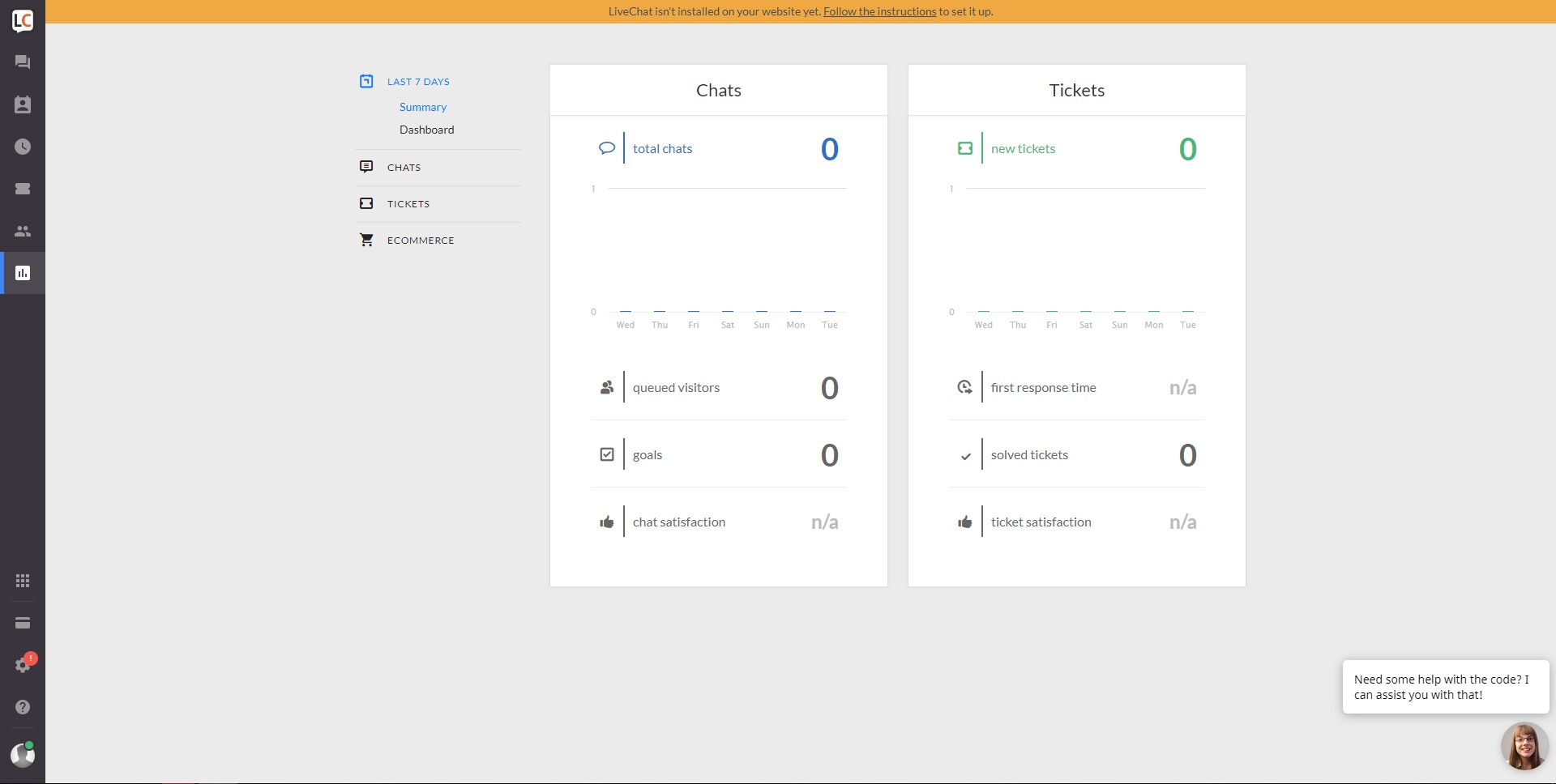
LiveChat includes dashboards for monitoring response times, customer satisfaction, chat volume, agent productivity, and support performance metrics.
Integrations and API Connectivity
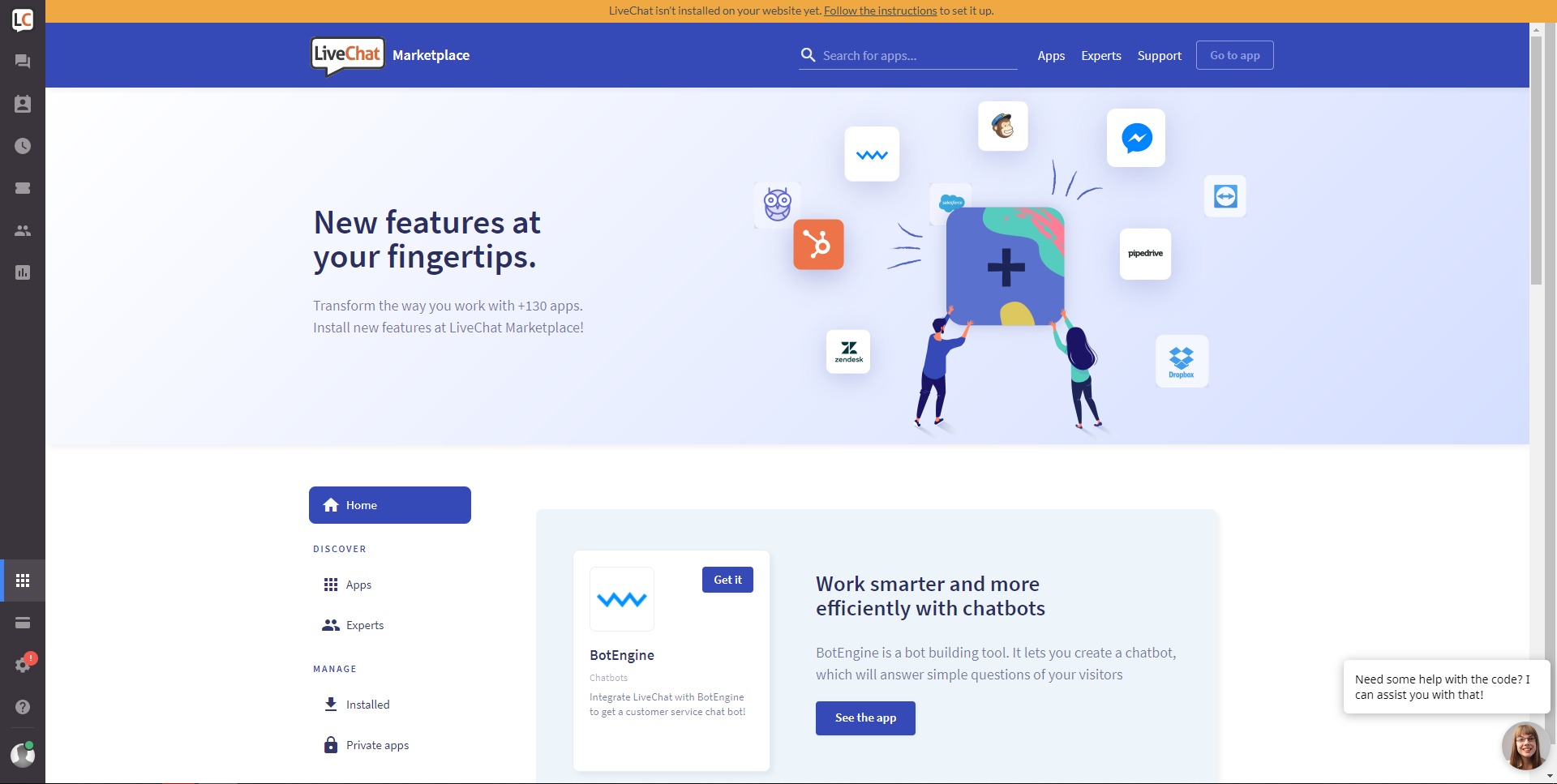
The platform connects with ecommerce systems, CRMs, help desks, email tools, and other business applications, making it easier to fit into existing workflows.
What are common use cases for LiveChat?
Supporting Ecommerce Sales
Online stores use LiveChat to answer product questions, reduce cart abandonment, recommend products, and support customers during checkout.
Improving Customer Support Operations
Support teams use the platform to handle incoming requests faster, centralize conversations, and provide consistent service across digital channels.
Generating and Qualifying Leads
Sales teams use chat conversations to capture leads, answer pre-sales questions, and qualify prospects before passing them into the sales pipeline.
Assisting SaaS Onboarding
Software companies often use LiveChat to support onboarding, guide users through setup, and reduce friction in product adoption.
Managing Service Inquiries
Service businesses can handle consultations, appointment-related questions, and inbound inquiries without relying only on forms or email.
Scaling Support with Automation
Growing teams often use LiveChat to balance human support with automation, helping them scale without increasing support complexity at the same pace.
What benefits can businesses get from LiveChat?
One major benefit is faster customer response. Real-time support reduces waiting and often improves satisfaction while lowering abandonment rates.
Another advantage is stronger conversion support. For many businesses, chat can influence purchase decisions by removing uncertainty during the buying process.
Operational efficiency is another benefit. Shared inboxes, routing rules, and automation can reduce manual coordination and improve team productivity.
LiveChat can also improve customer retention. Quick and personalized support often contributes to stronger trust and better long-term customer relationships.
For management teams, reporting and analytics provide visibility into service performance and opportunities for optimization.
The platform may also reduce tool fragmentation by bringing communication, support workflows, and engagement features into one environment.
How does LiveChat improve customer communication?
LiveChat improves communication by reducing friction. Customers can ask questions at the moment they need help rather than leaving a site or submitting delayed support requests.
Conversations also become more contextual. Agents can respond based on visitor activity, chat history, and customer details, which supports more relevant assistance.
Communication can become more consistent as teams use shared workflows, templates, and routing processes rather than relying on disconnected individual responses.
For many businesses, this creates a more responsive digital experience that feels closer to direct assistance than traditional support channels.
Is LiveChat easy to use for teams?
LiveChat is generally designed for practical day-to-day use by support and sales teams. Agent interfaces focus on handling conversations efficiently, managing multiple chats, and keeping collaboration simple.
For administrators, setup options typically support chat customization, automation rules, routing logic, and reporting without requiring heavy technical involvement.
Many businesses value the balance between approachable daily use and deeper configuration capabilities as operations grow.
This makes the platform suitable both for smaller teams starting with live chat and larger organizations building structured support processes.
What is the user experience like with LiveChat?
The user experience is often centered around speed, simplicity, and continuity.
For customers, the experience tends to be immediate and conversational. Instead of navigating support barriers, visitors can often receive help without leaving the page.
For agents, the focus is on organized conversation management, clear workflows, and productivity support.
For managers, the experience includes oversight through analytics, team coordination, and performance tracking.
Overall, LiveChat is positioned as more than a chat widget. It functions as a customer communication layer that can support sales, service, and operational efficiency through one unified platform.
LiveChat Alternatives




LiveChat Integrations





























LiveChat. Implementation & Enablement
Are you an Implementation Partner
This platform doesn’t offer implementation services directly.
Businesses work with independent Implementation Partners for setup, integrations, customization, consulting, and ongoing support.
If you help clients implement or extend this platform, you can list your expertise here and get discovered by teams looking for help.
Add your Implementation Services