ConvergeHub
Languages:
English
Localization:
World
What is ConvergeHub and who is it for?
ConvergeHub is a business management platform designed for companies that want sales, marketing, customer support, and billing activities connected in one place. Instead of using separate tools for leads, deals, customer communication, invoices, and service requests, businesses can manage those processes through a single system. This makes ConvergeHub especially relevant for small and midsize companies that need structure without building a complicated software stack.
The platform is built for teams that want a clearer view of the customer journey from first contact to closed deal and ongoing support. It fits businesses that handle many client interactions, need organized follow-up, and want better visibility across departments. ConvergeHub is not limited to contact storage. Its real value comes from combining customer data, workflow tracking, reporting, and day-to-day operational processes in a centralized environment.
What key features does ConvergeHub offer?
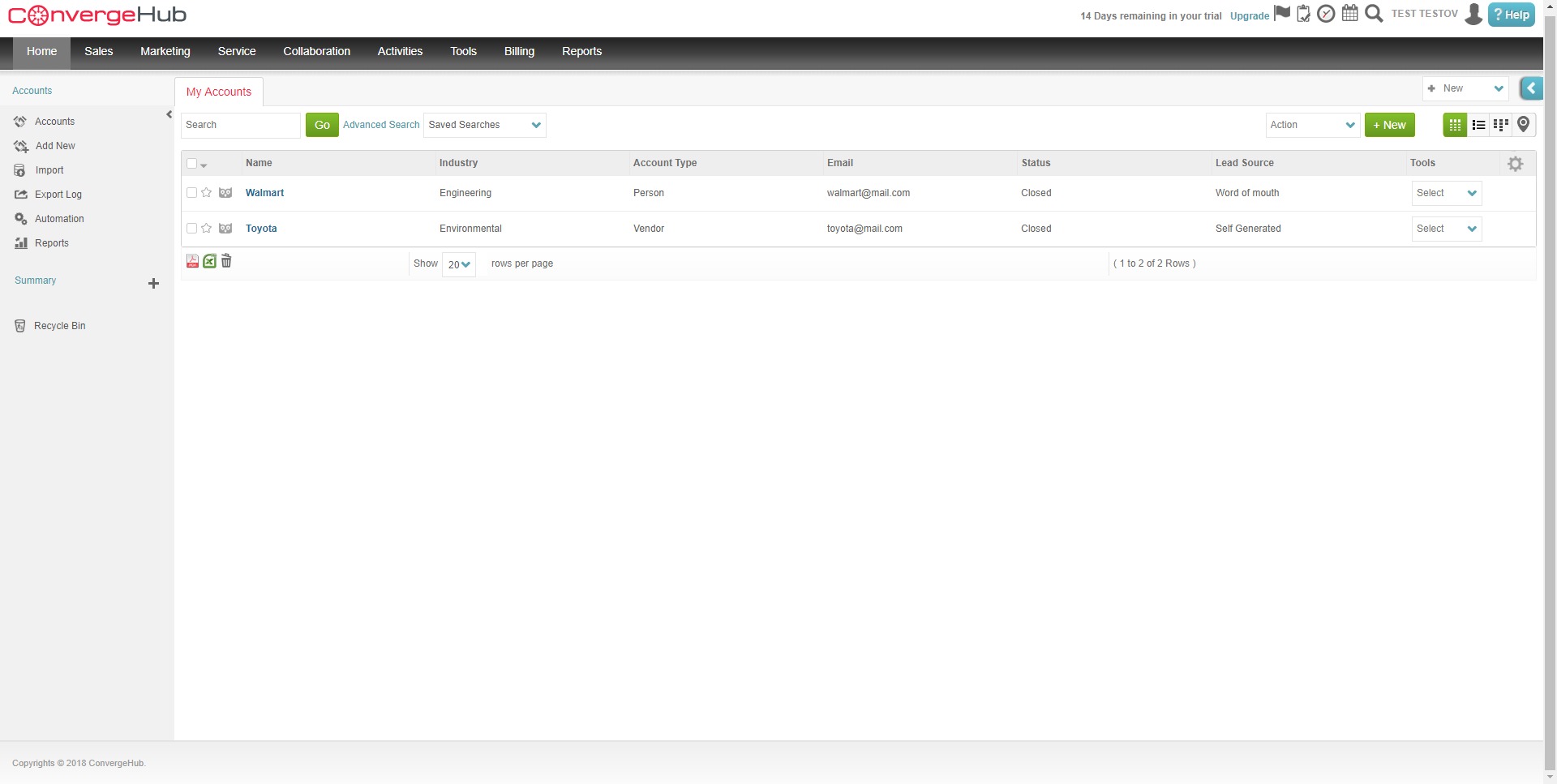
- Contact and Lead Management
ConvergeHub helps teams capture, organize, and track leads and contacts in a structured way. This includes storing customer details, recording interactions, assigning ownership, and keeping lead histories visible for the whole team. - Sales Pipeline and Opportunity Tracking
The platform gives businesses a way to manage deals through different stages of the sales cycle. Teams can monitor opportunities, update statuses, set tasks, and reduce the chance of missed follow-ups or stalled conversations. - Marketing Campaign Management
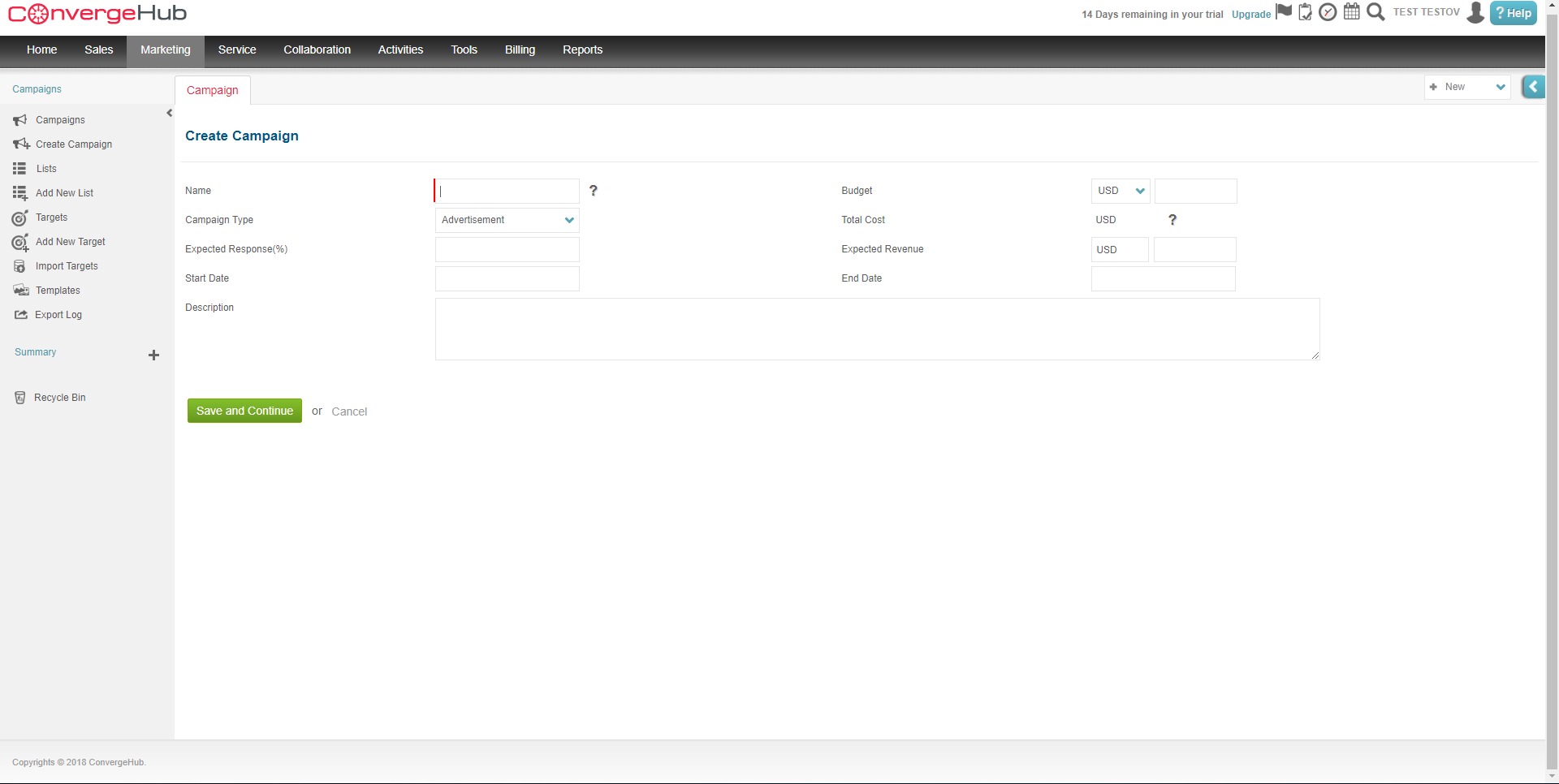
ConvergeHub includes tools for managing marketing activities tied to customer records. This helps teams segment audiences, organize campaigns, and align outreach with the broader sales process. - Customer Support and Case Handling
Businesses can manage customer service issues, support tickets, and service-related communication inside the same system. This is useful for companies that need customer history available to both support and sales teams. - Billing and Invoicing Tools
One of the stronger aspects of ConvergeHub is the inclusion of quotes, invoices, and billing-related workflows. This reduces the gap between customer acquisition and revenue operations. - Workflow Automation
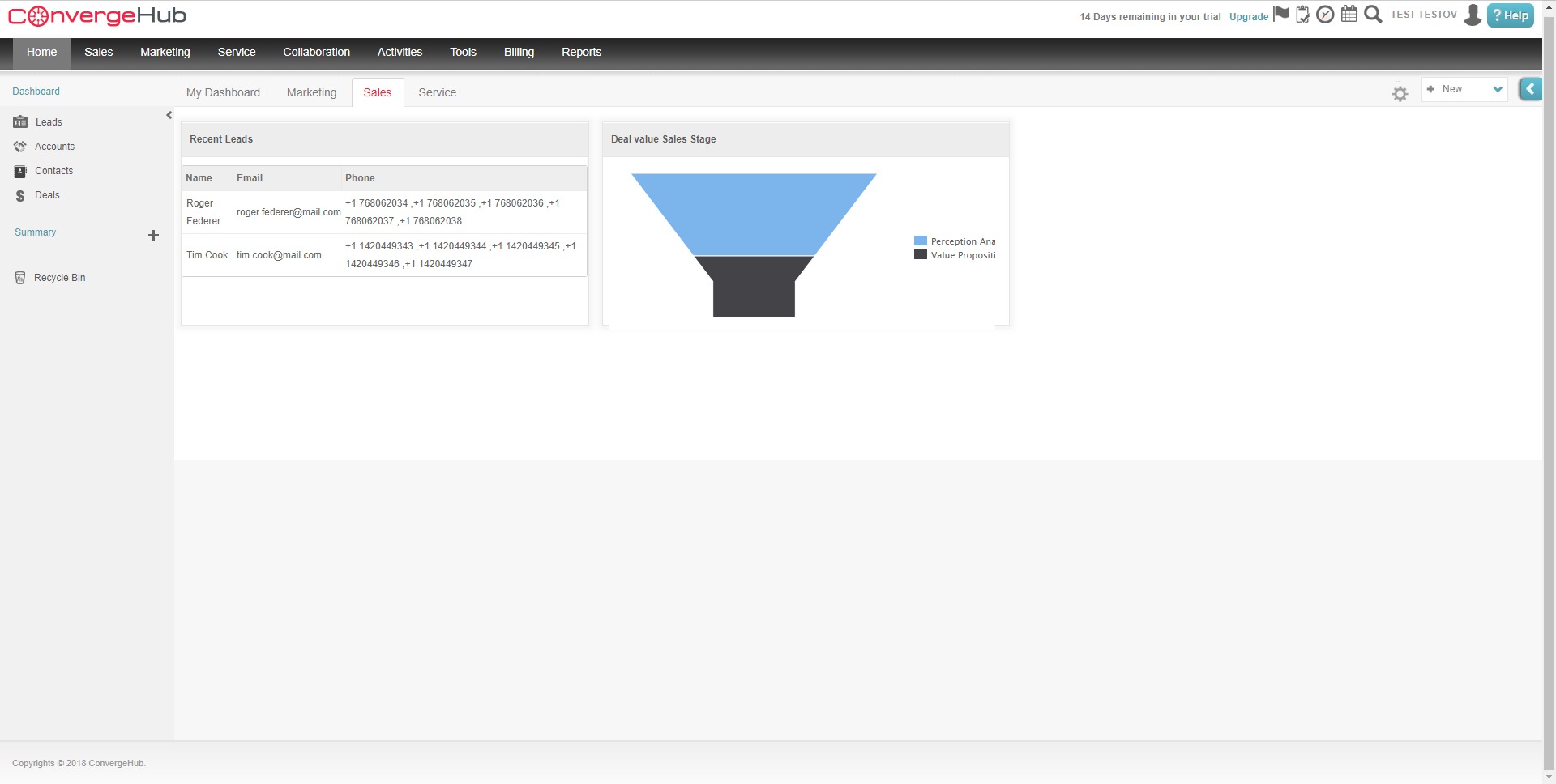
ConvergeHub supports automation for repetitive activities such as task assignments, reminders, status changes, and follow-up processes. This can reduce manual coordination and improve consistency. - Dashboards and Reporting
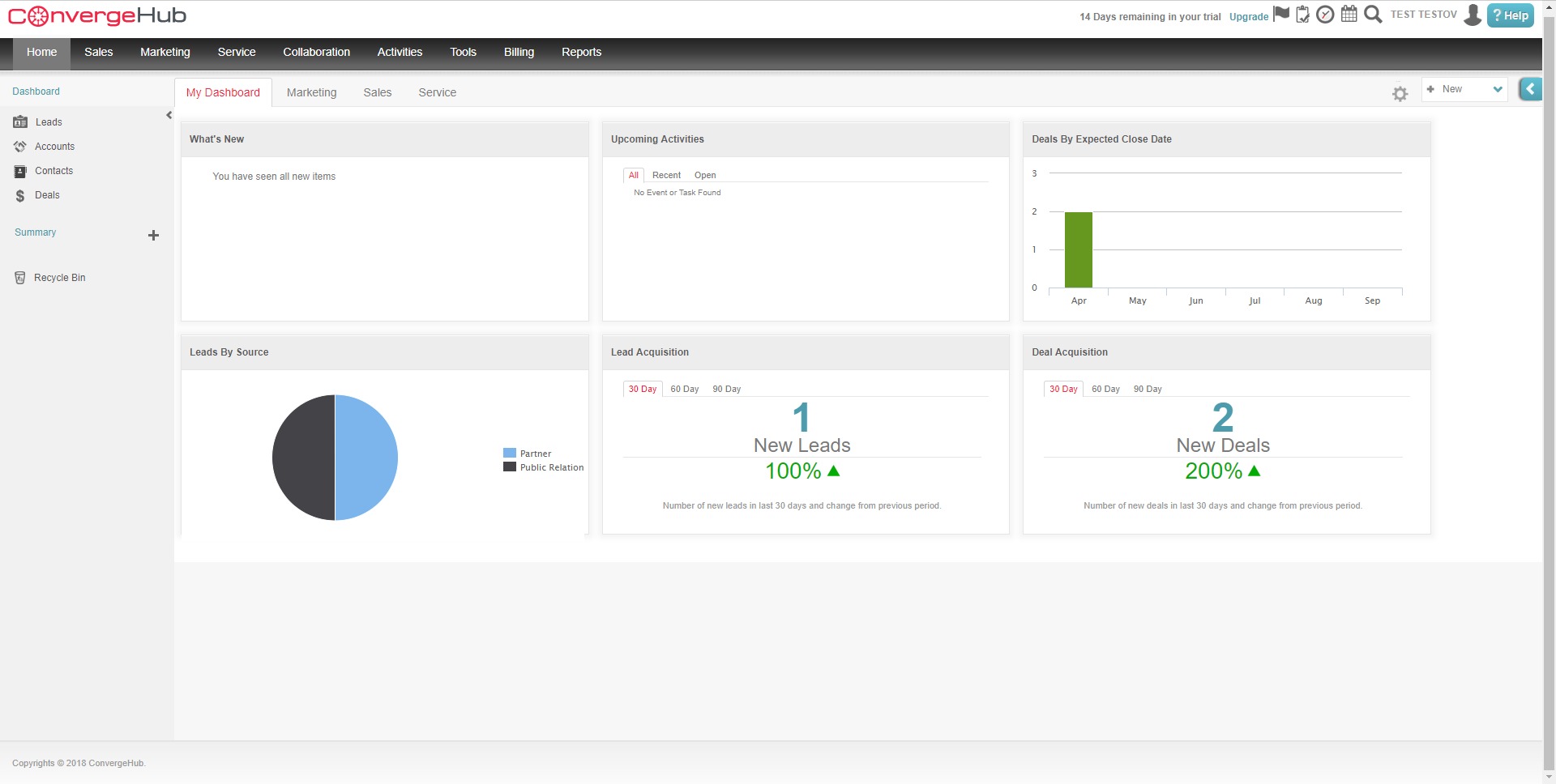
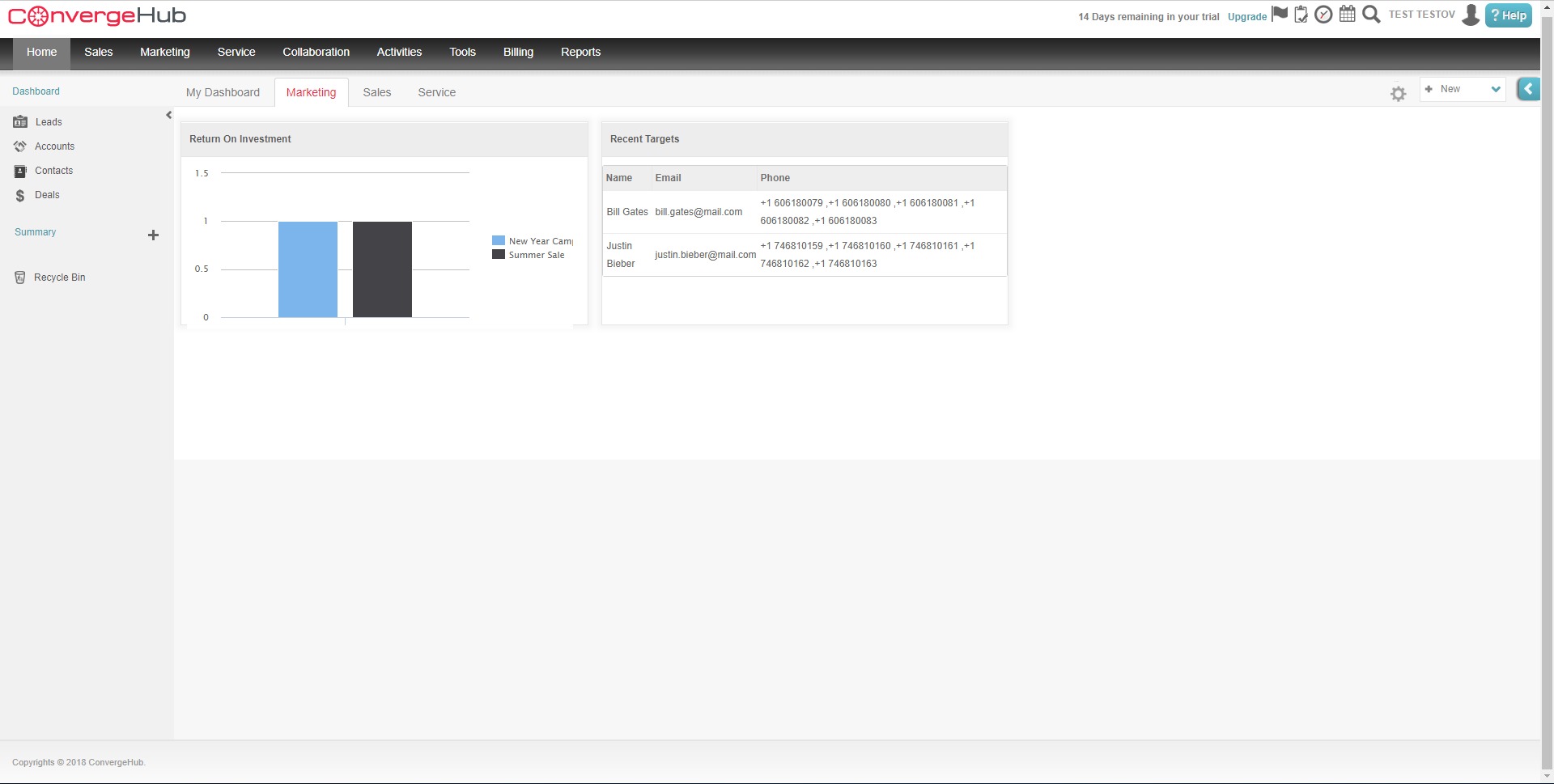
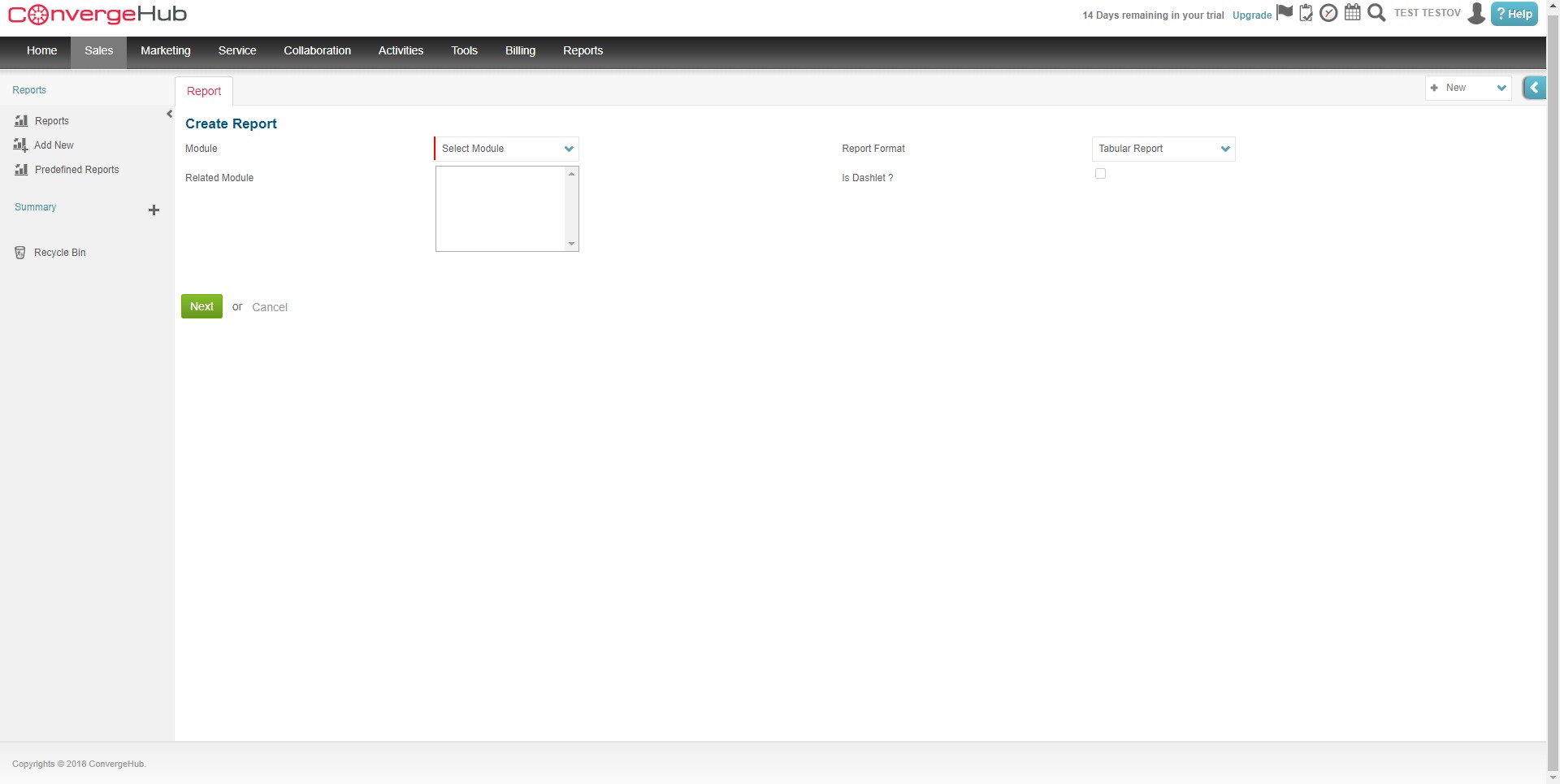
The platform provides reporting and performance visibility across sales, marketing, support, and financial activity. Teams can use this to track productivity, monitor progress, and make better operational decisions. - Customization and Business Fit
ConvergeHub can be adjusted to fit different workflows, team structures, and service models. This flexibility makes it more practical for businesses that do not want to force their process into a rigid template.
How can businesses use ConvergeHub in real situations?
- Managing sales and follow-ups more consistently
A growing company can use ConvergeHub to capture inbound leads, assign them to the right sales person, track every interaction, and move opportunities through a defined pipeline without losing visibility. - Connecting marketing with revenue activity
A team running campaigns can connect marketing efforts directly to leads, conversions, and deal progression, making it easier to see which outreach actually drives business results. - Handling support without losing customer context
Businesses with repeat customers can use ConvergeHub to give support teams access to account history, open opportunities, and past communication, helping service feel more informed and less fragmented. - Keeping billing closer to the customer lifecycle
Service firms, agencies, and consultancies can move from proposal to invoice inside one environment, reducing administrative friction and minimizing disconnects between delivery and payment. - Improving cross-team coordination
Companies with lean teams can use ConvergeHub to create a shared system where sales, service, and operations work from the same information instead of passing updates manually across separate tools.
Why do businesses choose ConvergeHub?
ConvergeHub appeals to businesses that want operational clarity without enterprise-level complexity. A major advantage is consolidation. When lead tracking, deal management, support cases, and billing live in separate tools, teams spend too much time switching systems and fixing communication gaps. ConvergeHub reduces that sprawl.
Another benefit is visibility. Managers can see customer activity more clearly, sales teams can stay organized, and support teams can respond with better context. This can improve responsiveness, internal accountability, and overall customer handling.
The platform also supports scalability. A small business may begin with simple contact and sales tracking, then expand into automation, service workflows, reporting, and invoicing as operations become more demanding. That makes ConvergeHub useful not only as a CRM, but as a broader business operating platform.
What is the user experience like with ConvergeHub?
The user experience in ConvergeHub is shaped around centralization and practicality. Teams get one place to manage customer records, pipeline activity, support interactions, and billing tasks, which can make everyday work feel more organized and less scattered.
For businesses moving away from spreadsheets or disconnected apps, the value is often immediate: fewer blind spots, cleaner handoffs, and better workflow control. The platform is particularly appealing to companies that need breadth of functionality but still want a system that feels manageable.
ConvergeHub is best understood as more than a standard CRM. It works as a connected workspace for companies that want customer-facing processes aligned, visible, and easier to scale.
2023-11-22 08:44:35: ConvergeHub Business Growth Video Youtube
2023-06-09 12:12:17: GoToMeeting Integration with ConvergeHub: Enhance Your Online Meetings Youtube
2023-06-09 12:01:10: Imap Integration with ConvergeHub: Simplify Email Management Youtube
2023-06-09 11:53:40: Complete Mailchimp Integration with ConvergeHub Tutorial: Streamline Your Email Marketing Efforts Youtube
2018-01-02 09:25:56: Best CRM for small business | Grow Your Business with ConvergeHub Youtube
2016-06-27 07:52:02: Adding Dropdown Process in Knowledgebase of ConvergeHub Youtube
2016-06-27 07:33:02: Creating and Closing a Case in ConvergeHub CRM Youtube
2016-06-27 07:17:24: Launch Email Campaign in ConvergeHub Youtube
2016-06-25 08:39:05: Importing Leads into ConvergeHub Youtube
2016-06-25 08:03:44: Generate Agreement and Docusign in ConvergeHub Youtube
ConvergeHub Alternatives




ConvergeHub Integrations