CiviCRM
Languages:
English
Localization:
World

What is CiviCRM and how does it help organizations?
CiviCRM is an open-source customer and constituent relationship management platform built for nonprofits, associations, advocacy groups, and mission-driven organizations. Unlike traditional sales-focused CRM tools, CiviCRM is designed around managing supporters, donors, members, volunteers, event participants, and service recipients in one unified system.
The platform helps organizations organize contacts, track engagement, manage fundraising, run events, support memberships, and automate communications. It combines operational workflows with relationship management, allowing teams to reduce fragmentation caused by disconnected tools and spreadsheets.
CiviCRM is often chosen by organizations that need flexibility and ownership over their data while supporting complex engagement models. It can function as a donor management system, membership platform, event management solution, and case management tool, making it valuable for both growing nonprofits and established institutions. Its modular approach allows organizations to adopt the capabilities they need now and expand over time as programs evolve.
What key features does CiviCRM include?
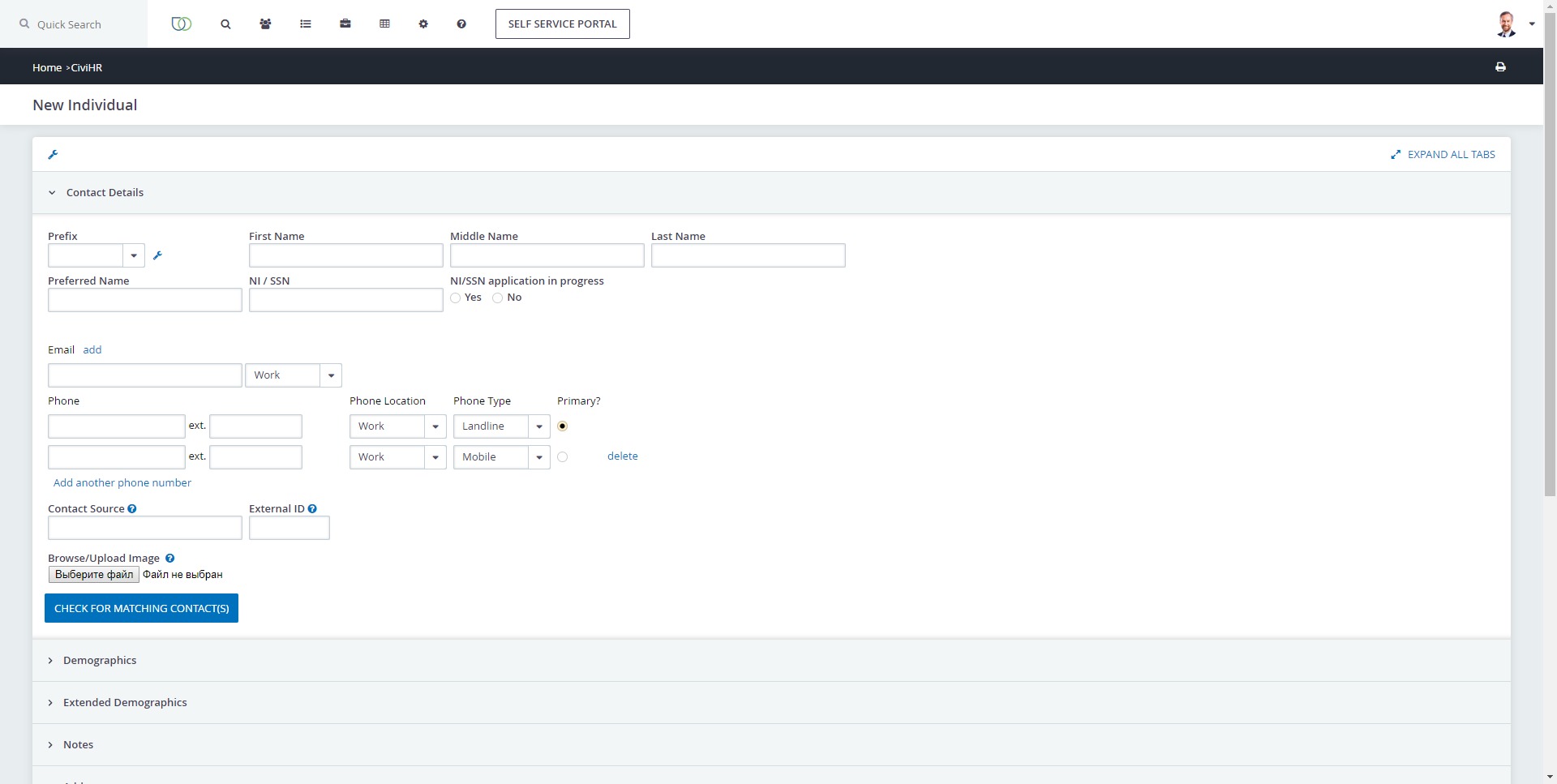
Contact and Constituent Management
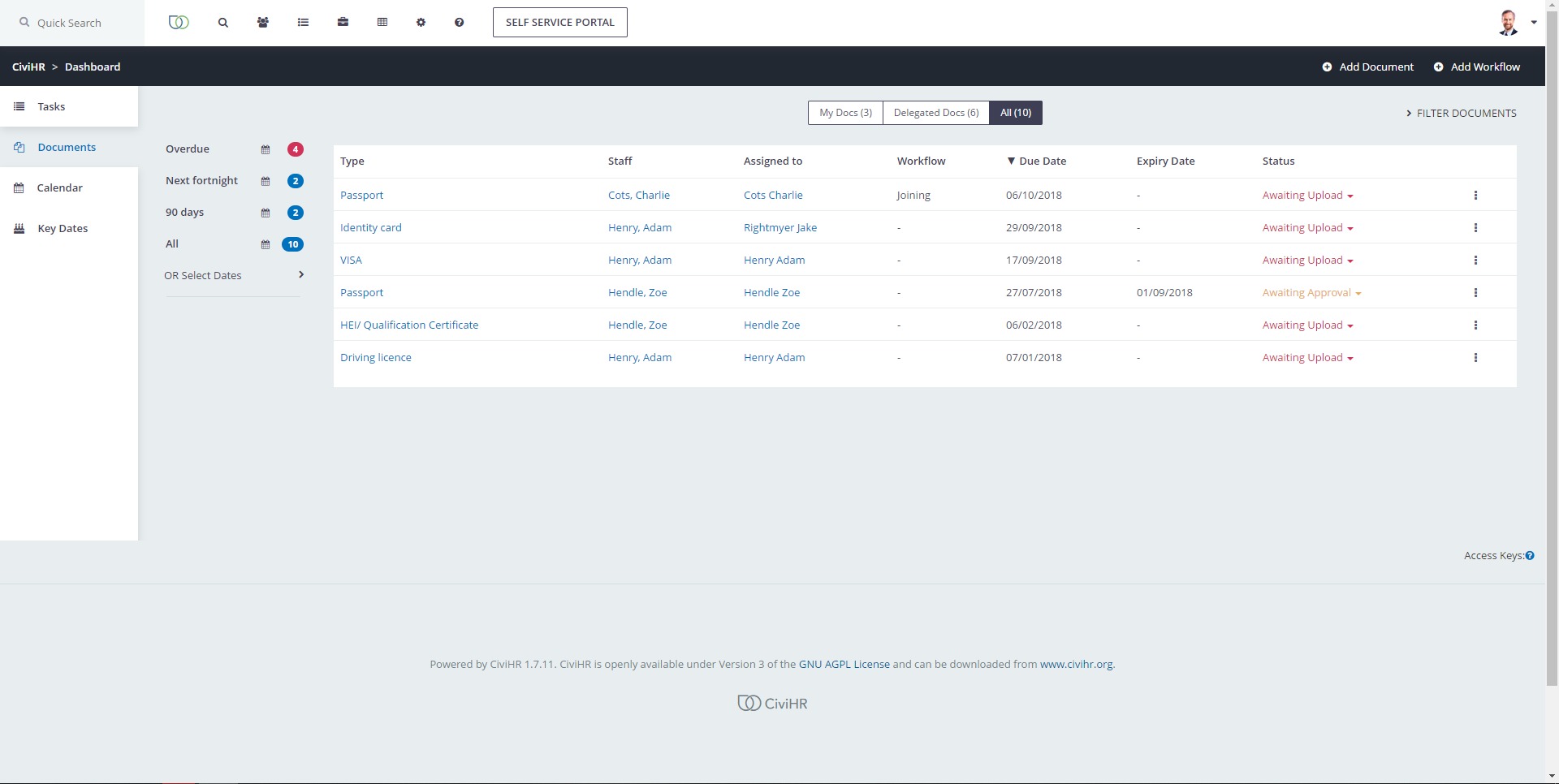
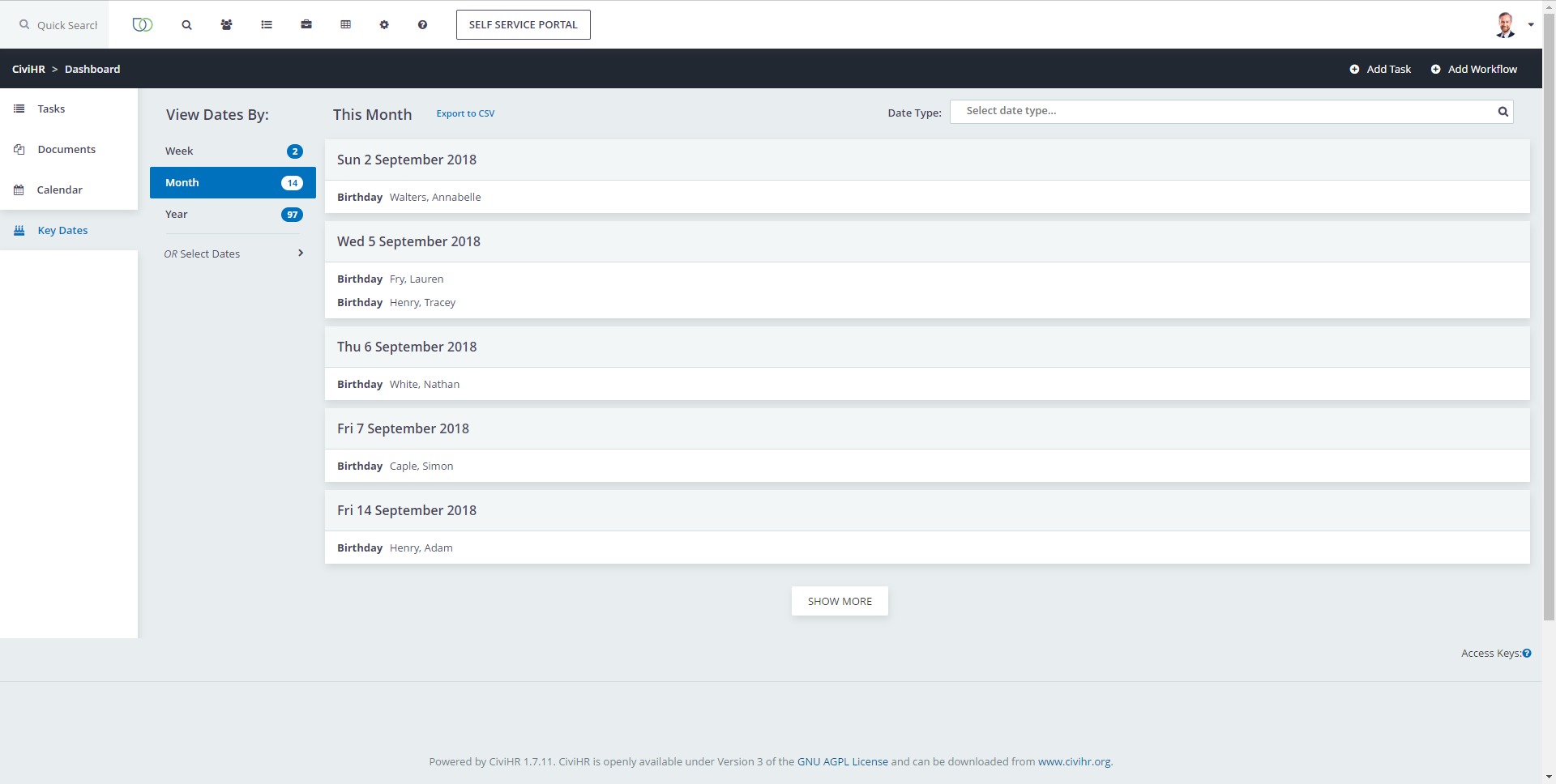
CiviCRM centralizes supporter, donor, volunteer, and stakeholder records into a unified database. Organizations can track relationships, interactions, communication history, segmentation, and engagement activities from a single system.
Fundraising and Donation Management
The platform supports one-time and recurring donations, contribution pages, pledge tracking, donor segmentation, payment integrations, receipts, and fundraising reporting. These tools help streamline campaigns while improving donor retention.
Membership Management
CiviCRM offers tools for managing member databases, renewals, subscriptions, dues, membership levels, automated reminders, and self-service registration workflows. This is especially valuable for associations and member-based organizations.
Event Management
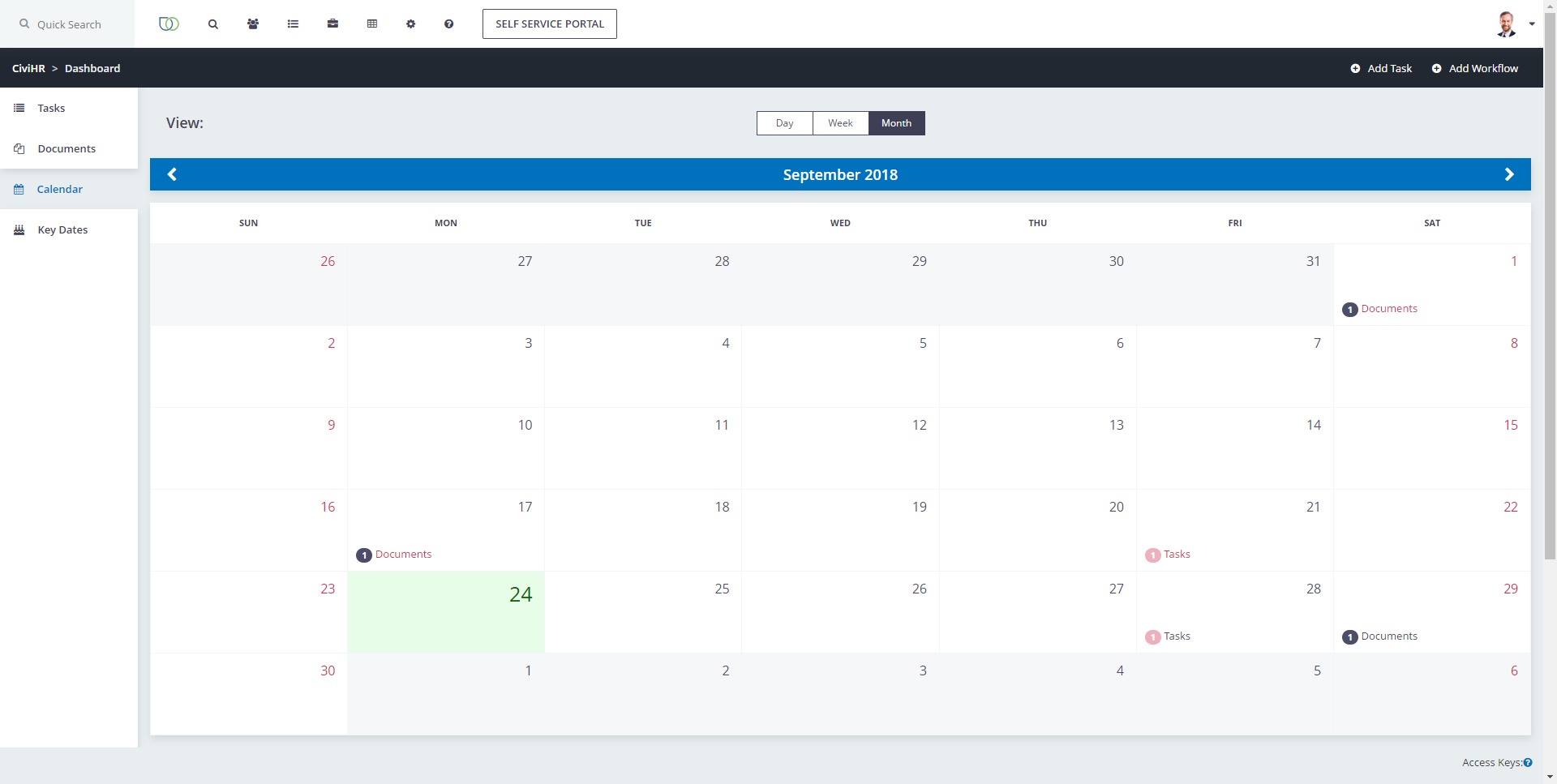
Organizations can manage registrations, ticketing, participant communication, attendance tracking, and event-related reporting. Event data remains connected to constituent records for a complete engagement history.
Case Management
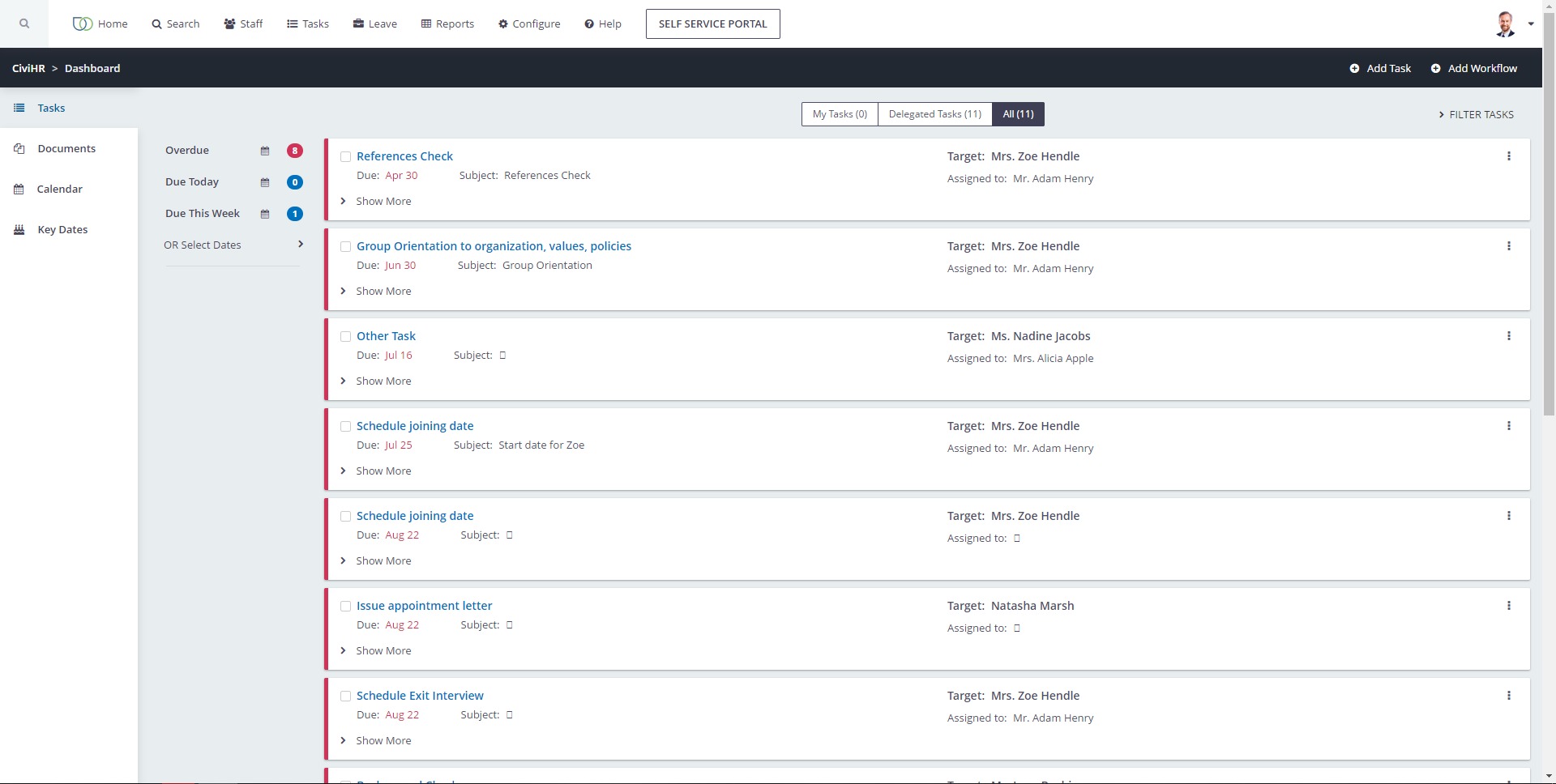
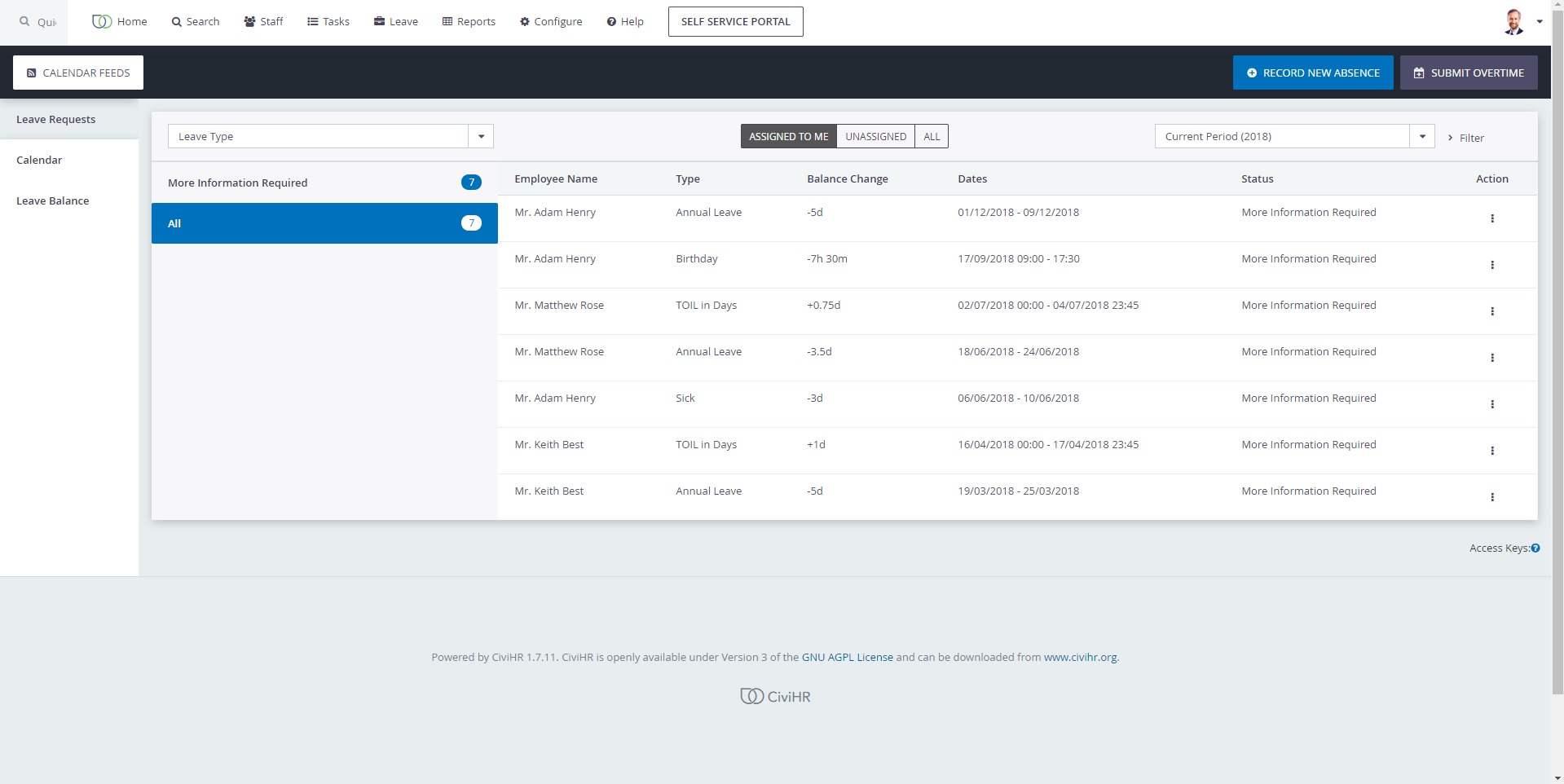
With configurable workflows, organizations can manage support programs, service cases, intake processes, or advocacy work. Tasks, milestones, and outcomes can be tracked within structured case records.
Email and Communication Tools
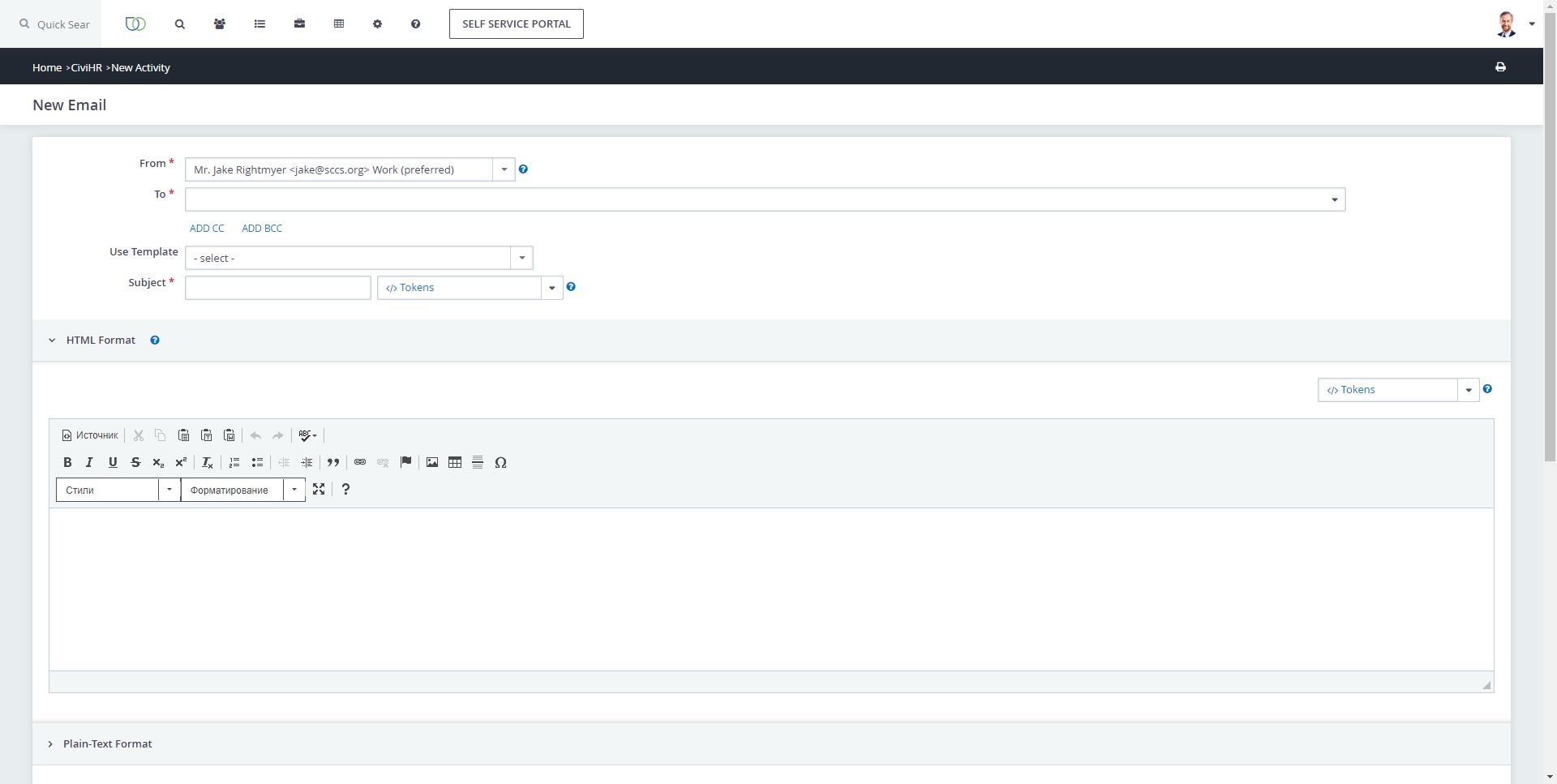
Built-in email tools support segmentation, bulk messaging, personalized communication, and campaign outreach. Communication can be tied directly to supporter records for stronger engagement tracking.
Reporting and Customization
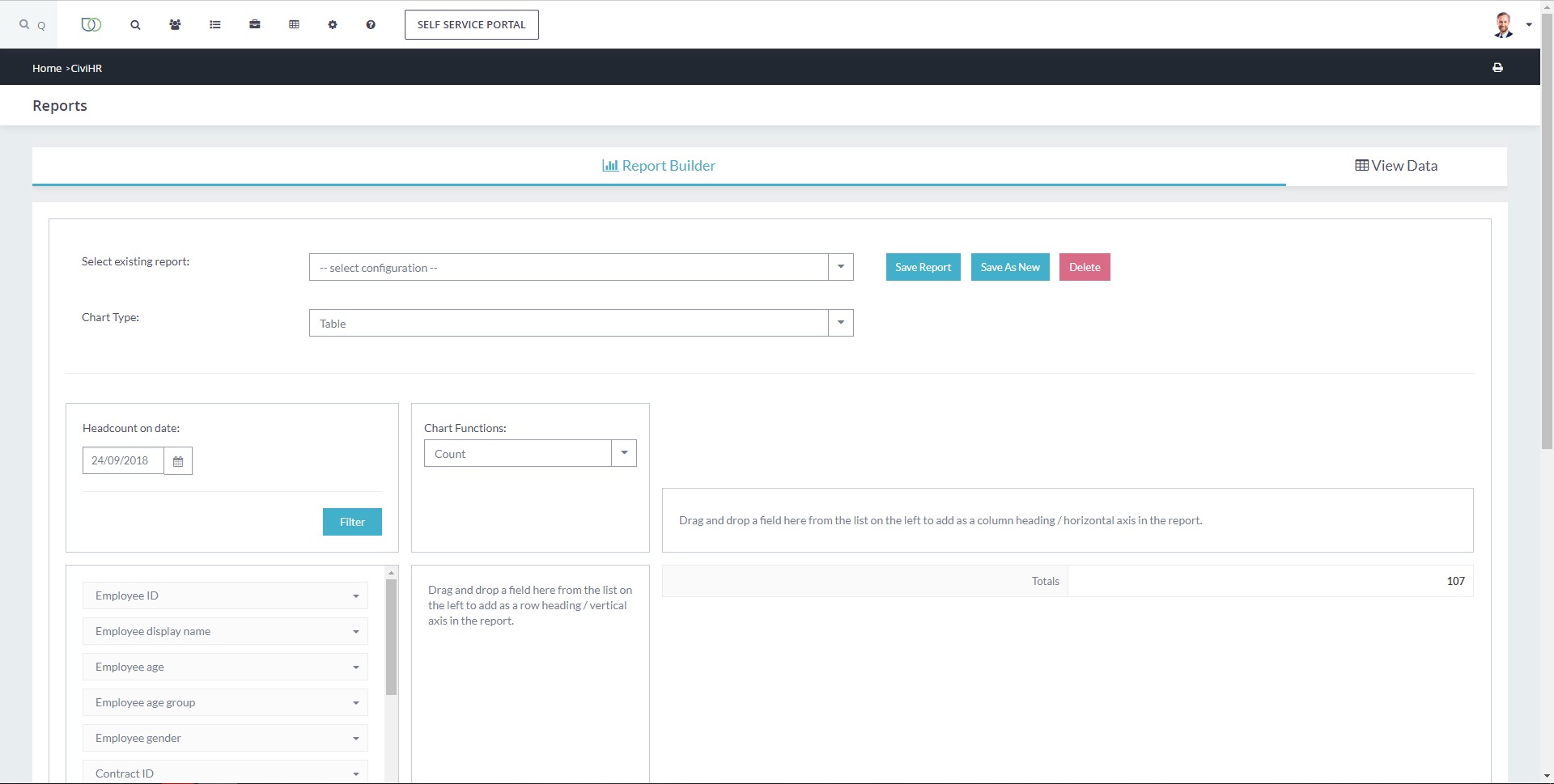
Custom reports, dashboards, permissions, extensions, and API integrations help organizations adapt the platform to specialized processes without rigid limitations.
What are common use cases for CiviCRM?
Nonprofit Fundraising Operations
Nonprofits use CiviCRM to manage donor relationships, run campaigns, automate giving workflows, and improve fundraising visibility through consolidated data.
Membership Associations
Professional associations and member organizations rely on CiviCRM to handle renewals, memberships, dues processing, and ongoing engagement programs.
Advocacy and Civic Campaigns
Advocacy groups use the platform to organize supporters, manage outreach, coordinate actions, and track engagement across campaigns.
Events and Community Programs
Organizations running conferences, trainings, or community initiatives use CiviCRM to manage participant journeys from registration through follow-up.
Service Delivery and Case Programs
Social impact organizations, nonprofits, and service providers use case management capabilities to coordinate constituent support and structured interventions.
Multi-Program Organizations
Organizations managing fundraising, memberships, programs, and events in parallel often use CiviCRM as an operational hub rather than multiple disconnected systems.
What benefits does CiviCRM provide?
Unified Data Management
One major advantage is bringing fundraising, events, memberships, and constituent records into a single environment. This reduces silos and improves decision-making.
Operational Flexibility
CiviCRM can adapt to a wide range of workflows, structures, and engagement models. Organizations are not forced into rigid processes that do not fit their mission.
Lower Dependency on Proprietary Systems
Because it is open source, organizations gain more control over data, customization, and long-term platform strategy.
Automation and Efficiency
Recurring tasks such as renewals, donation acknowledgments, communications, and reporting can be automated, reducing manual administration.
Scalable Growth Support
The platform supports organizations at different stages, from small teams to large institutions managing complex operations.
Better Relationship Intelligence
With interactions, contributions, participation, and communications connected, organizations gain a clearer picture of supporter engagement and program impact.
How is the CiviCRM user experience?
CiviCRM is often appreciated for depth and flexibility rather than simplified one-size-fits-all workflows. For organizations with structured processes and complex needs, this can be a significant advantage.
Users typically benefit from a centralized interface where multiple operational functions can be managed without switching between disconnected tools. Staff working in fundraising, membership administration, events, or service delivery often gain efficiency from shared data and unified workflows.
The platform can require planning and thoughtful configuration during implementation, especially for organizations with custom requirements. However, that investment often leads to stronger alignment between software and real operational needs.
For administrators and technical teams, customization capabilities are a major strength. For end users, automation and consolidated records often improve daily usability over time.
Organizations seeking lightweight contact management may find simpler tools sufficient, but teams needing fundraising, membership, engagement, and program management in one platform often value the broader user experience CiviCRM delivers.
Why do organizations choose CiviCRM over generic CRM platforms?
Many organizations choose CiviCRM because it is built around mission-driven operations rather than traditional sales pipelines. Features like memberships, donations, case management, and event engagement are not secondary add-ons but core capabilities.
It is often selected when organizations need flexibility, control, integrated program management, and a system that can support both relationship-building and operational delivery.
For nonprofits looking beyond simple donor databases toward long-term digital infrastructure, CiviCRM often serves as a strategic foundation rather than just another CRM tool.
2025-07-06 20:56:47: Automatizando CiviCRM con Reglas - Matt Wire Youtube
2025-07-05 15:31:21: Using Composer with CiviCRM + Drupal - Mark Hanna Youtube
2025-07-05 14:22:16: Resource Management with CiviCRM - Lena Jukna Youtube
2025-07-05 02:08:55: CiviCRM Relationship Advice - Gena Dellett Youtube
2025-07-04 20:49:11: Must-See Extensions for CiviCRM - Jon Goldberg Youtube
2025-07-04 20:06:56: Stepwise - Multi-Step Forms for CiviCRM - Allen Shaw Youtube
2025-07-03 20:25:34: New SearchKit Batch Import Display - Coleman Watts Youtube
2025-07-03 19:32:52: How CiviCRM Powers the NY State Senate - Nate Frank Youtube
2025-06-11 16:41:38: Make New Features for CiviCRM Instantly With No Code Youtube
2025-05-30 20:02:10: CiviCRM Celebrates 20th Anniversary with Co-Founder Dave Greenberg Youtube
2022-10-18 16:06:36: CiviCRM Autumn Sprint 2022 was our biggest meet-up since the pandemic, with almost all of the core team, and attendees from Germany, Spain, Portugal, Netherlands, France, US, Canada and New Zealand meeting in Manchester, UK. https://t.co/hd0DAVJQeg https://t.co/QiszdMhMO6Twitter
2021-03-19 13:47:01: CiviCRM 5.35.1 Security Release (and ESR 5.33.3). We recommend you immediately upgrade to 5.35.1 (or 5.33.3 for extended support). Thanks to everyone who reported, fixed and funded fixes: https://t.co/uNz8NjTY6Z.Twitter
2021-03-02 17:21:58: The next monthly CiviCRM #CoffeeCorner, for "CiviCRM talk over coffee" is this Thursday, March 4th, 9.30 - 10.30am CET: https://t.co/jWqpxlKG1r. https://t.co/Grt7SoF5gpTwitter
2021-02-02 17:47:08: Starting in 15 minutes, Coleman Watts from #CiviCRM core team, will be presenting the latest developments with #SearchKit: https://t.co/0FmPPh7bdW.Twitter
CiviCRM Alternatives