Answerbase
Languages:
English
Localization:
World
What is Answerbase and how does it help websites grow?
Answerbase is an AI Q&A content platform designed to help websites improve search visibility, customer engagement, and conversion rates through structured question-and-answer content. It is especially useful for ecommerce businesses, service providers, marketplaces, and content-driven websites that need a better way to address real customer questions at scale.
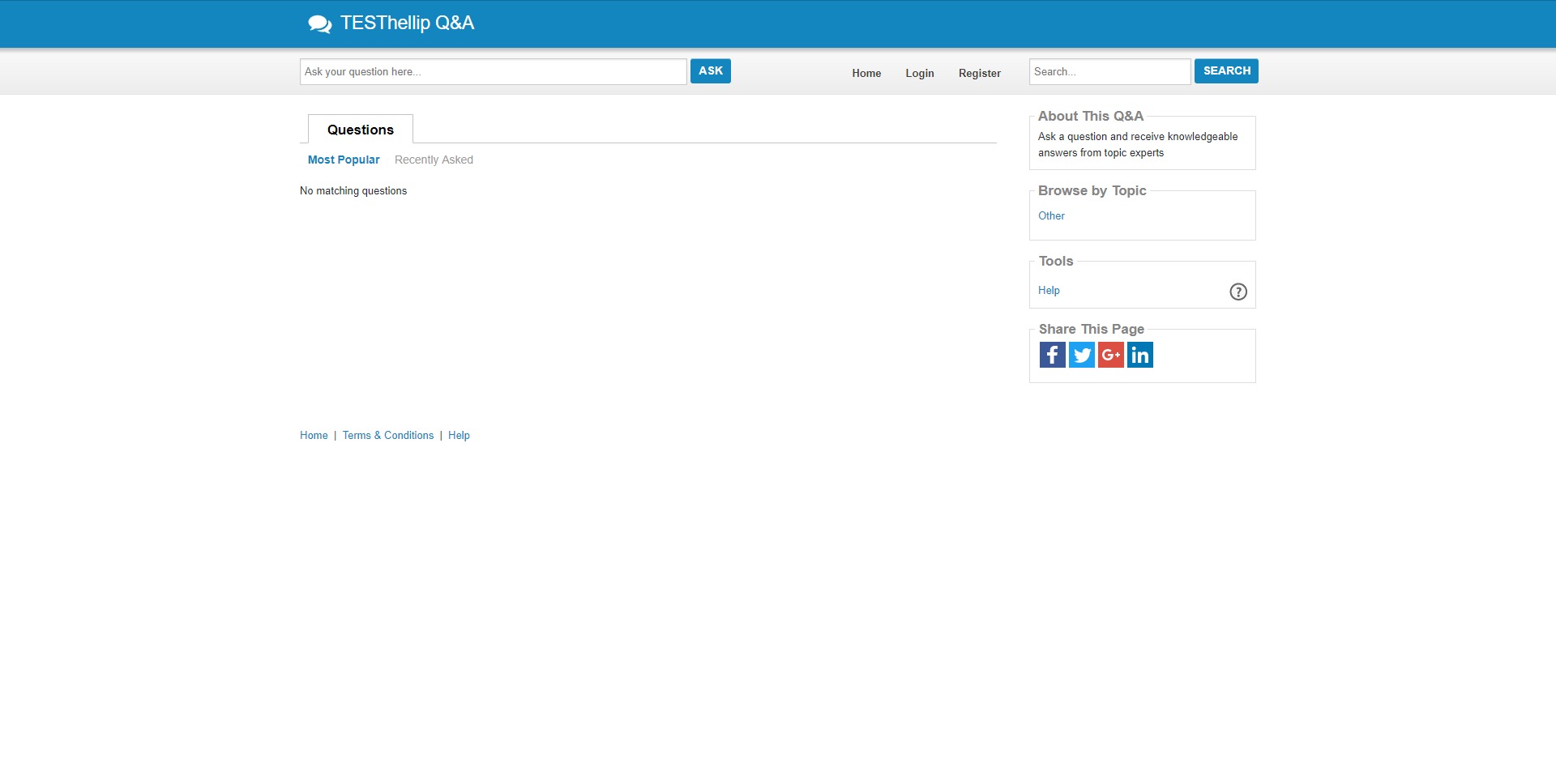
The platform allows businesses to collect, organize, and publish questions and answers directly on product pages, category pages, and other high-intent parts of a website. Instead of relying only on static descriptions, Answerbase turns real visitor intent into searchable content. This gives businesses a practical way to create more relevant page depth without rebuilding their entire content strategy.
Answerbase also helps reduce the gap between what customers want to know and what a page currently explains. By surfacing useful answers in the right context, it supports both SEO performance and user trust. For brands that want a scalable way to expand helpful content while supporting the buying journey, Answerbase works as both a content engine and a customer interaction layer.
What key features does Answerbase offer for Q&A and SEO?
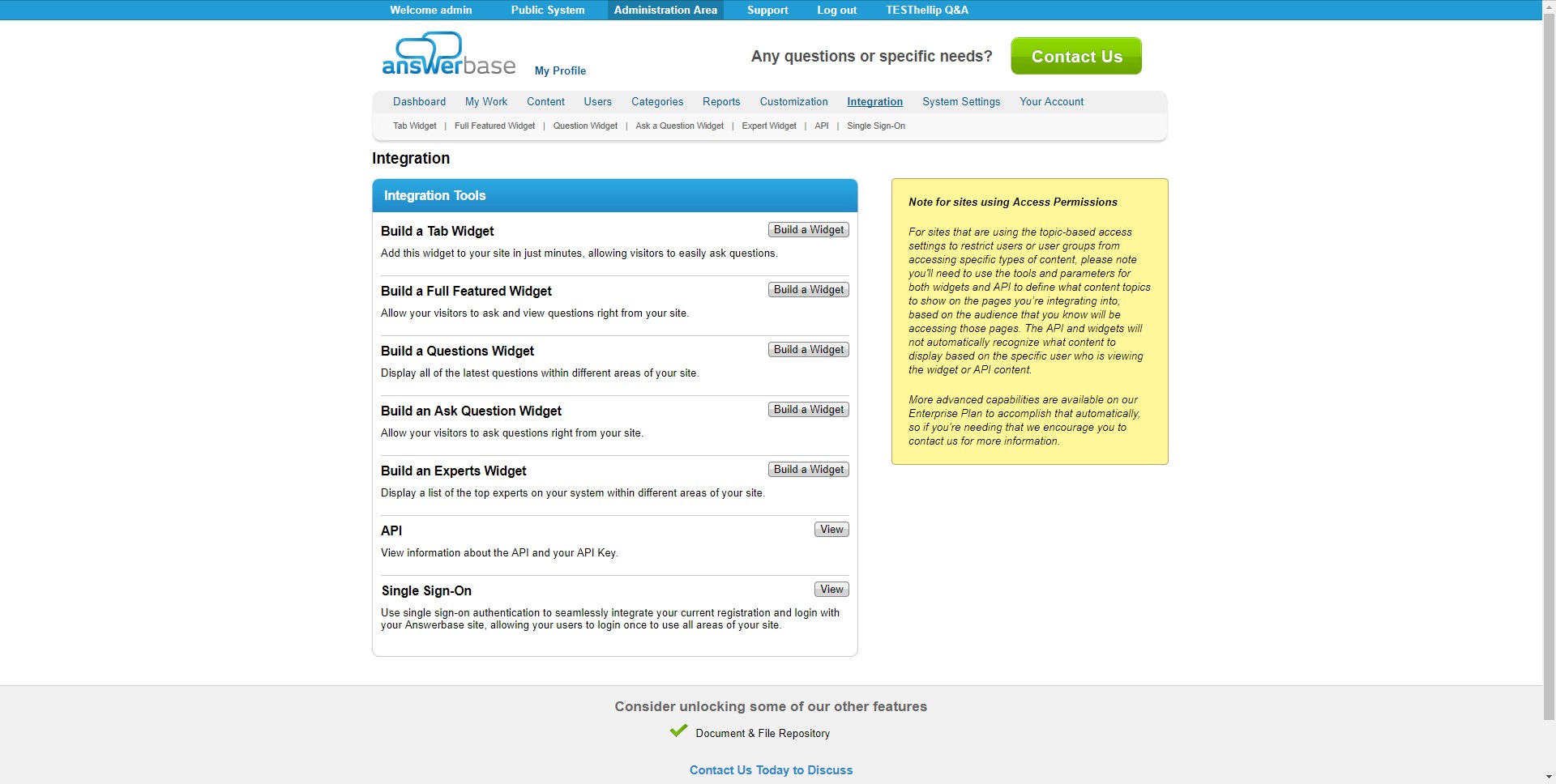
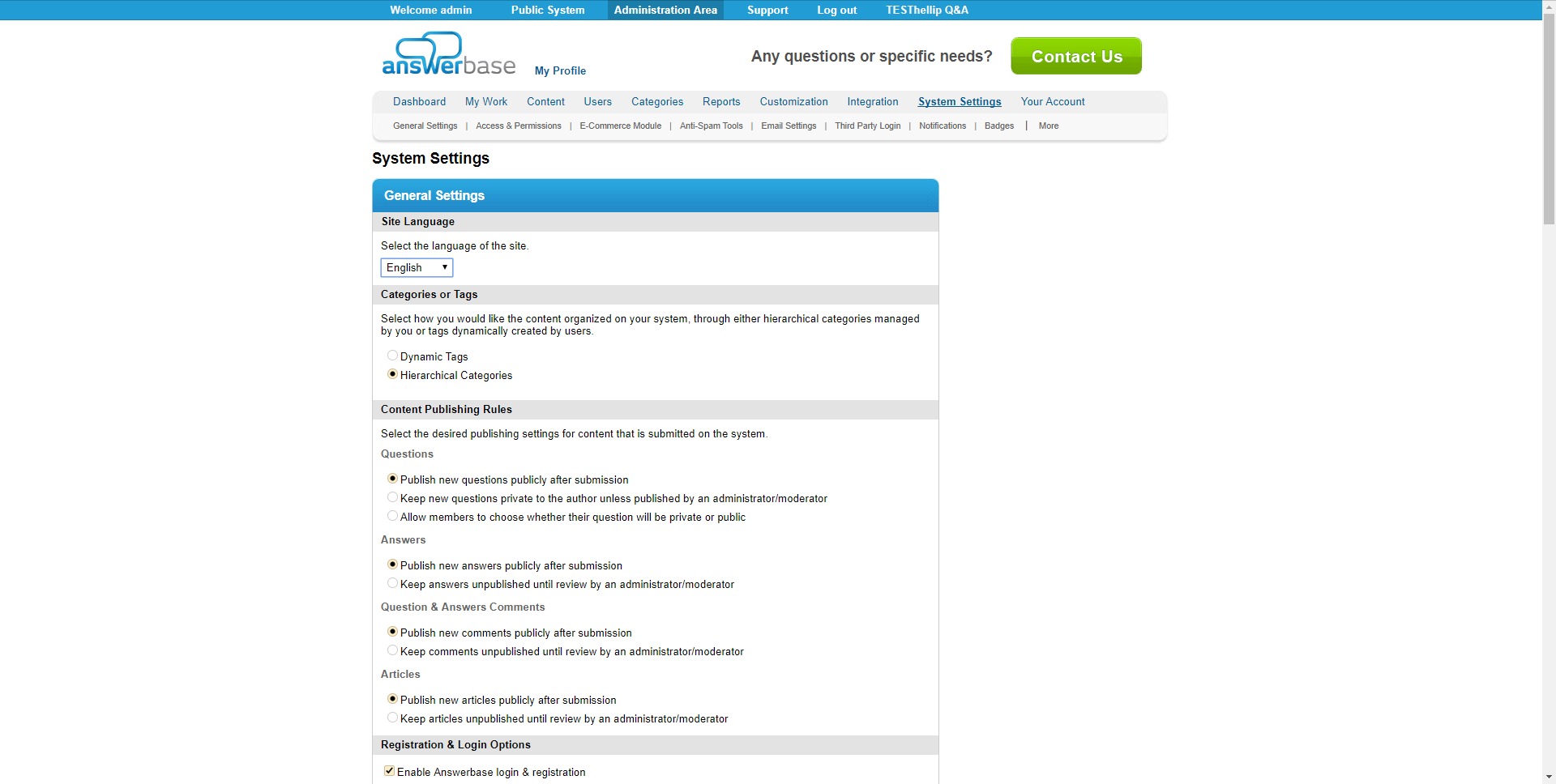
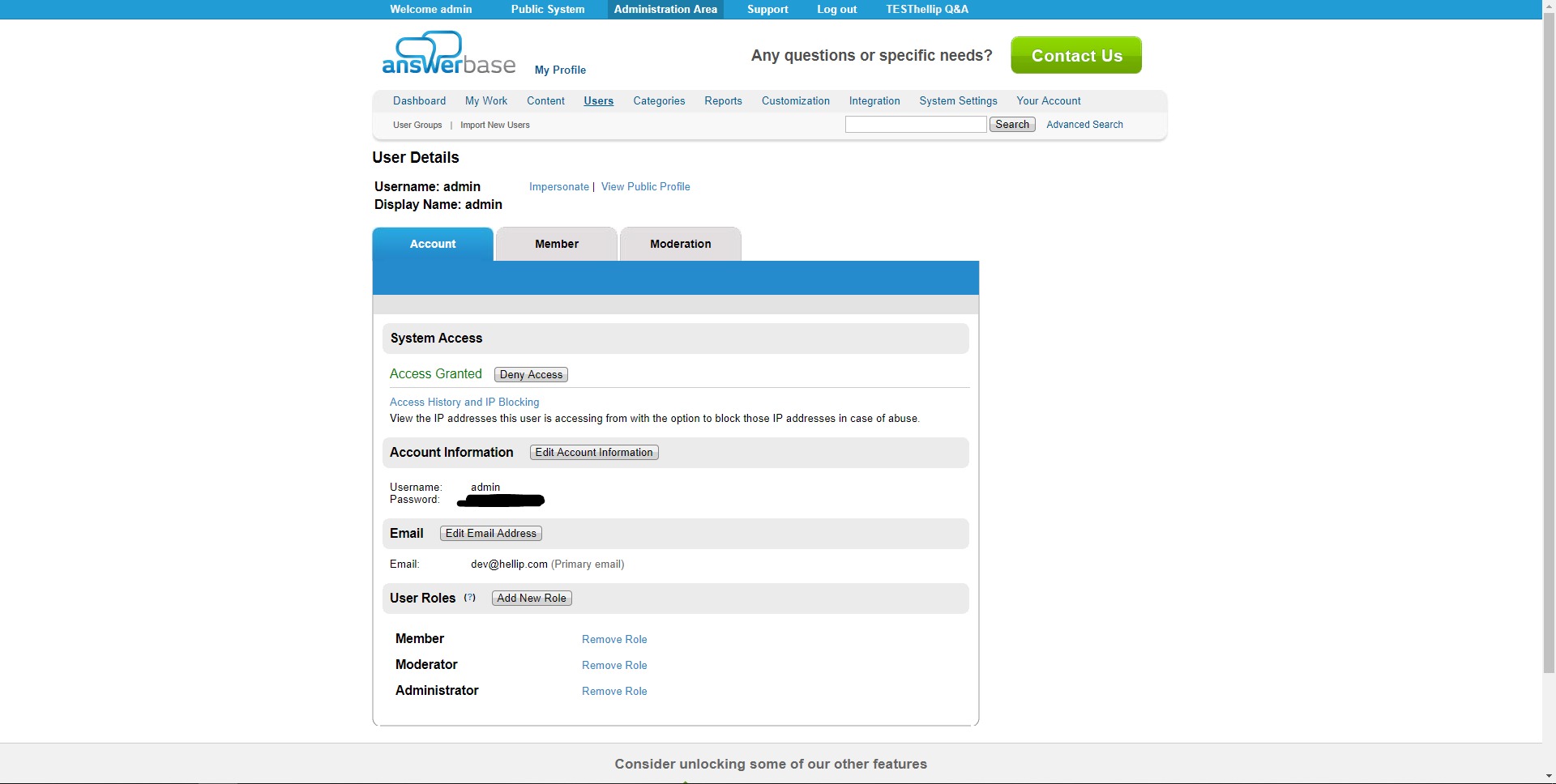
- AI-powered answer generation
Answerbase helps generate answers based on existing page content, known product information, and previous questions. This makes it easier to respond quickly to common customer concerns while maintaining a steady flow of useful content across the website. - On-page Q&A integration
The platform can place interactive question-and-answer sections directly on key pages. This allows visitors to find relevant answers without leaving the page, which can reduce hesitation and keep users moving toward a decision. - SEO-focused content expansion
Each new question and answer adds additional indexable content that reflects real user intent. This can improve the relevance of a page for both broad and long-tail search queries, especially in competitive ecommerce and service niches. - Customer question collection
Answerbase gives users a way to ask questions in context. Instead of forcing support requests through separate channels, it captures useful demand signals directly on the page where interest happens. - Moderation and content control
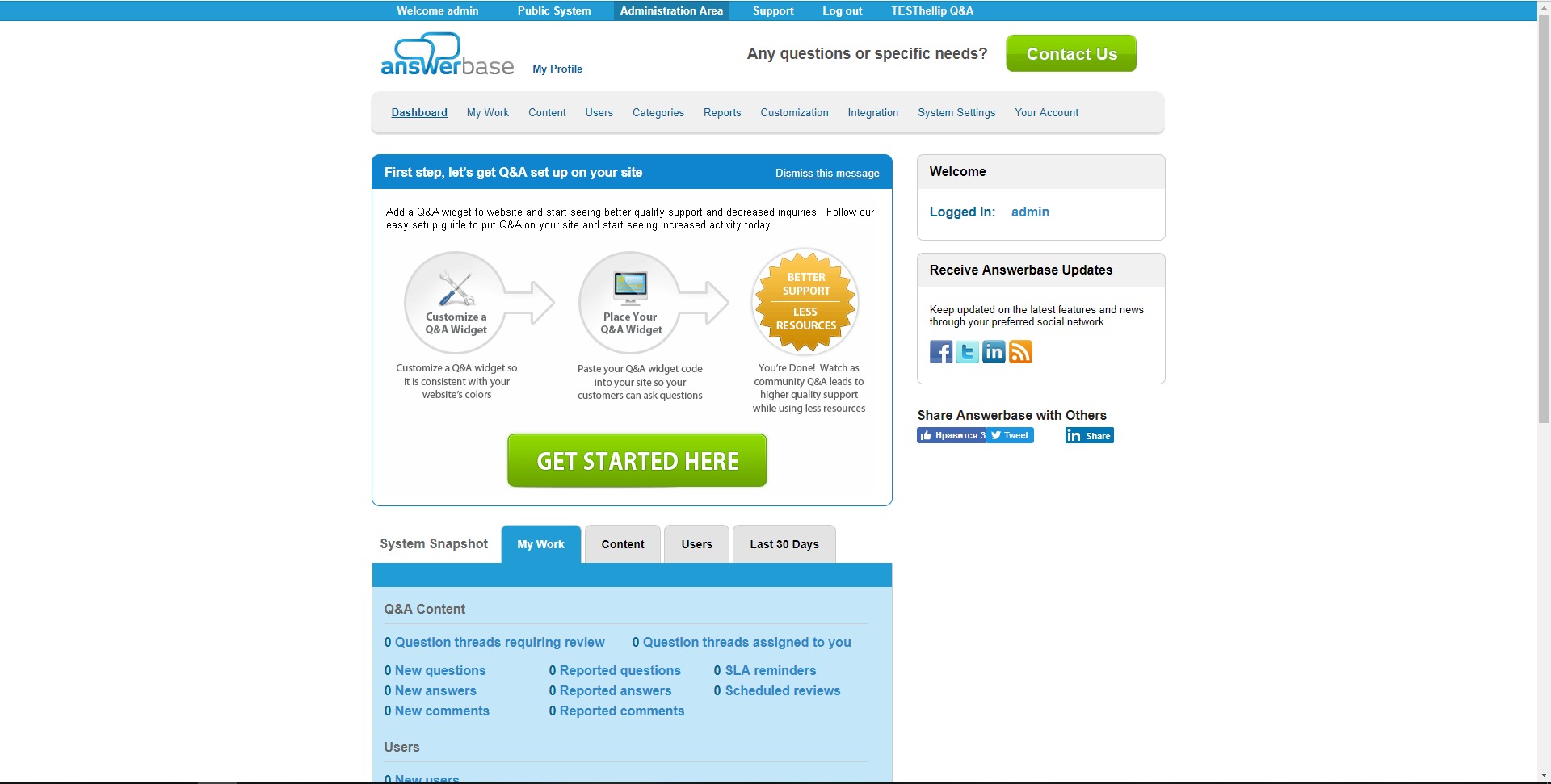
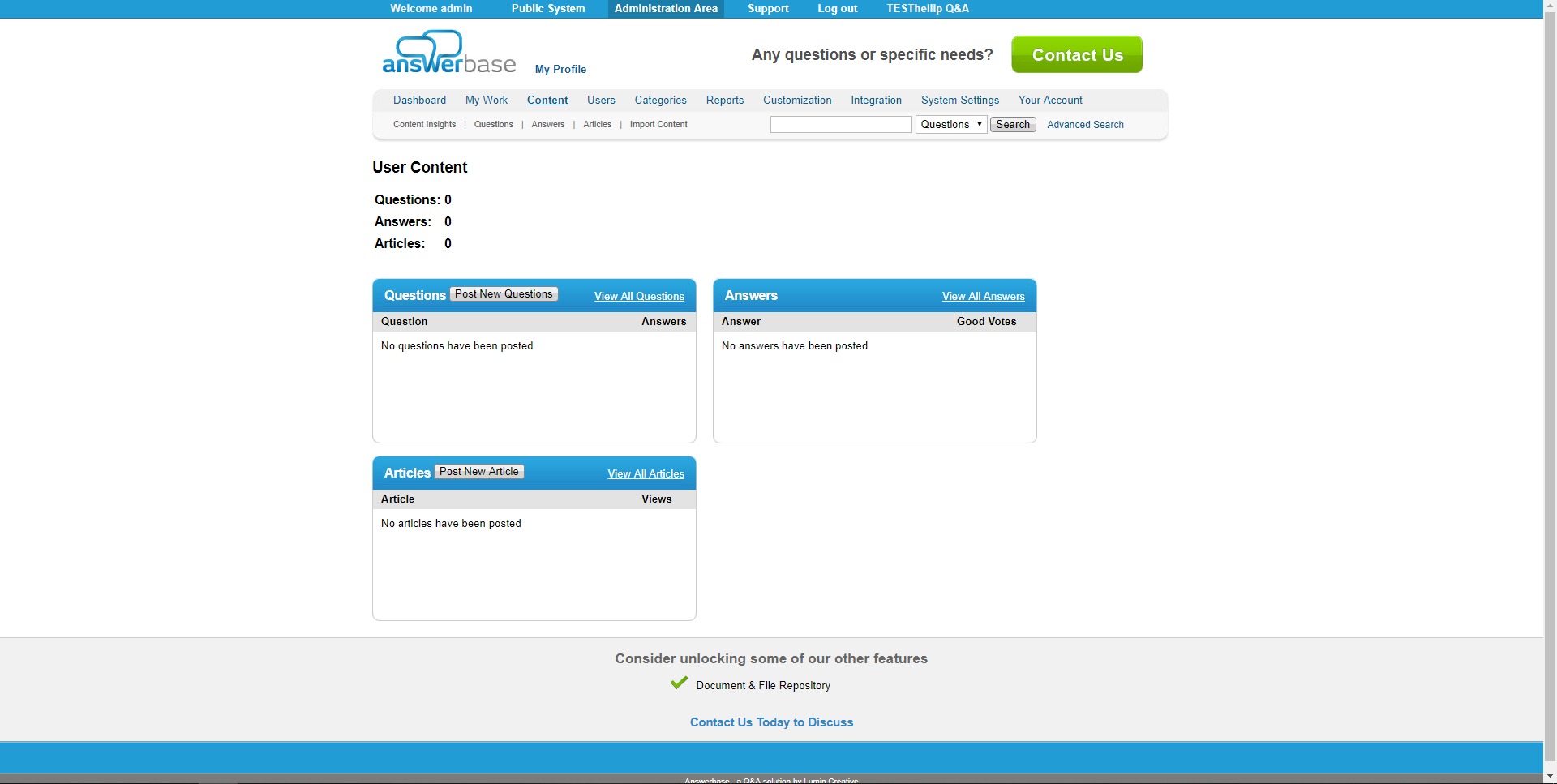
Businesses can review, manage, and refine submitted questions and answers. This helps maintain content quality, brand consistency, and accuracy over time. - Scalable knowledge base building
Over time, Answerbase can turn repeated interactions into a growing knowledge layer. This creates a compounding library of information that supports both customers and search performance. - Flexible integration options
The platform is suitable for businesses that want a lightweight content layer as well as teams that need deeper technical integration into custom websites or ecommerce environments.
Where can Answerbase be used most effectively?
- Ecommerce product pages
Answerbase is well suited for product pages where shoppers often hesitate because of missing details. Questions about sizing, compatibility, delivery, usage, or product differences can be answered directly where purchase intent is strongest. - Category and collection pages
Businesses can use Answerbase to expand category-level content with practical questions that help visitors compare options, understand terminology, or narrow down what fits their needs. - Service business websites
Service providers can use the platform to address common presale questions, reduce repetitive inquiries, and create more trust before a consultation or lead submission. - Marketplaces and directories
Websites with many listings or vendors can use Answerbase to create a structured Q&A layer that improves both discoverability and content depth across large inventories. - Support and self-service environments
Teams looking to reduce repetitive support requests can use Answerbase as a front-line information layer that helps users solve simple questions before reaching a live team member.
Why do businesses use Answerbase instead of static FAQs?
Answerbase offers more flexibility and long-term value than a traditional static FAQ page. A normal FAQ is often written once, placed in a hidden section, and rarely updated. Answerbase works differently by collecting real questions, adding contextual answers, and growing content where users actually need it.
This gives businesses a stronger path to useful, search-aligned content without relying only on manual copywriting. It can improve organic traffic by expanding pages with relevant terms and user-driven phrasing. It can also support conversions by reducing uncertainty during the evaluation stage.
Another major benefit is operational efficiency. When common questions are answered on-page, support teams may spend less time repeating the same explanations. At the same time, marketing and ecommerce teams gain a clearer view of what customers actually want to know before they buy.
For businesses building a long-term content asset rather than a one-time FAQ section, Answerbase provides a more scalable model.
What is the user experience like with Answerbase?
The user experience in Answerbase is built around simplicity and relevance. For website visitors, the process is straightforward: a question appears in context, an answer is easy to find, and the page becomes more informative without feeling overloaded. This helps create a smoother path from curiosity to decision.
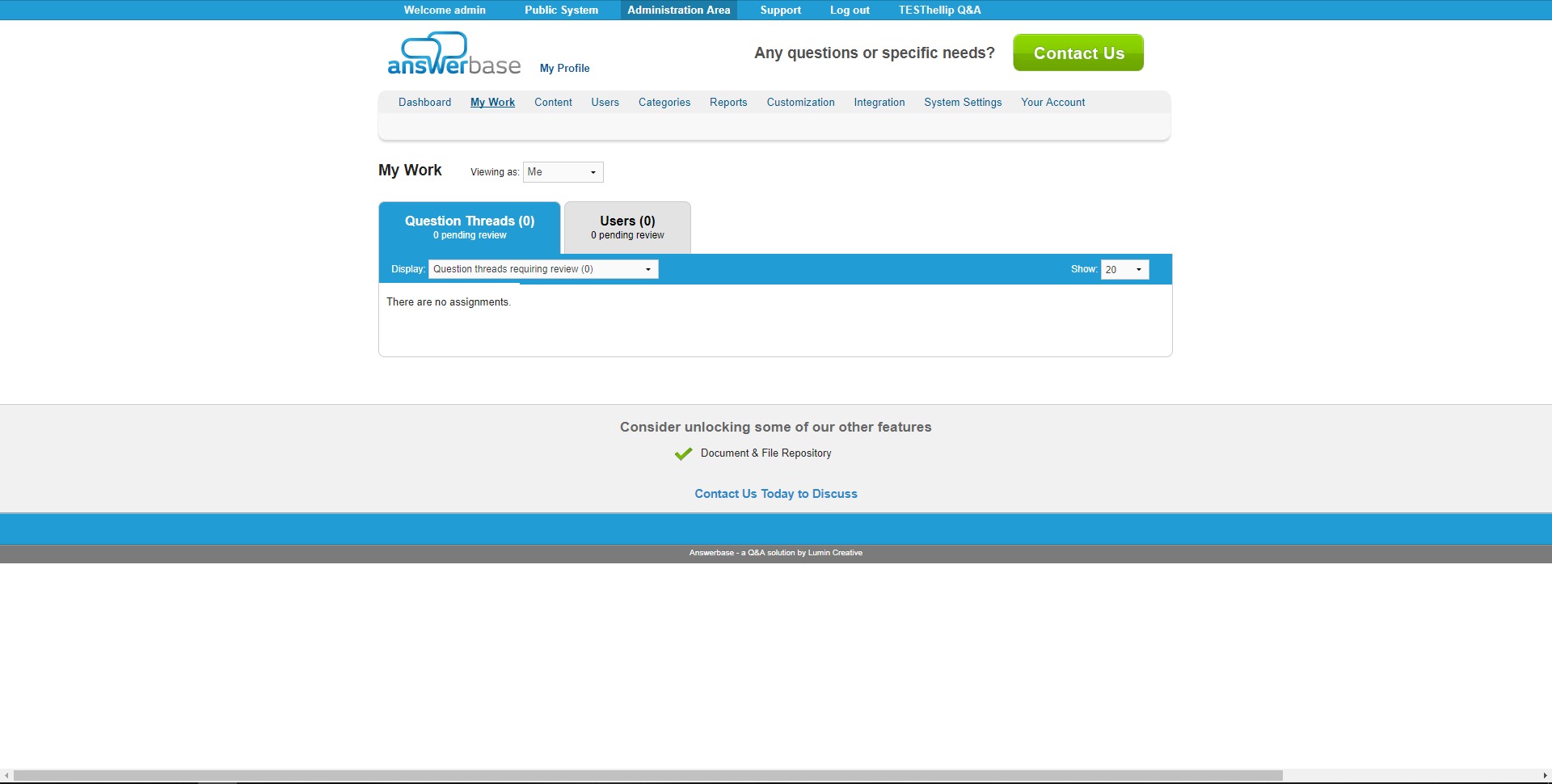
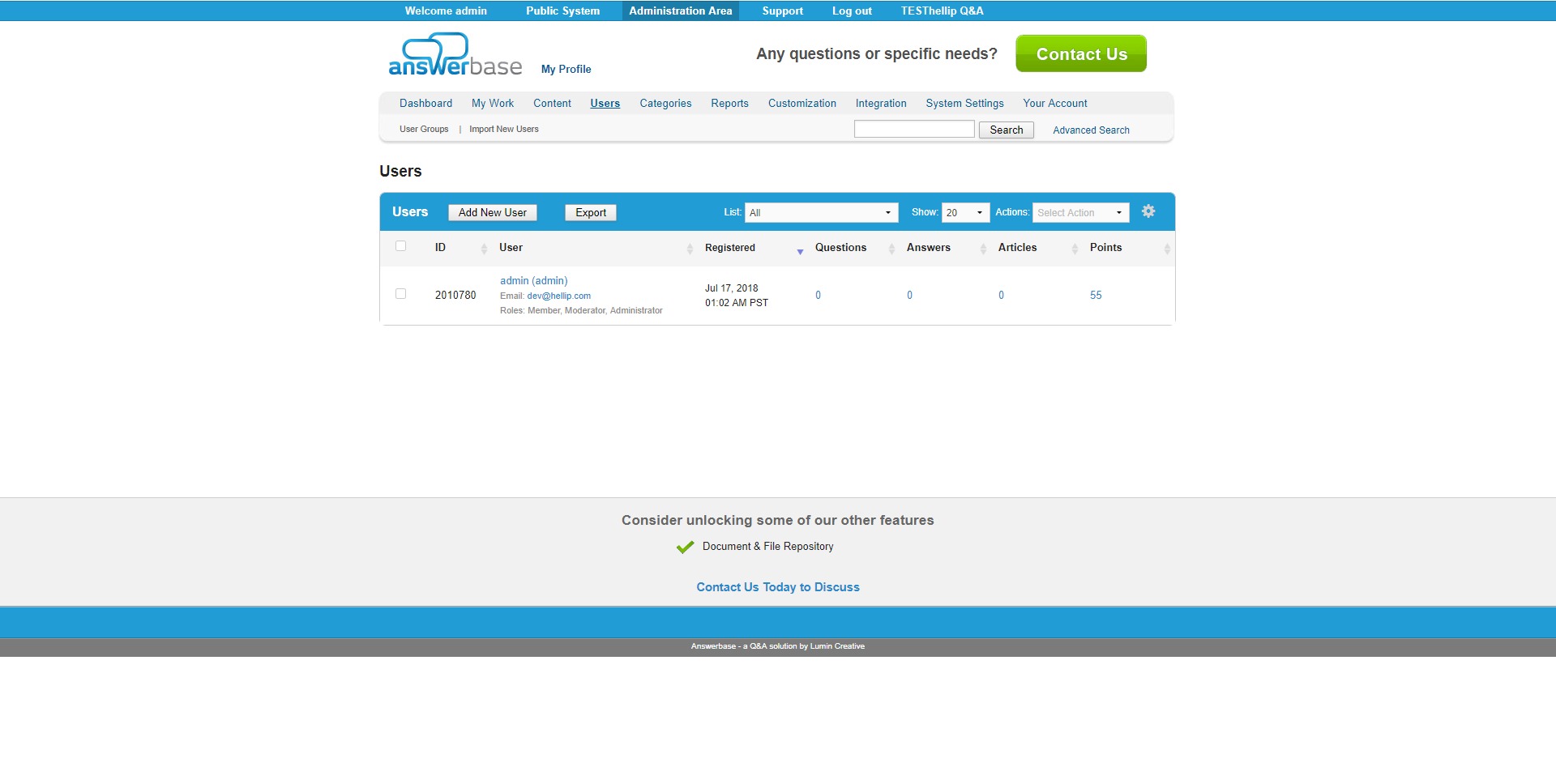
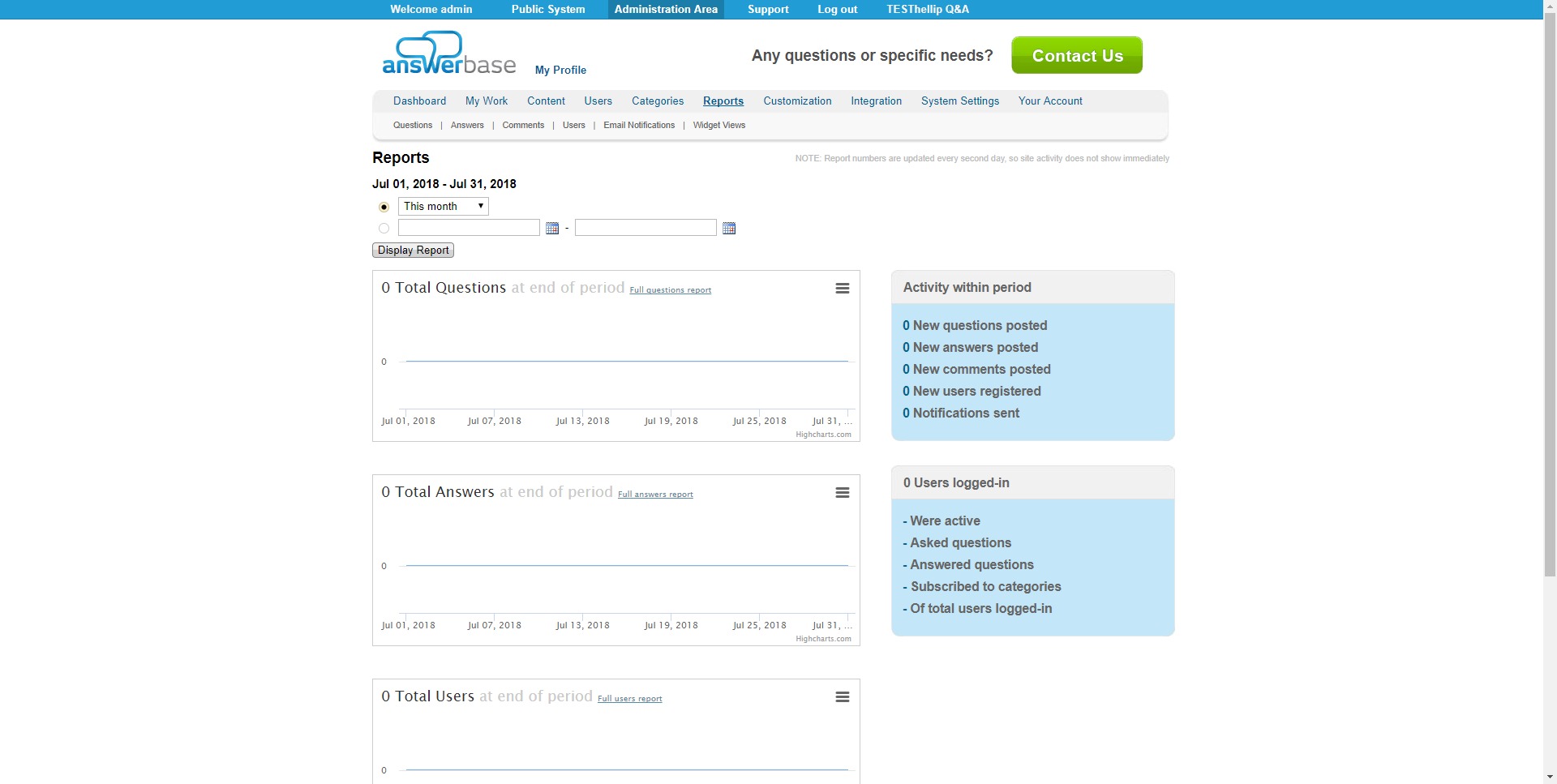
For administrators, the platform is practical because it combines content growth with manageable controls. Teams can monitor incoming questions, refine answers, and keep content aligned with brand standards. This balance is important for businesses that want automation without losing oversight.
Answerbase is most effective when used as a living content layer rather than a one-time setup. As more questions appear and more answers are added, the experience becomes stronger for both users and the business. The result is a website that feels more responsive, more useful, and more capable of turning questions into outcomes.
2026-05-29 17:00:08: ⚠️ The SEO playbook that most agencies are still using? Youtube
2026-05-28 17:00:03: AI has a shortlist of stores it recommends. Youtube
2026-05-22 17:00:01: There are two types of stores right now. Youtube
2026-05-18 16:45:00: If your SEO report shows rankings but your revenue doesn’t reflect it… Youtube
2026-05-14 16:50:37: Your store is optimized for the smallest segment of the market. Youtube
2026-05-12 21:00:12: Most content can't tell you if it drove a single sale. Youtube
2026-05-12 17:24:17: AI is pulling product expertise from somewhere. Youtube
2026-04-29 14:01:08: If you aren't feeding the AI, you're letting it guess about your products. Youtube
2026-04-22 14:00:47: Is AI bypassing your store? Youtube
2026-04-15 14:00:59: Your greatest growth engine is already in your office. Youtube
Answerbase Alternatives