noCRM.io
Languages:
Deutsch
English
Español
Français
Italiana
Portuguese
Localization:
World

What is noCRM and what problem does it solve?
noCRM is a lead management tool built for sales teams that want speed, clarity, and follow-through without the heavy “database maintenance” feeling of classic CRMs. The core focus is simple: capture leads fast, keep the context in one place, and push every lead toward a concrete next step until it becomes a deal or gets disqualified. Instead of obsessing over perfect records, noCRM is designed around action: calls, emails, reminders, and pipeline movement that mirrors real selling. It fits outbound-heavy teams, small and mid-sized sales orgs, agencies, and founders who need a clean way to handle conversations and follow-ups without turning the job into admin work.
Which key features make noCRM practical for daily selling?
-
Lead capture built for speed, turning messy inbound or outbound info into usable lead cards without bloated forms
-
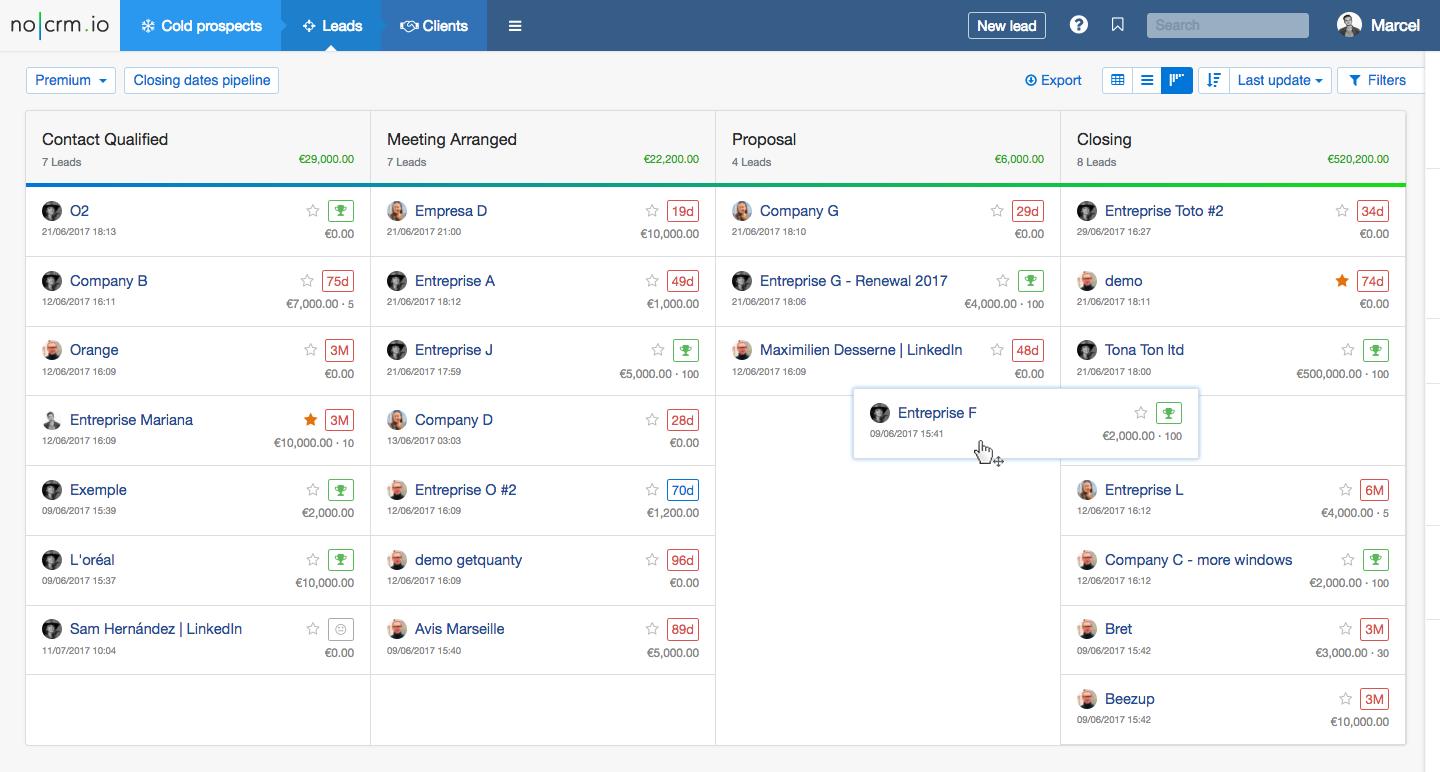
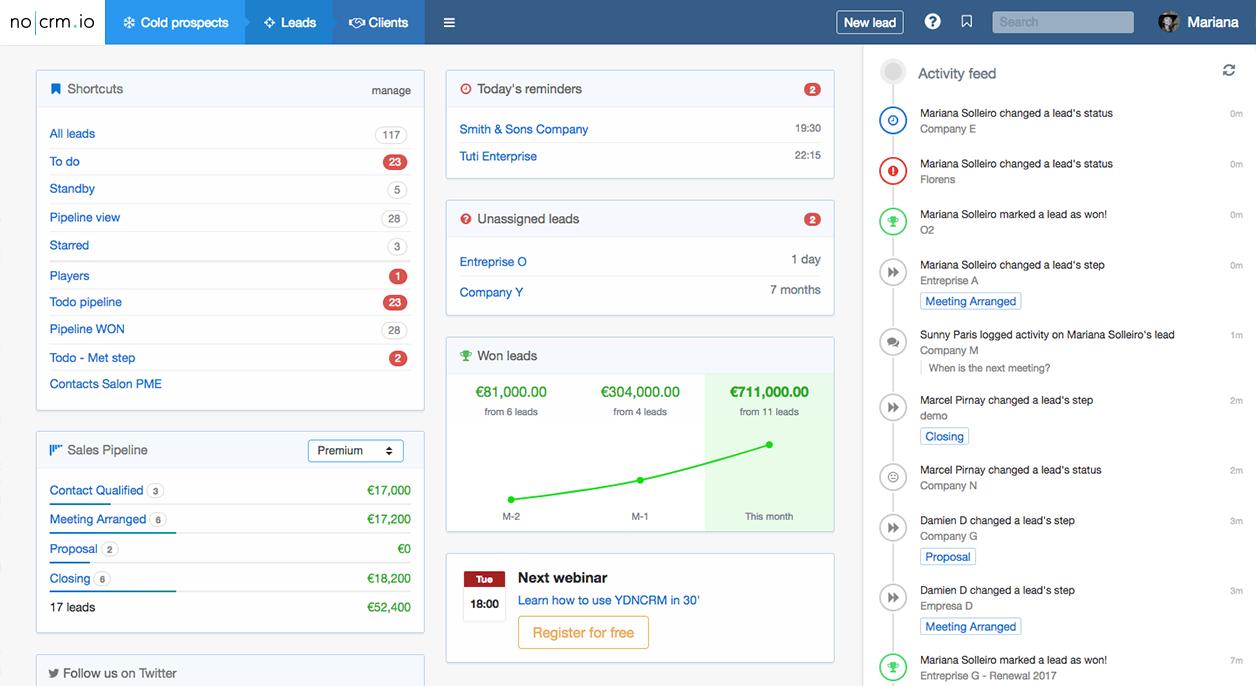
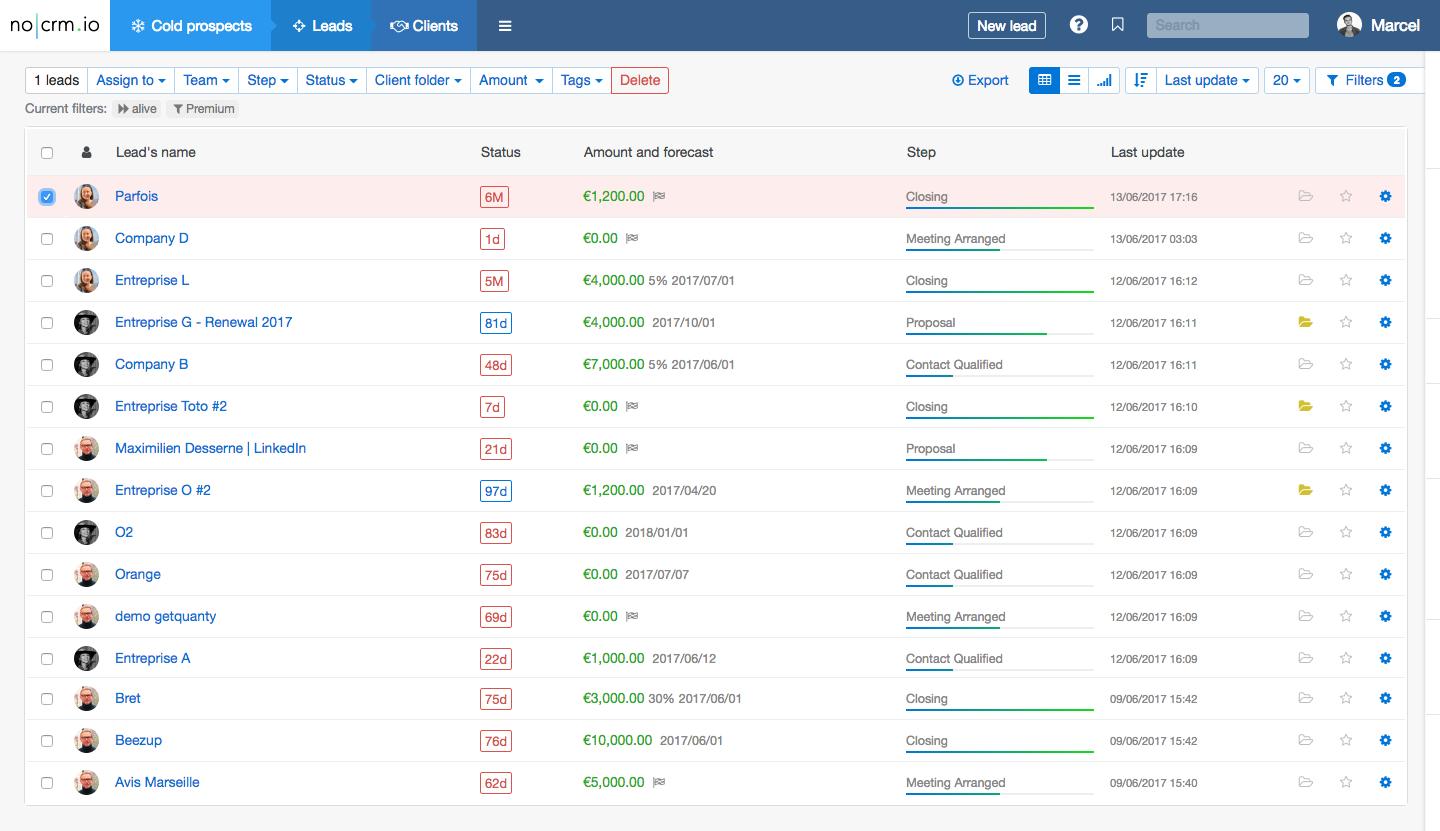
Visual pipeline stages that match a real sales process, keeping deal progress obvious at a glance
-
Next-action workflow so every lead stays tied to a specific follow-up, reducing forgotten prospects and dead air
-
Built-in email management to send, receive, schedule, and organize conversations directly around the lead
-
Email tracking signals (opens, clicks, replies) to help prioritize follow-ups and adjust outreach timing
-
Email templates that can be personal, team-shared, and reusable for consistent outreach and faster execution
-
Reminders and task-style prompts that keep reps moving through calls, emails, and meetings without losing rhythm
-
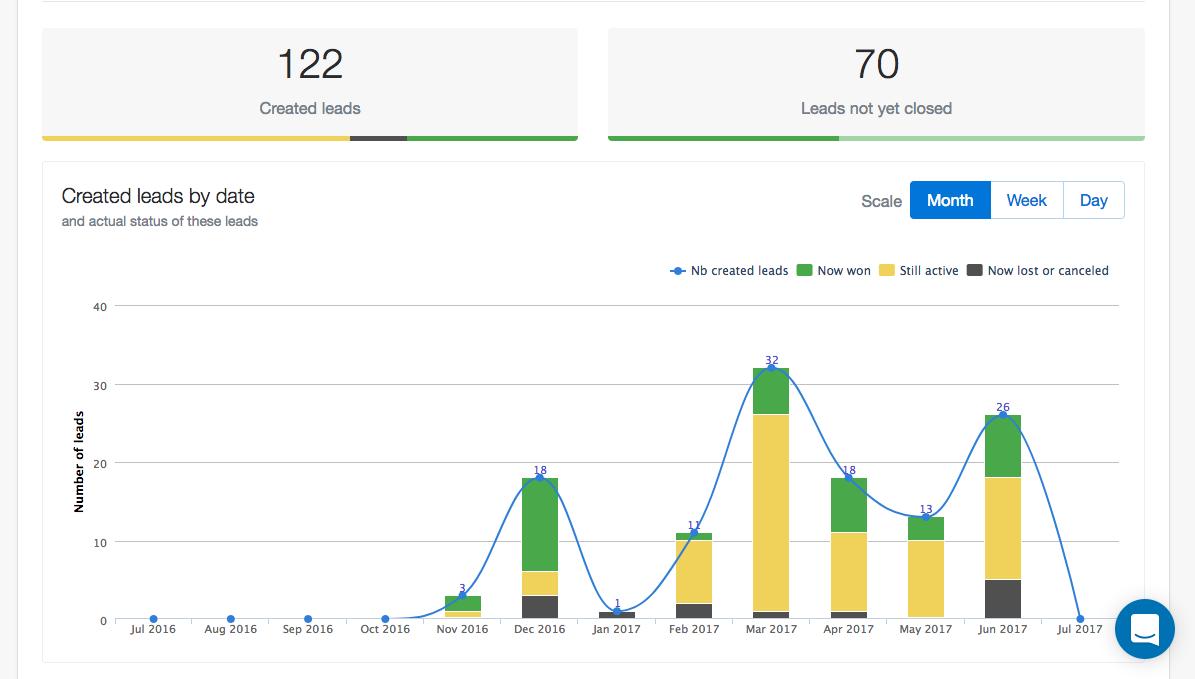
Reporting and performance visibility for teams that want to spot bottlenecks and improve conversion discipline
-
Integrations through automation platforms and API options to connect lead sources, spreadsheets, calendars, and marketing tools
What are the strongest use case highlights for noCRM?
-
Outbound prospecting teams that need a fast system for high call volumes, scripts, and relentless follow-up cadence
-
Agencies and service providers juggling leads across multiple clients, where speed and clean handoffs matter
-
Small B2B teams replacing spreadsheets and inbox chaos with a pipeline that stays accurate because it’s easy to use
-
Founders selling alongside everything else, needing lightweight structure without the setup tax of enterprise CRMs
-
Teams collecting leads from forms, ads, or partner referrals and needing immediate qualification and next-step control
-
Sales managers who want better forecasting signals by enforcing “next action” discipline instead of “update the CRM” nagging
What benefits should teams expect after switching?
Less admin is the obvious win, but the real payoff is consistency. When lead capture is quick and the system keeps pushing the next move, follow-ups happen on time and pipelines stop lying. Outreach gets faster with templates, and prioritization improves when conversations and signals live inside the lead. Teams usually see tighter response times, fewer dropped opportunities, cleaner qualification, and more predictable deal flow. It also reduces onboarding pain: new reps can follow a clear structure instead of inventing one or drowning in fields that do not help them close.
What is the user experience like in real workflows?
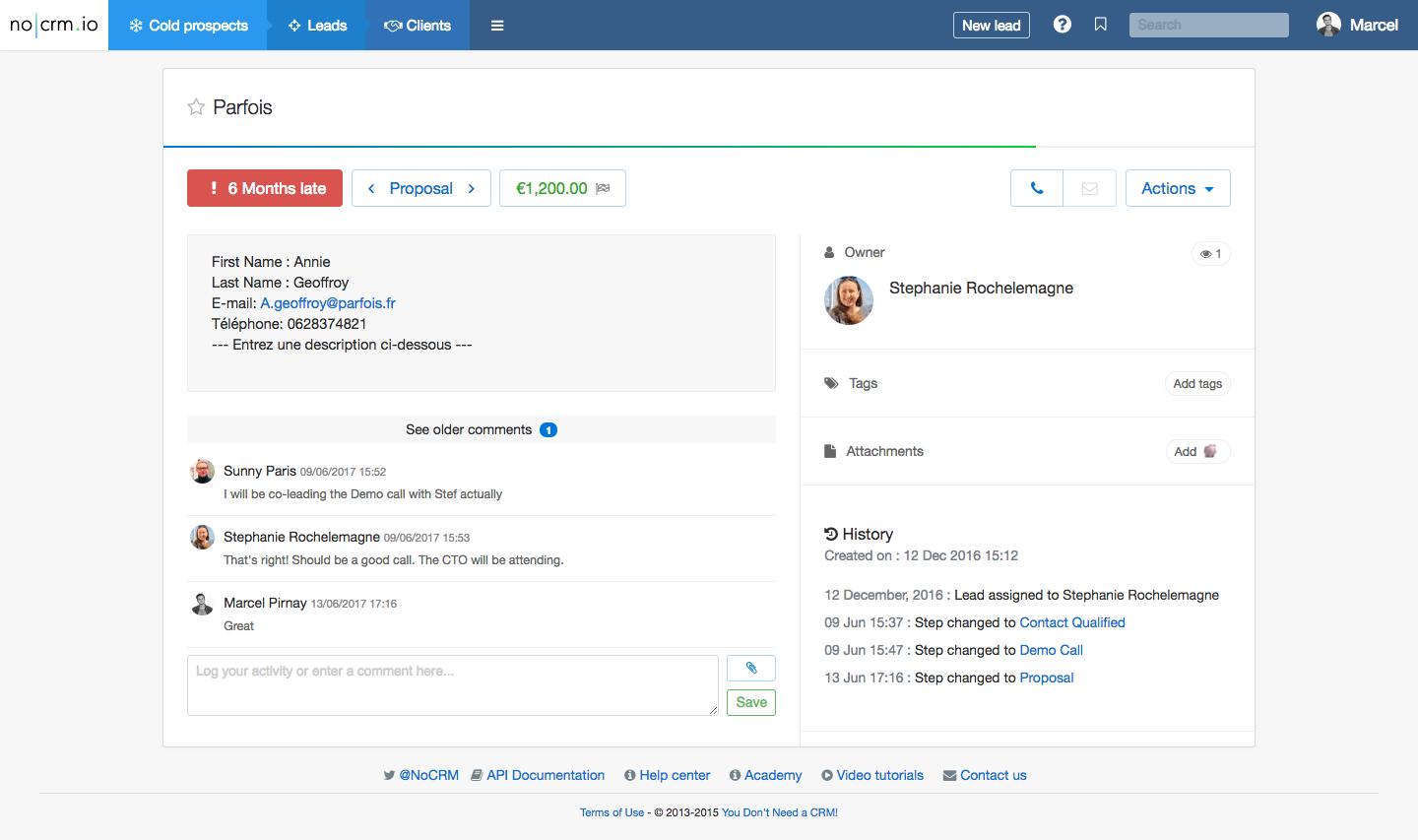
The experience is built around staying in motion. Leads are easy to add, easy to move through stages, and always tied to an action that prevents stagnation. The pipeline view gives instant status clarity, while each lead card keeps the history, notes, and communication in one place. Email features reduce tab-juggling and make outreach feel like part of the selling flow instead of a separate system. For teams, collaboration feels straightforward: a shared view of what’s happening, what’s next, and what is stuck—without turning the tool into a paperwork generator.
2026-10-13 06:15:04: Do you hate CRMs? Discover noCRM | The sales tool you actually want to use. Youtube
2026-10-08 07:25:27: Do you hate CRMs? Discover noCRM | The sales tool you'll want to use. Youtube
2026-10-06 07:00:10: Hate CRMs? Discover noCRM | The sales tool you'll want to use. Youtube
2026-10-01 07:00:38: Hate CRM? Discover noCRM | The sales tool you'll actually want to use. Youtube
2026-09-29 07:00:05: Do you hate CRMs? Discover noCRM | The sales management tool made for you. Youtube
2026-09-25 10:43:32: Hate CRMs? Meet noCRM | The sales management tool you’ll actually want to use. Youtube
2026-09-21 15:46:56: Product Demo: Getting started with noCRM Youtube
2026-09-18 13:56:40: Product Demo: Getting Started with noCRM Youtube
2026-09-18 13:44:03: Product Demo: Getting Started with noCRM Youtube
2026-02-24 08:43:32: Product Demo: Getting started with noCRM Youtube
2023-04-11 16:09:20: Did you know Twitter and noCRM can make a great combination to acquire new leads? 🤝
💬 Twitter is an ideal place to engage with potential leads, and noCRM can help you organize all these exchanges.
https://t.co/HTsLje0TjmTwitter
2023-04-05 15:42:05: You think door-to-door selling is outdated? Let us prove its value to you:
🤝 Better communication
🤝 Real-time feedback thanks to non-verbal communication
🤝 Build trust with your prospect
🤝 Make a stronger impression
https://t.co/YVXrRjMsNNTwitter
2023-03-28 17:02:08: Struggling to enhance your closing rate? 😖
Defining your B2B persona is the first step to growing your sales. ⭐️
By getting a better insight into your ideal customer, you can also identify their interests and needs, and better adapt your offer.
https://t.co/1vkG681yF9Twitter
2023-03-21 16:06:58: 🎯 Are you tired of setting goals for your sales team without seeing the results you desire?
It's time to take a new approach. Activity-based selling is the key to unlocking the full potential of your sales team and achieving consistent success.👇
https://t.co/qT2uRjvy1STwitter
2023-03-15 16:54:24: Want to keep track of your leads and sales at any time, from anywhere?
Discover noCRM’s brand-new mobile app 📱 🎉
https://t.co/A2yLrtoA4o https://t.co/xDsjFVbBEWTwitter
2023-03-08 17:17:52: How to make your sales calls successful? 🤔
☎️ With a great phone prospecting template that will make your calls more coherent by preparing the essential elements beforehand.
Here’s how to create your own personalized template. ✍🏻
https://t.co/3fL58lgGiRTwitter
2023-03-02 16:12:08: Cold calling can be very effective when it comes to B2B prospecting, helping you get more qualified leads and more sales. 🤩
Learn more about the advantages of cold calling for B2B prospecting, and the steps to follow for a successful process!
https://t.co/4R3Xpdf3EoTwitter
2023-02-15 15:57:52: Do you find it hard to convince property owners to sign sales mandates? 😰
A good real estate prospecting script can help you gather all the must-have elements that will enhance your prospecting and sales!
https://t.co/aTubbIvXizTwitter
2023-02-09 17:00:00: You’re waiting for your cold prospect to answer, feeling all nervous because you’re not sure how to start the call to trigger his attention right away. 😥
Sounds familiar? 😖
We give you our best tips for a successful cold call start. 👇
https://t.co/fAHkU83HE2Twitter
2023-02-07 17:08:47: 🏠 Struggling to get a comprehensive portfolio of properties?
Here are our top real estate prospecting methods and advice to get your sales going 🚀.
https://t.co/zzB2vDfsx3Twitter
noCRM.io Alternatives




noCRM.io Reviews & Demos
noCRM.io Integrations