TeamGantt
Languages:
English
Localization:
World

What is TeamGantt?
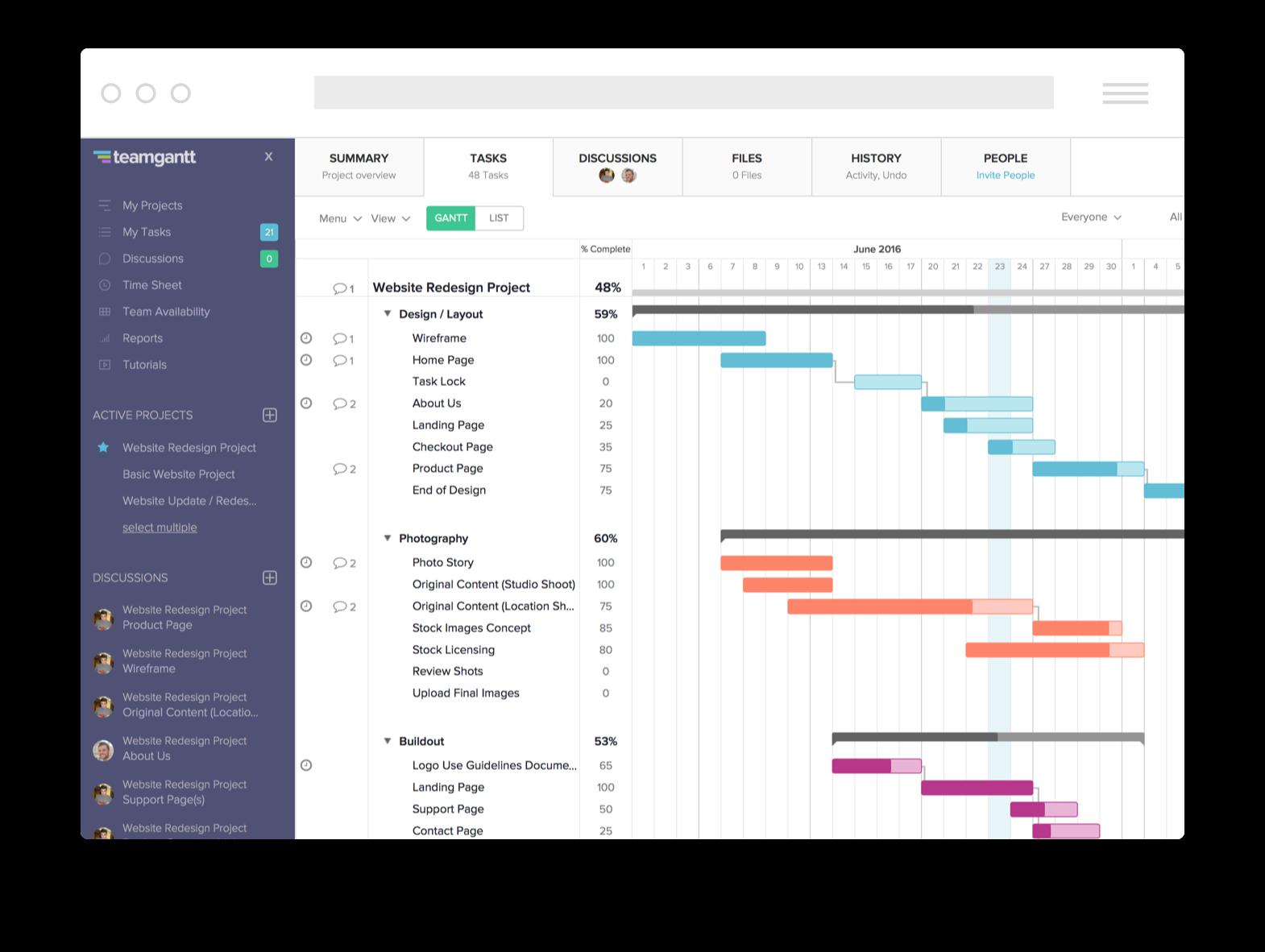
TeamGantt is an online project management platform built around intuitive Gantt charts and visual scheduling. It helps teams plan projects, establish deadlines, assign responsibilities, manage dependencies, and monitor progress from one shared workspace. Instead of building complicated schedules in spreadsheets, users can create and adjust project timelines through a straightforward drag-and-drop interface.
Although timeline planning is central to the service, TeamGantt also offers list, calendar, and board views. This allows project managers to maintain a structured schedule while individual contributors work in the format they find most convenient. Real-time synchronization keeps every view aligned.
TeamGantt is suitable for agencies, software teams, consultants, construction businesses, marketing departments, event planners, and other organizations managing deadline-driven work. Resource management, time tracking, portfolio monitoring, baselines, and reporting extend the platform beyond basic Gantt chart creation.
What are the key features of TeamGantt?
- Drag-and-drop Gantt charts: Create tasks, organize project phases, change dates, and adjust task duration directly on a visual timeline. Schedule changes can be made without manually rebuilding the entire plan.
- Task dependencies: Connect related activities to define the correct sequence of work. Lead and lag times help teams represent waiting periods, overlapping activities, and more complex scheduling requirements.
- Multiple project views: Switch between Gantt, list, calendar, and Kanban-style board views. Every view uses the same project data, so updates remain synchronized across the workspace.
- Milestones and critical paths: Mark important deadlines, launches, approvals, and delivery dates. Critical path visibility shows which connected tasks have the greatest influence on the final completion date.
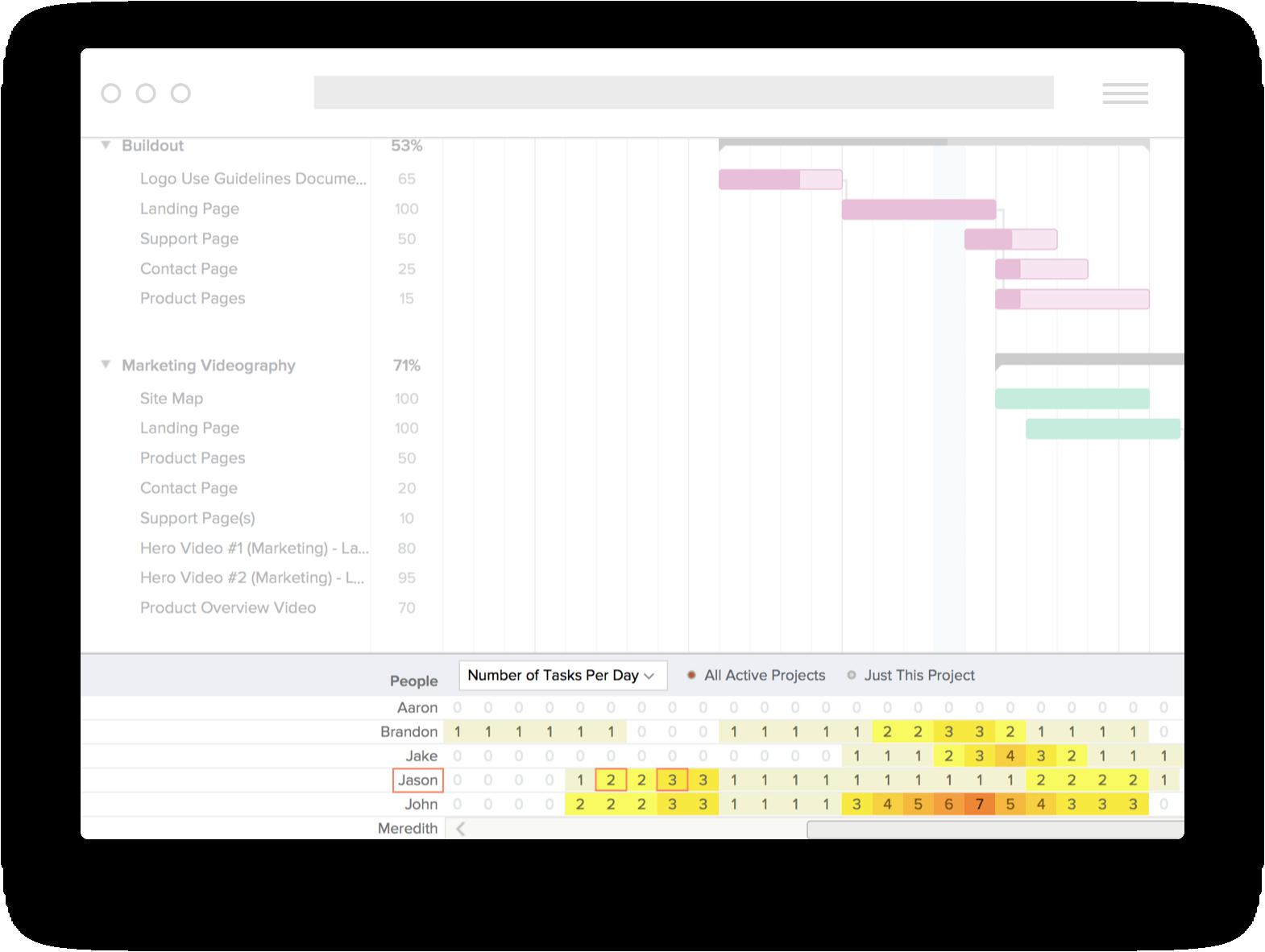
- Workload and resource management: Review assignments across active projects to identify overloaded employees, availability gaps, or booking conflicts. Resources can include people, teams, equipment, and other operational assets.
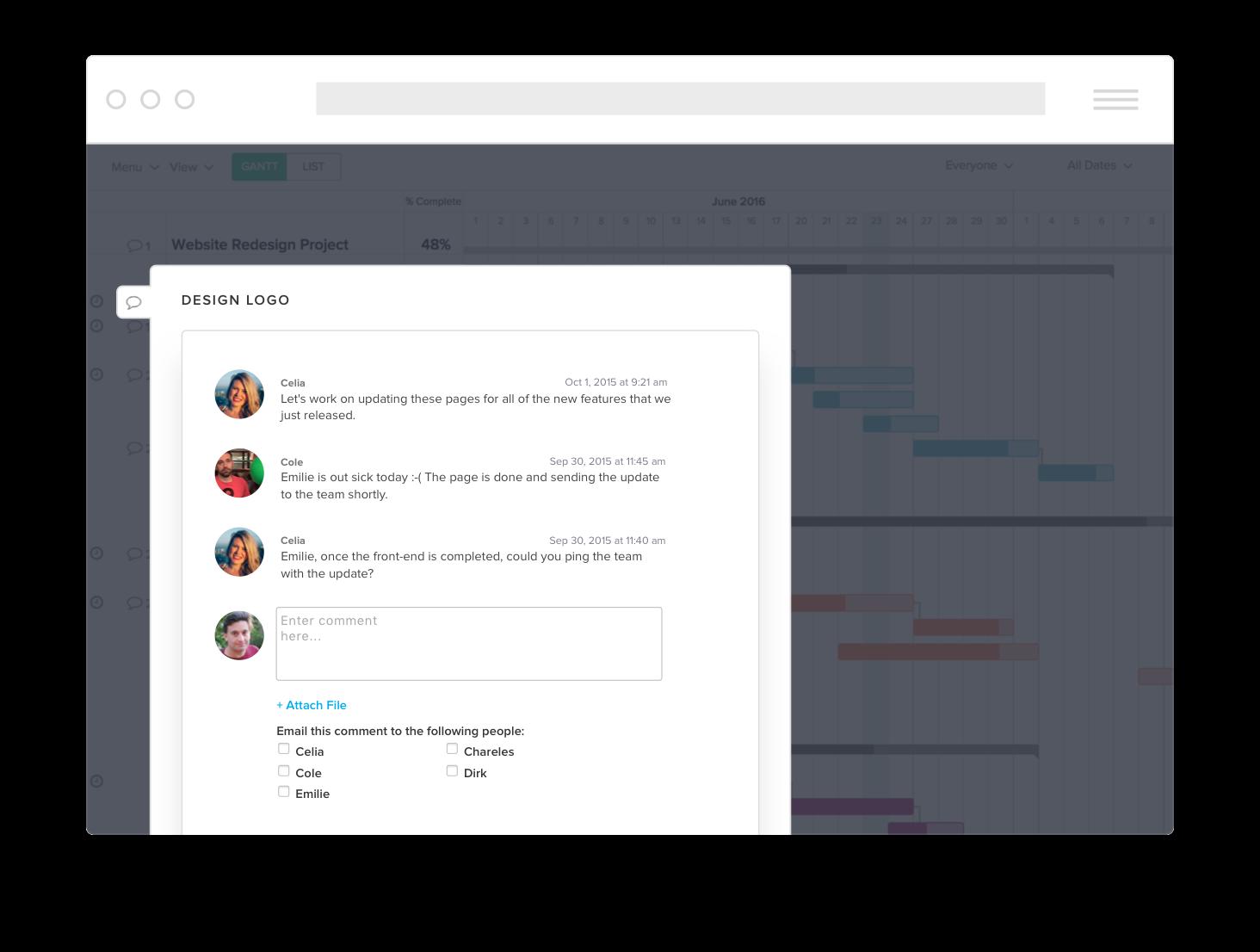
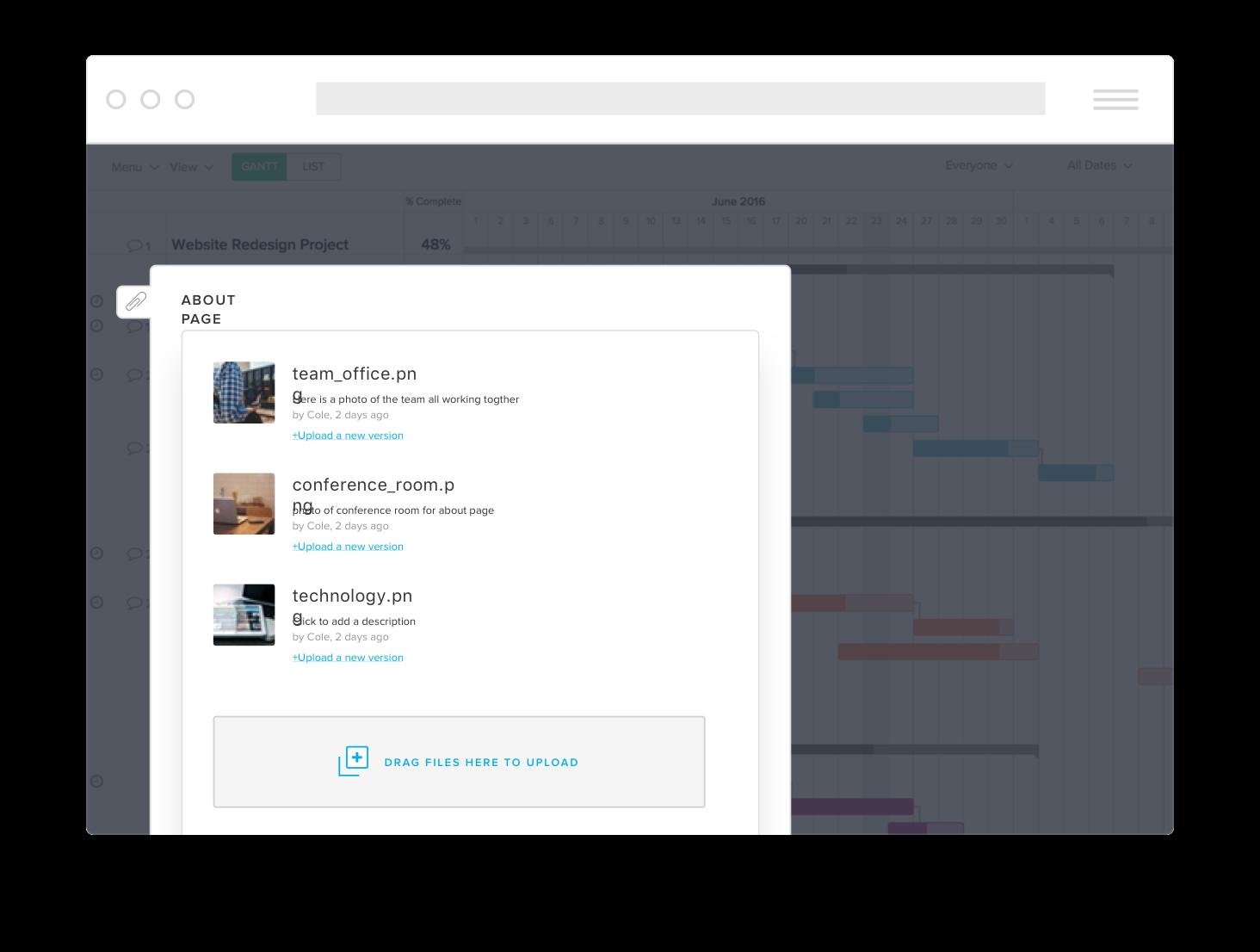
- Project collaboration: Add comments, upload files, assign tasks, and share schedule updates in one location. A live project plan reduces dependence on separate documents, email chains, and static timeline exports.
- Progress and baseline tracking: Compare the current schedule with earlier project snapshots. Planned-versus-actual timelines make delays visible and help managers understand where execution moved away from the original plan.
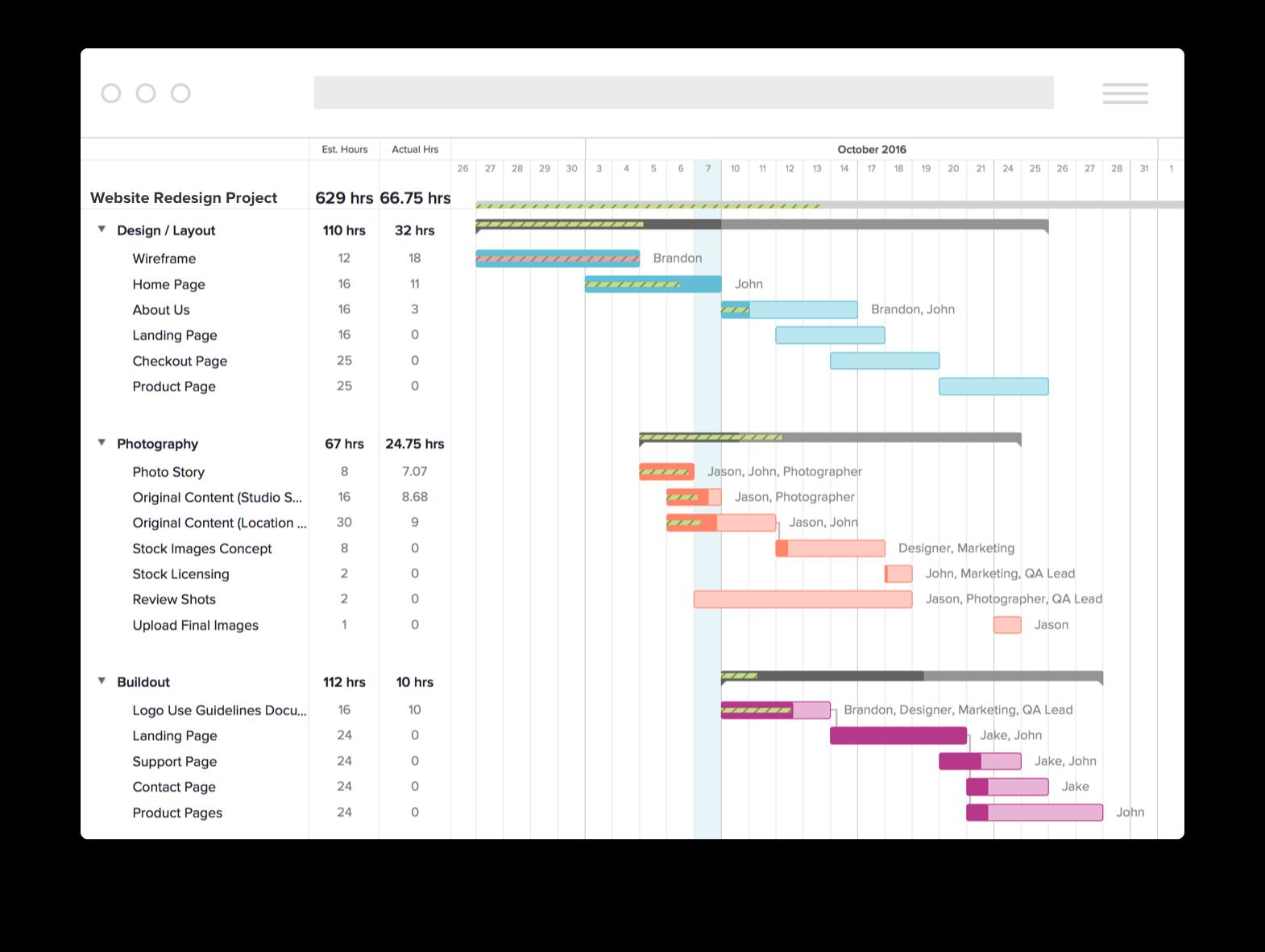
- Time tracking and estimation: Estimate the hours required for tasks, record time with a timer or manual entries, and compare expected effort with actual work. Reports can be filtered by project, team member, or date.
- Portfolio reporting: Monitor multiple projects from a higher-level dashboard. Managers can review status, risk, schedules, and overall project health without opening every plan separately.
- Templates and integrations: Reuse established project structures and connect TeamGantt with external business tools through supported integrations, automation services, or an API.
What are the main TeamGantt use cases?
- Software and product delivery: Coordinate discovery, design, development, testing, release preparation, and launch activities while tracking dependencies between teams.
- Marketing campaign planning: Schedule content production, advertising, approvals, email campaigns, design work, and publication dates around a central launch milestone.
- Construction management: Organize project phases, subcontractor work, equipment requirements, procurement dates, material lead times, and schedule confirmations.
- Agency and client projects: Manage multiple client engagements, balance employee capacity, track billable effort, and communicate delivery schedules through clear visual plans.
- Event organization: Coordinate venues, vendors, promotions, speakers, logistics, rehearsals, and event-day activities with fixed deadlines.
- Strategic planning: Translate quarterly objectives or major business initiatives into scheduled activities with owners, milestones, and measurable progress.
What benefits does TeamGantt provide?
TeamGantt gives teams a clear picture of what must happen, when it should happen, and who owns the work. Visual dependencies expose bottlenecks before they become serious delivery problems. Workload information supports more realistic assignments, while baselines and time reports improve future estimates.
The platform also creates a shared source of truth for managers, contributors, clients, and external partners. This can reduce status meetings, conflicting schedule versions, and missed handoffs. Its schedule-first approach is particularly valuable for projects where timing and task sequence matter more than maintaining a simple to-do list.
What is the TeamGantt user experience like?
TeamGantt emphasizes accessibility and visual clarity. New users can build a basic project schedule quickly, while experienced managers can add dependencies, resource data, baselines, and reports as projects become more complex. Drag-and-drop editing makes schedule updates feel direct and understandable.
Different project views prevent the Gantt chart from becoming mandatory for every participant. Managers can focus on timelines and capacity, while contributors use lists, calendars, or boards for daily execution. The result is a structured project management environment that remains approachable for teams without extensive formal project planning experience.
2026-09-15 14:00:12: Keep Homeowners Happy with Fewer Phone Calls Youtube
2026-09-10 11:45:05: How to Use AI in Construction Schedule Management Youtube
2026-09-08 14:00:20: Stop Trade Stacking from Wrecking Your Schedule Youtube
2026-09-03 12:00:31: What's the Best Gantt Chart Maker for You? | TeamGantt Youtube
2026-09-01 14:00:13: Build a Construction Schedule in 60 Seconds | TeamGantt Youtube
2026-08-28 14:00:28: Master Schedule vs Lookahead Schedule Youtube
2026-08-27 17:14:06: How to Build a Construction Schedule with AI | TeamGantt Youtube
2026-08-25 16:00:32: 4 Easy Ways to Build a Gantt Chart Youtube
2026-08-20 16:00:34: One Late Delivery Can Delay Your Whole Build Youtube
2026-08-18 16:00:34: Project Schedule Baselines Explained Youtube
2021-08-05 18:15:21: In this installment of PM Tips for Non-PMs, Jason breaks down the basics of these 2 methods so you can make quick decisions about how to structure your own projects.
https://t.co/VIzSi0jK3A https://t.co/8lIptTehiPTwitter
2021-08-04 18:00:39: Dive deep into project methods and how to leverage formalized tactics to construct a process that will feel right-sized to your projects and team in this on-demand class.
https://t.co/SsMcbNY4rS https://t.co/yORX0SU54eTwitter
2021-08-02 16:17:02: In the weeds trying to sort out your project process? Let us help! Check out our Waterfall vs. Agile Methodology Guide!
https://t.co/yxm7Q0AdDl https://t.co/Kq13HvFmGATwitter
2021-07-29 21:34:03: ⚡ Did you know that TeamGantt integrates with Zapier? Check out this list of Zaps!
https://t.co/hLvgfQMVwW https://t.co/0CqYh8HwEmTwitter
2021-07-27 16:33:03: If you’re new to project management, choosing between all the different methodologies can make your head spin. In this episode, Jason breaks down 2 of the most popular approaches out there: Agile vs. Waterfall.
https://t.co/wcYYN2OB7U https://t.co/B5gACP1LmaTwitter
2021-07-23 23:32:06: You know what to do. https://t.co/gnUUf7VpGQTwitter
2021-07-21 18:31:02: Watch this video to see an example of how workload planning works in TeamGantt and what to consider when creating a staffing plan for your projects to avoid overbooking your team.
https://t.co/lPgzew0fhP https://t.co/maRNODyUIHTwitter
2021-07-19 16:31:08: Do you ever get confused about when to use milestones in your project plan? Check out this video from our PM Tips for Non-PMs series:
https://t.co/yTlsFEBA8C https://t.co/WyhQ0RErgyTwitter
2021-07-10 21:17:03: Don't schedule meetings without agendas. That's just rude! USe our free meeting agenda template: https://t.co/gr83Iyr02l https://t.co/crUjWgrHj1Twitter
2021-07-09 21:20:03: Its time to get SMART about your goals so you can actually acheive them! Check out this post and free template so you can get started today. https://t.co/xaLZCx6X2w https://t.co/c2kJmKWCKhTwitter
TeamGantt Alternatives




TeamGantt Integrations

TeamGantt . Implementation & Enablement
Are you an Implementation Partner
This platform doesn’t offer implementation services directly.
Businesses work with independent Implementation Partners for setup, integrations, customization, consulting, and ongoing support.
If you help clients implement or extend this platform, you can list your expertise here and get discovered by teams looking for help.
Add your Implementation Services