Sellsy
Languages:
English
Français
Localization:
World
What is Sellsy and who is it for?
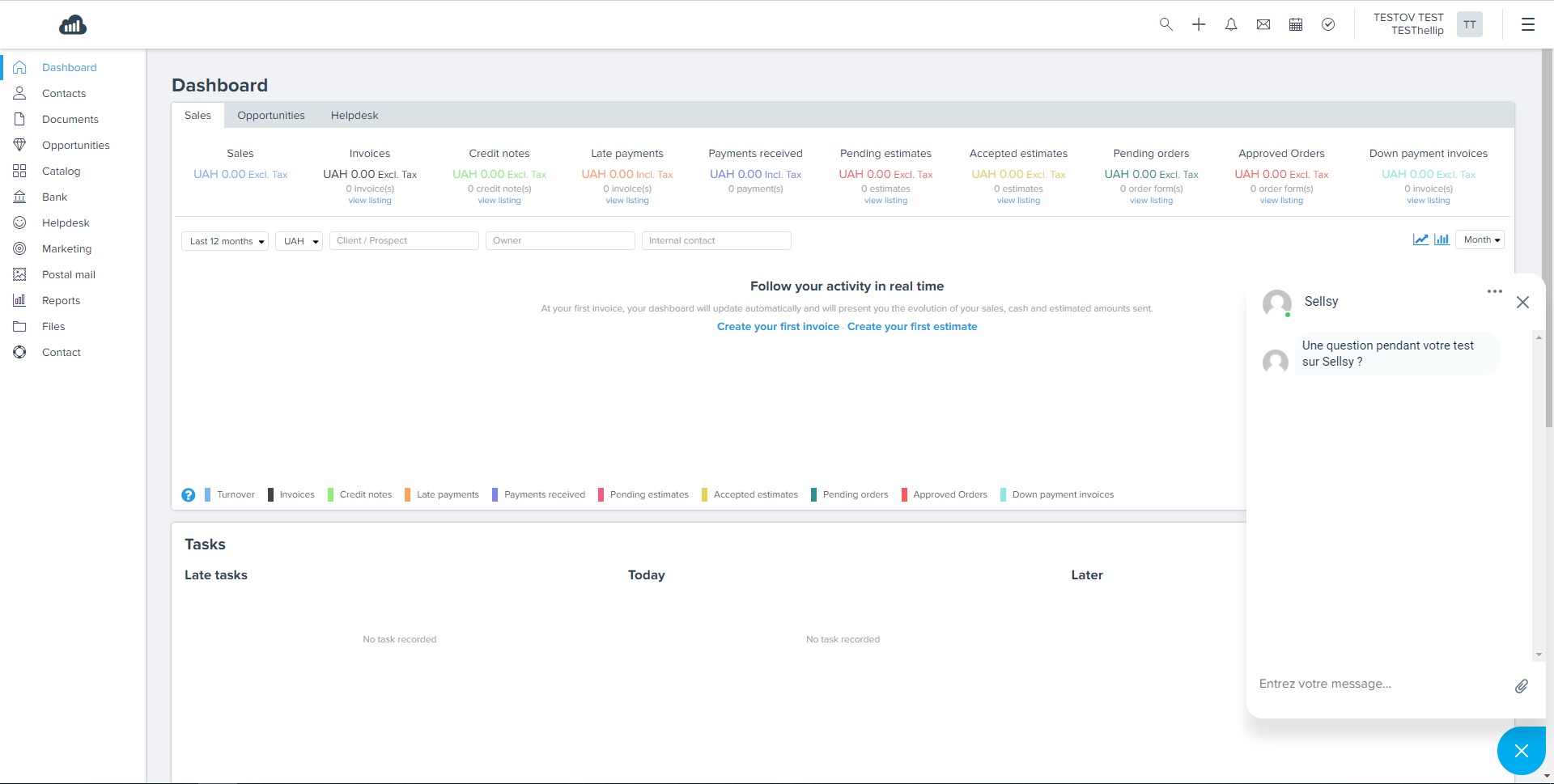
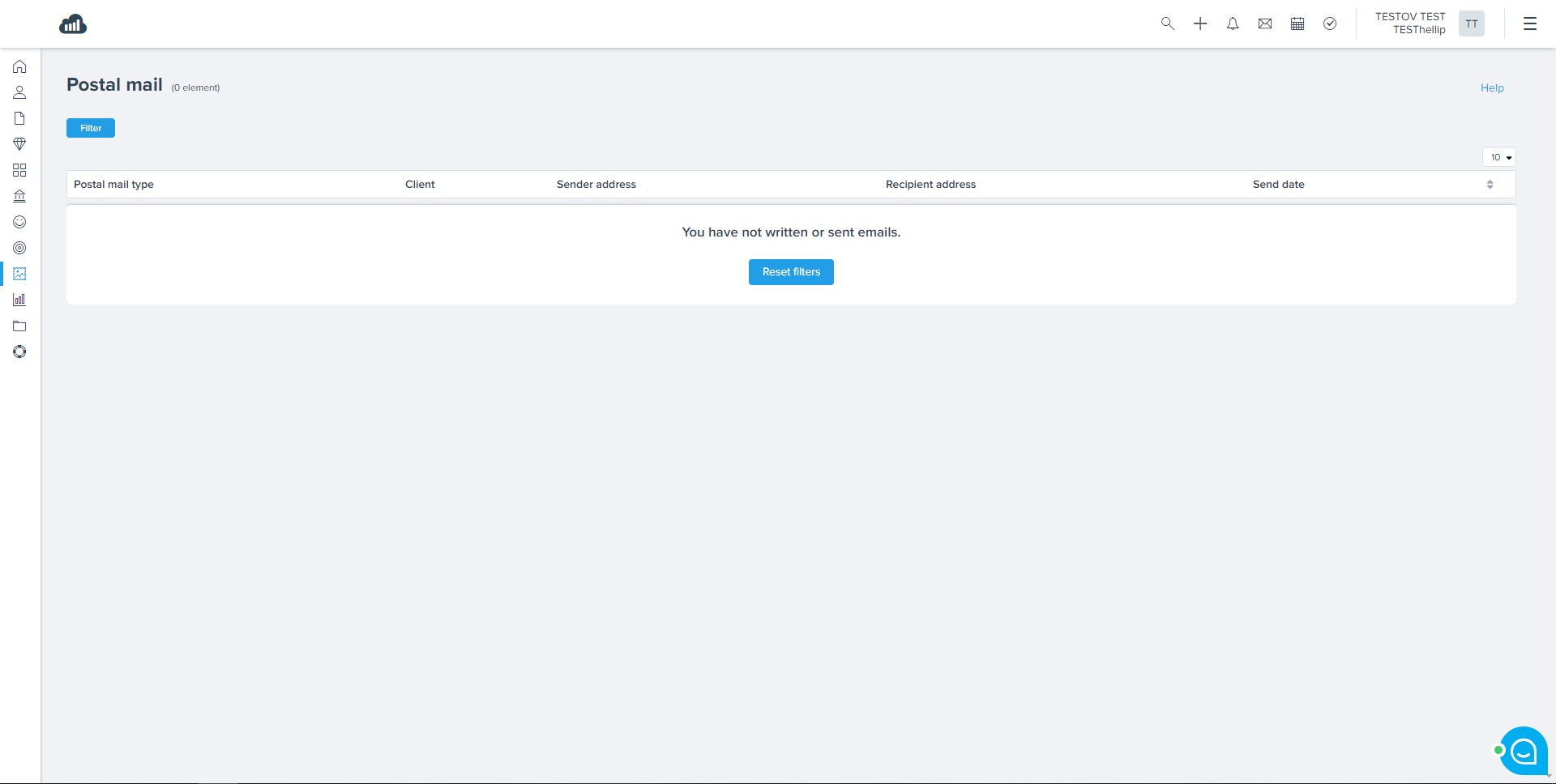
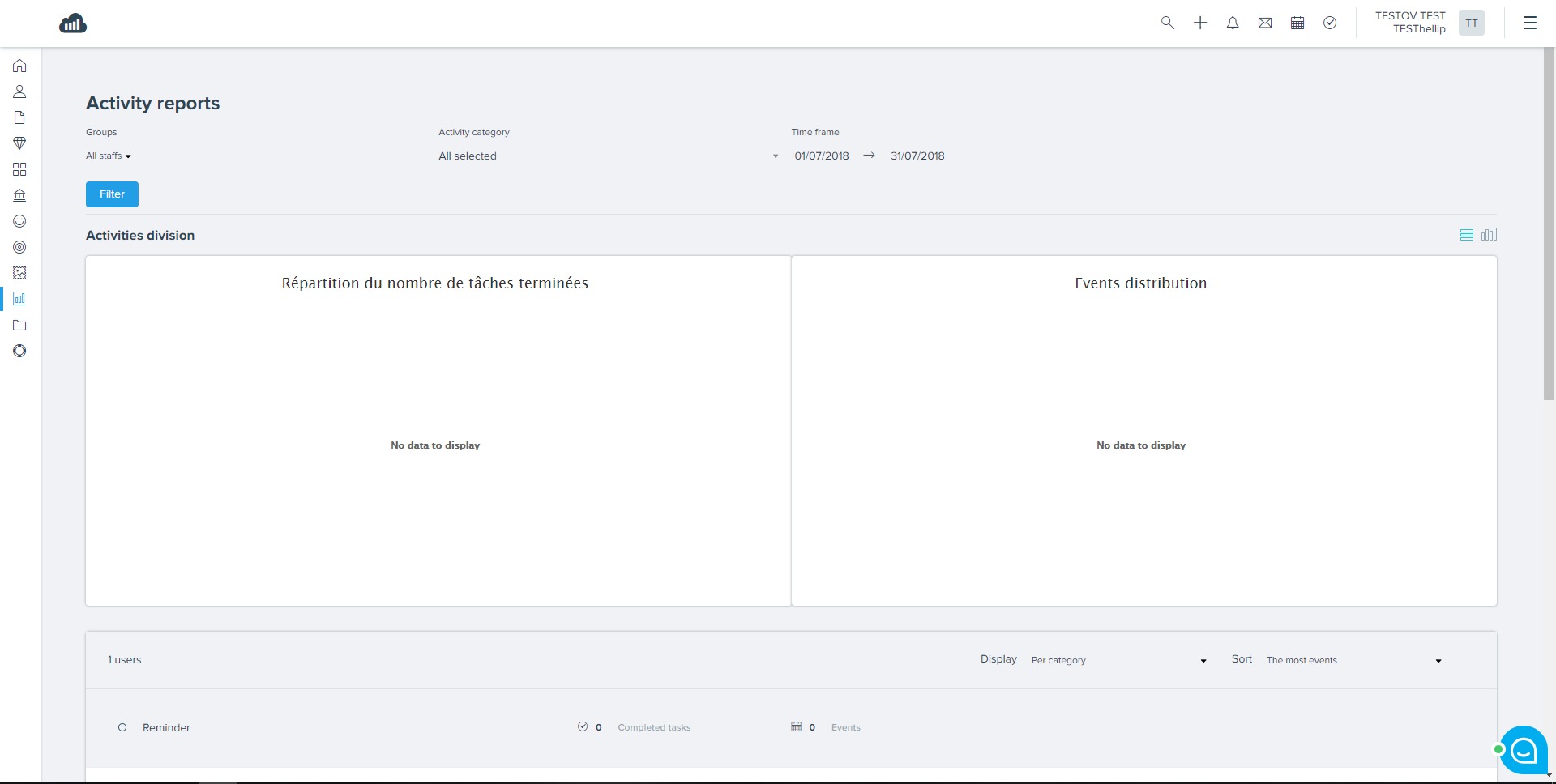
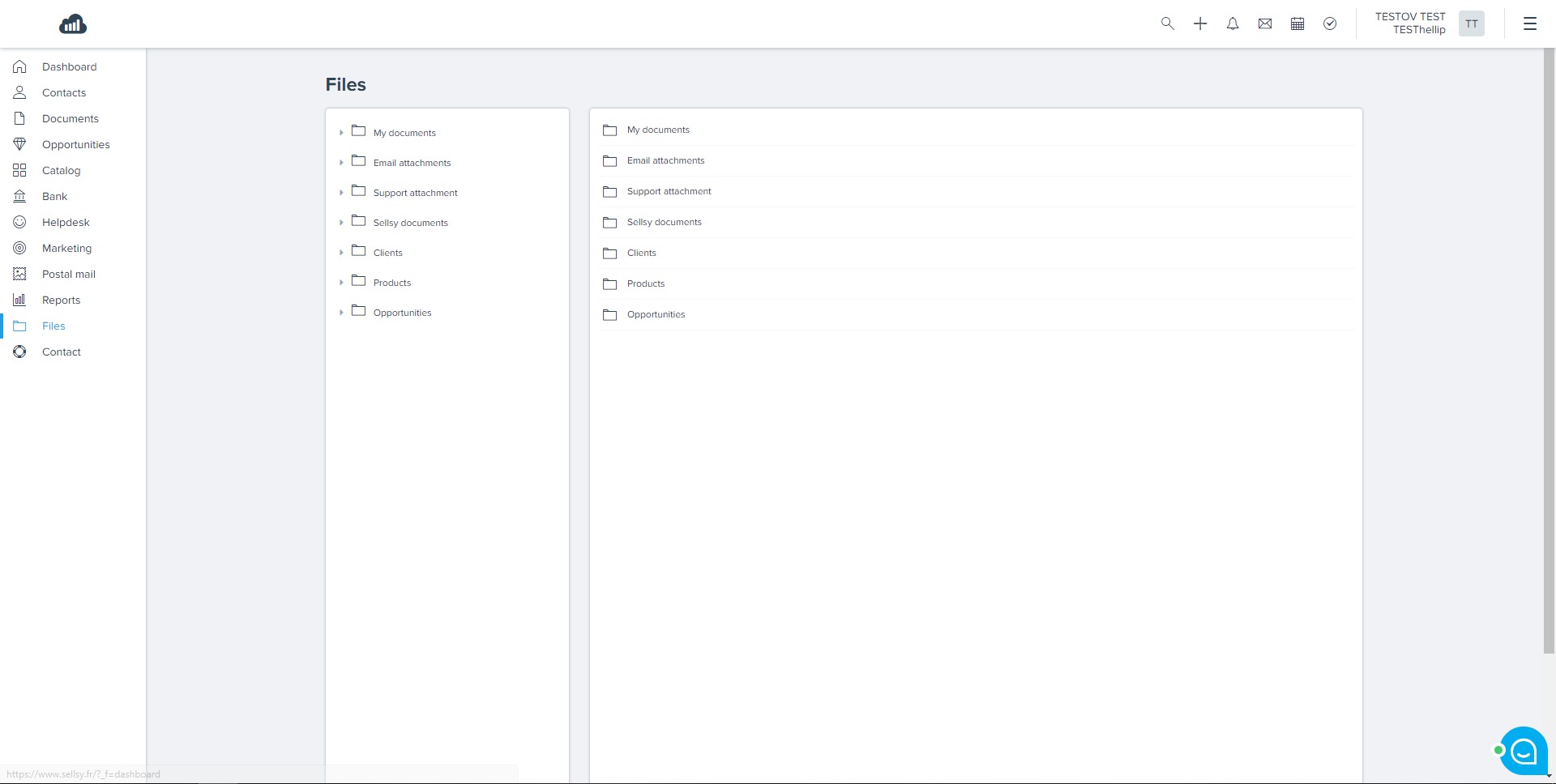
Sellsy is a business software platform that combines CRM, sales pipeline management, quoting, invoicing, payment support, and financial administration in one system. It is positioned as a solution for companies that want to manage the path from prospecting to payment without scattering work across too many separate tools. Sellsy presents its suite around several connected areas: Prospecting & Sales, Invoicing & Management, Cash Management, and additional tools such as marketing and document creation.
This makes Sellsy especially relevant for small and mid-sized businesses that need tighter coordination between commercial work and administrative follow-through. Instead of treating CRM as one product and invoicing as another, Sellsy is built around revenue flow: finding leads, moving deals forward, sending quotes, converting them into invoices, collecting payments, and keeping visibility on customer activity. That structure is useful for teams that want fewer handoffs, less duplicate data entry, and better traceability across sales and finance operations.
What key features does Sellsy include?
- CRM and contact management
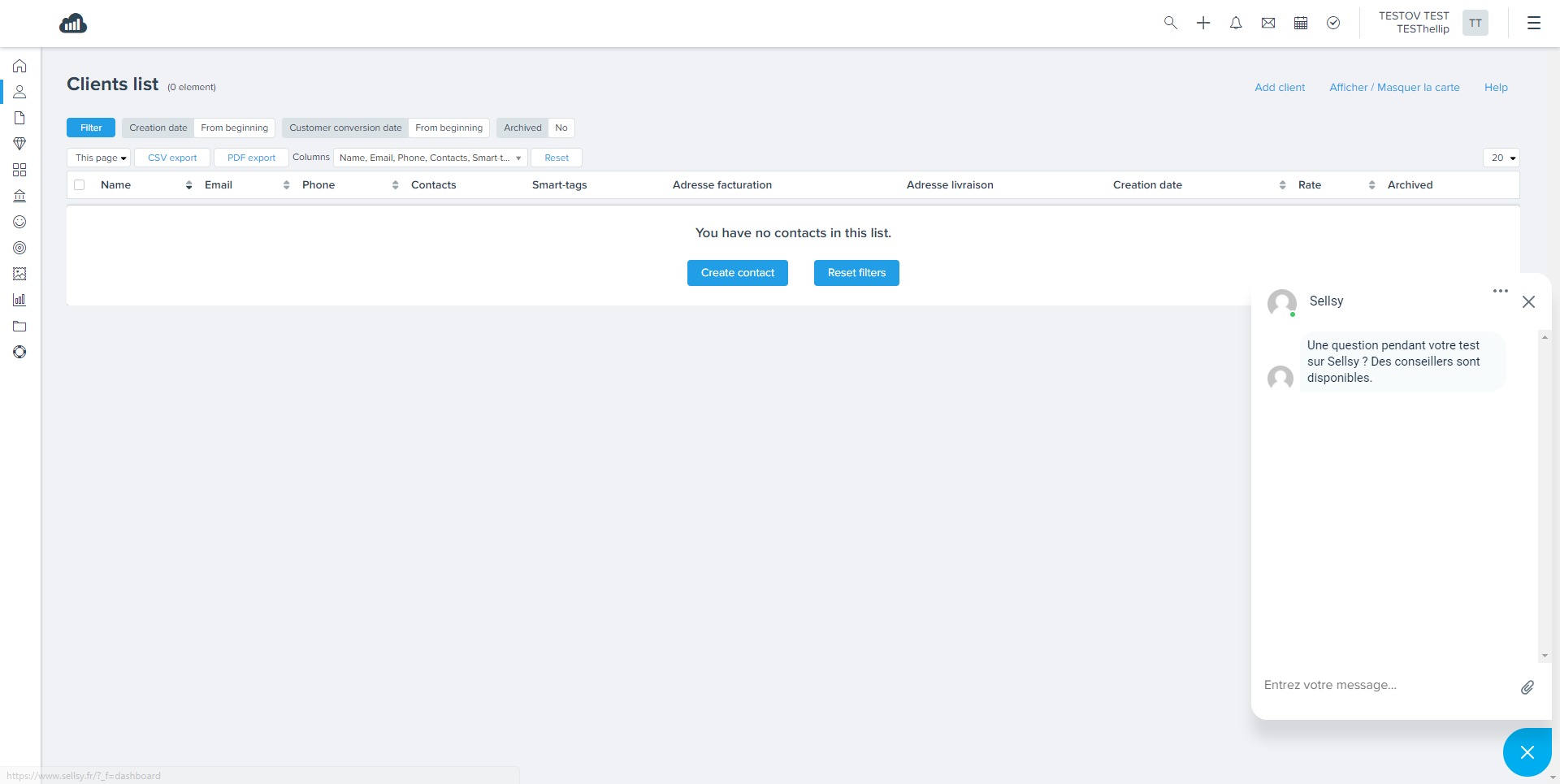
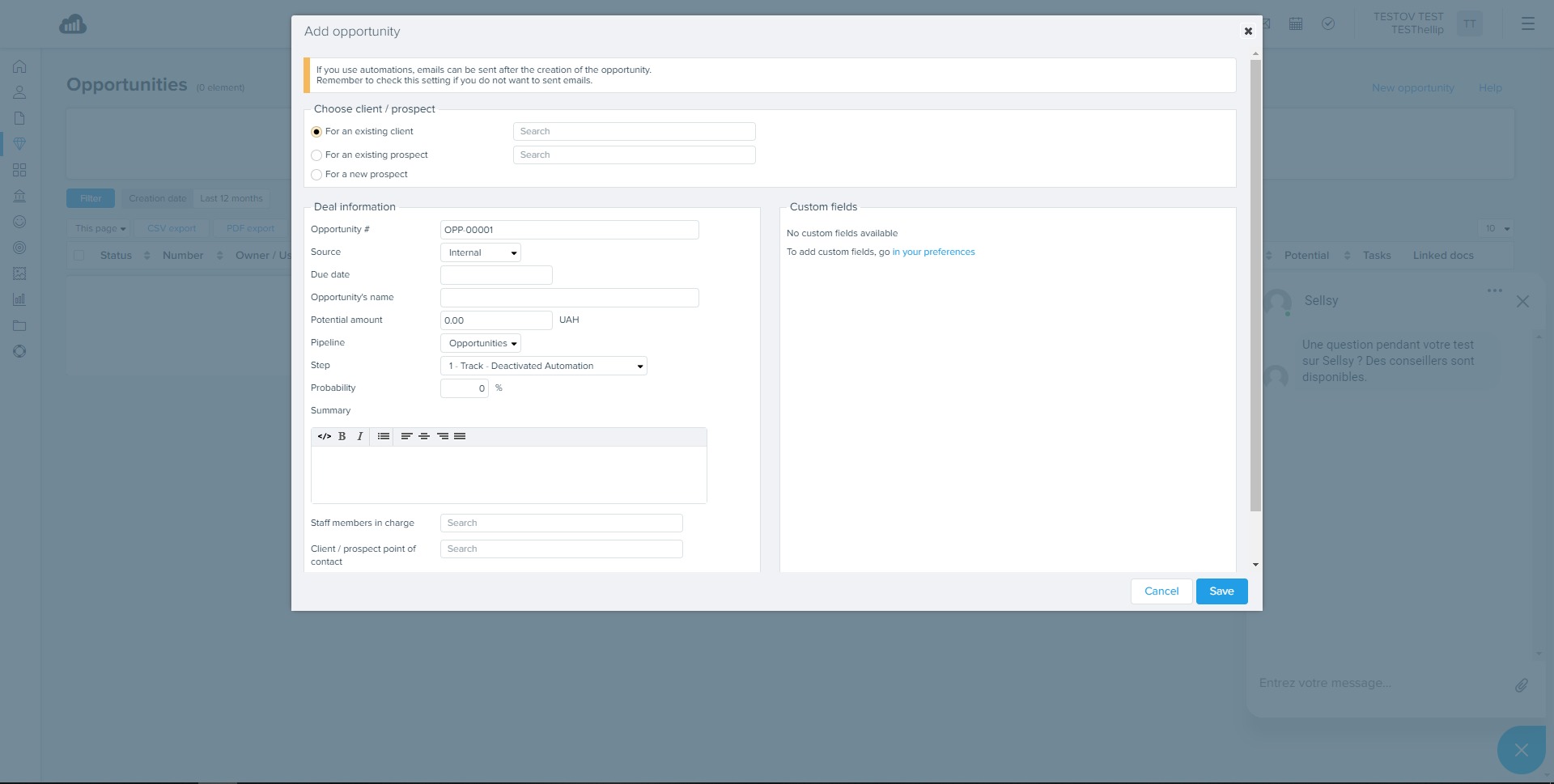
Sellsy includes customer and prospect records, activity history, and opportunity tracking. This helps teams keep conversations, actions, and deal context in one place rather than spreading them across inboxes, spreadsheets, and separate notes. - Sales pipeline and commercial follow-up
The platform supports pipeline-based sales work, quote creation, electronic signature, and automatic follow-up. These features are designed to reduce repetitive commercial tasks and help teams move opportunities faster from initial contact to signed agreement. - Quote-to-invoice workflow
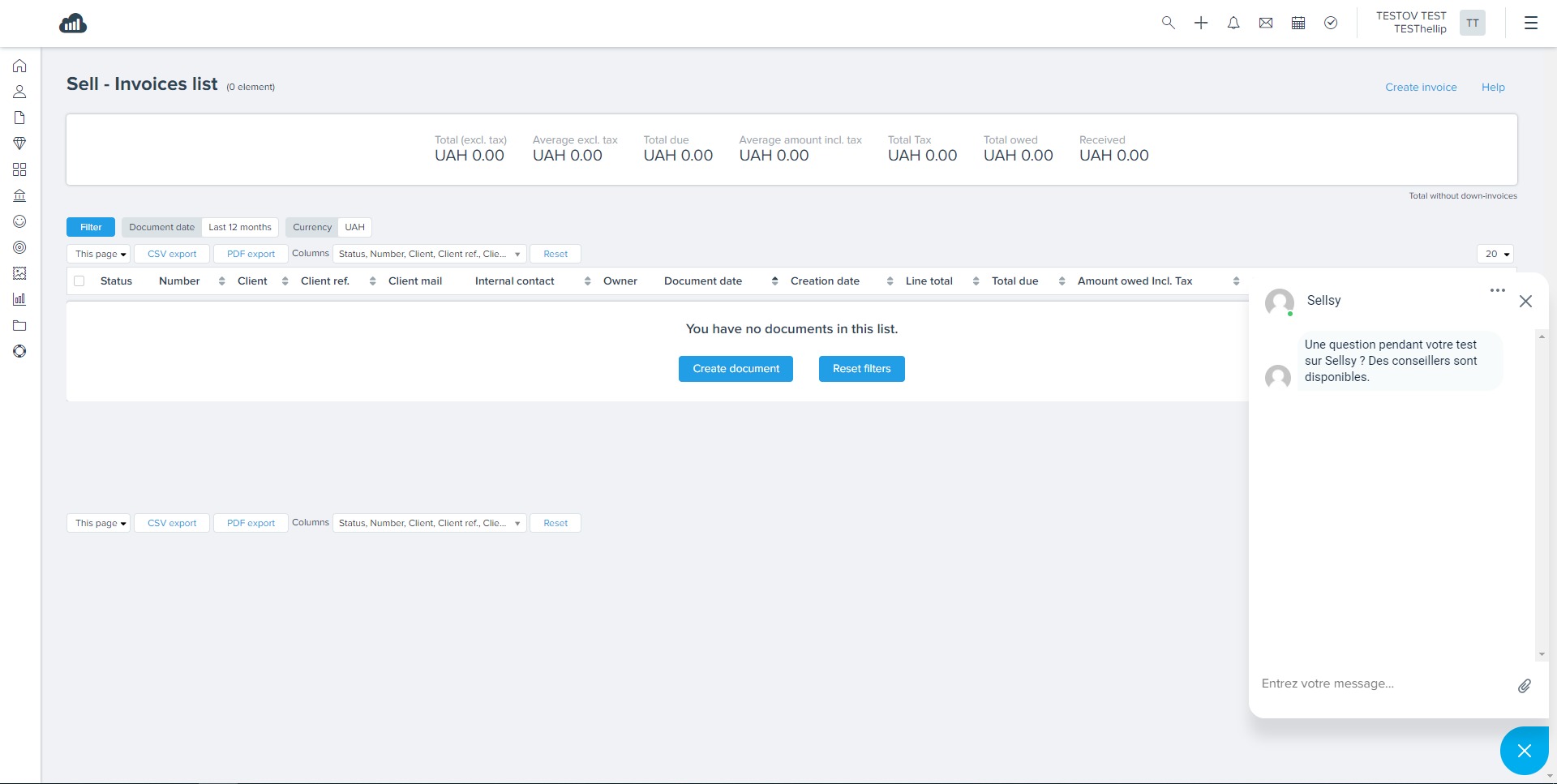
One of Sellsy’s central strengths is the ability to convert quotes into invoices in one click. That shortens the gap between closing a deal and issuing a bill, which is often where manual friction slows companies down. - Recurring invoicing and payment support
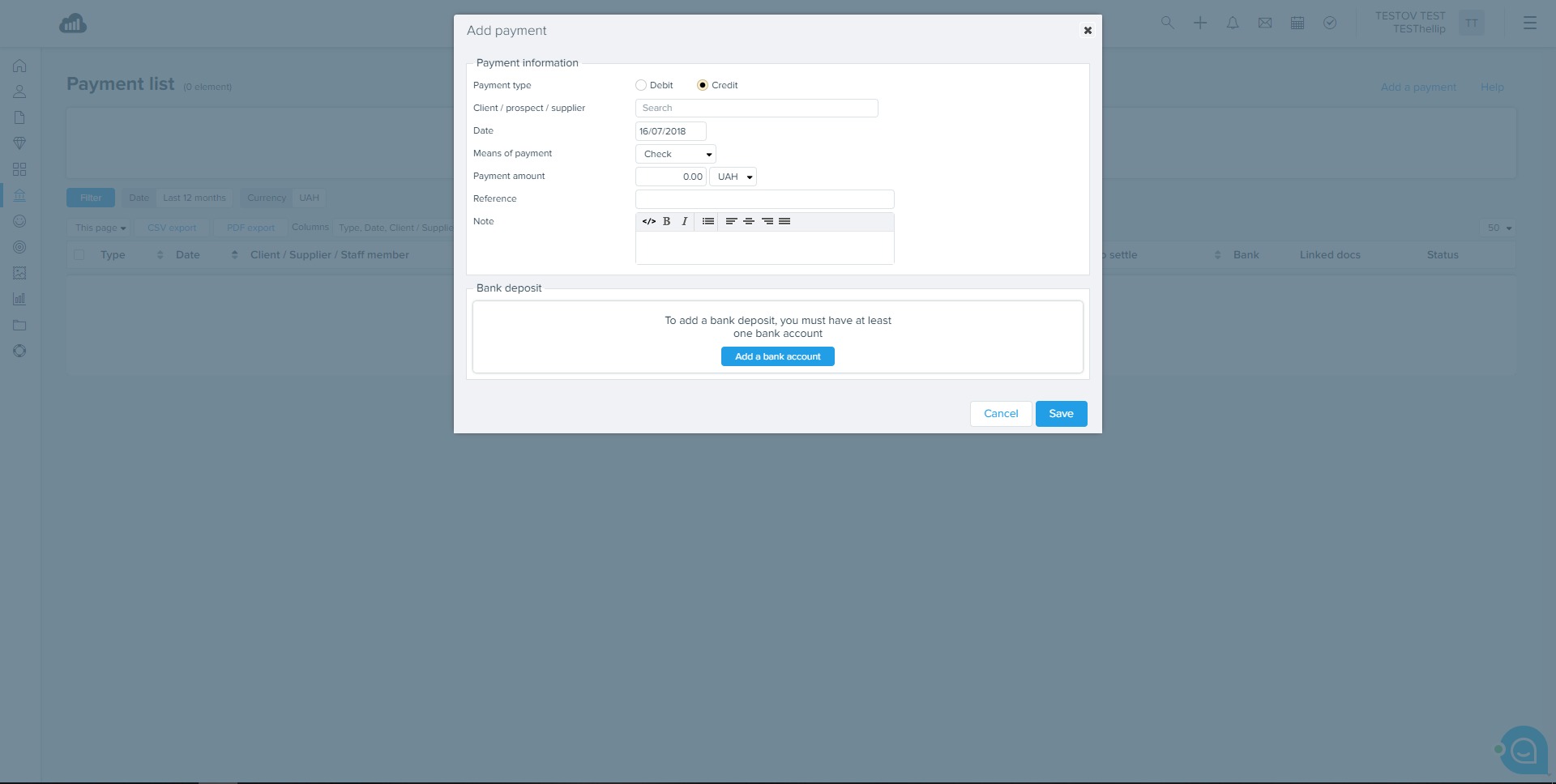
Sellsy highlights recurring invoicing, online payment support, and automated reminders. These features are useful for subscription models, agencies, retainers, and any business that wants to reduce payment delays and stabilize cash collection. - Pre-accounting and financial visibility
The platform includes pre-accounting support, purchasing and margin visibility, bank synchronization, and cash-flow monitoring. This moves Sellsy beyond a pure sales CRM and into a more operational role for finance-aware teams. - Marketing and document tools
Sellsy also offers marketing functions such as targeted email and SMS campaigns with dynamic segmentation, as well as Redactor for proposals, contracts, and other dynamic documents. These tools extend the suite into customer communication and sales documentation.
In what business situations is Sellsy useful?
- Sales teams that need structure
Businesses with growing lead volume can use Sellsy to organize pipelines, manage opportunities, and maintain a cleaner record of sales activity. That matters when deals start slipping through cracks created by manual coordination. - Service companies and agencies
Agencies and service firms can benefit from quote management, recurring invoicing, and centralized client history. This is especially useful where the same customer relationship moves between proposal, delivery, billing, and renewals. - Software and subscription businesses
Sellsy explicitly positions itself for software publishers that need recurring invoicing and subscription-related management. For SaaS-like workflows, that reduces admin overhead on repeated billing cycles. - Administrative and finance-heavy workflows
Companies that want sales and invoicing tied more closely to accounting preparation and cash monitoring can use Sellsy as a bridge between front-office and back-office work.
What benefits does Sellsy offer?
The main benefit of Sellsy is consolidation. Instead of stitching together separate tools for contact management, quoting, invoicing, reminders, and financial follow-up, businesses can run these connected steps inside one platform. That can reduce admin drag, improve data consistency, and create a clearer view of how commercial activity translates into revenue.
Another benefit is speed. Features such as one-click quote conversion, automated reminders, dynamic documents, and recurring invoicing are all aimed at cutting manual effort. For growing teams, that matters because operational friction often scales faster than revenue if processes stay fragmented. This also makes Sellsy interesting not just as a CRM, but as a practical business operations layer.
From a catalog perspective, Sellsy fits best under CRM, invoicing and billing, and sales management, while also carrying relevance for marketing automation and cash-flow-oriented operations. That broad positioning can be a strength for businesses that want one coordinated system rather than a stack of narrow tools.
What is the user experience like in Sellsy?
Sellsy is designed as a collaborative, all-in-one workspace rather than a single-purpose CRM screen. Its positioning suggests an experience centered on daily operational flow: managing contacts, checking activity history, sending quotes, issuing invoices, following payments, and monitoring cash-related information without switching environments too often. The mobile app listings also indicate access to CRM data, sales figures, tasks, and estimates on the go, which supports users who need field access as well as office workflow.
Overall, Sellsy appears best suited for businesses that value operational continuity more than extreme specialization. It is not just a lead tracker and not just an invoicing tool. It is a connected commercial management platform for teams that want sales, billing, and part of finance administration to move in the same lane instead of colliding in separate systems.
2026-10-07 15:18:13: What is a consultant at Sellsy? Youtube
2026-09-29 09:11:00: What is an SDR at Sellsy? Youtube
2026-09-22 09:12:55: What is a Key Account Manager at Sellsy? Youtube
2026-09-10 12:29:51: Webinar Questions / Answers Electronic Invoicing Youtube
2026-09-09 06:00:22: Auto-entrepreneur: Am I really concerned about #electronicbilling? Youtube
2026-09-08 15:18:55: #electronicinvoicing: how to bill BtoG? Youtube
2026-09-01 07:00:11: The reception on Sellsy: user manual #electronicbilling Youtube
2026-08-17 09:09:47: Routing address: where to enter them? #electronicbilling Youtube
2026-08-13 14:52:54: What is a routing address? #electronicbilling Youtube
2026-08-12 15:07:10: What is an engineering manager? #sellsy Youtube
Sellsy Alternatives




Sellsy Integrations