Pyrus
Collaboration and personal effectiveness
Task manager
Software Development Tools
Workflow Automation Platforms
Languages:
English
Localization:
World

What is Pyrus and how does it work?
Overview Description
Pyrus is a cloud-based workflow automation and team productivity platform designed to replace fragmented communication, manual approvals, and email-driven processes. It combines task management, structured workflows, approvals, and contextual team communication in a single environment. The core idea is simple: work should move through clearly defined steps, not get stuck in inboxes or chat threads.
Pyrus works by turning everyday business processes into digital workflows. A request starts with a form or task, then automatically moves through predefined stages such as review, approval, execution, and completion. Each step is assigned to specific people or roles, with deadlines, notifications, and full transparency. Teams can see exactly where work is, who is responsible, and what needs attention next. The platform is flexible enough for small teams but structured enough for operational-heavy departments like finance, HR, operations, and customer support.
What key features does Pyrus offer?
Key Features
-
Workflow Automation
Custom workflows can be built using forms and rules without coding. Tasks are routed automatically based on conditions, values, or roles, ensuring processes move forward without manual follow-ups. -
Task and Process Management
Tasks, subtasks, and deadlines are integrated directly into workflows. This connects daily task execution with larger operational processes instead of treating them as separate systems. -
Approval Chains
Pyrus supports sequential and parallel approvals. Each approver sees context, documents, and history, reducing delays and approval errors. -
Contextual Team Communication
Discussions are tied to tasks and workflows, not generic chat rooms. This keeps conversations focused and searchable, with decisions preserved in context. -
Forms and Data Collection
Custom forms allow structured data entry for requests, reports, and internal submissions. Form data drives workflow logic and automation. -
Email-to-Task Conversion
Incoming emails can be converted into tasks or workflow entries, helping teams transition away from email without losing incoming requests. -
Mobile and Remote Access
Mobile apps and browser access allow approvals and task updates from anywhere, keeping workflows moving even outside the office.
What business problems does Pyrus solve?
Use Case Highlights
-
Finance and Accounting Operations
Automates invoice approvals, expense claims, and budget requests with clear approval trails and reduced processing time. -
Human Resources Workflows
Manages leave requests, onboarding tasks, internal policies, and employee requests with predictable, auditable flows. -
Operations and Internal Requests
Centralizes service requests, procurement approvals, and internal tickets into structured processes instead of scattered messages. -
Customer and Service Teams
Tracks incoming requests, assigns ownership, enforces response timelines, and provides visibility into workload and performance. -
Management and Leadership Oversight
Provides real-time visibility into process status, bottlenecks, and workload distribution without micromanagement.
What are the main benefits of using Pyrus?
Pyrus reduces operational friction by removing ambiguity from work processes. Every task has an owner, a status, and a next step. This clarity lowers delays, reduces follow-ups, and improves accountability across teams. Automation minimizes human error in repetitive processes while keeping decision-making transparent.
Another major benefit is consolidation. Instead of juggling task managers, email, approval tools, and internal forms, teams operate in a single system. This simplifies onboarding, improves adoption, and reduces tool sprawl. Pyrus also scales well: teams can start with basic task tracking and gradually introduce more complex workflows as needs grow.
What is the user experience like in Pyrus?
User Experience
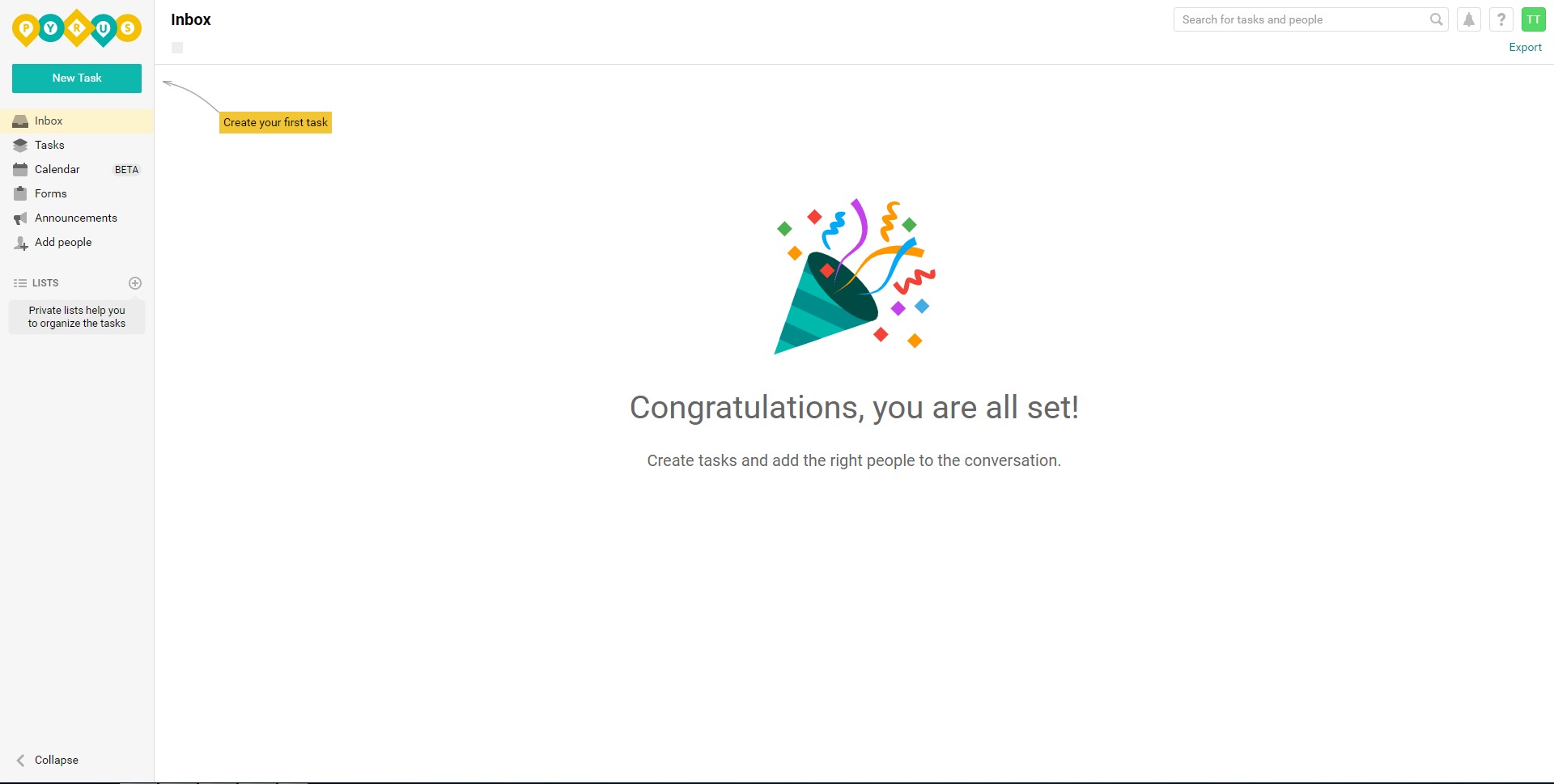
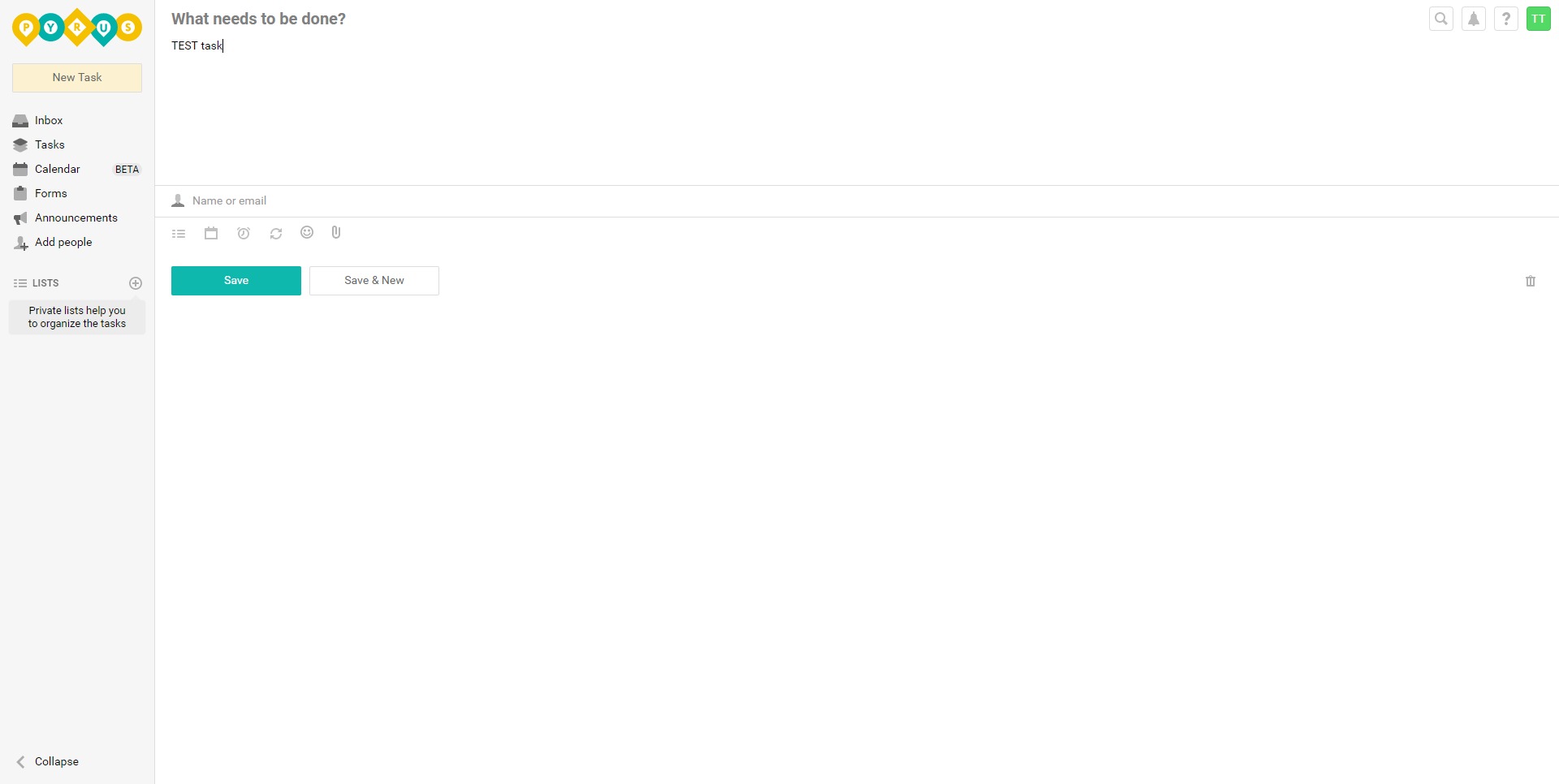
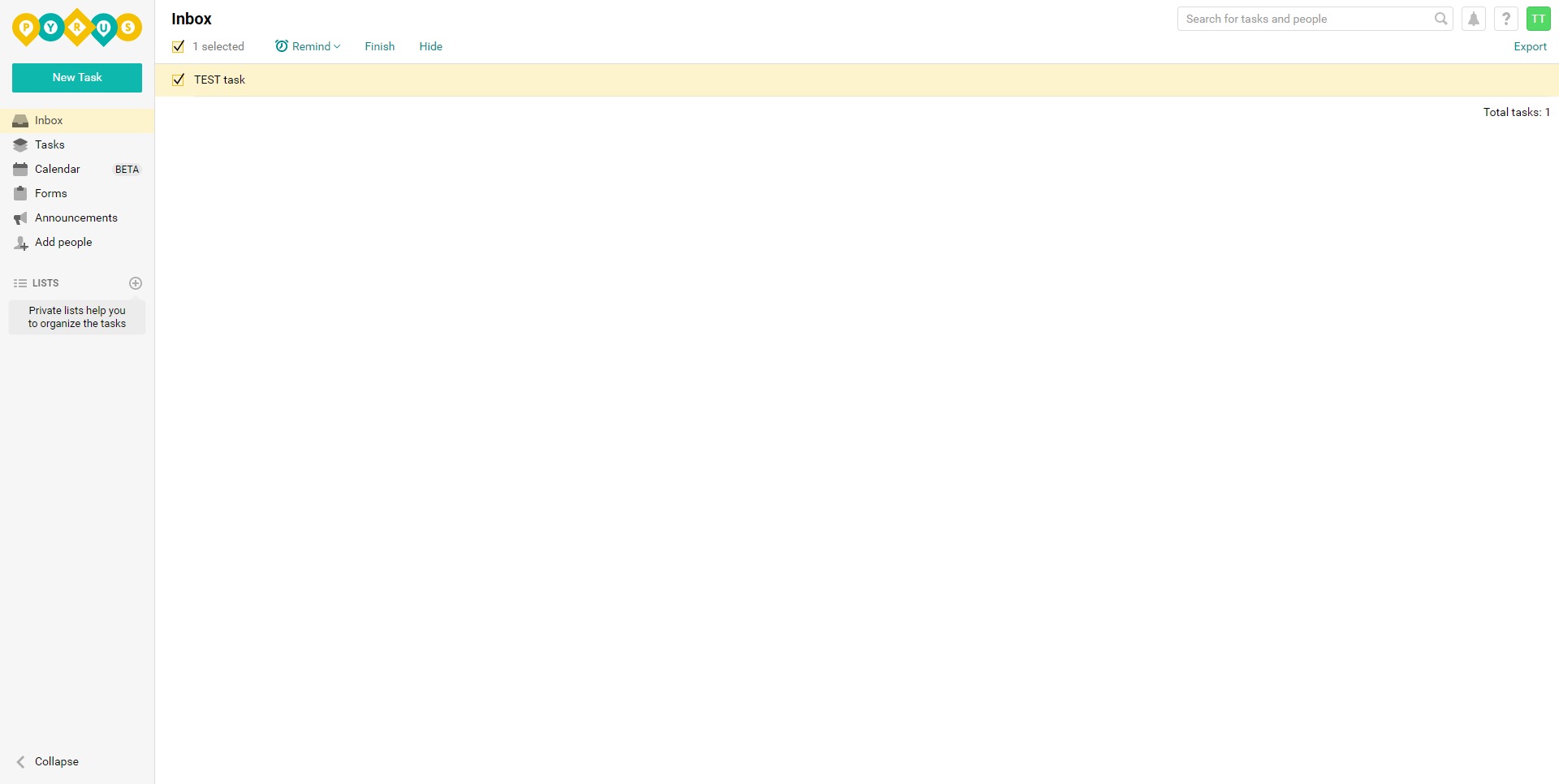
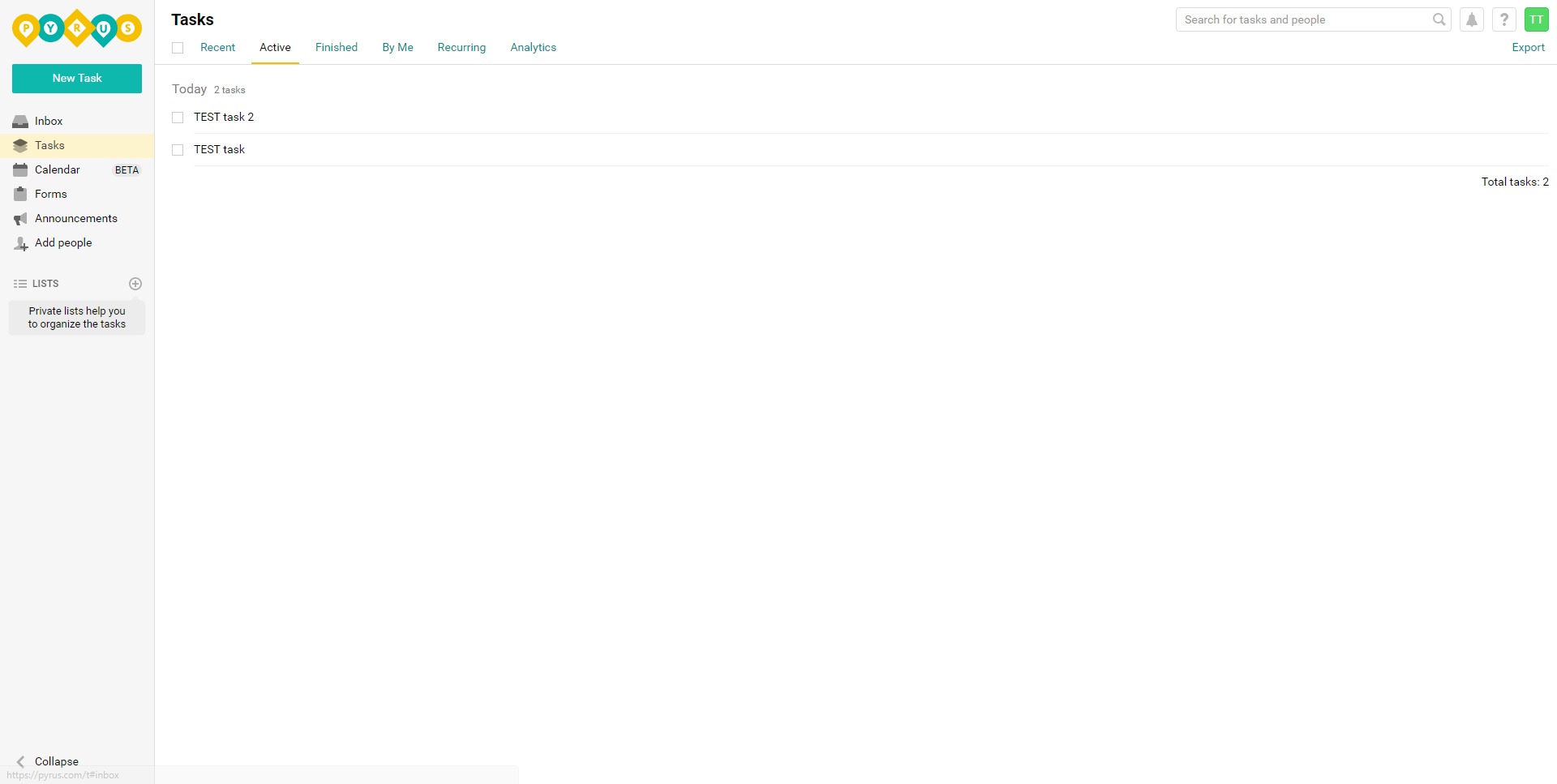
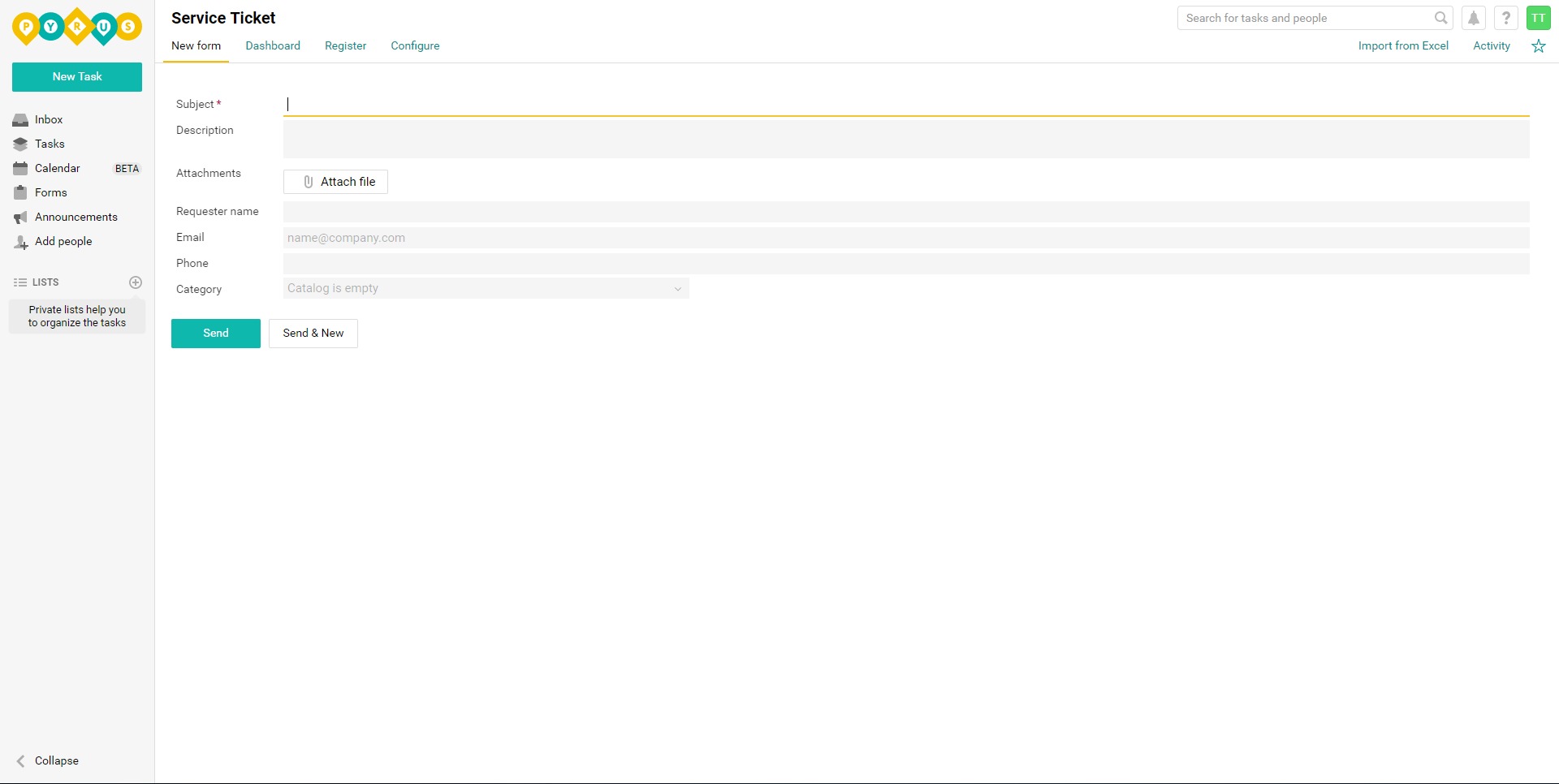
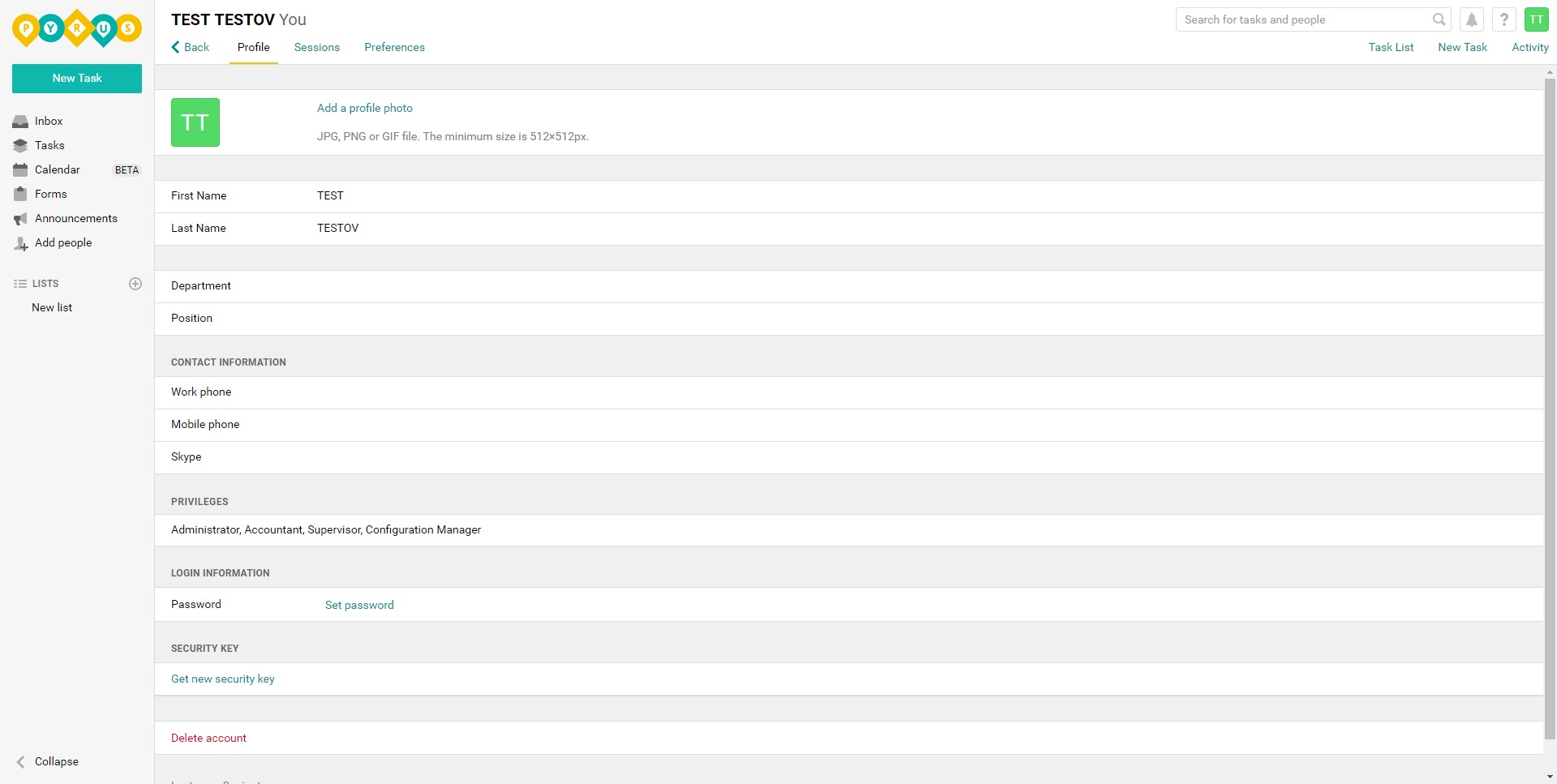
The interface is designed for operational clarity rather than visual complexity. Users see tasks, approvals, and discussions in a structured, readable format. Creating tasks or submitting requests is straightforward, and workflows guide users through required steps without training overhead.
For managers, dashboards provide insight into progress and delays without requiring constant status updates. For team members, notifications are relevant and tied to action, not noise. The overall experience emphasizes predictability, speed, and focus, making Pyrus suitable for teams that value execution discipline over experimentation.
2023-02-21 10:37:36: Business strategy 101: Read on!
https://t.co/upv48U7XJm
#business #businesstrategyTwitter
2023-02-14 21:48:19: #Project ideas come up all the time...
It’s critical to know how to propose yours in a way that’s sure to get you that green light. Read here for all the critical elements of a project proposal: https://t.co/M2SW4e9MqyTwitter
2023-02-09 21:33:14: Everyone has to present a presentation at some point in their career... here are some tips for when it's your turn! https://t.co/ANN5mBzuf8Twitter
2023-02-07 12:24:19: Sometimes, people in new leadership positions can feel a bit lost at the beginning. If this is you, learn as much as you can about leadership styles and see which best suits you. Here's the scoop on adaptive leadership: https://t.co/hVvXlI6N4tTwitter
2023-01-26 12:26:20: Thinking about switching careers? Ready to start a new job? Here's a guide to help make the transition easier. Good luck!!
https://t.co/fCoYNKR72cTwitter
2023-01-18 12:46:12: Discover the changing business trends in 2023! Stay on top of the game! https://t.co/Go642fPDEoTwitter
2022-12-08 10:53:33: The Employer's Guide to Onboarding: Check it out here!
https://t.co/Bh4mZ9QdlOTwitter
2022-11-23 20:42:35: The employee's guide to onboarding: https://t.co/AnWDGocYizTwitter
2022-11-14 12:42:08: Do you have a hard time saying no? Do you find yourself wishing that you could just be honest? Then, this article is for you!
https://t.co/m10ZXOA1JtTwitter
2022-11-03 11:16:35: Ever feel like you just need some inspiration? You've gotten into a work rut and need a way out? Here's what to do: https://t.co/cHszlrj9gzTwitter
Pyrus Alternatives