
Atlassian discontinued HipChat and Stride, selling their IP to Slack and redirecting customers toward Slack’s platform, as reported by TechCrunch, while Atlassian continues focusing on its tools and integrations, including listings on Hellip for Atlassian and Slack workspaces worldwide today.
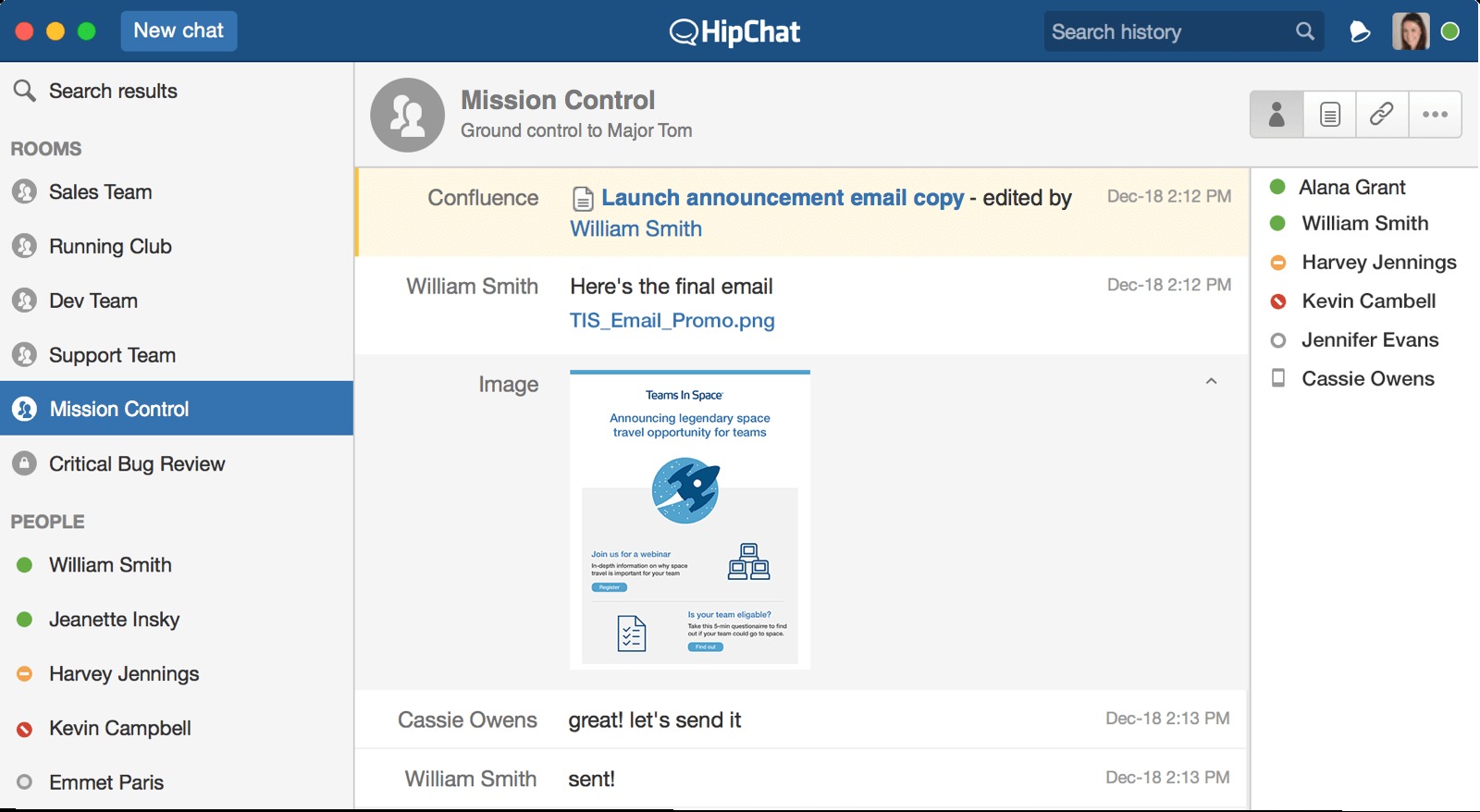
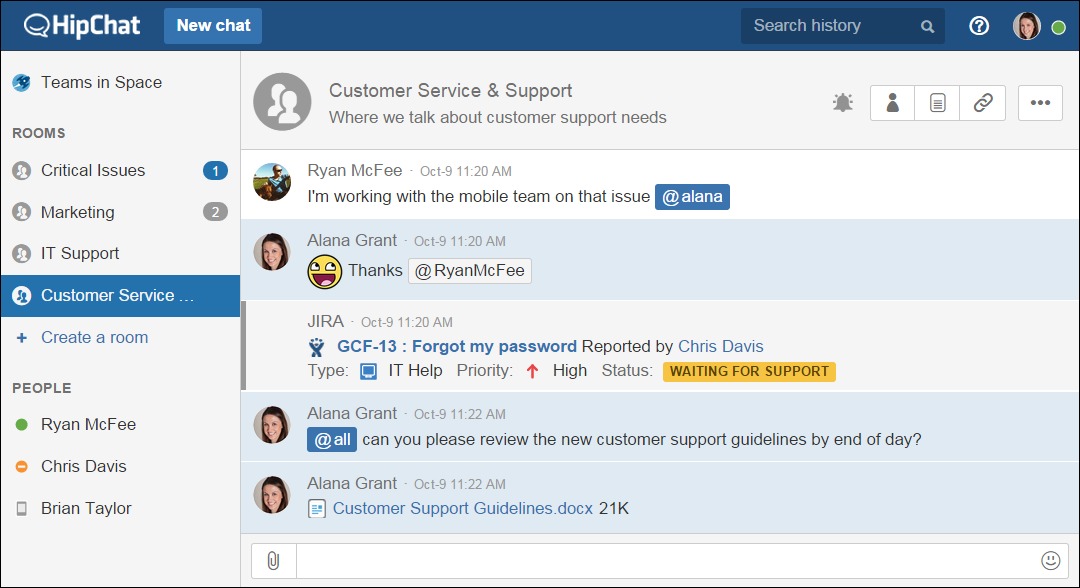
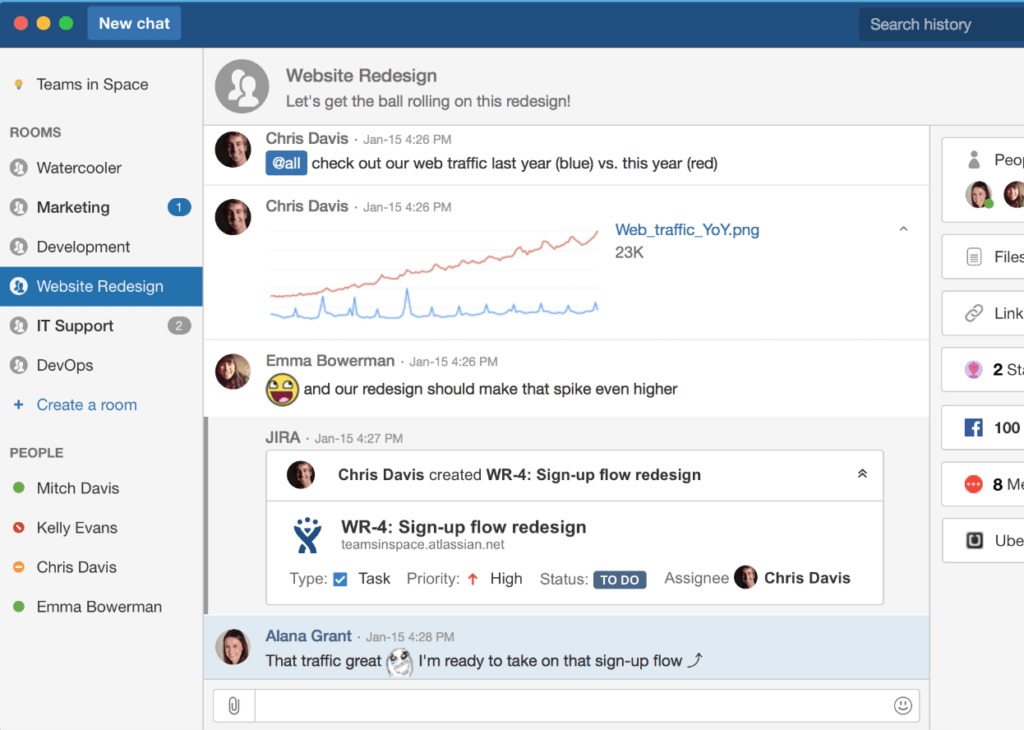
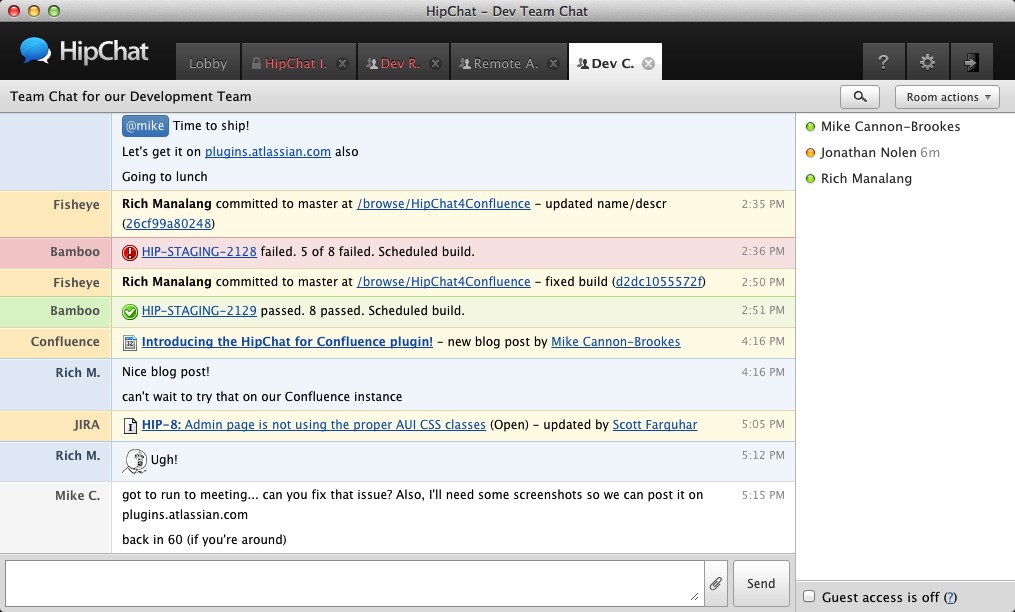
HipChat was a team communication platform designed for companies that needed fast, structured collaboration beyond email. Originally created as an independent startup and later acquired by Atlassian, it focused on helping software teams, support departments, and business units organize their daily communication around projects and issues. HipChat offered persistent chat rooms for teams and topics, 1:1 direct messaging, and searchable history so people could quickly catch up on what they’d missed. It integrated tightly with tools like Jira, Confluence, Bitbucket, GitHub, and many other services, turning chats into a live activity feed where code commits, deployments, and support tickets appeared in real time.
The product supported file sharing, inline previews, and @mentions to keep the right people in the loop. It also provided group video chat and screen sharing in later versions, aiming to be a hub for both text and live collaboration. One of HipChat’s key strengths was flexibility of deployment: teams could use HipChat Cloud as a hosted service or HipChat Server/Data Center on-premises, which made it attractive for enterprises with strict security and compliance needs. For several years, HipChat was a go-to solution for engineering-driven organizations that wanted focused, work-centric chat.
HipChat Alternatives