What is FocalScope and who is it for?
FocalScope is a customer service platform designed for businesses that need to manage conversations from multiple channels in one place. Instead of splitting support across email tools, chat widgets, voice systems, and messaging apps, it brings those interactions into a single workspace. This makes it useful for support teams that want better control over response times, ticket flow, and service quality without constantly switching between disconnected systems.
The platform is suitable for companies with growing support complexity, especially in e-commerce, logistics, travel, telecom, BPO, and internal help desk environments. It is built not just for replying to messages, but for organizing workloads, routing requests, tracking service levels, and giving managers visibility into team performance. FocalScope fits businesses that need an operational support layer, not just a lightweight inbox.
What key features does FocalScope offer?
- Omnichannel communication management
FocalScope helps teams handle email, live chat, voice, and popular messaging channels in one unified system. This reduces fragmentation and gives agents a clearer view of customer interactions across touchpoints.
- Email ticketing and case handling
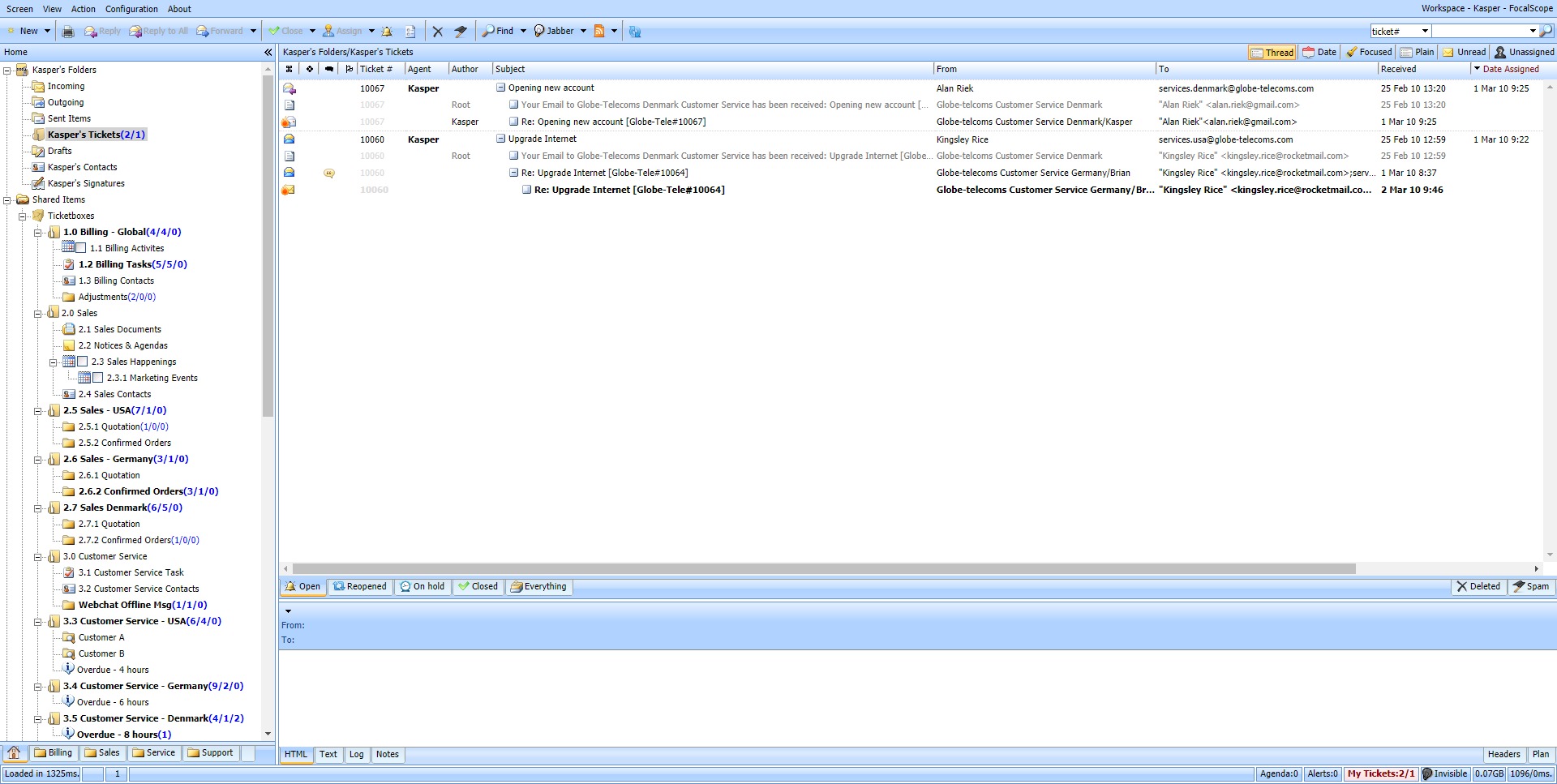
Email remains a core support channel for many businesses, and FocalScope is structured to turn incoming messages into manageable support tickets with tracking, ownership, and follow-up control.
- Live chat and bot support
The platform includes live chat capabilities that allow businesses to respond in real time while also using bots to handle common questions and reduce repetitive manual work.
- Voice and contact center functions
FocalScope extends beyond written conversations by supporting voice-based customer service workflows, making it relevant for teams that operate as service desks or contact centers.
- Workflow automation and routing rules
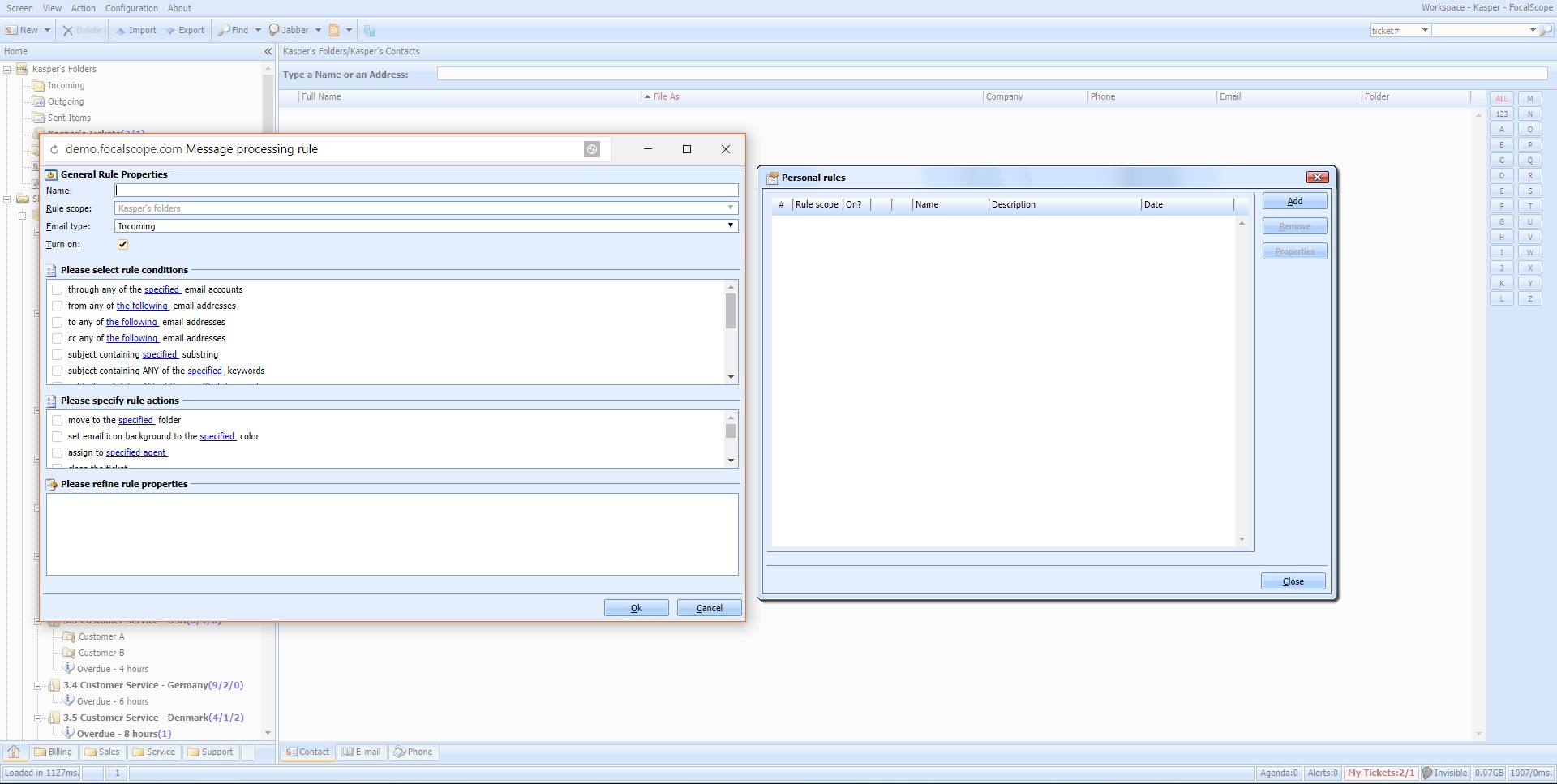
Requests can be routed based on queue logic, team structure, skill matching, SLA requirements, or priority level. This helps reduce manual triage and keeps service operations more consistent.
- Knowledge base and self-service tools
A knowledge base allows businesses to publish answers, guides, and support content so customers can resolve simple issues on their own before contacting an agent.
- Reporting and performance dashboards
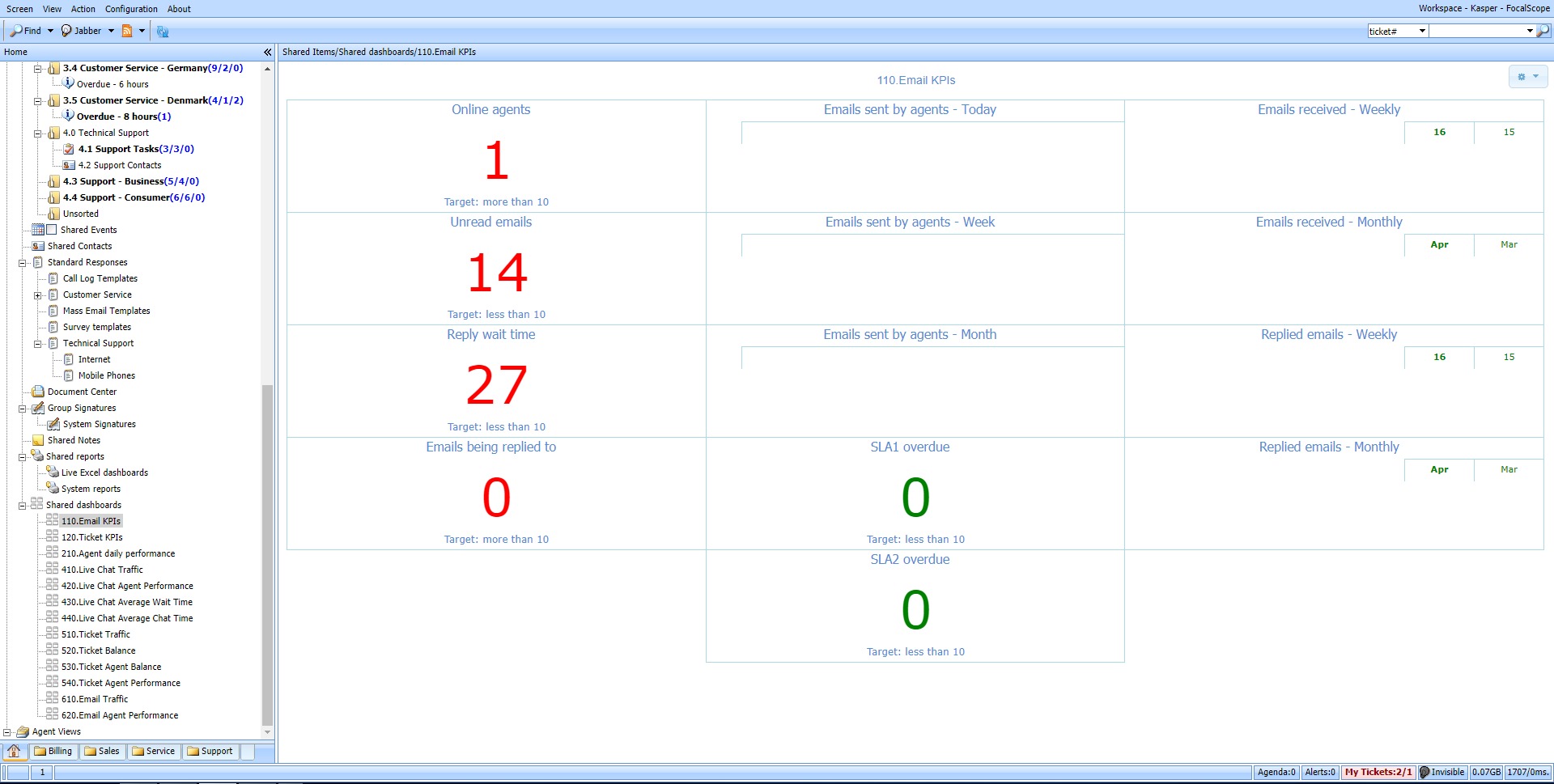
Managers can track KPIs, workloads, SLA performance, and service trends through dashboards and reports, helping teams spot weak points and improve support operations.
- AI-assisted support capabilities
FocalScope also positions itself around AI support functions that can help automate repetitive tasks and assist agents with faster, more informed responses.
How can FocalScope be used in real business scenarios?
- E-commerce customer support
Online stores can use FocalScope to manage order issues, delivery questions, return requests, and product inquiries across email, chat, and messaging apps from one place.
- Logistics and shipment coordination
Logistics businesses can centralize communication related to shipping updates, delays, delivery exceptions, and customer status requests while maintaining clear routing and escalation paths.
- Travel and booking assistance
Travel teams can use the platform to handle reservation questions, schedule changes, traveler support, and post-booking service with better queue management and faster response handling.
- BPO and outsourced support teams
Service providers working for multiple clients can use FocalScope to organize cases, assign teams, monitor SLAs, and keep service levels measurable across accounts.
- Internal IT or operations help desks
Companies can also use the system for employee support, internal requests, and issue tracking, especially when multiple departments or teams need one structured ticketing layer.
What are the main benefits of FocalScope?
FocalScope helps reduce channel chaos. That is its strongest practical value. When support operations grow, the real problem is rarely just message volume. The bigger issue is fragmentation: different channels, different tools, different response habits, and very little visibility. FocalScope addresses that by centralizing communication and turning it into a more controlled process.
Another benefit is operational consistency. Routing rules, prioritization, and SLA controls help teams respond in a more organized way instead of relying on manual sorting. This can improve speed, reduce missed cases, and create a more predictable support workflow.
The platform also supports better management decisions. Reporting and dashboards make it easier to see where queues are overloaded, where agents are under pressure, and where service quality may be slipping. For growing teams, this kind of visibility matters more than surface-level convenience.
A further advantage is scalability. FocalScope appears suitable for teams that have moved beyond basic inbox tools and now need a more serious support environment with automation, supervision, and broader channel coverage.
What is the user experience like with FocalScope?
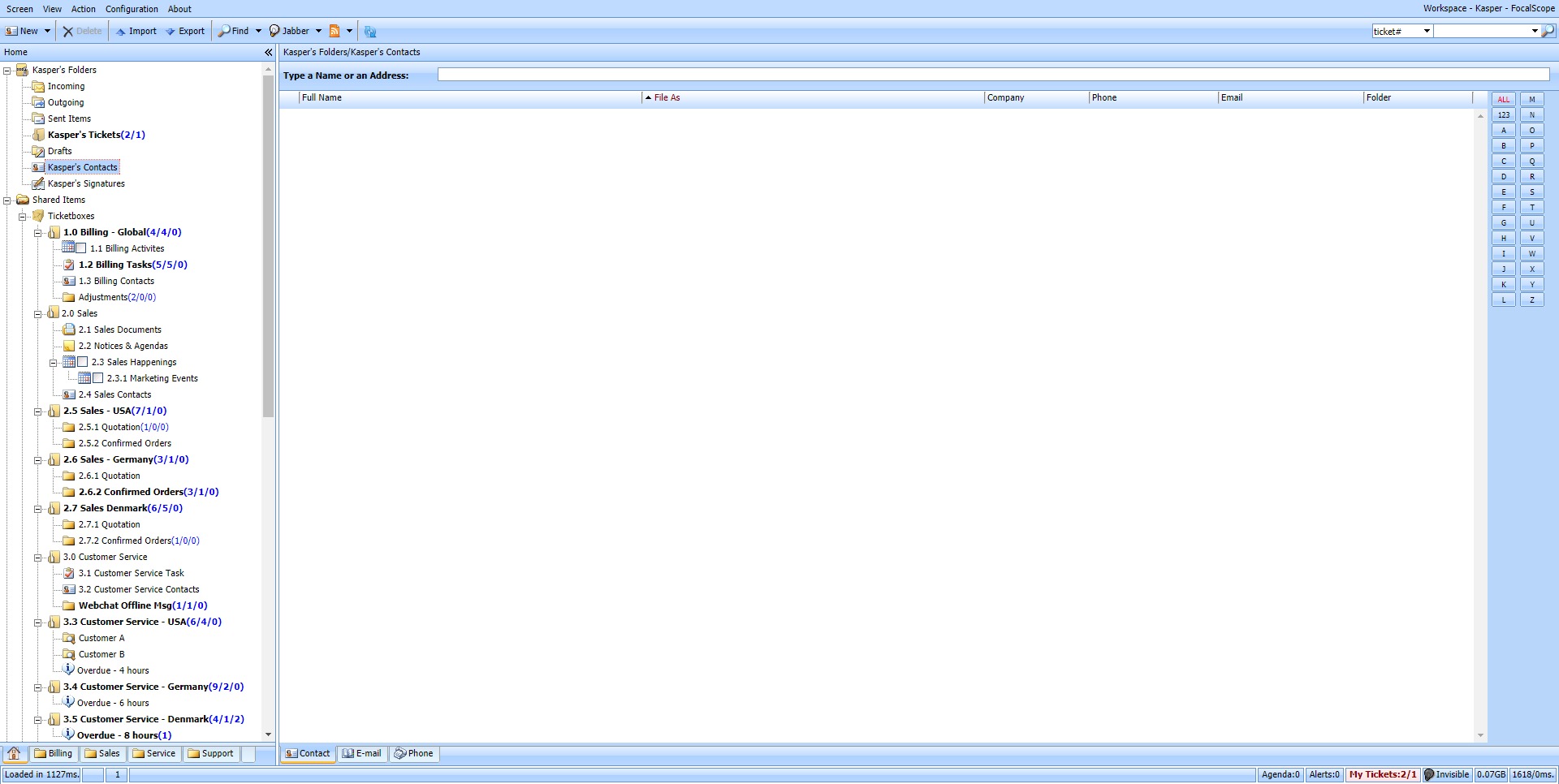
The user experience is centered on control, visibility, and consolidation. For agents, that likely means fewer disconnected tools and a more structured workspace for handling conversations. For managers, it means dashboards, queue oversight, and service monitoring instead of guesswork.
FocalScope feels more like an operations-focused support platform than a minimalist chat app. Its value is strongest for teams that care about workflows, service discipline, and multichannel coordination. Businesses looking for a simple live chat widget may find it broader than necessary, but teams with real support volume may see that breadth as the main advantage.
Overall, FocalScope is best understood as an omnichannel customer service platform built for businesses that want support operations to be organized, measurable, and easier to scale.