FedEx
Languages:
English
Localization:
World

What is FedEx and how does it work?
FedEx is a global shipping, delivery, and logistics platform designed to move documents, parcels, freight, and large-scale cargo across domestic and international markets. The service operates as an integrated transportation network combining air, ground, and freight capabilities with digital tools for shipment management. It supports individual senders, small businesses, ecommerce sellers, and enterprise supply chains through standardized yet scalable services.
At its core, FedEx focuses on reliability, delivery speed options, and operational predictability. Users can choose between time-critical express delivery, cost-optimized ground shipping, or freight solutions for heavy and oversized goods. Beyond transportation, the platform extends into logistics, customs handling, warehousing, and supply chain coordination, allowing businesses to outsource complex fulfillment and distribution workflows while maintaining visibility and control.
What services does FedEx provide?
FedEx delivers a broad portfolio of shipping and logistics services built around different urgency levels, shipment sizes, and operational needs.
Key Features
-
Express Shipping Services
Time-definite delivery for urgent domestic and international shipments, designed for documents and high-priority parcels with predictable delivery windows. -
Ground and Economy Shipping
Cost-efficient shipping for non-urgent packages with day-definite delivery, commonly used by ecommerce businesses and residential customers. -
International Shipping and Customs Support
Cross-border delivery services with built-in documentation guidance, customs processing, and shipment visibility across countries and regions. -
Freight and Heavy Shipment Handling
Solutions for palletized, oversized, and high-weight shipments, including less-than-truckload and air freight options. -
Logistics and Supply Chain Services
End-to-end logistics support such as warehousing, fulfillment, inventory management, reverse logistics, and transportation coordination. -
Digital Shipping Tools
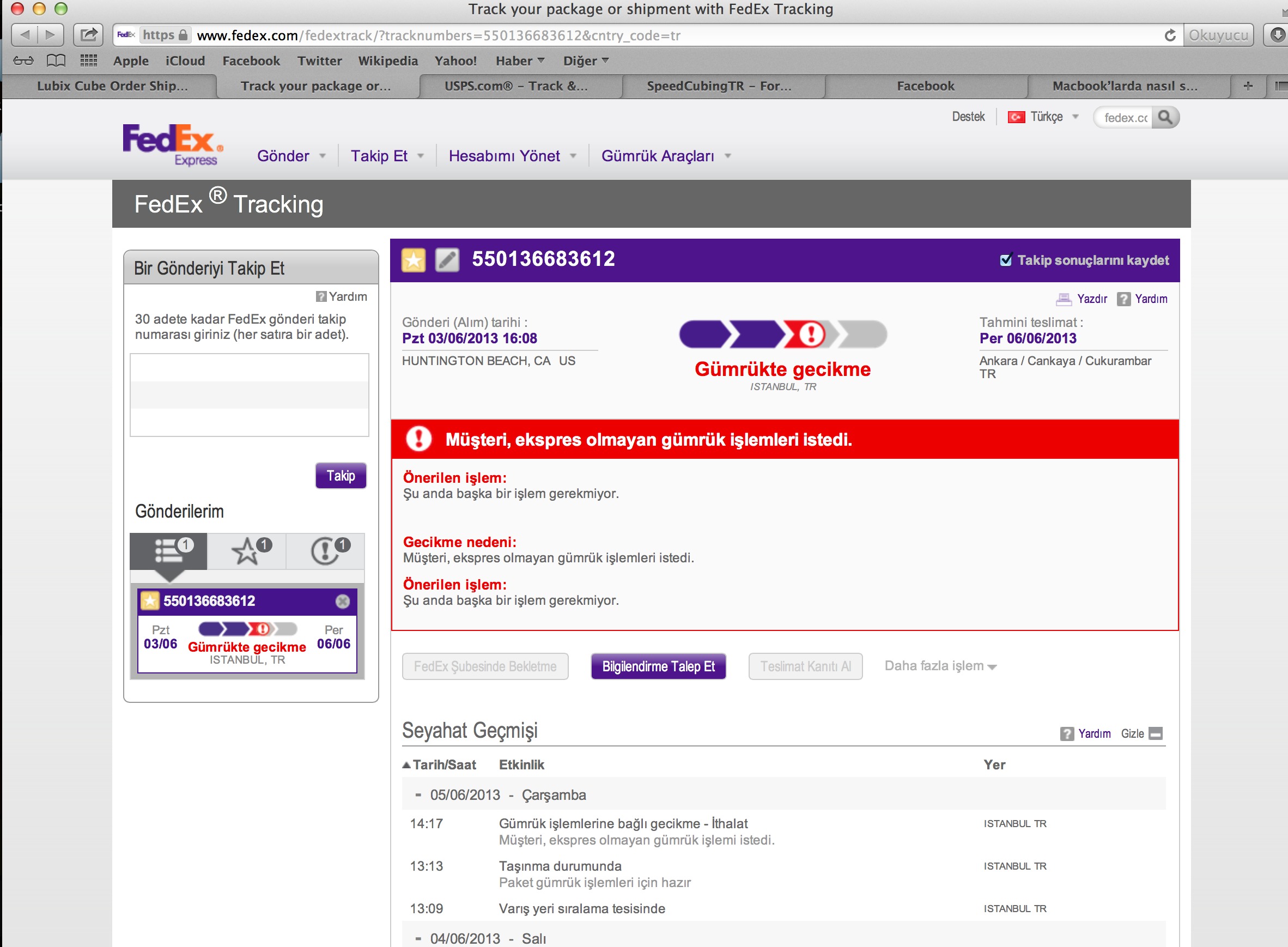
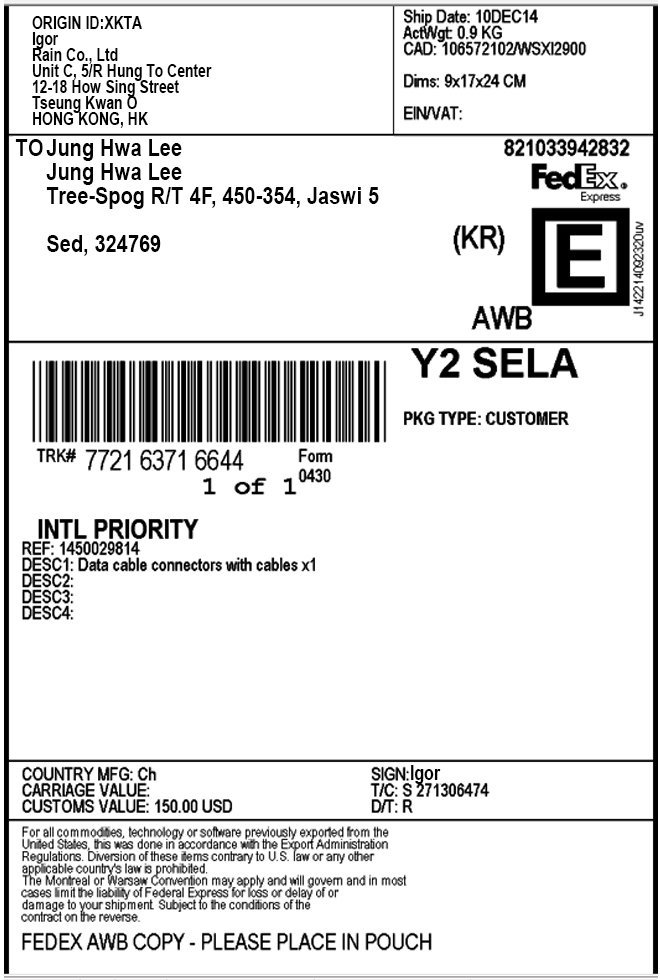
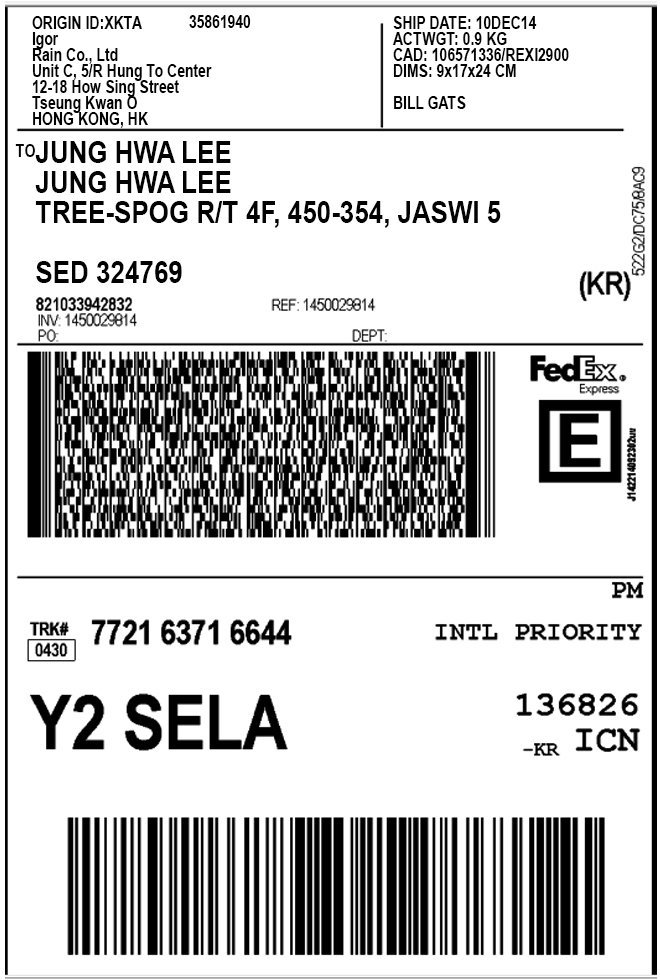
Online rate estimation, shipment creation, label generation, pickup scheduling, and real-time tracking from a centralized platform.
When should businesses use FedEx?
FedEx is typically chosen when shipping reliability, global reach, and service flexibility are required across different shipment scenarios.
Use Case Highlights
-
Ecommerce Order Fulfillment
Online sellers use FedEx to deliver products domestically and internationally while offering customers predictable delivery timelines. -
Time-Sensitive Document Delivery
Legal, financial, and corporate teams rely on express services for urgent contracts and paperwork. -
International Trade and Expansion
Companies entering new markets use FedEx for cross-border logistics, customs support, and freight forwarding. -
Bulk and Heavy Goods Transportation
Manufacturers and distributors ship pallets, equipment, and large items using freight and less-than-truckload services. -
Supply Chain Outsourcing
Businesses offload warehousing, inventory handling, and reverse logistics to simplify operations and reduce internal overhead.
What are the benefits of using FedEx?
FedEx offers a balance between operational scale and standardized processes, making it suitable for both small senders and large organizations. The main advantage lies in having multiple shipping modes under one ecosystem, reducing the need to coordinate with separate carriers or logistics providers.
The platform emphasizes shipment visibility, allowing senders and recipients to track deliveries in real time. Flexible delivery speed options enable cost control, while global coverage supports international growth without requiring custom logistics infrastructure. For businesses, integrated logistics services help reduce complexity, improve delivery consistency, and support scalable growth.
How user-friendly is the FedEx platform?
FedEx provides a structured digital experience focused on efficiency rather than customization. The online interface allows users to create shipments, compare delivery options, generate labels, and manage pickups with minimal setup. Tracking tools are consistent across service types, which simplifies monitoring both parcels and freight.
For business users, account features support address books, shipment history, billing management, and integration into operational workflows. While the platform prioritizes reliability over experimentation, it is designed to handle high shipping volumes and repeat processes with minimal friction.
Overall, FedEx positions itself as a dependable logistics backbone rather than a niche or specialized tool. It is best suited for users who value global reach, predictable delivery, and a single provider capable of handling shipping from small parcels to complex supply chain operations.
FedEx Alternatives




FedEx Integrations