CS-Cart
Languages:
English
Localization:
World

What is the CS-Cart Multi-Vendor Marketplace Platform?
CS-Cart Multi-Vendor Marketplace Platform is a self-hosted eCommerce solution for building online stores and full-scale marketplaces where multiple sellers trade under one roof. It combines a powerful shopping cart engine with marketplace management tools, so a business can start as a classic online store and later grow into a large multi-vendor ecosystem without changing platforms. Store owners keep full control over hosting, data, and code, which is important for performance, compliance, and long-term stability. CS-Cart includes built-in payment and shipping integrations, marketing tools, and a flexible commission system, so vendors can sell products while the marketplace owner earns fees from every order. Designed for small and medium businesses as well as ambitious startups, CS-Cart Multi-Vendor Marketplace Platform focuses on “launch fast, scale big” and supports multiple storefronts, multiple languages, and high traffic as the project grows.
What are the key features of CS-Cart?
-
Multi-vendor marketplace engine
Multiple independent vendors get their own panels to manage products, prices, stock, and orders while selling through a single shared storefront controlled by the marketplace owner. -
Flexible commission and payout system
The platform supports fixed commissions, percentage-based fees, or mixed models, with automated settlements and support for split payments through modern payment gateways. -
Advanced catalog and order management
CS-Cart offers robust product management with options, variants, categories, filters, and inventory tracking, along with full order processing, returns, and status workflows. -
Multi-storefront and regionalization
Businesses can run several storefronts from one admin panel, customize branding for each, and target different regions, languages, or customer segments using a single installation. -
Built-in marketing and SEO tools
Discounts, promotions, coupons, loyalty options, cross-selling, and SEO tools are included by default, helping attract traffic and increase conversion without extra plugins. -
Add-on and theme ecosystem
A large marketplace of add-ons and themes extends functionality for payments, shipping, analytics, design, local regulations, and niche integrations, reducing custom development time. -
Mobile-ready storefront and apps
Responsive storefront design and optional mobile apps ensure that customers and vendors can work comfortably from smartphones and tablets.
How can CS-Cart be used in real projects?
-
Niche product marketplace
Ideal for vertical platforms in fashion, electronics, handmade goods, or specialty food, where many small sellers list products while the platform controls branding and customer experience. -
Local or hyperlocal marketplace
Suitable for city-level or regional projects that aggregate local shops, restaurants, or service providers under one marketplace with unified payments and delivery options. -
B2B and wholesale portals
Companies can onboard suppliers, manage tiered pricing, and let business buyers place bulk orders, while still using the same CS-Cart Multi-Vendor Marketplace Platform core. -
Multi-brand retail network
Retailers with several brands or chains can run multiple storefronts with a shared product base and centralized administration, simplifying stock and price management. -
Digital goods and services hub
The platform can sell digital files, software licenses, online courses, or service packages from multiple vendors, with automated delivery and access control.
What business benefits does CS-Cart provide?
CS-Cart reduces dependency on third-party SaaS platforms by giving full source-code access and hosting control, which prevents unexpected pricing changes or feature limits from blocking growth. The marketplace owner can design a unique fee and subscription model for vendors, creating predictable recurring revenue. Built-in tools for SEO, promotions, and vendor management lower the need for many separate systems, simplifying the tech stack. A strong ecosystem of partners and developers means customization, integration with existing ERP or CRM systems, and country-specific payments or shipping methods can be handled without rebuilding the core. As the marketplace scales, the same codebase can support more vendors, products, and storefronts, protecting the initial investment.
What is it like to work with CS-Cart day to day?
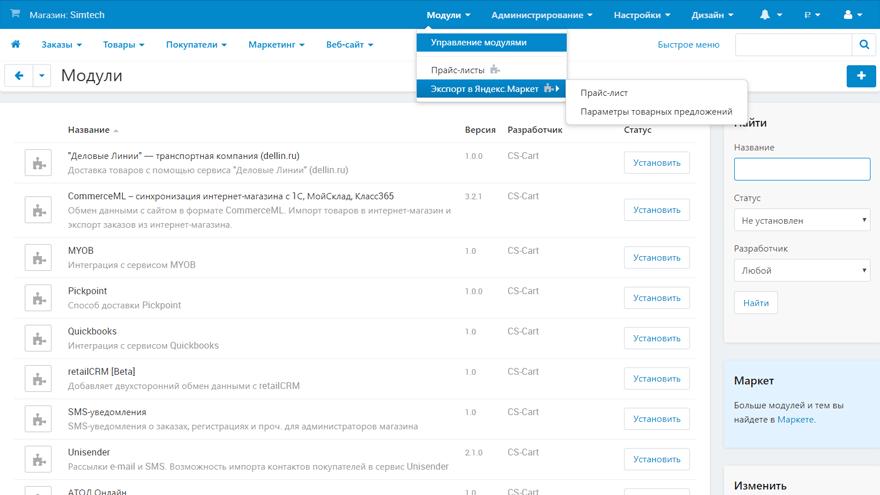
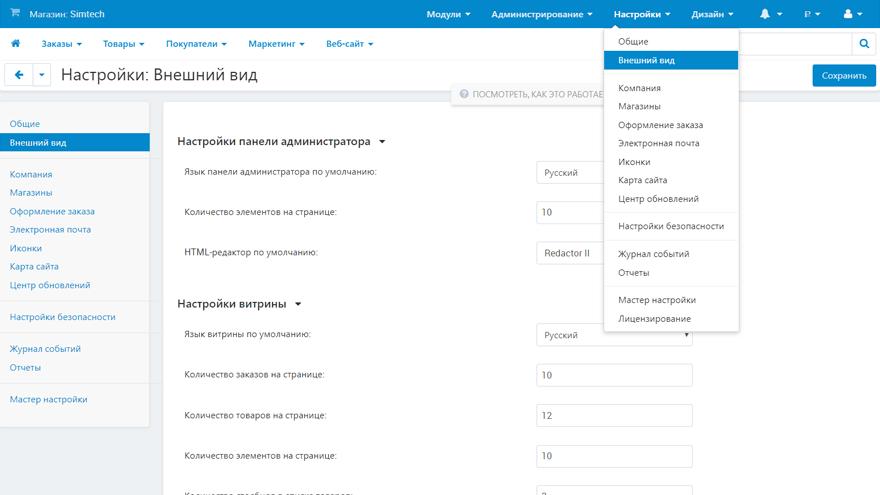
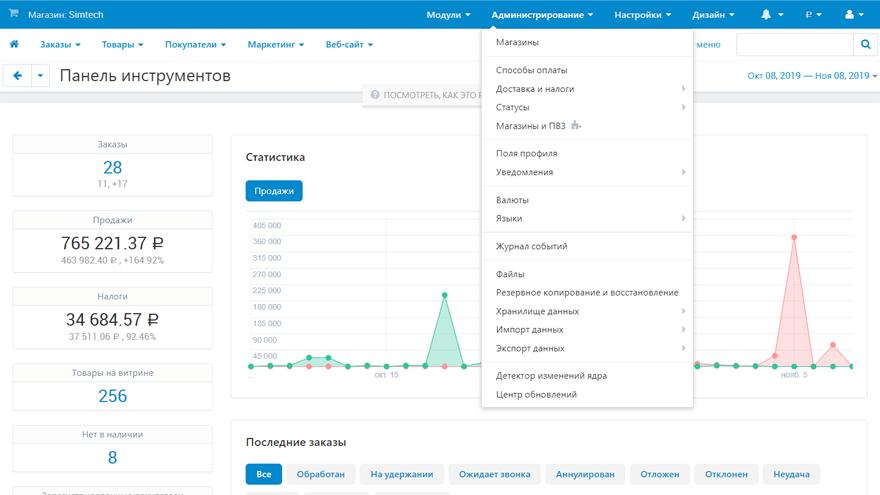
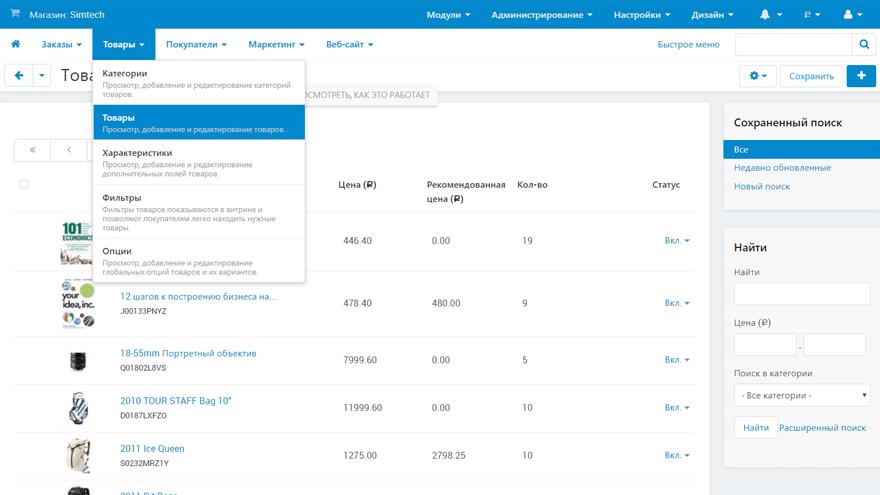
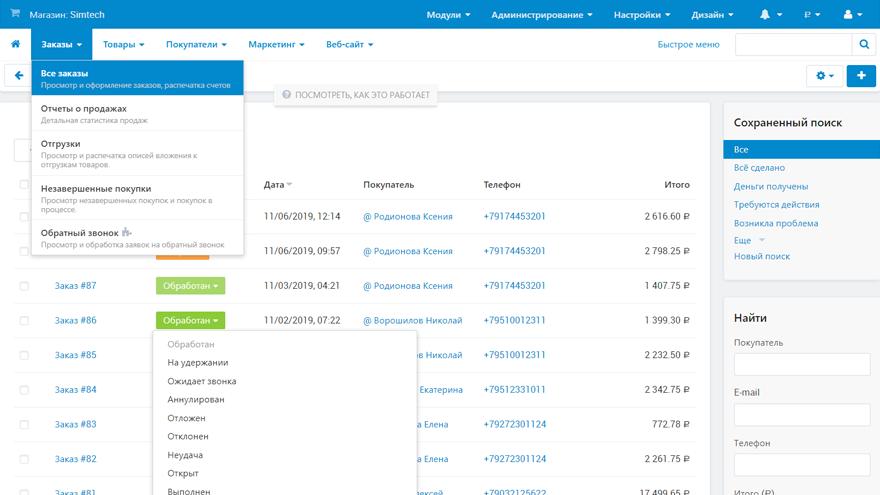
Administrators operate from a centralized, web-based dashboard that shows orders, sales reports, vendor status, and catalog changes in one place, making daily control straightforward. Vendors see a separate, simplified interface focused on product uploads, prices, stock, shipping, and communication with customers. Non-technical staff can edit pages, banners, menus, and landing pages using visual tools, while developers can dive into templates, PHP code, and APIs for deeper changes. The CS-Cart Multi-Vendor Marketplace Platform is built to be stable for long-running projects, yet flexible enough to adapt to new business models, marketing experiments, and growth phases without constant replatforming.
2025-04-03 01:45:15: Live Stream | Quest & Test: How to Choose the Right Marketplace Platform Youtube
2025-01-31 01:53:38: Live Stream | CS-Cart en 2025: Actualizaciones que te encantarán Youtube
2025-01-17 06:22:38: Webinar Replay "Marketplace Builders’ Guide: Niches to Watch in 2025" Youtube
2024-12-16 11:50:34: Webinar Invitation | Marketplace Builders’ Guide: Niches to Watch in 2025 Youtube
2024-12-13 13:35:06: Your Invitation to "Marketplace Builders’ Guide: Niches to Watch in 2025" Free Webinar! Youtube
2024-07-18 13:46:23: Mastering CS-Cart Administration in 4 Minutes Youtube
2024-06-18 13:07:23: CS-Cart 4.18 Overview: Revamped Admin Panel and Extended PayPal Checkout Youtube
2024-04-12 12:16:50: Learn to Manage Your Online Store with the #freecourse | #ecommercesuccess #onlinebusiness Youtube
2024-04-11 13:16:58: Dokan or CS-Cart? Which Solution Is Best for Your Marketplace Business Youtube
2024-03-13 12:19:39: Marketplace Development: Fast Track to Your Ideal Development Strategy Youtube
2023-04-03 15:50:48: 🤘CS-Cart Multi-Vendor has been recognized as the #marketplace software leader by G2, the largest #software recommendation service. Plus five more #awards!
Details: https://t.co/G6l2EqRk6A https://t.co/w3x0pkF7rGTwitter
2023-03-27 14:43:46: Multi-Vendor No-Code is now running on the latest version - 4.16.1 - with all the new features! We've also integrated Multi-Vendor #NoCode with Let's Encrypt to generate free #SSL Certificates.
Deploy your #marketplace in minutes with No-Code: https://t.co/vWhQp9riQI https://t.co/ZhJUnaMmlZTwitter
2023-03-24 14:46:59: Still considering #AI for your #eCommerce business? Think faster, because AI is permeating every aspect of e-commerce today. For example, AI can automatically increase your conversion rates using predictive algorithms: https://t.co/ebiWK7oZ09 https://t.co/eCK4wP3okFTwitter
2023-03-23 11:36:46: If you are just starting to look at #eCommerce businesses and companies to #invest in, you should consider #investing in an online #marketplace.
We have made a 2-min #video explaining what an online marketplace platform is and its benefits: https://t.co/nQVaTBtcDjTwitter
2023-03-16 09:36:29: Everyone is afraid of something. But what do #entrepreneurs fear most when launching a #startup, such as a #marketplace?
In this new #video, we look at the 5 most common fears entrepreneurs face when launching an #eCommerce marketplace.
Watch: https://t.co/sz8YJgRrmcTwitter
2023-03-09 12:57:30: #Ecommerce brands are getting more into #AI to optimize their businesses. In the new article, we're looking into this #artificialintelligence advancement and understanding how eCommerce businesses can benefit from using AI.
Read on the blog: https://t.co/sSr8XH7cSu https://t.co/SfbAKu066cTwitter
2023-02-08 11:28:54: Did you know we run #Marketplace #Academy? It's a free course on how to start and grow a marketplace.
If you're struggling with fears and doubts about starting your own marketplace #business the Academy can help you overcome your fears.
Enroll now: https://t.co/nu2eE2WwKt https://t.co/Gk9e6RUgQwTwitter
2023-02-06 12:59:29: #Automation in #eCommerce business is a must. It helps you optimize your costs and get more out of your store or #marketplace. But not only automation can reduce costs. Learn about cost optimization for your #business on our blog: https://t.co/RowvYHI5w0 https://t.co/4FCMEBRQgvTwitter
2023-01-27 14:53:40: Another sneak peek of the big CS-Cart #update that comes to you in the beginning of February. CS-Cart #MultiVendor 4.16.1 gets an improved #vendor dashboard. You will be able to #customise it even more flexibly to attract and retain your #sellers.
Watch: https://t.co/ZUG5Zd4YEUTwitter
2023-01-25 09:41:41: #Recommerce (resale commerce) is getting super popular among online #entrepreneurs. People buy used items and resell them online on #marketplaces at a discounted price.
In the new article, we'll see why recommerce is becoming so popular: https://t.co/bw6DzZeigR https://t.co/rCPkZagQkrTwitter
CS-Cart Alternatives




CS-Cart Integrations