Amplitude
Languages:
Deutsch
English
Español
Français
日本語
한국어
Portuguese
Localization:
World

What is Amplitude and what does it do?
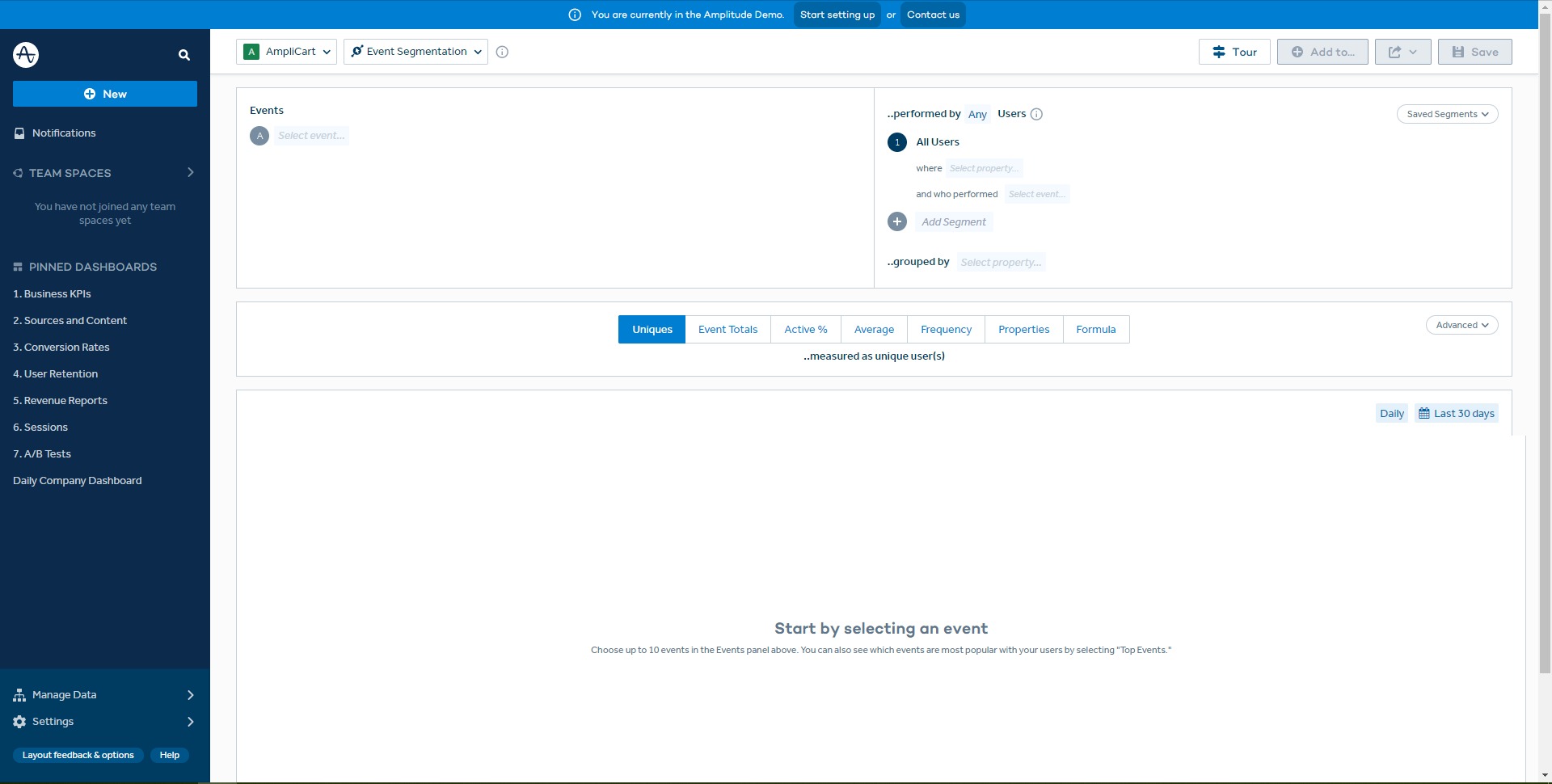
Amplitude is a product analytics platform designed to help teams understand how users behave inside web and mobile products. It turns event data—sign-ups, clicks, searches, upgrades, churn signals—into insights that explain what drives activation, retention, and revenue. Amplitude is typically used to map user journeys, measure conversion funnels, compare cohorts, and discover which behaviors correlate with long-term customer value. Instead of relying on opinions or isolated dashboard metrics, teams use Amplitude to answer concrete questions: where people drop off, what features are sticky, and which segments need different experiences. It also supports structured tracking and governance so analytics stays consistent as products evolve, which matters when multiple teams ship changes every week.
What are Amplitude’s key features?
-
Event-based product analytics: Analyze user actions as events with properties to reveal patterns across platforms, versions, and segments.
-
Funnels and conversion analysis: Identify where users abandon critical flows and isolate the step or condition that causes drop-off.
-
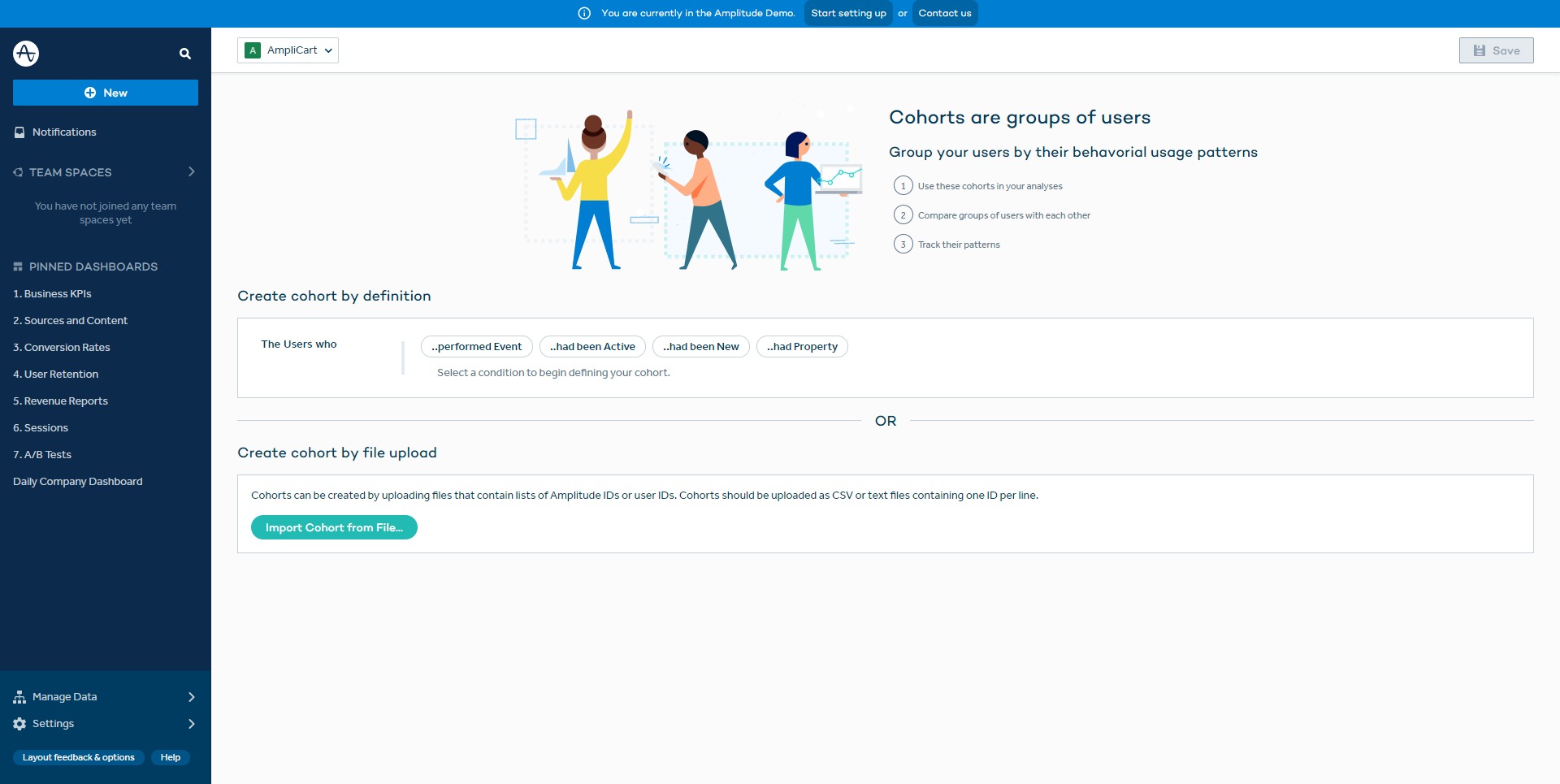
Retention and cohort tracking: Measure how often users return and group them by behavior to see what drives stickiness over time.
-
User journeys and pathing: Visualize common paths users take before and after key events to find friction or unexpected loops.
-
Behavioral segmentation: Build precise segments based on what users do, not just who they are, enabling targeted product decisions.
-
Data governance and taxonomy support: Keep tracking organized with naming conventions and structured definitions so metrics remain trustworthy.
-
Experimentation and rollout measurement: Evaluate feature changes by comparing behavioral outcomes across variants and audiences.
-
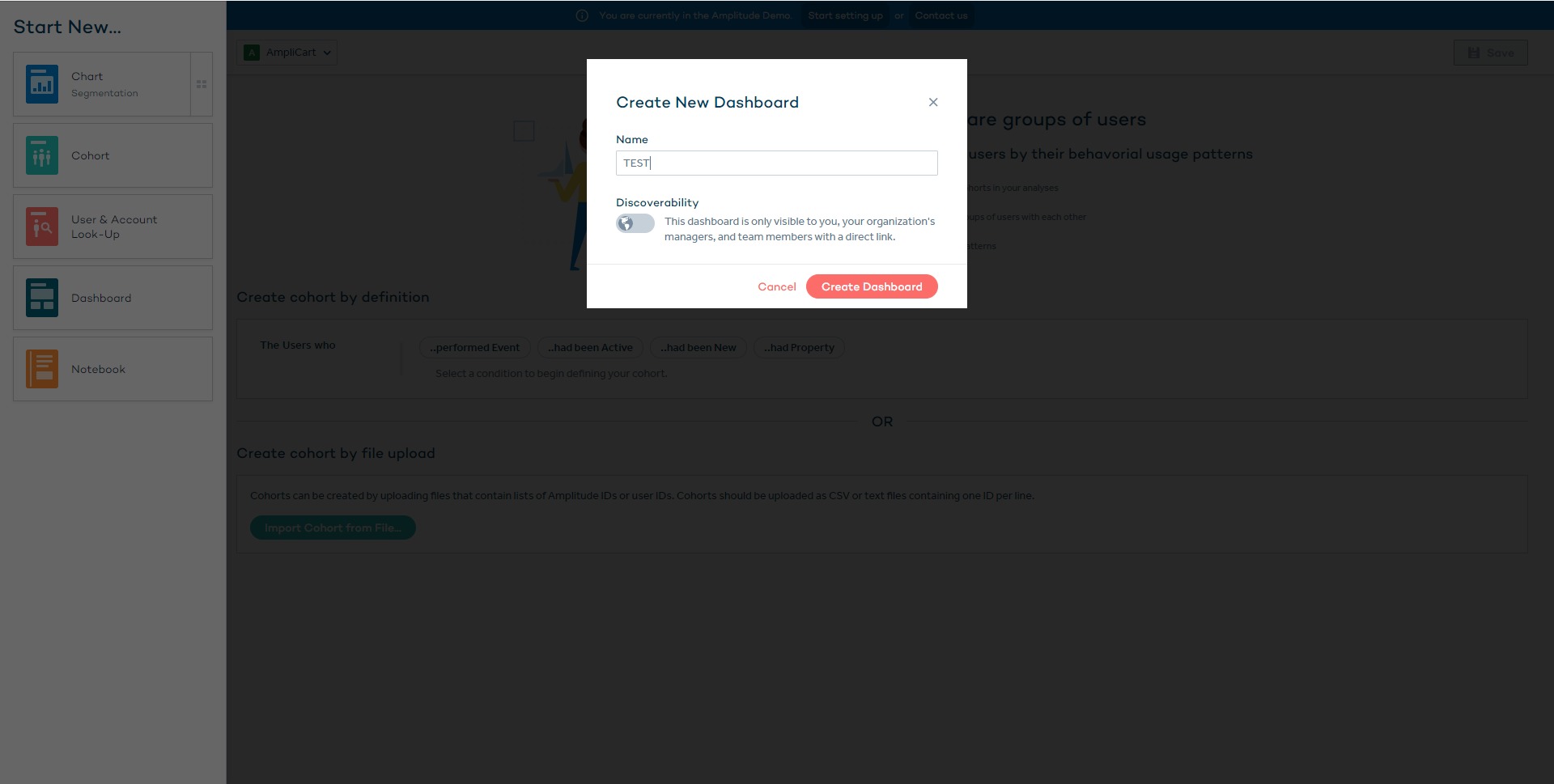
Dashboards and shareable insights: Package analyses into reusable views that product, growth, and leadership can align on.
What are the best use cases for Amplitude?
-
Fixing onboarding drop-offs: Detect the exact step where new users get stuck and test improvements based on behavior.
-
Improving activation: Identify the “aha moment” actions that predict retention, then optimize flows to get users there faster.
-
Increasing feature adoption: Track how quickly new features are discovered, how usage evolves, and what blocks repeat usage.
-
Reducing churn risk: Spot behaviors that signal disengagement early and design interventions before users leave.
-
Monetization optimization: Compare conversion to paid plans across segments, channels, and product experiences to find revenue levers.
-
Product-led growth analytics: Connect acquisition sources to in-product behaviors to understand which users become valuable customers.
-
Post-launch validation: Confirm whether a release actually improved key outcomes or simply shifted activity without real impact.
What benefits does Amplitude deliver for a business?
Amplitude improves decision quality by replacing “feelings-driven product management” with evidence from real usage. Teams can prioritize work based on measurable impact, reduce time spent debating root causes, and ship iteratively with clearer feedback loops. It also helps unify product, marketing, engineering, and customer success around shared definitions of success—activation, retention, expansion—so teams stop arguing over whose dashboard is “correct.” When tracking is consistent, Amplitude becomes a compounding asset: each new feature, test, or change adds more context for understanding what creates growth. For businesses, that often translates into higher retention, more efficient acquisition spend, improved conversion, and faster iteration cycles.
What is it like to use Amplitude day to day?
The user experience typically starts with defining events and properties that reflect meaningful product actions. Once data is flowing, analysis becomes fast and exploratory: build a funnel, slice by segment, compare cohorts, then drill into paths to explain the “why” behind a metric change. The interface is designed for cross-functional work—analysts can go deep, while product managers can still self-serve common questions without waiting in a reporting queue. The best experience happens when teams treat tracking like a product spec: consistent naming, clear ownership, and a habit of tying each dashboard to a decision. When that discipline exists, Amplitude feels less like “another analytics tool” and more like an operating system for product growth.
Amplitude Alternatives




Amplitude Integrations