VeeRoute
Languages:
English
Localization:
World

Veeroute is a cloud-based optimization platform built to solve complex routing, scheduling, and resource allocation problems in logistics and field operations. It focuses on scenarios where manual planning or simple rule-based tools fail: multiple constraints, changing conditions, limited resources, and strict service-level requirements. The platform converts real-world operational data into mathematically optimized plans that can be executed immediately.
Veeroute is designed for companies managing deliveries, fleets, technicians, or distributed operations that must adapt in real time. Instead of relying on static routes or human intuition, it uses advanced optimization algorithms to continuously search for better solutions. These solutions balance cost efficiency, service quality, and operational feasibility. The service works as a standalone planning tool or as an optimization engine embedded into existing systems through APIs, making it suitable for both operational teams and product-driven companies building logistics capabilities into their software.
What problem does Veeroute solve?
Veeroute addresses the challenge of making optimal decisions when there are too many variables to calculate manually. It handles routing, scheduling, and allocation tasks where time windows, capacities, skills, priorities, and dynamic changes must all be considered simultaneously.
How does Veeroute work in practice?
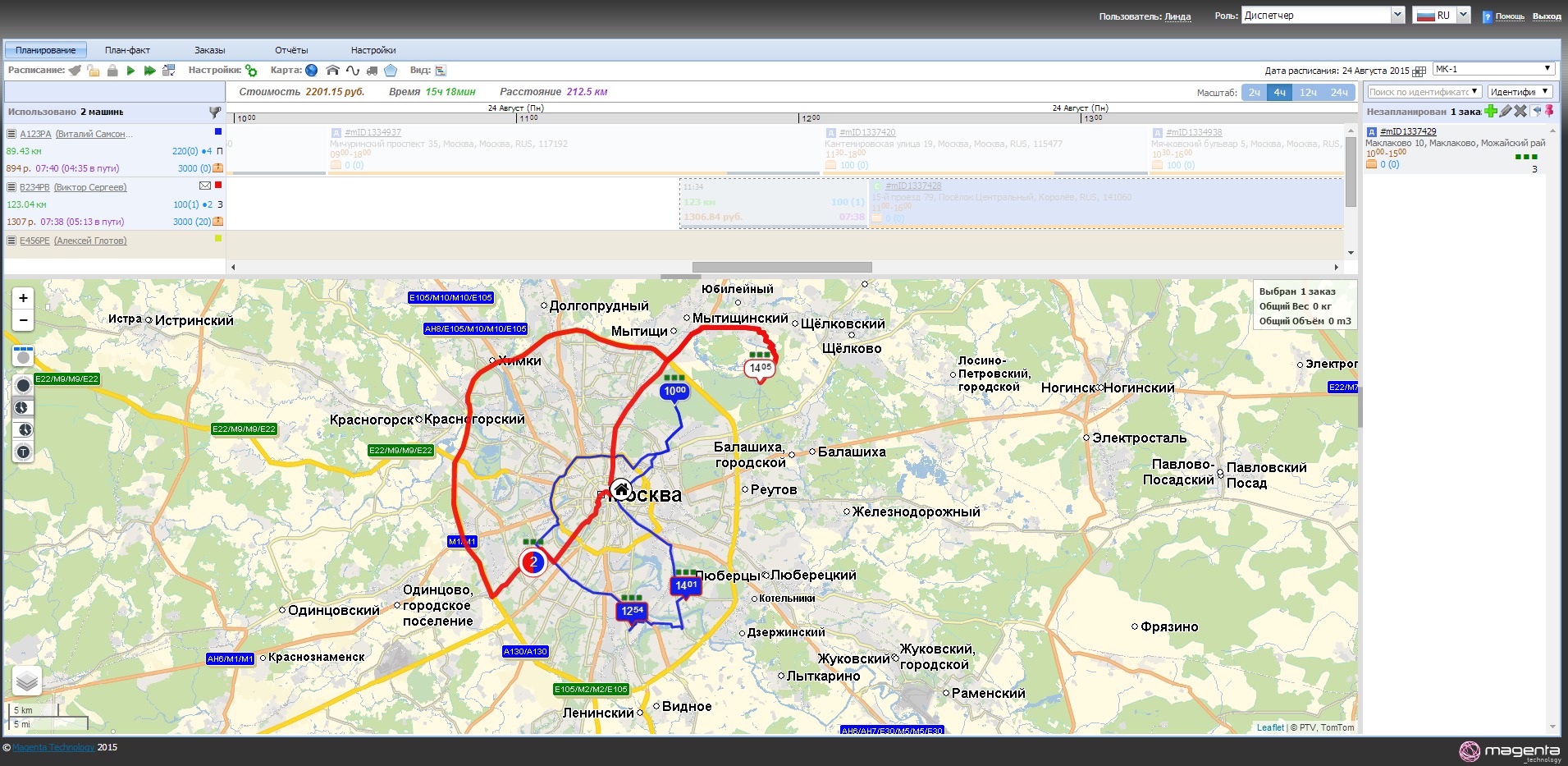
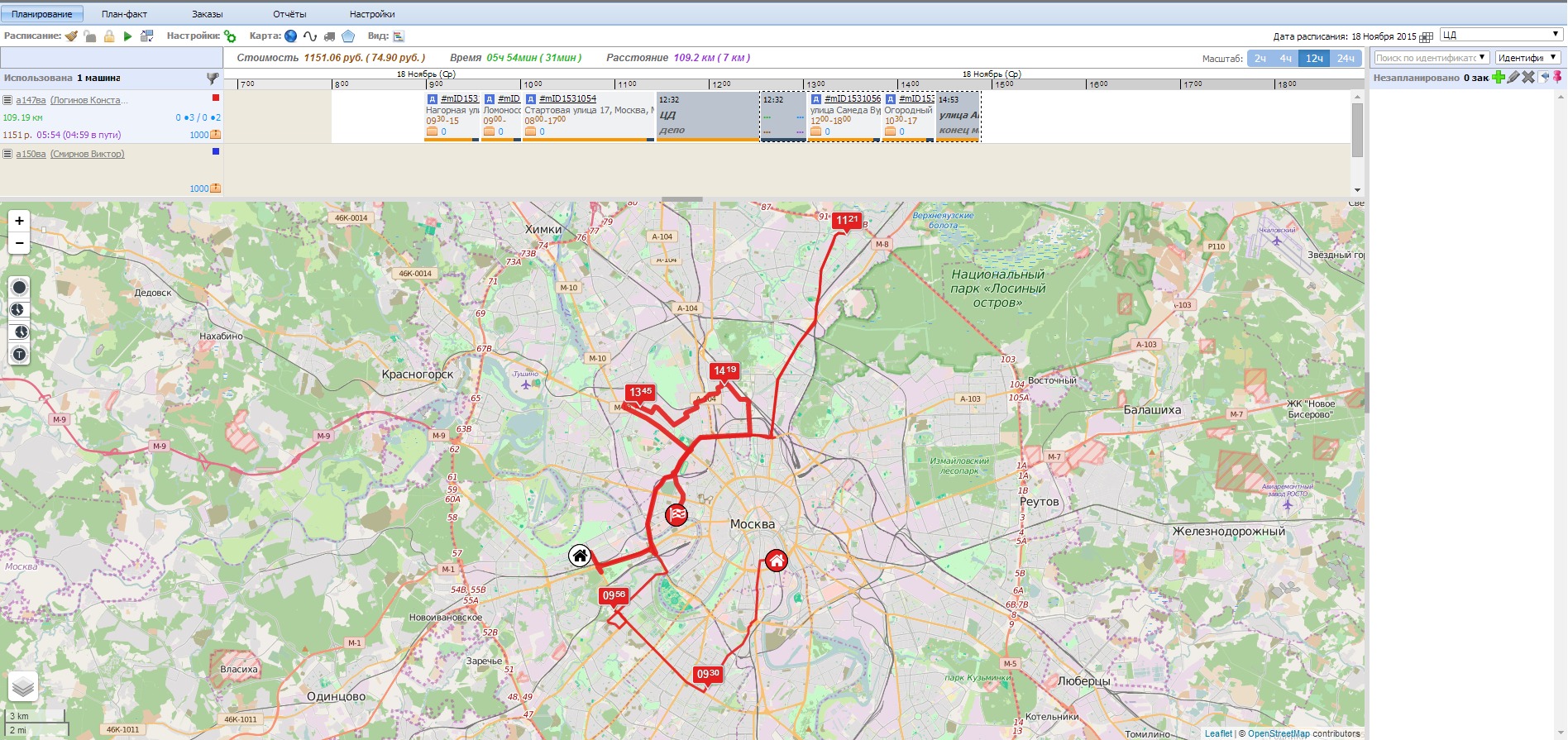
The platform ingests operational data such as orders, locations, vehicles, drivers, or technicians. It models constraints and goals, runs optimization algorithms, and outputs executable routes, schedules, or assignments that can be updated as conditions change.
Key Features
-
Advanced route optimization
Calculates efficient routes while accounting for time windows, vehicle capacities, service durations, and operational constraints. -
Dynamic re-optimization
Automatically recalculates plans when new orders appear, resources change, or disruptions occur during the day. -
Multi-constraint scheduling
Assigns tasks to drivers or technicians based on skills, availability, location, and workload balance. -
API-first architecture
Allows seamless integration with TMS, ERP, CRM, or custom logistics systems using structured data exchange. -
Scenario modeling and simulation
Enables comparison of different strategies, such as fleet size changes or delivery window adjustments, before applying them in production. -
Scalable cloud infrastructure
Handles small fleets and large enterprise-scale optimization problems without local deployment or maintenance.
Who is Veeroute designed for?
Veeroute is built for logistics providers, delivery companies, field service organizations, and software teams that need reliable optimization without building complex algorithms in-house.
Use Case Highlights
-
Last-mile delivery planning
Optimize daily delivery routes to reduce mileage, fuel costs, and late deliveries. -
Field service management
Schedule technicians efficiently while respecting skills, response times, and geographic coverage. -
Express and postal services
Plan dispatches across hubs and routes with high volumes and strict timing constraints. -
Fleet utilization optimization
Determine the most effective use of vehicles and drivers to avoid underutilization or overload. -
Operational planning and forecasting
Evaluate long-term decisions such as adding vehicles, changing service areas, or adjusting delivery windows.
What benefits does Veeroute deliver?
Veeroute helps organizations move from reactive planning to data-driven optimization. It reduces operational costs by minimizing unnecessary travel and inefficient resource usage. Planning time is significantly shortened, freeing teams from manual route building and spreadsheet-based decision-making. Service quality improves through better on-time performance and more realistic schedules. The platform also reduces operational risk by enabling rapid re-planning when disruptions occur, supporting more resilient operations.
How does Veeroute improve decision-making?
By translating business constraints into mathematical models, Veeroute provides decisions based on measurable trade-offs rather than assumptions. This leads to more consistent outcomes and clearer justification for operational choices.
What is the user experience like?
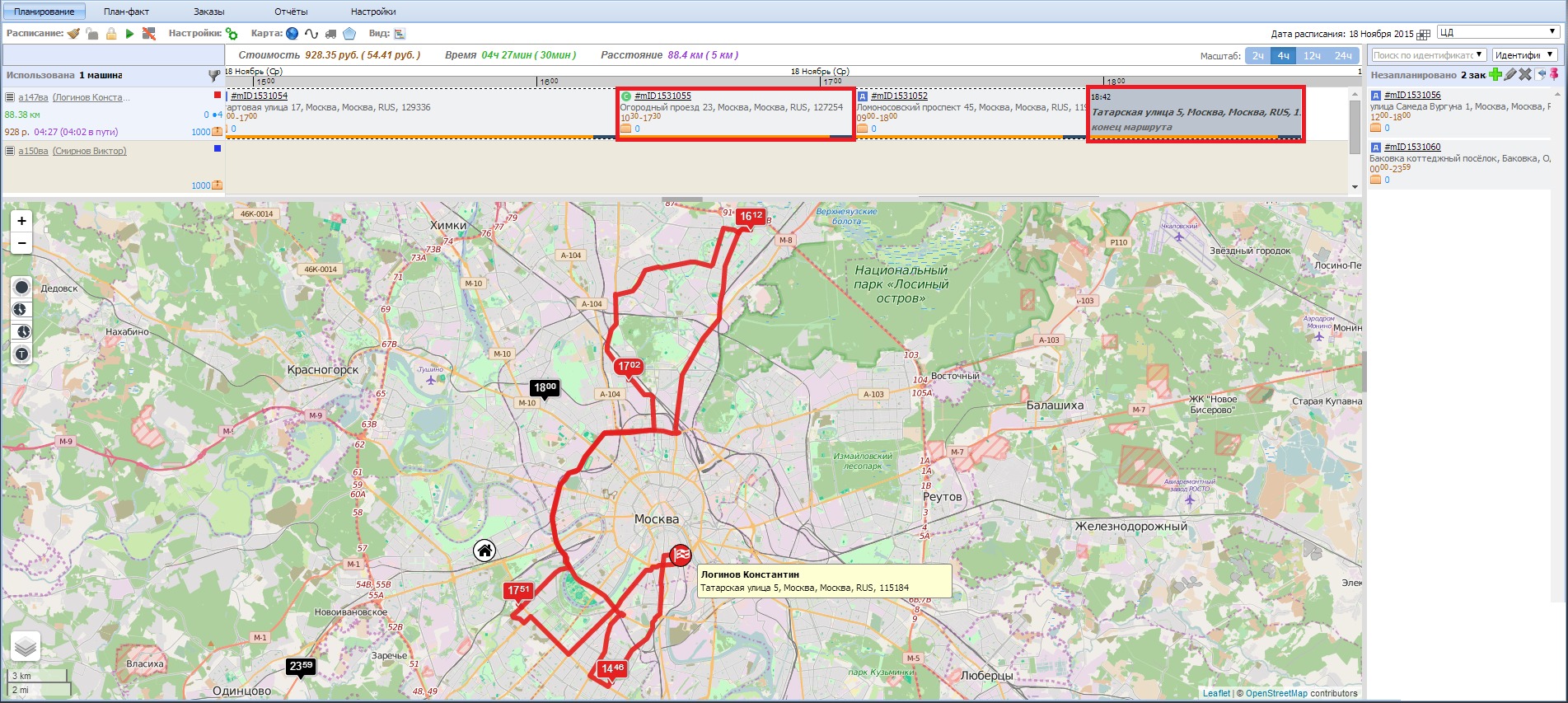
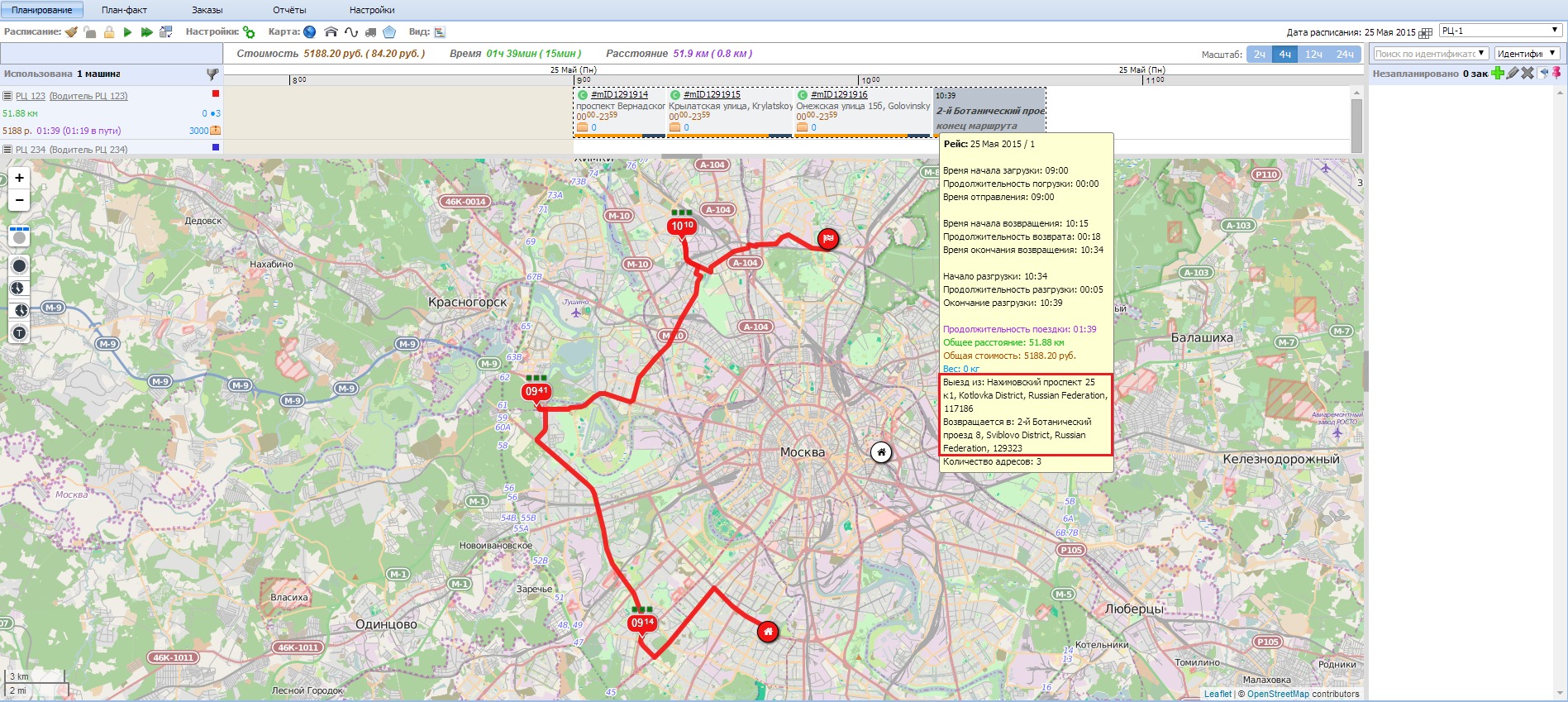
Veeroute is designed for both technical and non-technical users. Planners can work through a web interface to upload data, configure constraints, and review optimized results. Technical teams can integrate the optimization engine directly into their workflows using APIs, making optimization an invisible but powerful component of their systems. Results are presented as clear routes, schedules, or assignments that can be executed immediately or refined through scenario testing.
VeeRoute Alternatives