MangoApps
Languages:
English
Localization:
World

What is MangoApps and who is it for?
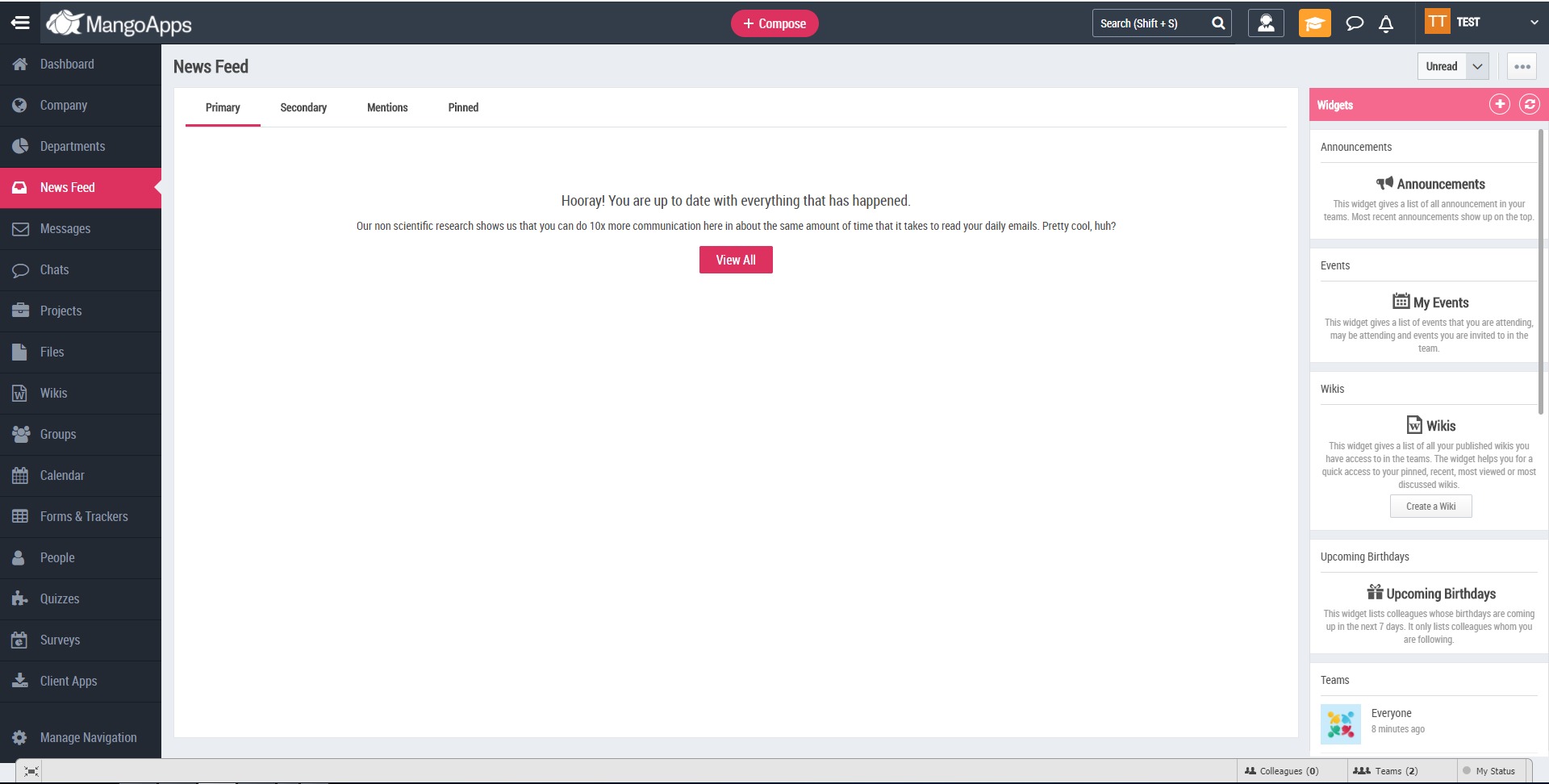
MangoApps is a unified employee experience platform built to connect communication, intranet content, frontline operations, and HR workflows in one system. It is positioned as a modern digital workplace for companies that need more than a traditional intranet, especially organizations with a mix of desk-based and frontline staff. The platform combines internal communications, knowledge management, mobile access, task coordination, scheduling, and employee support tools, aiming to reduce the usual mess of scattered apps and disconnected processes.
The service is especially relevant for enterprises in sectors such as healthcare, manufacturing, retail, hospitality, financial services, grocery, nonprofit, and staffing. MangoApps emphasizes access for the entire workforce, including employees who may not sit behind a laptop all day. Its positioning leans heavily on mobile-first usage, role-based personalization, multilingual access, enterprise AI, and operational workflows that support day-to-day execution rather than just top-down announcements.
What key features does MangoApps offer?
- AI-powered intranet and search
MangoApps includes AI-assisted search and workplace assistants designed to help employees find answers across internal content using natural language. This matters in environments where information lives across policies, SOPs, files, updates, and multiple systems. Instead of turning the intranet into a dusty corporate attic, MangoApps tries to make it searchable and actively useful. - Mobile app for frontline and remote workers
A major part of the platform’s value is its mobile experience. MangoApps promotes a branded employee app that mirrors the core platform on smartphones, with offline access and language support for global teams. This is important for companies where many workers do not have constant desktop access or company email accounts. - Internal communications and employee engagement
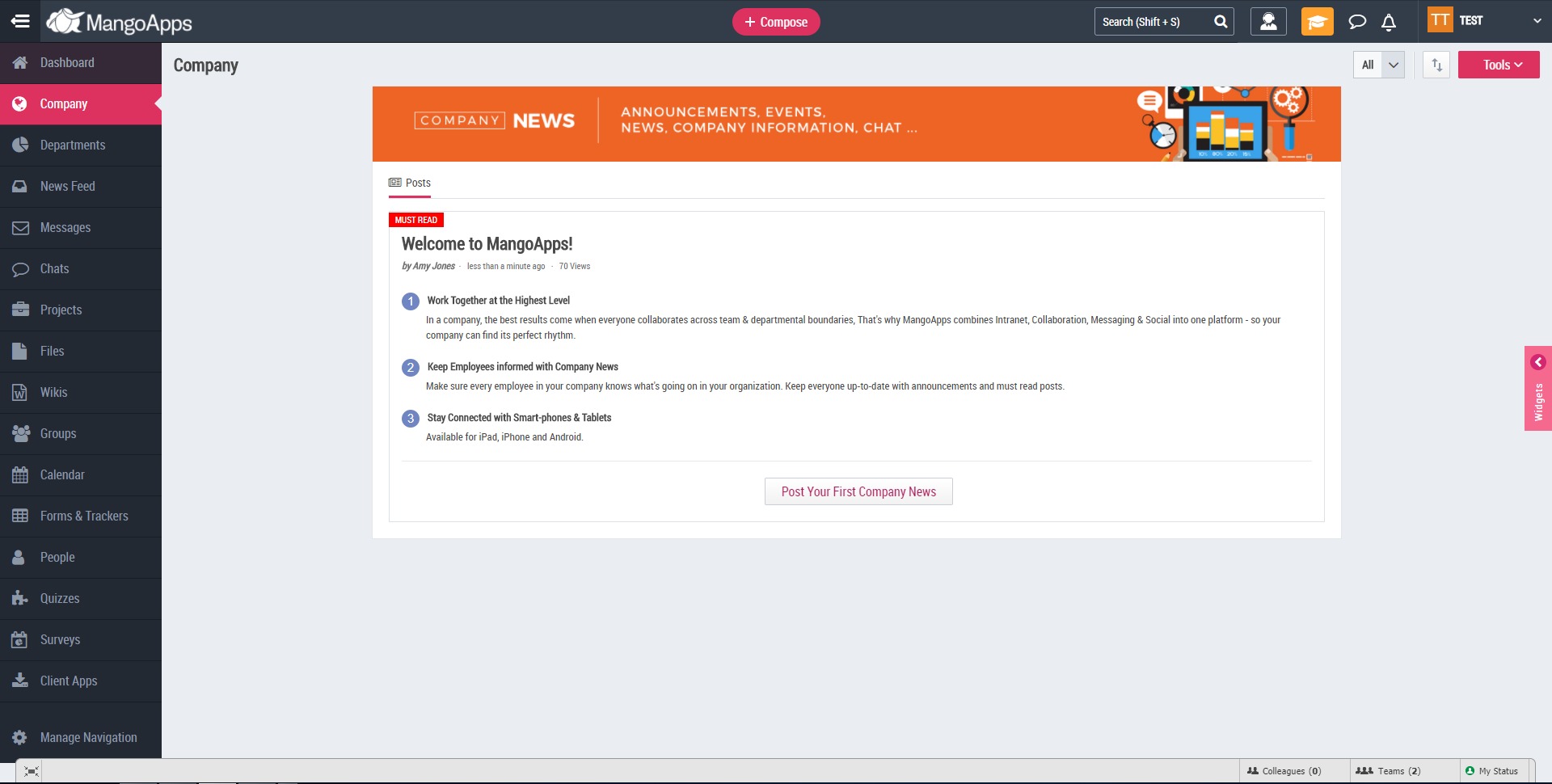
The platform supports company news, updates, dashboards, feedback loops, and targeted communication. It is designed to improve message reach and reduce the classic “HQ posted it, nobody read it” problem by blending communication with the tools employees already use during their day. - Knowledge management
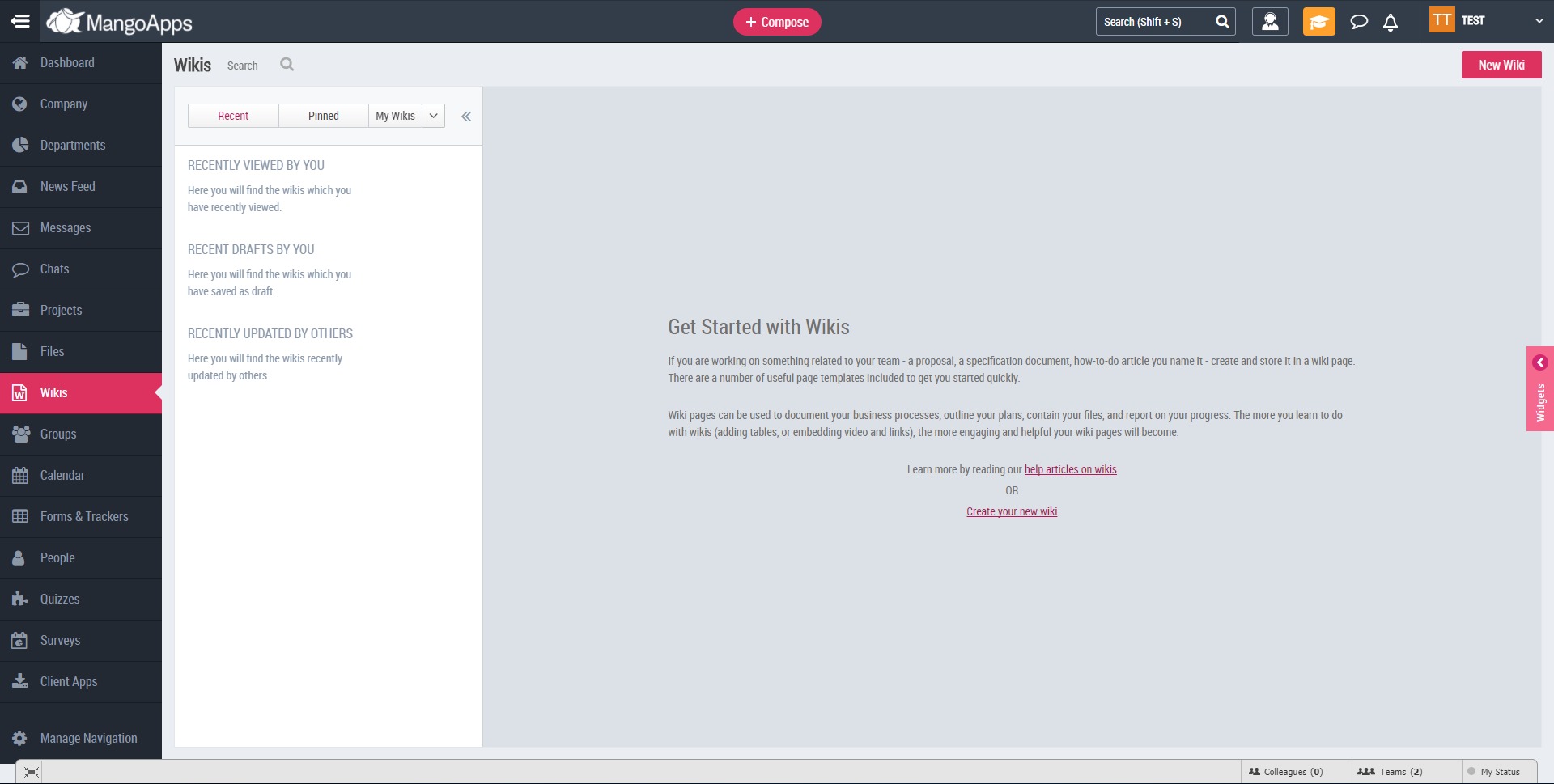
MangoApps can serve as a centralized place for policies, documents, training resources, and operational know-how. Combined with AI search, this turns knowledge management from a filing cabinet into something closer to a usable internal memory system. - Workforce operations tools
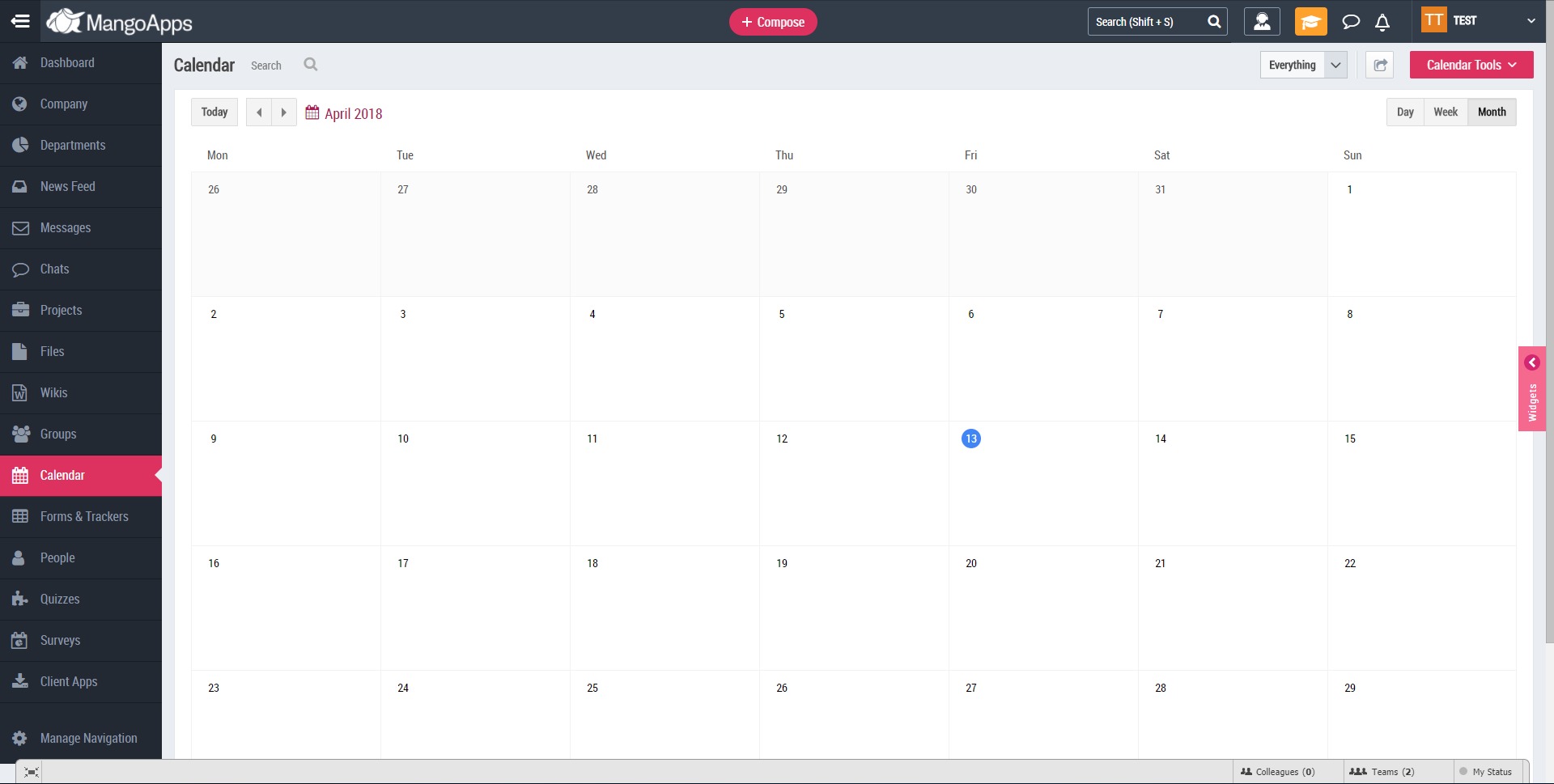
MangoApps goes beyond classic intranet functionality by including shifts and scheduling, task management, workflows, and time-related operational processes. That makes it relevant not just for HR or communications teams, but also for managers running everyday execution. - HR and talent support
The service also covers areas such as onboarding, core HR support, performance management, learning management, and talent acquisition. That wider scope positions MangoApps as a platform trying to reduce the number of disconnected systems employees and managers need to jump between. - Integrations and enterprise readiness
MangoApps highlights 200+ integrations as well as certifications and compliance support including HITRUST, ISO, and SOC 2. For larger organizations, this is where the product stops being a glossy app and starts looking like something procurement might actually sign off on.
Where does MangoApps work best?
- Companies with frontline workers
Retail chains, healthcare organizations, logistics-driven teams, and distributed field workforces can benefit from the mobile-first structure and operational workflows. - Organizations replacing legacy intranets
Businesses stuck with static portals, SharePoint-heavy clutter, or outdated communication systems may use MangoApps to modernize how employees access updates, documents, and workflows. - Enterprises needing one workforce hub
MangoApps is strongest when a company wants to unify communications, scheduling, HR touchpoints, and knowledge access instead of buying separate tools for each piece.
What are the main benefits of MangoApps?
The main benefit is consolidation. MangoApps tries to replace fragmented employee experience stacks with one platform that supports communication, operations, and support. That can improve information flow, reduce app-switching, and create a more consistent experience across office and frontline teams. The platform also appears to focus strongly on adoption through mobile usability, personalized dashboards, and multilingual support, which are often the difference between “implemented” and “actually used.”
Another advantage is scale. MangoApps claims more than 1 million users worldwide, over 15 years of innovation, 50+ supported languages, 200+ integrations, and a 98% customer retention rate. Those figures suggest a mature vendor rather than a shiny startup prototype wearing enterprise clothes.
What is the user experience like?
The user experience appears built around accessibility and daily practicality. MangoApps emphasizes a modern interface across desktop and mobile, branded app experiences, tailored dashboards, and full-platform access from phones. That design direction suggests the platform is intended to be part intranet, part work app, part HR access layer. In plain terms, less corporate museum, more operating system for employee life at work.
For companies trying to reach both headquarters staff and frontline workers without splitting the experience into separate systems, MangoApps looks like a serious option. It is not just an internal communications tool and not just an HR portal. Its value is in the overlap, where communication, operations, and support finally stop behaving like strangers in the same building.
2025-10-08 14:34:41: MangoApps Overview Youtube
2025-07-25 22:03:14: What Is MangoApps? Youtube
2025-07-25 21:59:05: MangoApps Overview - Admin Users Youtube
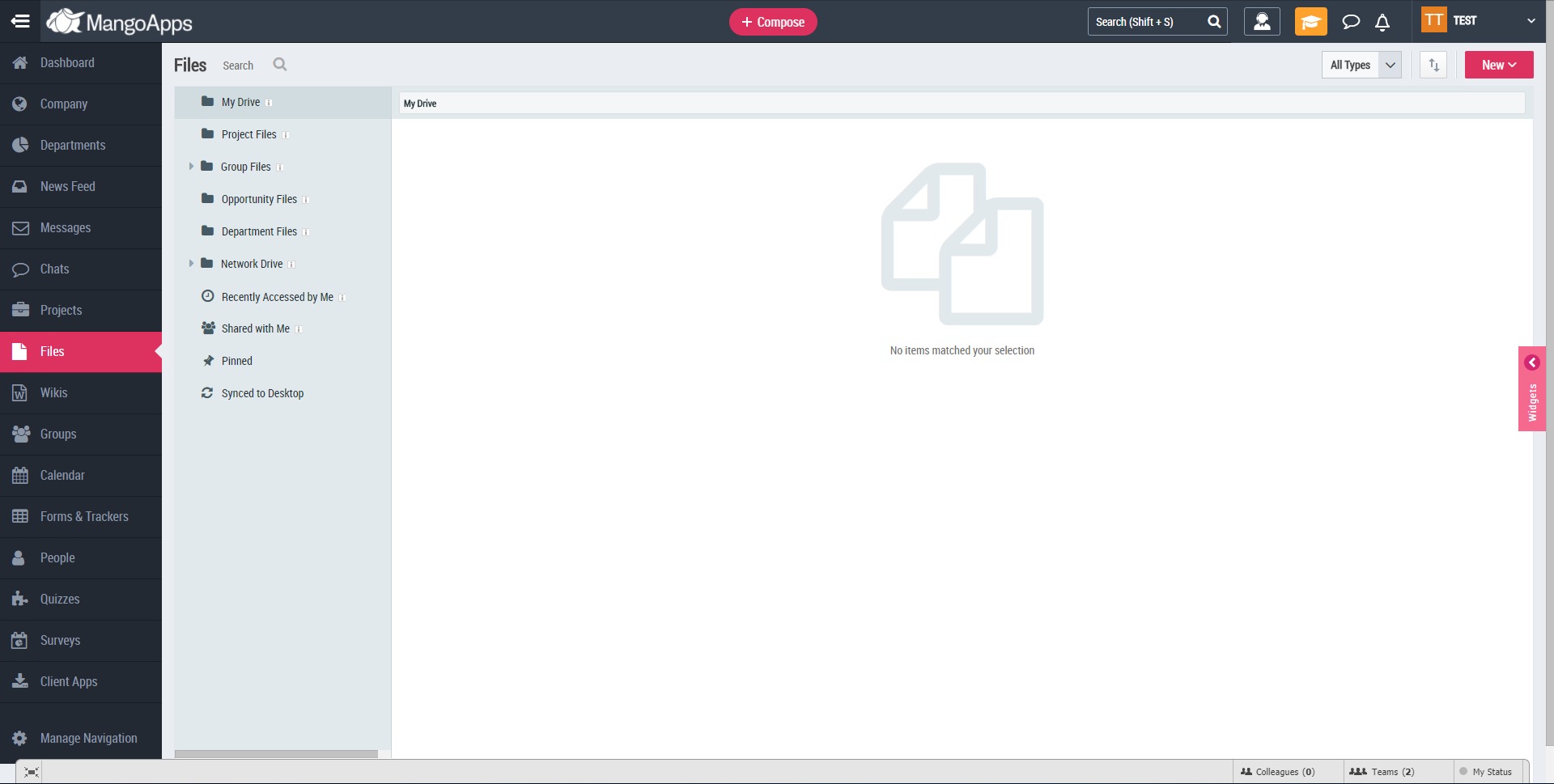
2024-10-22 14:10:33: Unified Employee Experience: File Management | MangoApps Youtube
2024-10-16 21:39:32: MangoApps AI Studio: Getting Started for End Users Youtube
2024-10-15 15:32:46: MangoApps Workplace: Getting Started for Administrators Youtube
2024-10-15 15:22:42: MangoApps AI Studio: Getting Started for Admins Youtube
2024-10-09 17:31:33: MangoApps Workplace: Getting Started as an End User Youtube
2024-09-27 14:14:00: MangoApps AI Studio: Product Overview Youtube
2024-08-23 16:42:16: Unified Employee Experience: Task Management | MangoApps Youtube
2023-04-03 19:00:01: 🥭 Shoutout to all the talented women that make MangoApps an amazing place to work!
#WomenInTech #WomenEmpowerment #MangoApps #Equality #FunAtWork #Diversity https://t.co/ctJsexoUqVTwitter
2023-03-31 19:30:07: 🥭 Use MangoApps to keep your entire staff informed during urgent situations & crisis - send a branded emergency alert that employees will see on both desktop & mobile devices.
#EmployeeExperience #CompanyCulture #EmployeeCommunications #InternalCommunications https://t.co/899RcTB0TlTwitter
2023-03-24 18:00:01: We’re so excited to be a part of ViVE this year - come visit us over at booth #1239!🥭
https://t.co/QcAQ4Tjug7
#ViVE2023 #HealthcareIndustry #HealthcareIntranet #HealthcareProfessionals #MobileFirst #ModernIntranet #DigitalWorkSpace #SecureIntranet https://t.co/BUxJq4wDU9Twitter
2023-03-22 18:00:01: Quick decision-making is an overlooked, powerful tool.
➡️Check out our blog post on Quick Decision-making to learn more! https://t.co/fEDpYYxbS5
#ContentManagment #CMS #EmployeeCollaboration #CompanyCulture #EmployeeCollaboration #CompanyCulture #DecisionMakingTwitter
2023-03-21 18:30:00: Manufacturing companies benefit from MangoApps’ deep functionality.🥭
Make it easy for your frontline teams to access important information and be reached by leadership with updates and emergency alerts.
#FrontlineWorkers #FrontlineEngagement #MobileFirst https://t.co/Nb2cBvFFZKTwitter
2023-03-20 18:29:59: Connect everyone in your retail organization with MangoApps!
➡️ Create an immersive experience, improve store performance, reinforce company culture, and more!
🥭Check out https://t.co/fn8BOKS1Td to learn more!
#FrontlineWorkers #RetailIndustry #RetailIntranet #MobileFirstTwitter
2023-03-17 18:30:15: Create & send company-branded, multi-media newsletters from a centralized location with MangoApps' post templates!
#InternalCommunications #EmployeeEngagement #CompanyCulture #EmployeeCommunications https://t.co/v6Xkby1lhzTwitter
2023-03-15 18:00:00: MangoApps is a high-adoption, low-cost solution for retail organizations that boosts efficiency and productivity.
Enhance the retail worker experience with MangoApps - vist ➡️ https://t.co/hEWb2EbbB7 today!
#FrontlineWorkers #RetailIndustry #RetailIntranet #MobileFirstTwitter
2023-03-14 18:30:01: Empower your frontline healthcare workers with the tools and resources they need to focus on what matters most—patient care.
➡️For more information on MangoApps for healthcare, visit https://t.co/lt7EkLcCUh
#HealthcareIndustry #HealthcareIntranet #HealthcareProfessionals https://t.co/uGjHVq66icTwitter
2023-03-13 18:00:00: Tomorrow! Join us for our first webinar of 2023: The CIO’s Guide To Employee SuperApps! 🥭
Register with the link below! ⬇️
https://t.co/50xkk3Olnw
#Webinar #EmployeeEngagement #EmployeeExperience #EmployeeCollaboration #EmployeeCommunications #FrontlineWorkersTwitter
MangoApps Alternatives