Litmus
Languages:
English
Localization:
World

What is Litmus and how does it improve email marketing workflows?
Litmus Email Testing and Optimization Platform is a professional solution designed to help marketing teams create, test, analyze, and optimize email campaigns with confidence. It centralizes the entire email production lifecycle into a single environment where teams can design emails, validate rendering across clients, detect errors, and measure performance before and after launch.
Modern email marketing faces technical fragmentation. Messages render differently in Gmail, Outlook, Apple Mail, and mobile devices. Dark mode, accessibility requirements, and spam filters add further complexity. Litmus addresses these challenges by providing structured quality assurance processes, real-time previews, and actionable analytics that reduce production risk and performance uncertainty.
Instead of relying on manual test sends and scattered approval workflows, teams use Litmus as a controlled workspace. The result is fewer rendering issues, stronger brand consistency, and improved engagement outcomes supported by measurable data.
What are the key features of Litmus Email Testing and Optimization Platform?
-
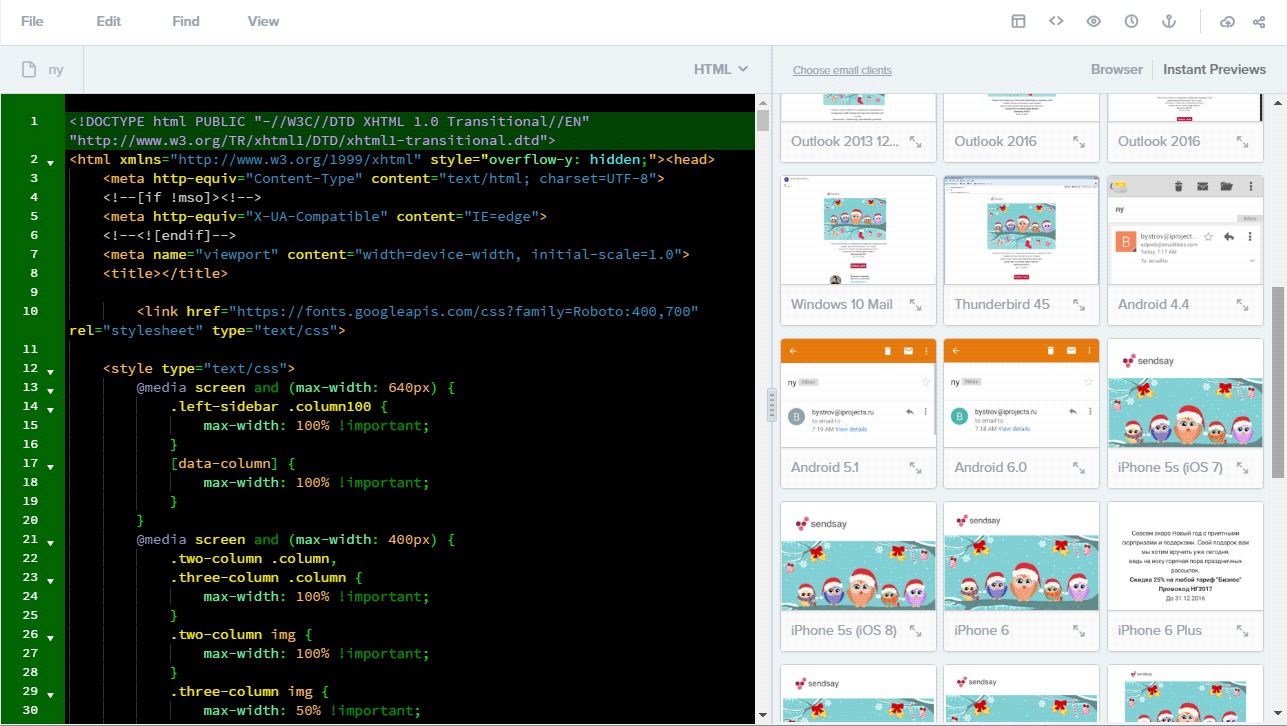
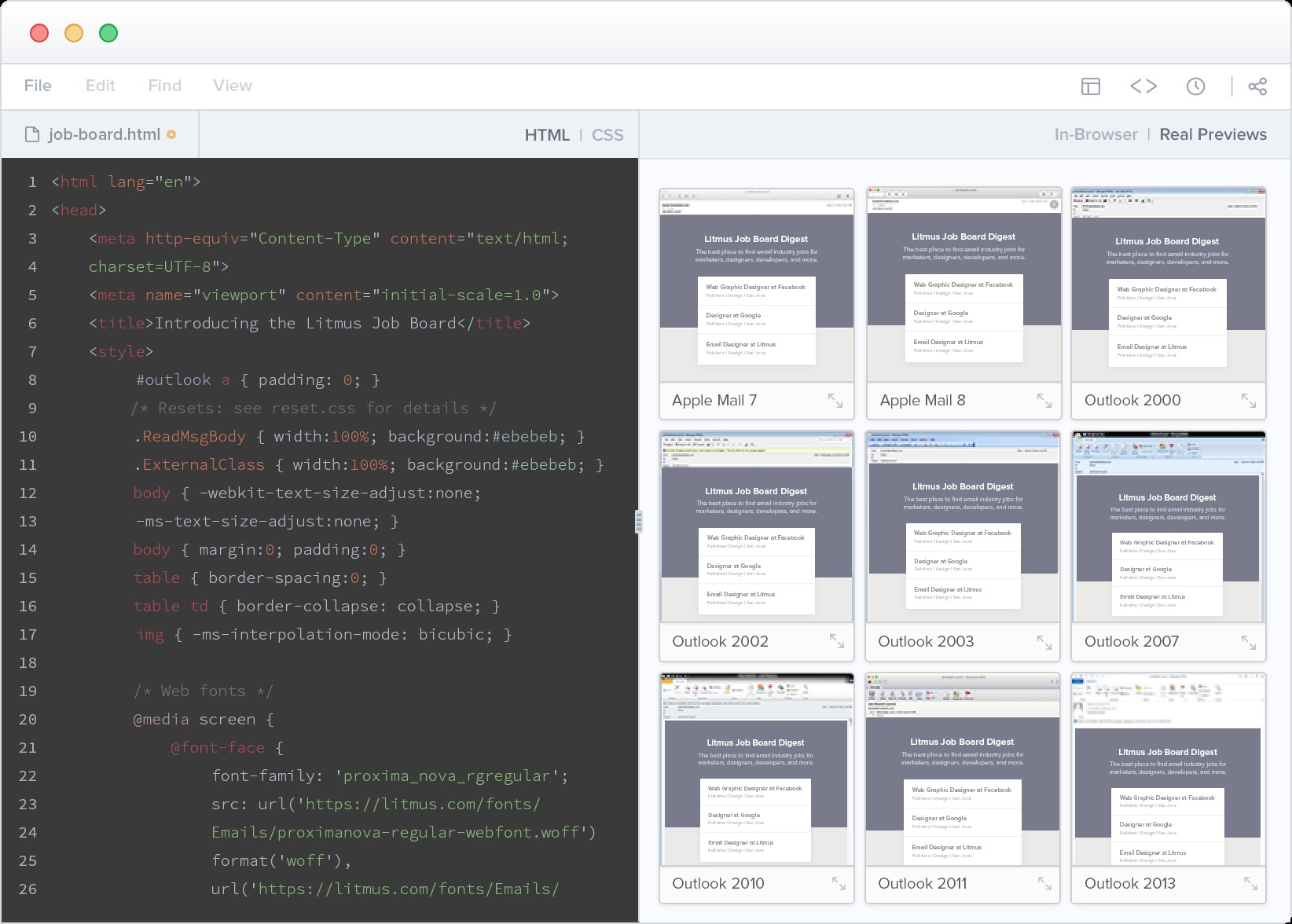
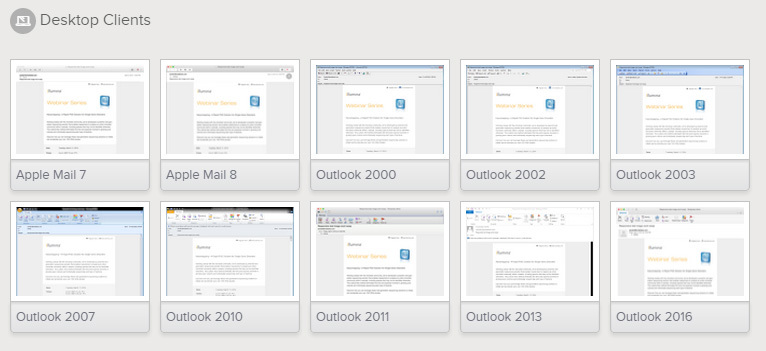
Cross-Client Email Previews
Litmus allows users to preview campaigns across a wide range of email clients and devices, including desktop, webmail, and mobile environments. This eliminates uncertainty about layout shifts, font inconsistencies, or image scaling issues before launch. -
Automated Quality Assurance Checks
The platform scans emails for broken links, missing images, accessibility gaps, and structural code errors. Automated QA reduces manual review time and minimizes the risk of sending flawed campaigns. -
Accessibility Validation
Litmus evaluates alt text usage, screen reader compatibility, color contrast, and other accessibility elements. This ensures inclusive communication and helps teams meet compliance and usability standards. -
Spam Testing and Deliverability Insights
Pre-send spam filter testing helps identify potential inbox placement issues. Users can adjust content or structure before distribution, protecting sender reputation and improving inbox reach. -
Email Analytics and Engagement Tracking
Post-send analytics provide insight into device usage, client distribution, read time, and engagement behavior. These metrics help teams understand how audiences interact with content in real-world conditions. -
Collaboration and Approval Workflow
Teams can share previews, collect feedback, and manage approvals within a single interface. Stakeholders comment directly on email drafts, reducing confusion and shortening review cycles. -
Email Monitoring After Send
Litmus can continue monitoring emails even after deployment, detecting client changes or rendering shifts that may affect performance over time.
How can marketing teams use Litmus in real-world scenarios?
-
Pre-Launch Campaign Validation
Marketing teams use Litmus before major product launches or seasonal campaigns to ensure flawless rendering across devices and clients. -
Enterprise Brand Governance
Large organizations apply Litmus to enforce consistent brand standards across multiple departments or regions. -
Email Template Development
Developers building modular email systems test components extensively within Litmus to confirm compatibility across environments. -
Accessibility Compliance Audits
Teams conducting accessibility reviews use Litmus to validate inclusive design practices. -
Performance Optimization Projects
Growth-focused marketers analyze engagement metrics to refine subject lines, layout decisions, personalization elements, and design structure. -
Agency Client Management
Agencies rely on Litmus to present professional previews to clients and manage structured feedback cycles efficiently.
What benefits does Litmus provide to email marketing operations?
Litmus improves operational reliability and reduces campaign risk. By identifying issues before launch, it prevents costly errors such as broken links or distorted layouts. This directly protects brand reputation and marketing ROI.
Workflow efficiency increases because testing, feedback, and approvals occur within a single platform. Instead of juggling email clients, screenshots, and internal threads, teams operate inside a unified system.
Data-driven optimization becomes more practical. Analytics reveal where subscribers open emails, how long they engage, and which environments dominate audience behavior. This shifts decision-making from assumptions to measurable insight.
Deliverability risk decreases through spam testing and structured QA processes. Improved inbox placement translates into higher open rates and conversion potential.
Accessibility validation expands audience reach and strengthens compliance standards. Inclusive design enhances user trust and brand perception.
Overall, Litmus transforms email marketing from a reactive correction process into a controlled, strategic production system.
What is the user experience like inside Litmus?
The user experience is structured and professional, designed for both marketers and developers. Dashboards are organized around campaign workflows, making navigation intuitive for teams managing multiple projects simultaneously.
Previews load in a centralized testing environment where users can quickly compare rendering differences across clients. QA results appear in clear reports, highlighting issues without overwhelming technical noise.
Collaboration features reduce friction between marketing, design, and leadership teams. Comments and approvals occur directly within the campaign interface, minimizing miscommunication.
Analytics dashboards present engagement metrics in an actionable format rather than raw data tables. Users can interpret performance patterns without complex data extraction.
Litmus Email Testing and Optimization Platform delivers a controlled, reliable, and insight-driven environment for professional email marketing teams seeking precision, scalability, and measurable performance improvement.
2023-04-07 19:12:05: Re: Misleading subject lines 🥸
What's the line between creative and deceptive?
🔗 Dive into our latest Feature Friday where we highlight emails that caught our attention—first impressions and all! https://t.co/GVvLAh1Y3J https://t.co/sKUtdbYW2hTwitter
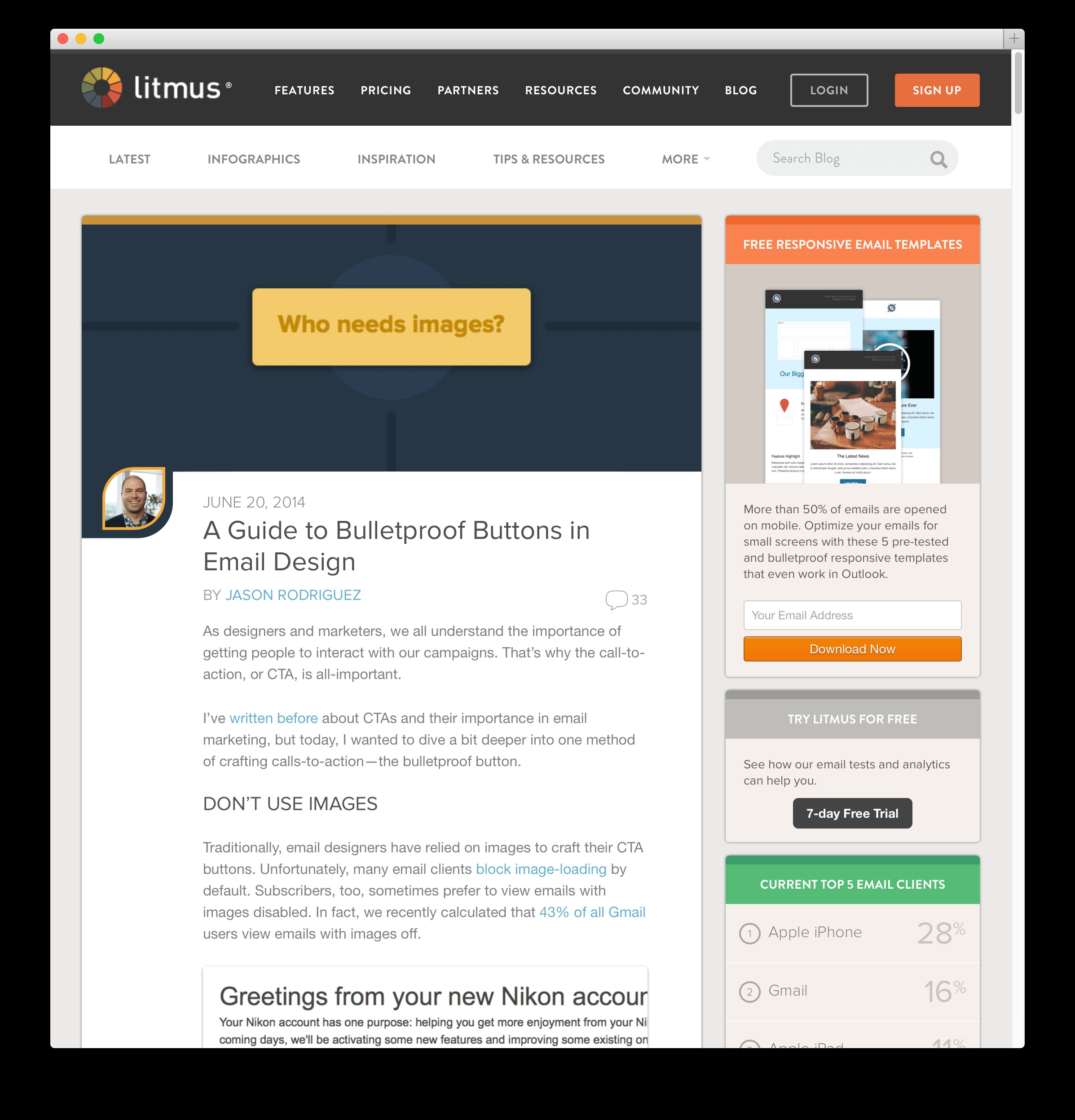
2023-04-07 01:01:28: Top 5 email clients from March 2023:
1. Apple
2. Gmail
3. Outlook
4. Yahoo Mail
5. Google Android
📌 Bookmark this site for monthly updates on the most popular email clients, based on email opens: https://t.co/zBwOj25i7O https://t.co/kZV6XyLx9uTwitter
2023-04-05 15:18:25: ✨ New in Litmus! ✨ You can now:
🌙 Automatically check your code to ensure a Dark Mode has been defined for your emails
👁️ Easily optimize emails for subscribers with color vision deficiency
➡️ Learn more: https://t.co/92vcwg8CHs https://t.co/c6gTQ7qnHSTwitter
2023-04-04 18:43:33: If you view your emails in Dark Mode please stand up 🗣️Twitter
2023-04-03 20:37:08: Something’s coming to Litmus this week… 👀🌙
💌 With Product Pulse, you'll never be left in the dark. Subscribe for monthly tips, insights, and stories to help you get the most out of Litmus: https://t.co/txKhPZ3I6k https://t.co/lnZbr9Jj90Twitter
2023-04-03 18:41:52: P.S. If you want to show the email in all its glory, Scope is perfect for displaying both the code and design of your email. https://t.co/Z05XWjyXrQTwitter
2023-04-03 18:39:33: We're looking for your favorite accessible emails—ones that you've built.
#EmailGeeks: what accessible emails are you most proud of? 👇Twitter
2023-03-31 19:57:28: This month, ChatGPT and a certain little Outlook bug (now patched) made email headlines.
⚡ Recap the month with the latest happenings from the world of email: https://t.co/crkYnVJm04 https://t.co/GArDsk6rXOTwitter
2023-03-31 00:44:00: 👀 https://t.co/hAggcG6CdlTwitter
2023-03-30 19:27:34: Beep boop 🤖 LitBot has entered the chat.
We used AI (or rather, AI used us 🤯) to write this week’s issue of #LitmusWeekly.
➡️ See who hosts next week’s issue and subscribe! https://t.co/qSUCvEIL2z https://t.co/49MHpOneyXTwitter
Litmus Alternatives




Litmus Integrations