Constant Contact
Languages:
Deutsch
English
Español
Français
Portuguese
Localization:
World

What is Constant Contact and what does it do?
Constant Contact is an email and digital marketing platform built for small and midsize businesses that need reliable outreach without a complex marketing stack. It focuses on helping teams grow a contact list, design campaigns quickly, automate common follow-ups, and understand performance through clear reporting. The core workflow is simple: collect subscribers, send targeted messages, and keep improving results using engagement signals like opens and clicks. Beyond email, Constant Contact typically supports basic social publishing and promotional add-ons, making it easier to run coordinated campaigns without stitching together too many tools. For many SMBs, the appeal is consistency: a repeatable way to show up in customers’ inboxes, drive traffic, and keep relationships warm with less manual effort.
Which key features matter most in Constant Contact?
-
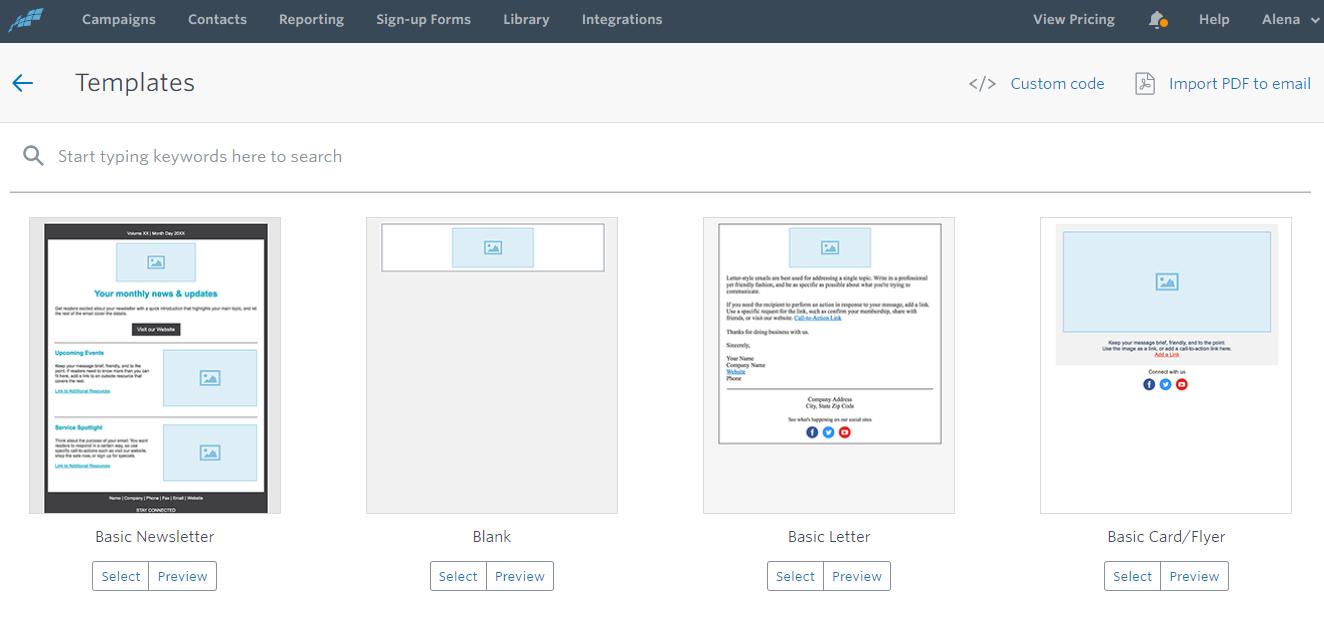
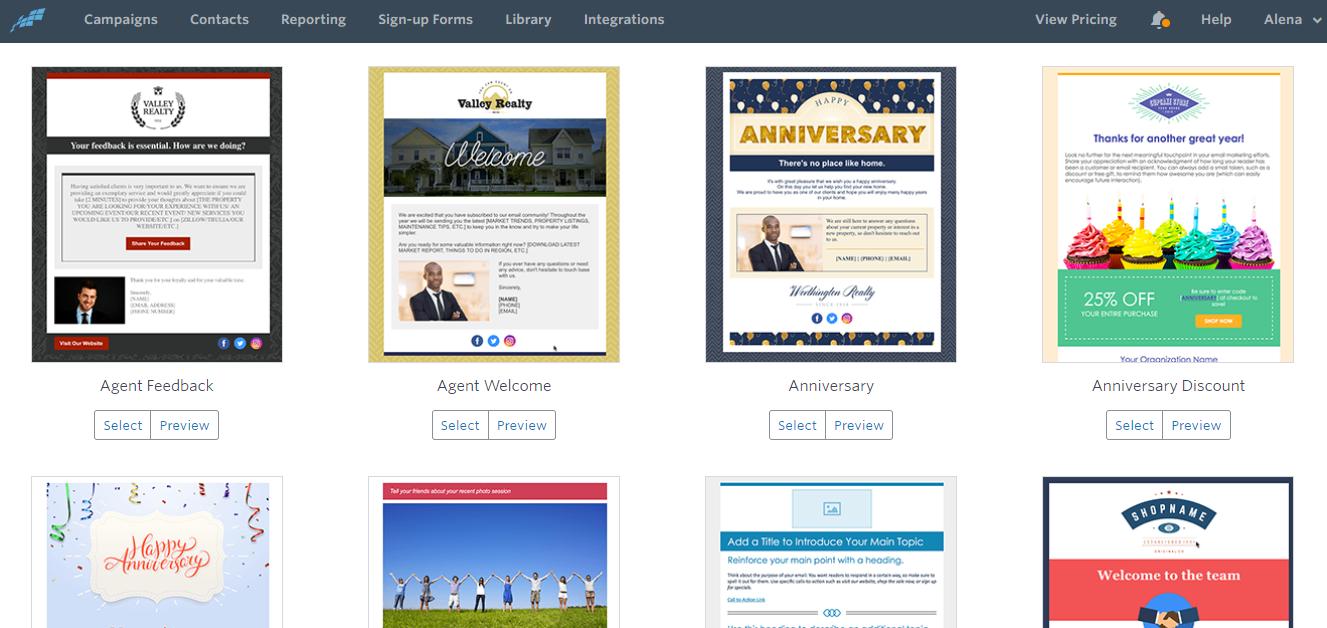
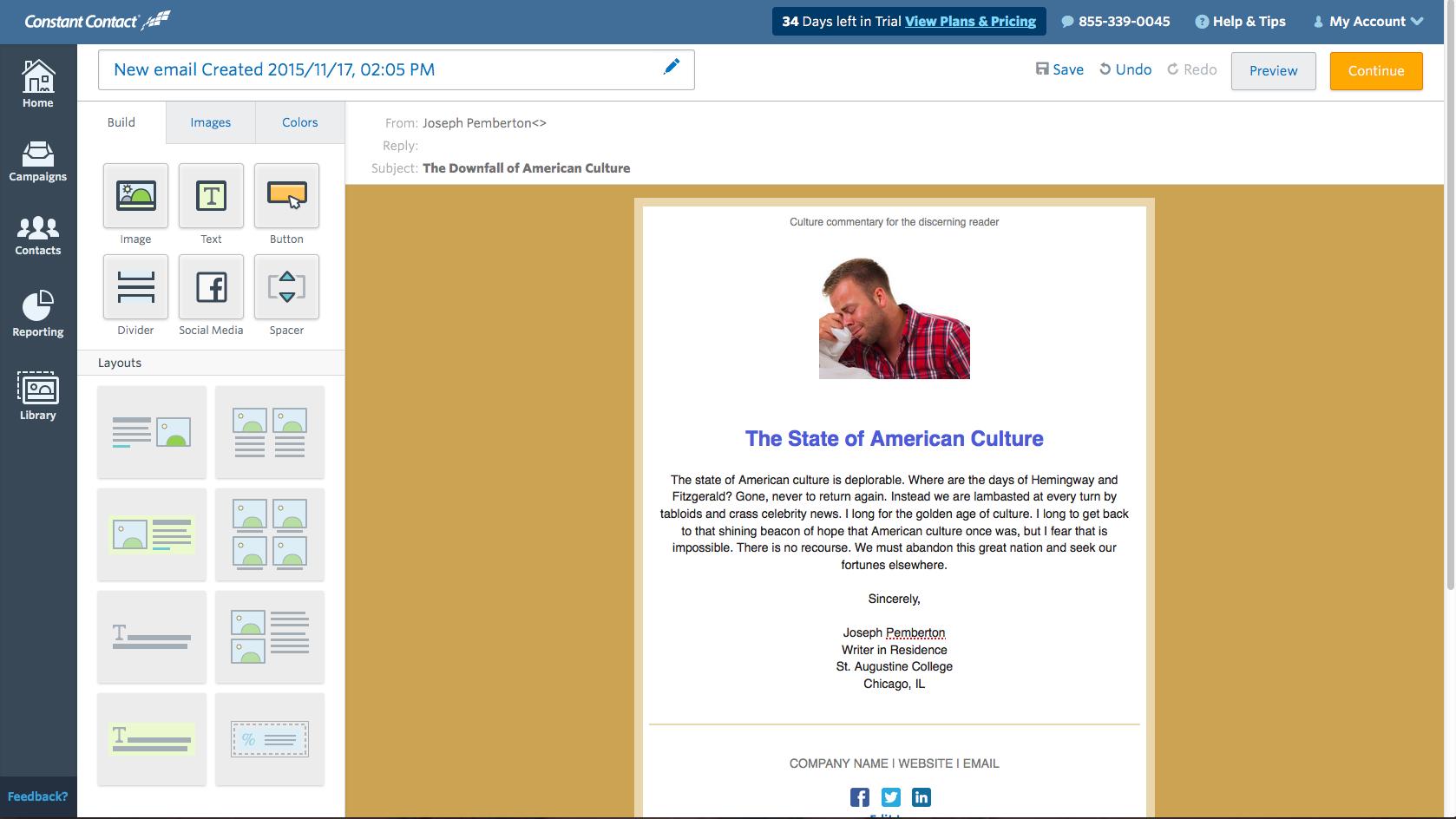
Email campaign builder and templates: Create newsletters, promotions, and announcements with reusable layouts that speed up production and keep branding consistent.
-
List growth tools: Capture subscribers through sign-up forms and landing pages, then route them into specific lists or segments for targeted messaging.
-
Automation for common journeys: Set up welcome series, thank-you messages, re-engagement sequences, and other lifecycle flows that run in the background once configured.
-
Resend and follow-up options: Re-approach contacts who did not open an email, helping increase reach without rewriting the whole campaign.
-
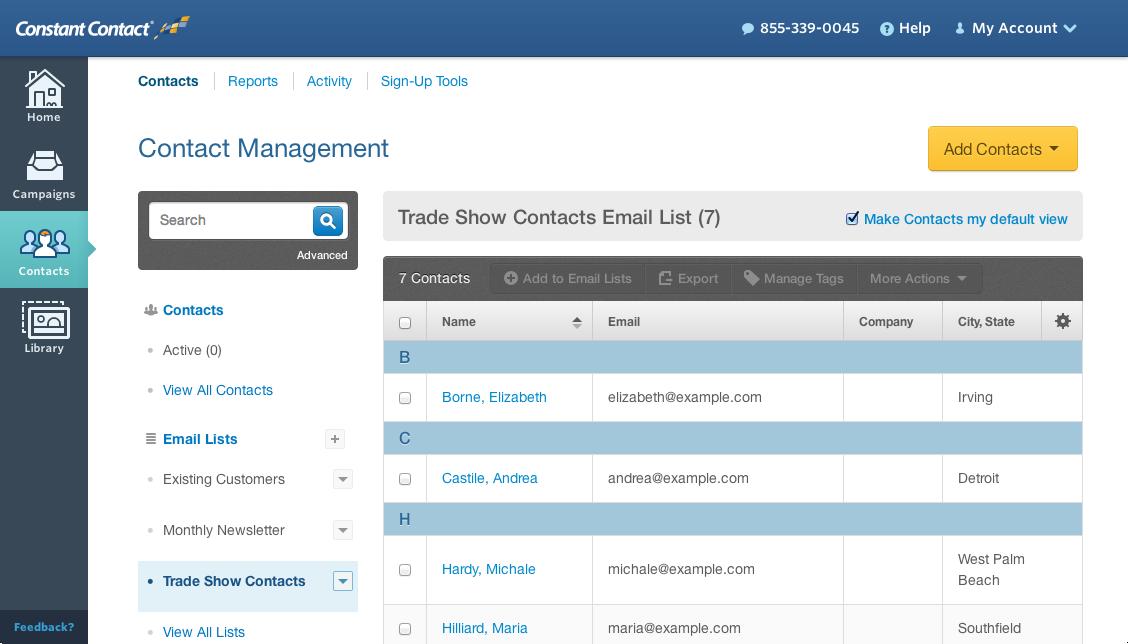
Segmentation and contact organization: Group contacts by attributes and behavior so campaigns go to the right people instead of blasting everyone.
-
Content assistance with AI (where available): Generate draft subject lines and copy variations to reduce blank-page time and support faster iteration.
-
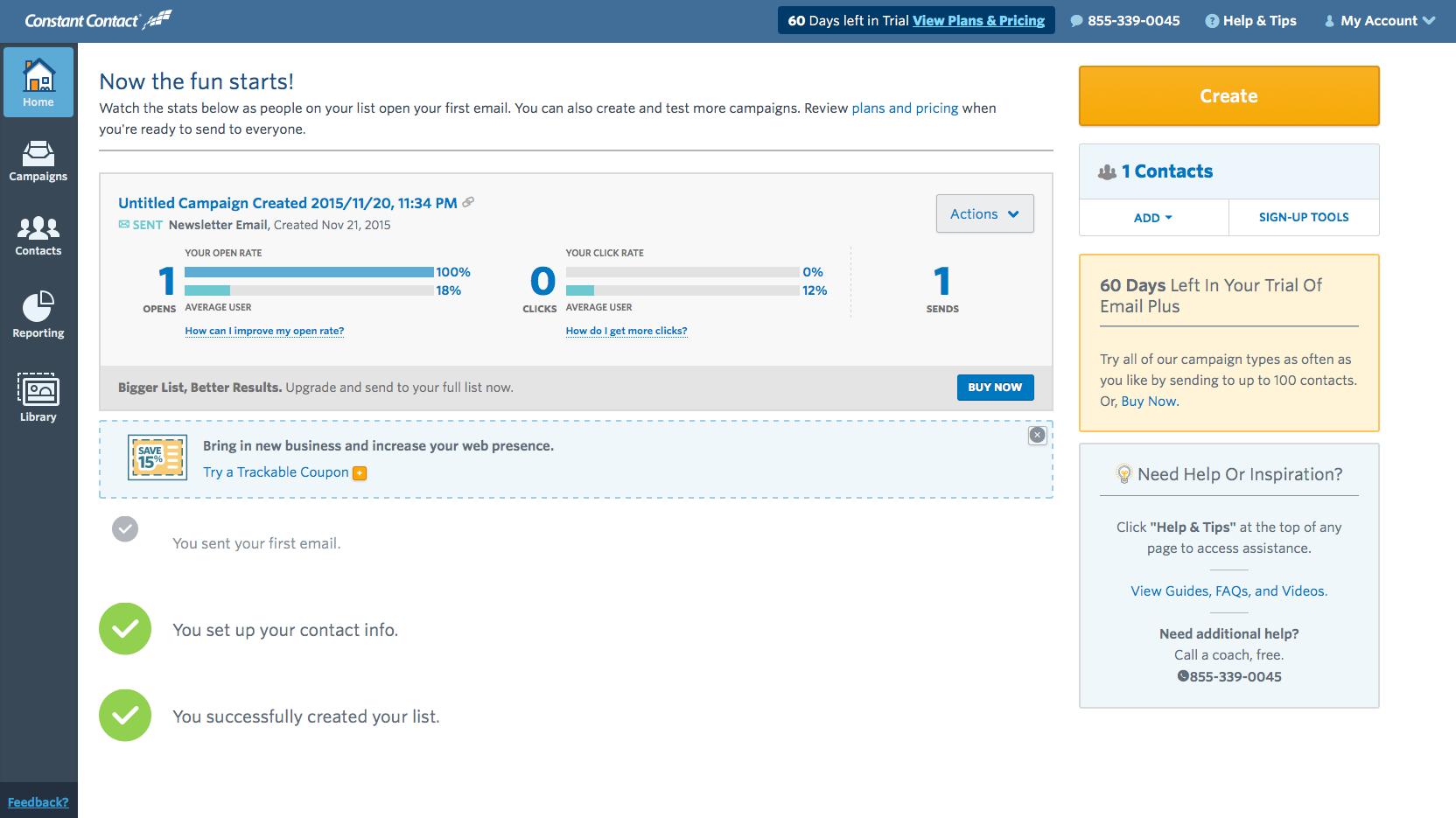
Reporting and performance insights: Track core metrics like opens, clicks, and list growth trends to spot what content and offers work best.
-
Integrations with common business systems: Connect with ecommerce and other platforms to sync contacts and trigger more relevant messages.
What are the best use cases for Constant Contact?
-
Local businesses running seasonal promotions: Restaurants, salons, gyms, and service providers can schedule promos, reminders, and updates that match real-world calendars.
-
Ecommerce stores building repeat customers: Send product drops, back-in-stock announcements, post-purchase follow-ups, and abandoned-cart nudges in a practical, lightweight setup.
-
Event-driven marketing: Promote webinars, classes, workshops, and community events, then follow up with attendees and no-shows using automated sequences.
-
Nonprofits and community organizations: Maintain donor and member engagement with newsletters, impact updates, and recurring campaigns built from templates.
-
Creators and educators growing an owned audience: Turn casual traffic into subscribers, then nurture them with consistent email storytelling and launches.
-
Small teams replacing “random posting” with a system: Use email as the dependable channel while supporting it with basic multi-channel promotion.
What benefits can a small business expect?
Constant Contact helps SMBs move from one-off outreach to a predictable marketing cadence. That usually means less time spent reinventing each campaign, fewer missed follow-ups, and better alignment between content and customer intent. Automation reduces repetitive work, segmentation improves relevance, and reporting supports quick learning loops: send, measure, adjust, repeat. Over time, that compounding effect can stabilize revenue—especially for businesses that rely on repeat customers, seasonal demand, or community attention. The biggest win is operational: marketing becomes a process instead of a mood.
What does the user experience feel like day to day?
The day-to-day experience is built around speed and clarity. Campaign creation typically starts from a template, then moves through list selection, scheduling, and simple performance review. Most teams can get a newsletter out quickly, then gradually add sophistication—like welcome automations and behavioral segments—without redesigning everything. The platform is generally suited to marketers and operators who want results more than endless customization. It is not aimed at deep marketing engineering; it is aimed at shipping campaigns consistently, keeping the list healthy, and improving outcomes with small, repeatable optimizations.
Constant Contact Alternatives




Constant Contact Reviews & Demos
Constant Contact Integrations