Aha!
Languages:
English
Localization:
World

What is Aha! product roadmapping and strategy?
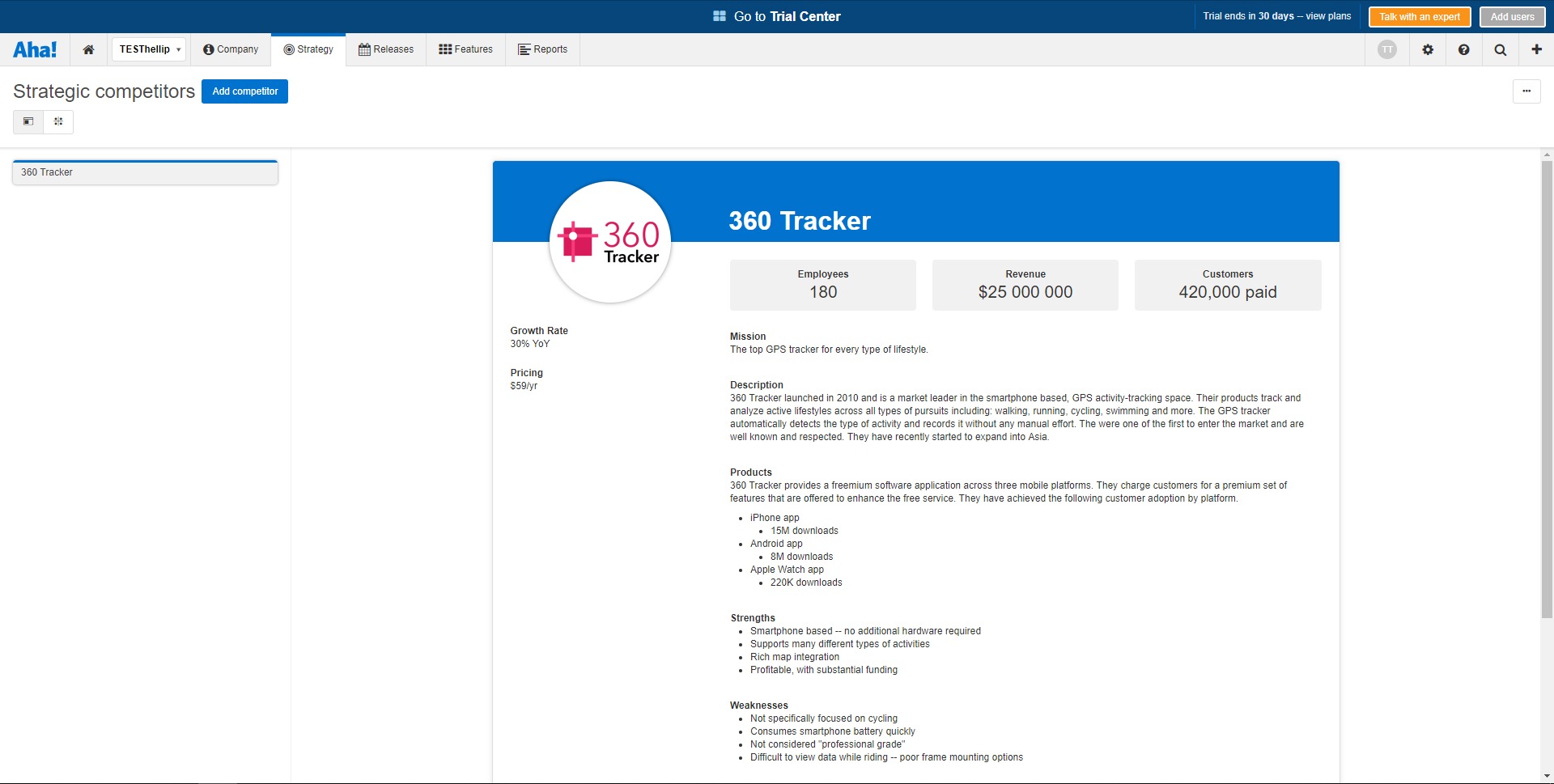
Aha! is a cloud-based product development platform that helps teams connect strategy, roadmapping, and delivery in one place. Instead of tracking goals, ideas, and features in separate tools, product managers can use Aha! to define where the product is going, break that vision into initiatives and releases, and make sure engineering and business stakeholders stay aligned.
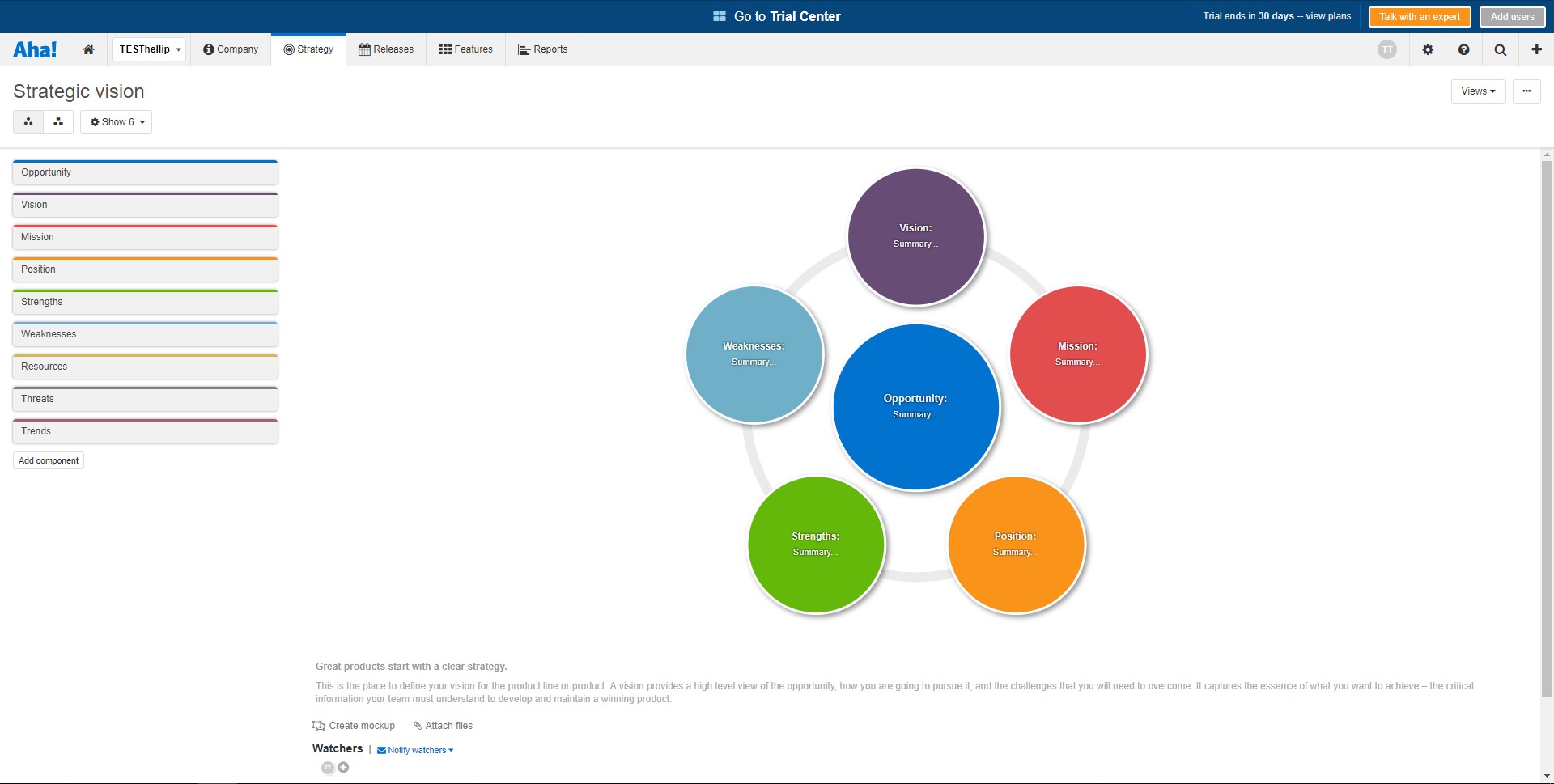
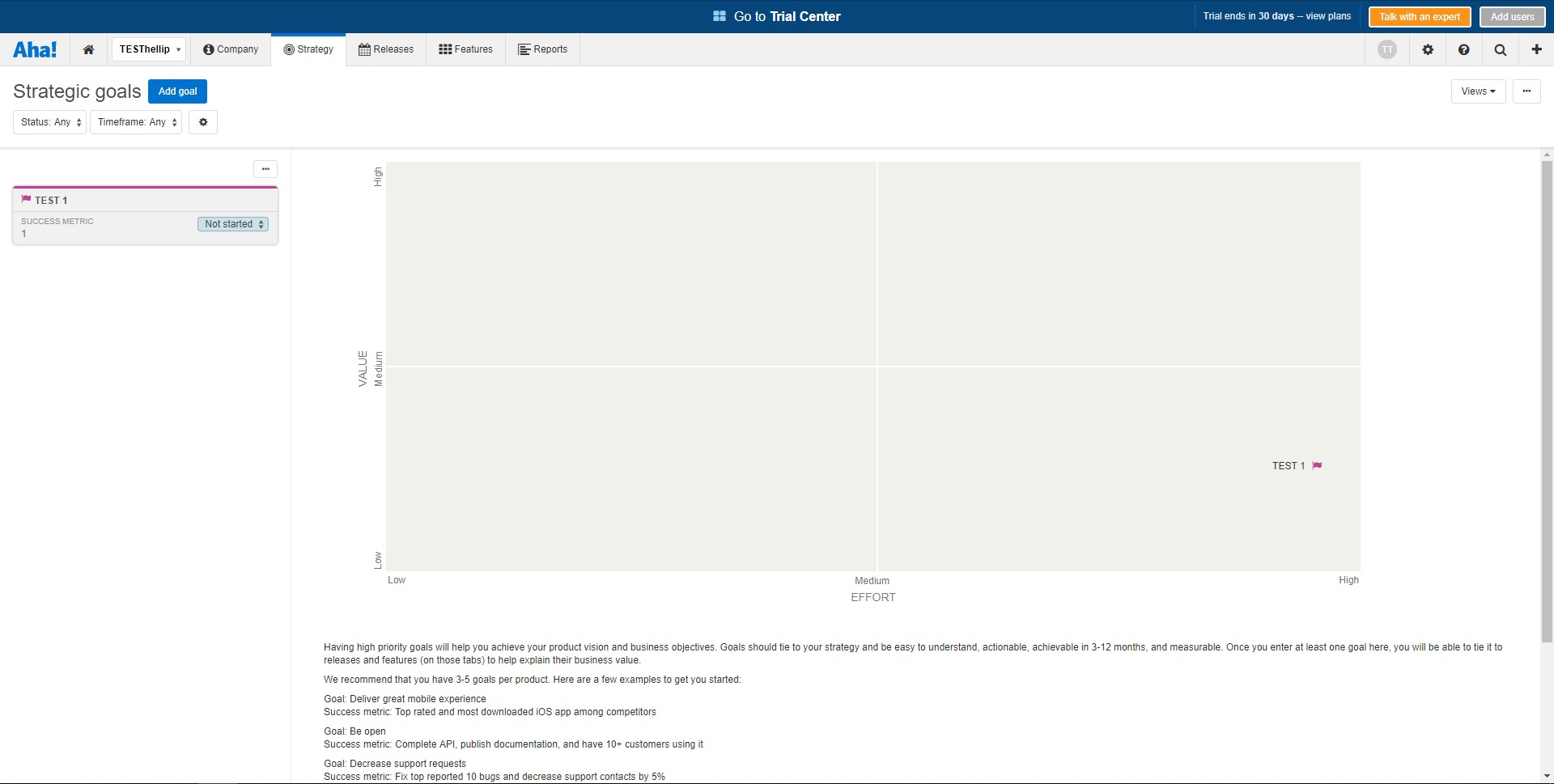
Aha! Product Roadmapping And Strategy starts with long-term goals and positioning, then links every feature and release back to those strategic choices. Teams can capture ideas from customers and internal teams, prioritize them using custom scoring, and visualize planned work on interactive roadmaps tailored to executives, marketing, or engineering.
The platform supports the full product lifecycle: discovery, strategy, planning, execution, and reporting. It is designed for organizations that want more structure and transparency around product decisions, while keeping enough flexibility to support different methodologies, from classic roadmap planning to agile delivery.
What are the key features of Aha!?
-
Strategic Planning And Vision
Capture company and product-level goals, define initiatives, and connect them directly to epics and features. This makes it clear how daily work supports long-term outcomes and gives leadership a consistent view of priorities. -
Product Roadmaps And Releases
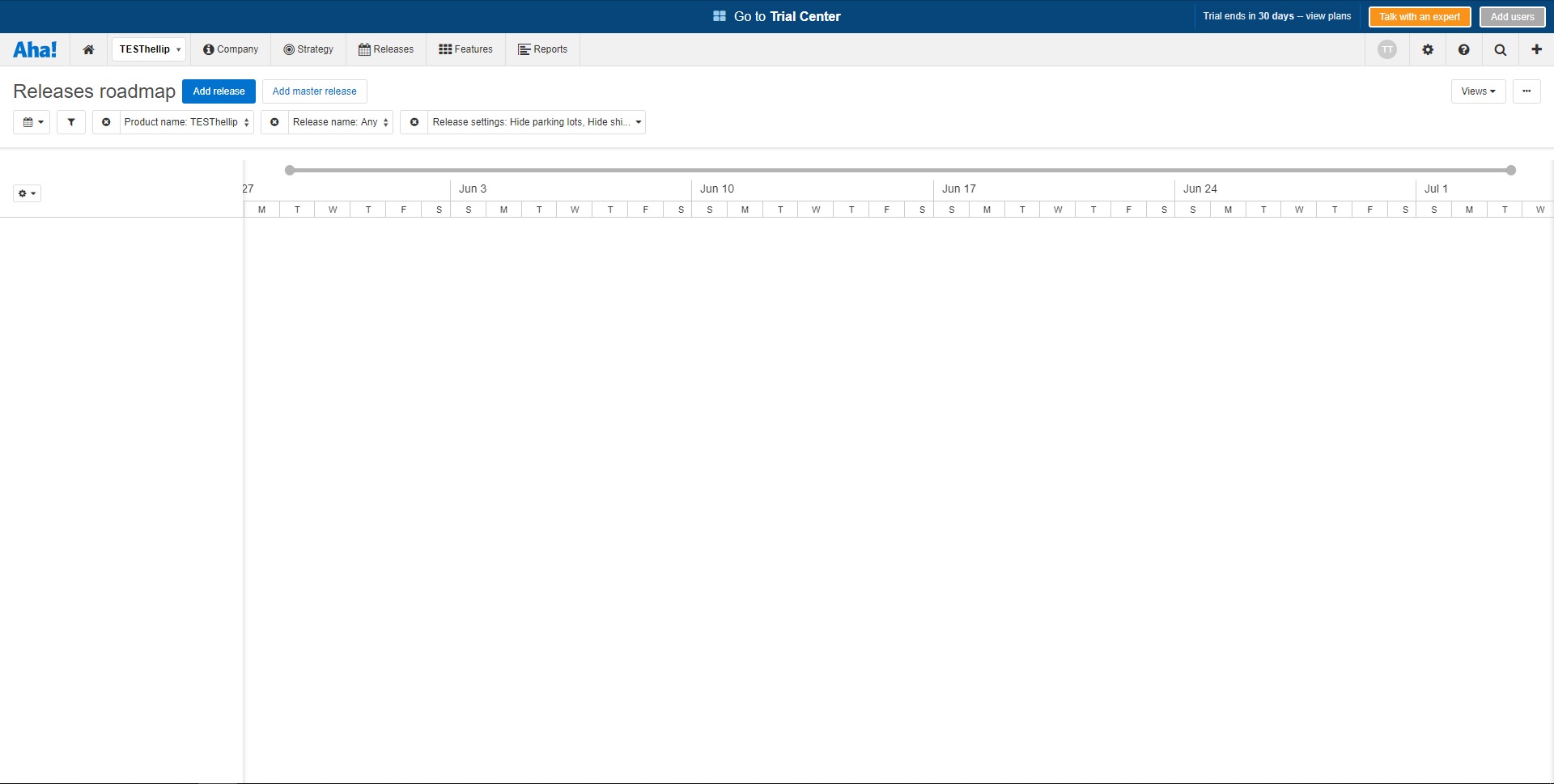
Build visual roadmaps with timelines, swimlanes, and release groupings. Product managers can drag and drop features, manage dependencies, and adjust release scope as priorities change, while maintaining a clear high-level picture. -
Ideas And Feedback Management
Collect ideas through internal portals or customer-facing channels, score them by impact and effort, and promote the best ones into features. This creates a transparent pipeline from feedback to implementation. -
Discovery, Whiteboards, And Research
Use collaborative whiteboards and structured discovery records to map journeys, sketch concepts, and document research. Notes, diagrams, and insights can be converted into roadmap items without retyping. -
Integration With Development Tools
Sync features and user stories with tools like Jira or other agile boards so engineers work where they are comfortable. Status changes flow back into Aha!, keeping the roadmap and reports always up to date. -
Reporting, Dashboards, And Analytics
Create list, pivot, and chart reports that show progress against goals, capacity usage, idea volume, and delivery metrics. Dashboards can be shared with stakeholders to replace static slide decks. -
Capacity Planning And Work Management
Estimate work, allocate capacity across teams or releases, and see when plans exceed bandwidth. This helps avoid overcommitting and makes trade-offs more explicit in planning discussions.
When should teams use Aha! in practice?
-
Planning A Multi-Quarter Product Roadmap
When a product team needs to translate high-level strategy into a clear roadmap covering several quarters or years, Aha! helps turn vision into structured releases and initiatives. -
Aligning Multiple Teams Around One Product
For companies where product, design, engineering, sales, and marketing must coordinate, Aha! acts as the shared source of truth, ensuring everyone understands what is coming and why. -
Managing A High Volume Of Customer Ideas
Organizations with many feedback channels can use Aha! to centralize, de-duplicate, score, and prioritize ideas instead of relying on scattered spreadsheets and inboxes. -
Supporting Agile Delivery With Strategic Context
If engineering already uses an agile board, Aha! sits above it, providing the strategic framing and roadmap while integrating with sprint and issue tracking tools. -
Reporting Product Progress To Leadership
When leadership wants regular visibility into goals, roadmaps, and delivery status, teams can use Aha! dashboards and reports instead of manually assembling updates.
What benefits does Aha! bring to product teams?
Aha! helps product managers justify decisions by showing how each feature supports specific goals and initiatives. This reduces random requests and “pet projects,” because everything can be evaluated against a defined strategy.
The platform cuts down on duplicate work and misalignment. Roadmaps, ideas, research, and delivery status live in one environment, connected by relationships rather than scattered across tools. This shortens the feedback loop between customers, product, and engineering.
Capacity and dependency views allow teams to make realistic commitments and see the impact of changes before they happen. As a result, product releases become more predictable, and expectations inside the company are easier to manage.
Centralized reporting makes it simpler to communicate outcomes. Teams can demonstrate progress toward goals, highlight shipped value, and identify bottlenecks, which helps build trust with leadership and stakeholders.
What is the user experience like in Aha!?
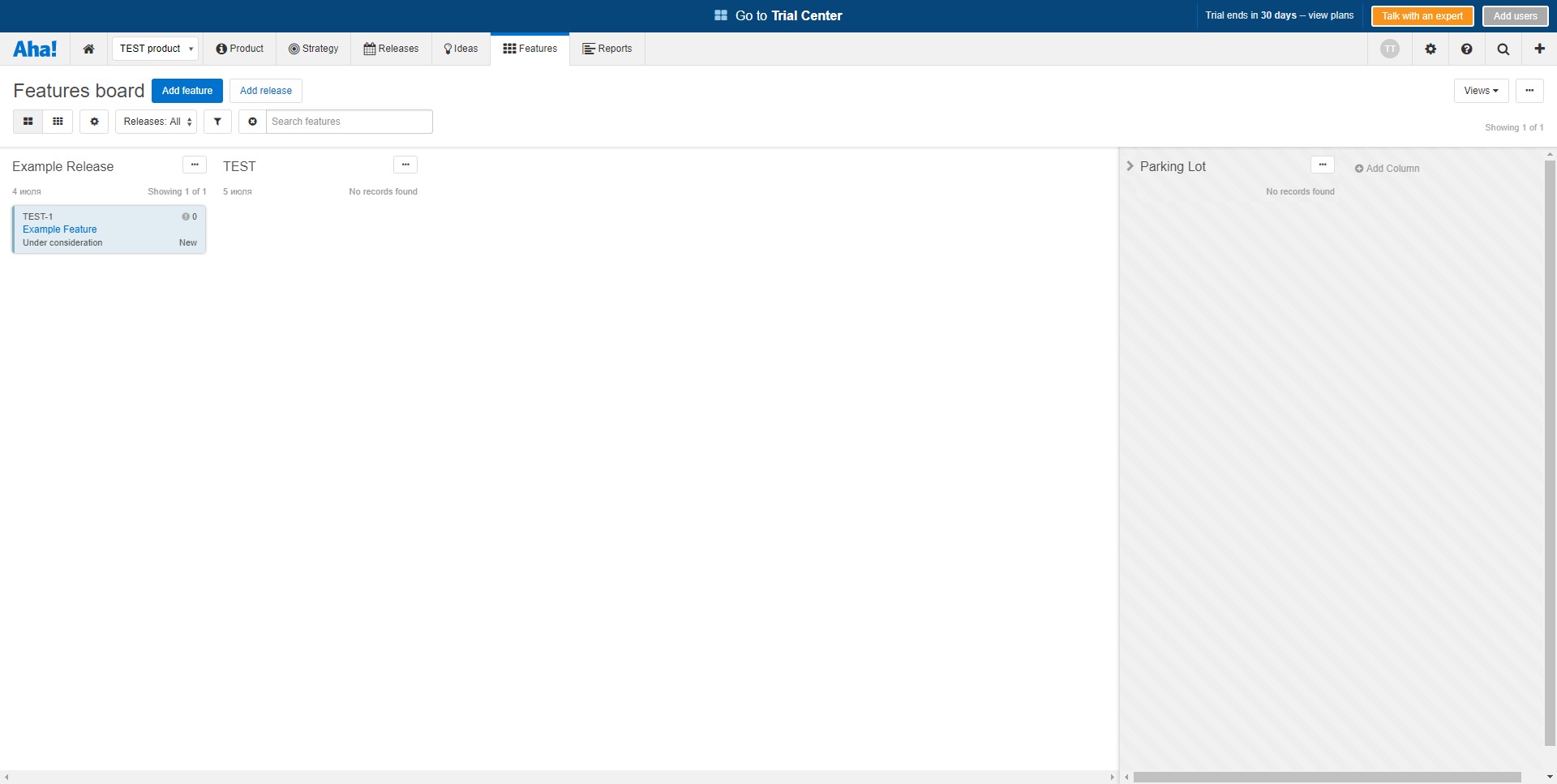
The Aha! interface is built around structured but customizable views. Product managers can work with strategy pages, roadmap views, lists, boards, and reports, switching between them without losing context. Each record type—goals, initiatives, epics, features, ideas—has clear fields and relationships, but teams can add custom fields and workflows to match their process.
Navigation is organized by product line or workspace, making it easier to manage multiple products or portfolios. Roadmaps and boards are interactive and support drag-and-drop adjustments, so updating plans feels more like working in a modern collaboration tool than editing static documents.
Collaboration is built in: comments, to-dos, and notifications allow product managers, designers, engineers, and stakeholders to discuss items directly where they are defined. Whiteboards and discovery tools offer a more freeform space, while still connecting back to structured work.
Overall, the user experience is geared toward product teams that want to elevate their planning from ad hoc documents to a connected, strategic system without sacrificing flexibility in how they work day to day.
2026-10-16 17:15:06: Recruit active users for your next research study in Aha! Discovery Youtube
2026-10-14 20:28:59: Recruit research participants inside your product Youtube
2026-10-08 17:31:58: Aha! desktop app for Mac and Windows #productmanagement Youtube
2026-10-01 17:52:38: 3 Winning AI Apps, 1 Weekend: Aha! Builder Day Highlights Youtube
2026-10-01 17:50:12: 4 Types of AI Apps Product Managers Can Build With Aha! Builder Youtube
2026-09-28 17:41:56: Aha! Tutorial – Make roadmap believers – show them prototypes Youtube
2026-09-28 15:30:28: What will Aha! product management look like in 2030? Youtube
2026-09-24 16:15:28: What Are You Trying to Learn Next? From Brian de Haaff Youtube
2026-09-23 16:00:28: Voice mode for Elle: A sneak peek at what’s coming Youtube
2026-09-22 19:45:35: Building an AI App for Product Managers in Aha! Builder Youtube
Aha! Alternatives




Aha! Integrations