Stripe
Languages:
Deutsch
English
Español
Français
Portuguese
Localization:
World

What is Stripe and what does it do?
Stripe is a payments platform that helps online businesses accept money, manage billing, reduce fraud, and run financial operations from one system. It’s built for companies that want reliable payment processing without stitching together multiple providers for checkout, subscriptions, invoicing, and payouts. Stripe supports fast setup through ready-made checkout pages and also offers developer tools for fully custom payment flows, which makes it useful for both small teams and large platforms operating at scale.
Beyond taking payments, Stripe can handle recurring billing logic, tax calculation, invoicing, and marketplace-style payouts to third parties. That combination turns payment processing into a broader revenue engine: charge customers in more ways, automate back-office workflows, and keep the payment experience consistent across countries and products.
Which Stripe features matter most for online businesses?
-
Online payment processing: Accept card payments and other payment methods, with tools designed to improve conversion and reduce checkout friction.
-
Prebuilt checkout options: Use a hosted checkout flow for speed or embed customizable UI components for a tailored experience.
-
Subscriptions and recurring billing: Create subscription plans, manage upgrades/downgrades, handle trials, collect recurring payments, and automate dunning for failed payments.
-
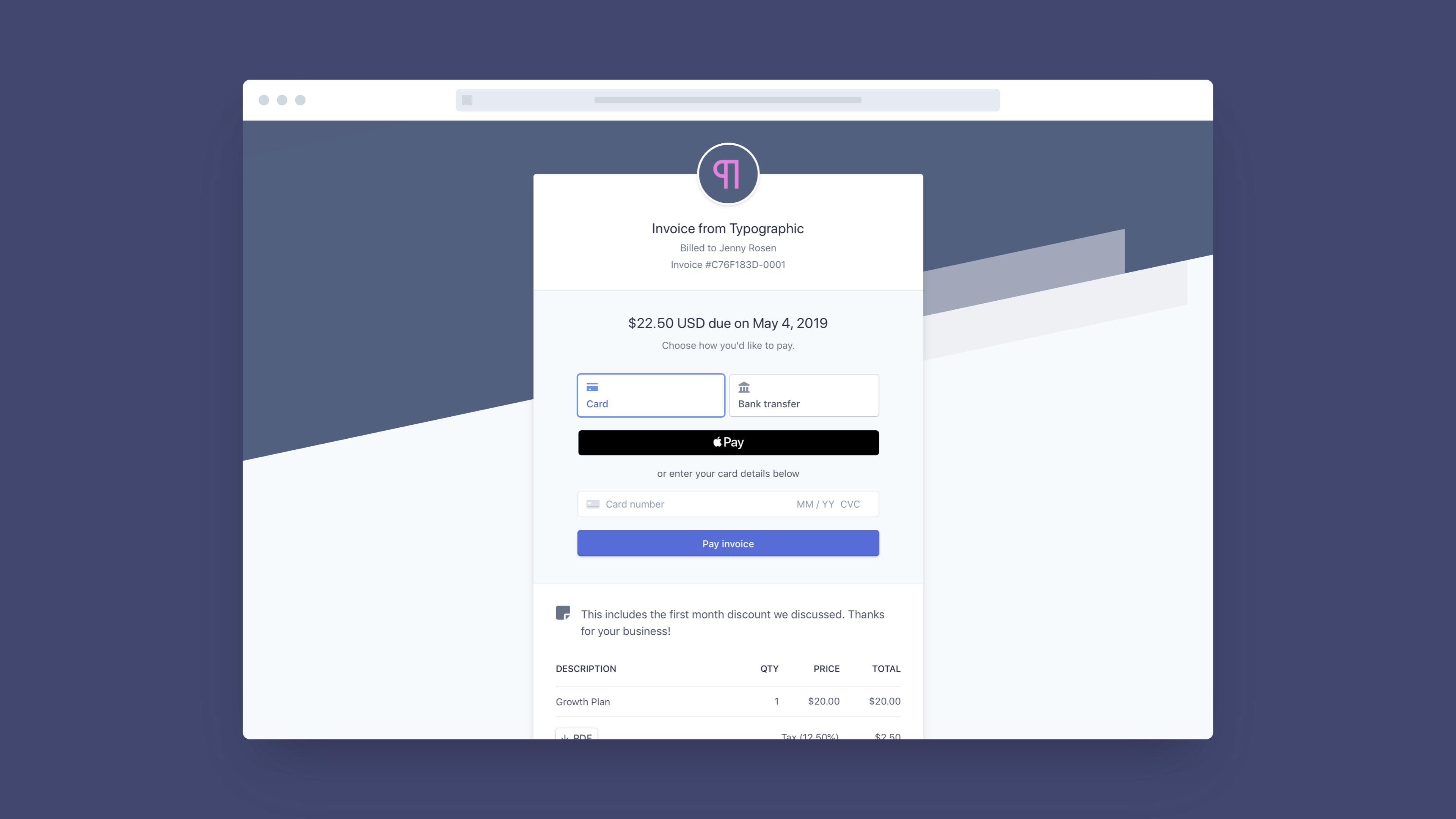
Invoicing for B2B and services: Generate invoices, send them to customers, and collect payment through a unified system.
-
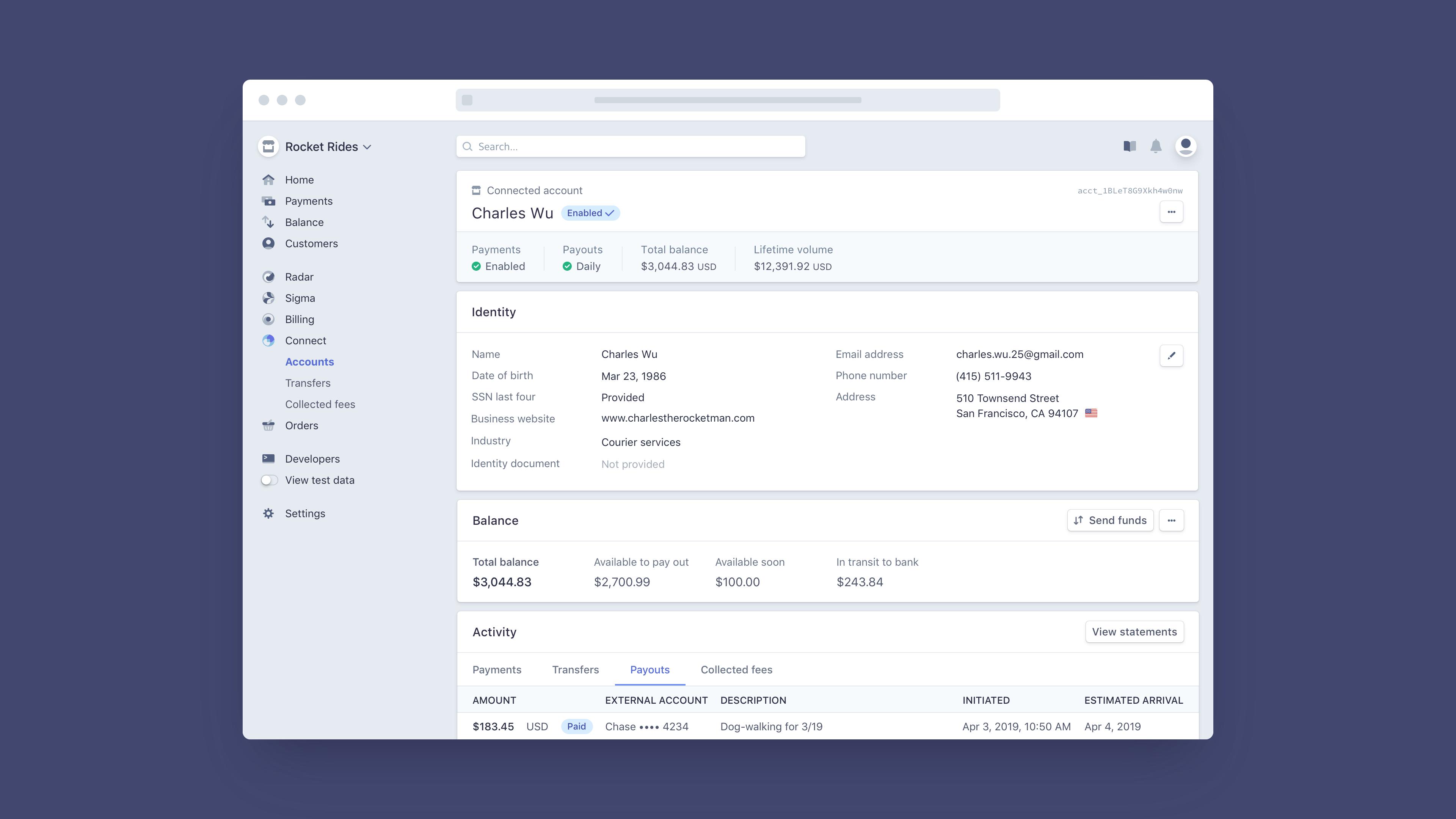
Marketplace and platform payouts: Onboard sellers or contractors and route payments to multiple parties with payout and compliance workflows.
-
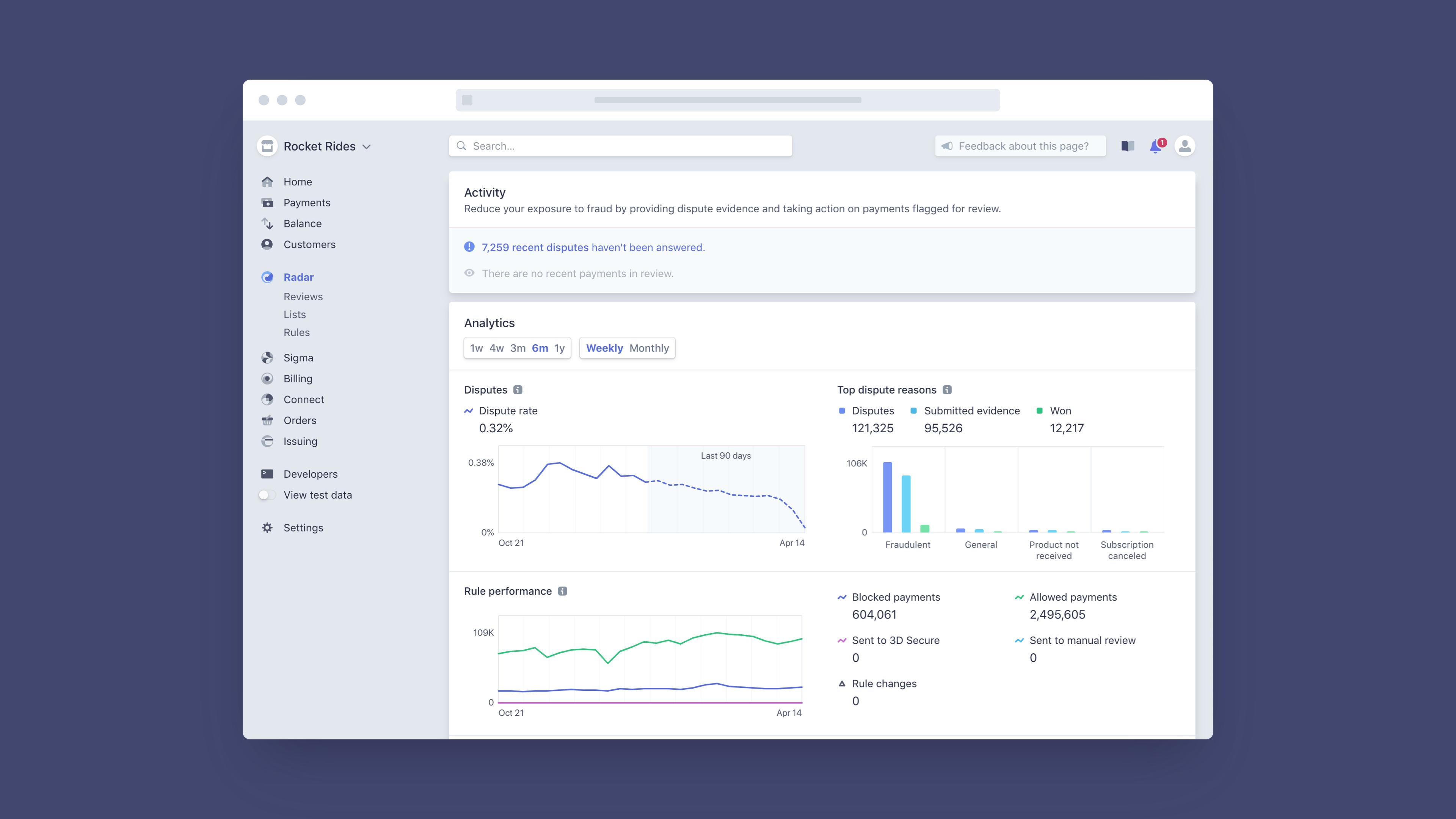
Fraud prevention and risk tools: Detect suspicious transactions, tune rules, and adapt protection based on business risk tolerance.
-
Identity verification: Verify user identity when required for onboarding, risk reduction, or compliance processes.
-
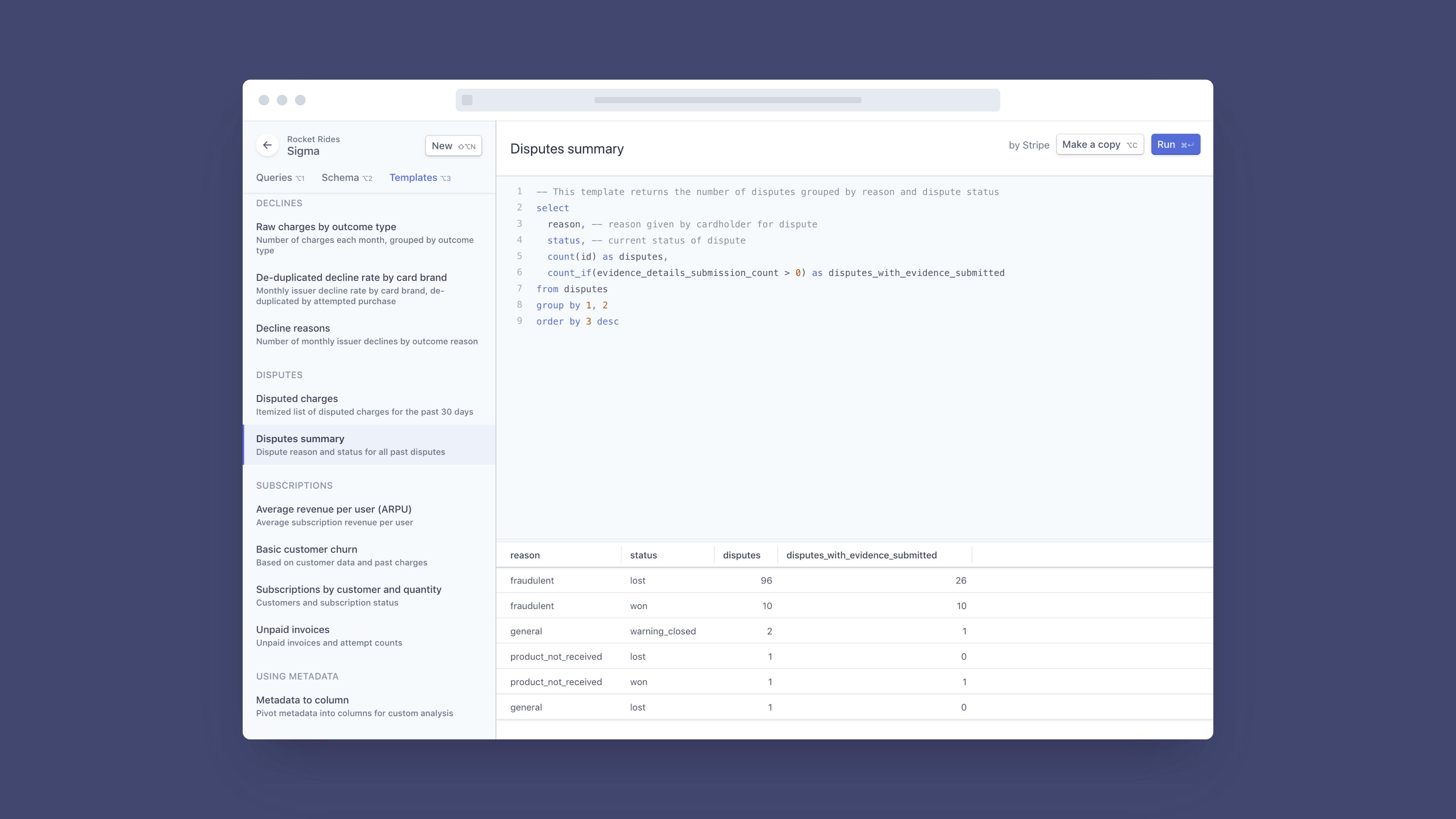
Reporting and revenue operations: Track payments, refunds, disputes, and performance metrics, and support revenue recognition workflows for finance teams.
What are the best real-world use cases for Stripe?
-
SaaS subscriptions: Monthly or annual plans with trials, seat-based pricing, upgrades, and proration—plus retries and reminders when payments fail.
-
E-commerce checkout: Faster, more optimized checkout flows that can reduce drop-off and support multiple payment methods.
-
Marketplaces and platforms: Split payments between the platform and sellers, automate onboarding, and manage payouts without building a banking stack from scratch.
-
Agencies and service businesses: Send invoices, accept deposits, charge milestones, and keep a clean trail for reconciliation.
-
Digital products and creators: Sell downloads, access passes, memberships, or bundles with flexible pricing and payment methods.
-
Global sales: Charge customers internationally with currency handling and payment experiences that feel local.
What benefits does Stripe provide compared to patchwork payment tools?
Stripe’s main advantage is consolidation: fewer integrations, fewer moving parts, and less time spent reconciling systems. Payments, billing, invoicing, fraud tools, and payouts can live in one ecosystem, which usually means faster product iteration and cleaner operational workflows. It also reduces risk from vendor sprawl—when something breaks, the problem is easier to isolate, monitor, and fix.
For teams building products, Stripe’s modular approach helps: start simple (hosted checkout, basic payments), then grow into subscriptions, invoicing, or marketplace payouts as the business model expands. For finance and operations, centralized reporting and standardized payment data can make month-end close, refund management, and dispute handling less chaotic.
What is the Stripe user experience like for teams and customers?
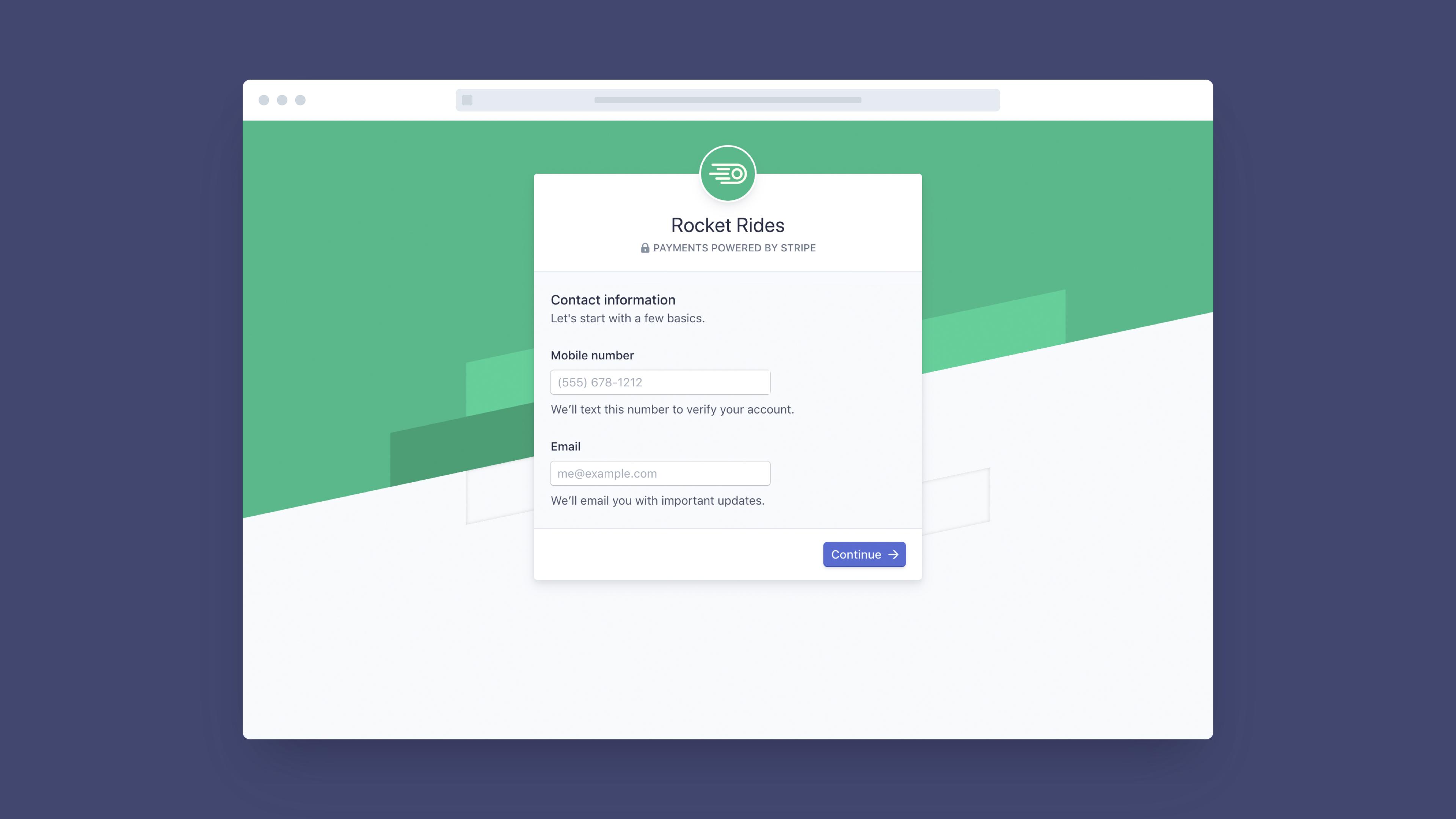
For customers, Stripe tends to feel like a smooth, modern checkout: clear payment steps, fewer errors, and familiar payment options. Depending on the business setup, the payment experience can be fully branded or run through a streamlined hosted flow.
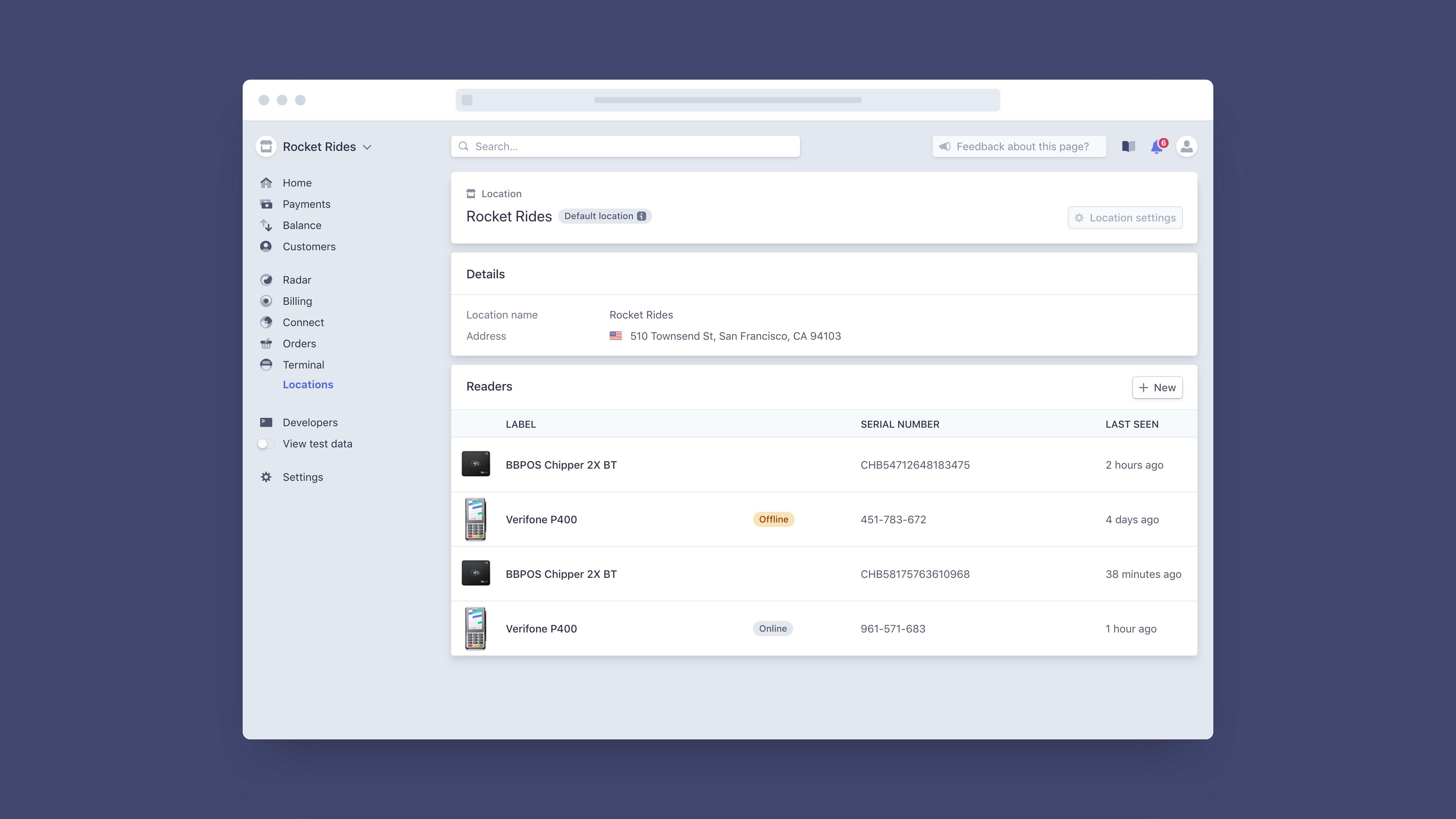
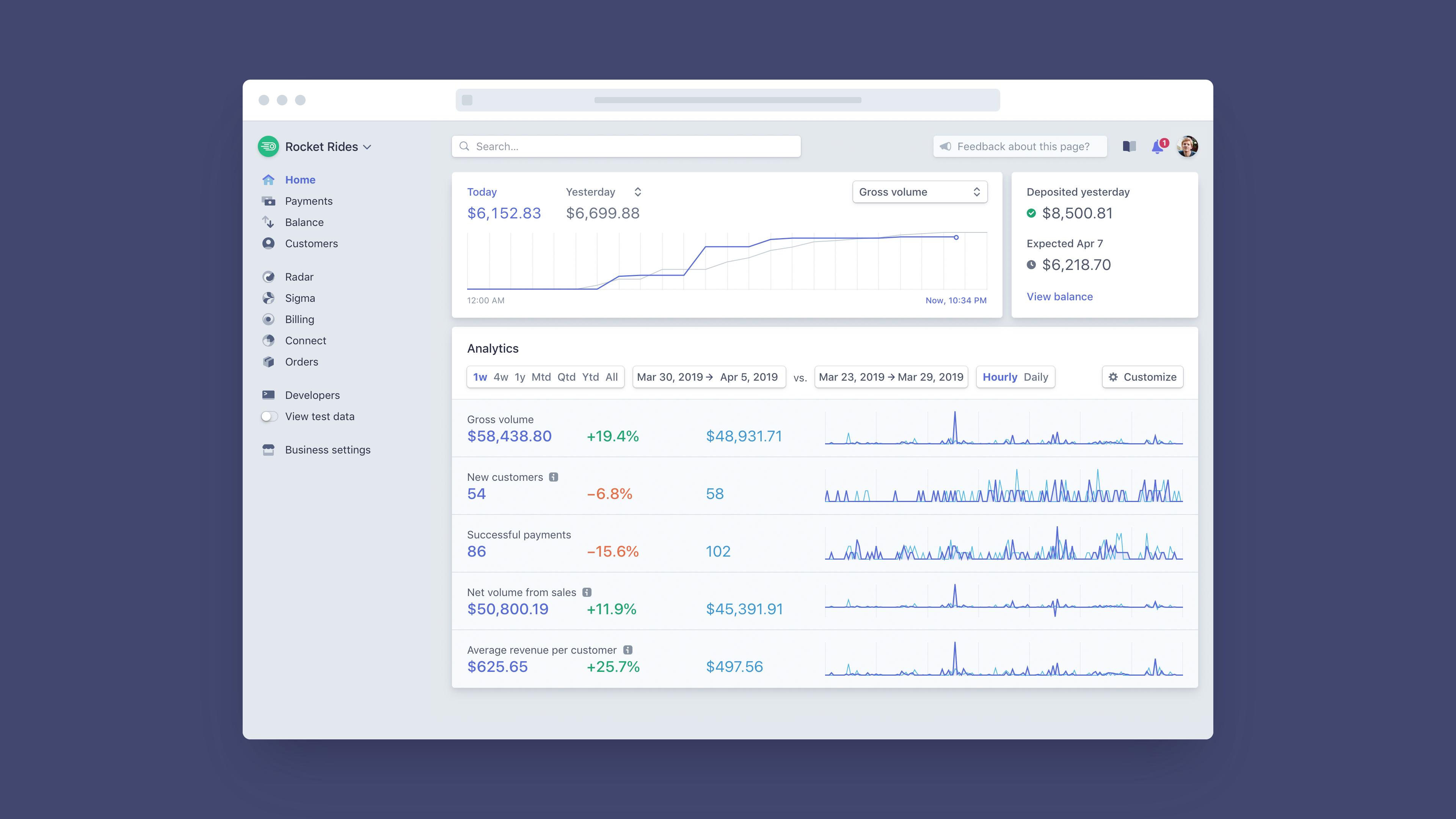
For internal teams, Stripe typically offers a clean dashboard for tracking transactions, refunds, disputes, and payouts, with strong tooling for developers and practical controls for operations. The experience is often “build what’s needed, automate the rest”: developers can integrate deeply, while non-technical teams can still manage day-to-day payment operations, handle refunds, and review payment issues without touching code.
2026-10-21 17:32:40: Gamma's path to $100M ARR Youtube
2026-09-03 05:50:59: Sea founder and CEO Forrest Li in conversation with Tyler Bryson. Youtube
2026-08-25 00:00:11: Canva cofounder and COO Cliff Obrecht in conversation with John Collison. Youtube
2026-07-09 18:29:21: A conversation with Replit's President and Head of AI Michele Catasta Youtube
2026-06-30 18:07:41: Tech analyst Philip Klöckner in conversation with Conor McNamara Youtube
2026-06-18 21:18:11: Why "splitting the G" is not a real thing in Ireland Youtube
2026-06-17 19:30:32: The "AI" invention that fooled the world 200 years ago Youtube
2026-06-17 01:24:33: Fin / Intercom cofounder Des Traynor on Eoghan McCabe’s "manic" AI pivot Youtube
2026-06-16 17:44:45: A conversation with Alan co-founder and CTO Charles Gorintin Youtube
2026-06-12 15:17:58: Privy Founder Henri Stern on why stablecoins only matter if they deliver real user value. Youtube
Stripe Alternatives




Stripe Reviews & Demos
Stripe Integrations