Ecwid
Languages:
Български
Deutsch
English
Español
Français
Italiana
Netherlands
Portuguese
简体中文
Localization:
World

What is Ecwid and how does it help businesses sell online?
Ecwid is an e-commerce platform built for businesses that want to launch, add, or expand online selling without creating a store system from scratch. It is especially useful for companies that already have a website and want to add shopping functionality quickly, but it also works for brands that need a standalone online store. Ecwid focuses on flexibility, allowing merchants to manage products, orders, payments, and customer activity from one central dashboard while selling across multiple channels.
This platform is often chosen by small and midsize businesses, creators, local retailers, and service-based brands that need a practical way to combine website sales, social selling, and in-person transactions. Its appeal comes from reducing technical friction. Instead of rebuilding an entire digital presence, a business can connect Ecwid to its current setup and start selling with a more streamlined operational model. That makes it a strong option for businesses that want speed, control, and a manageable path into online commerce.
What key features make Ecwid useful for online selling?
- Website and store integration
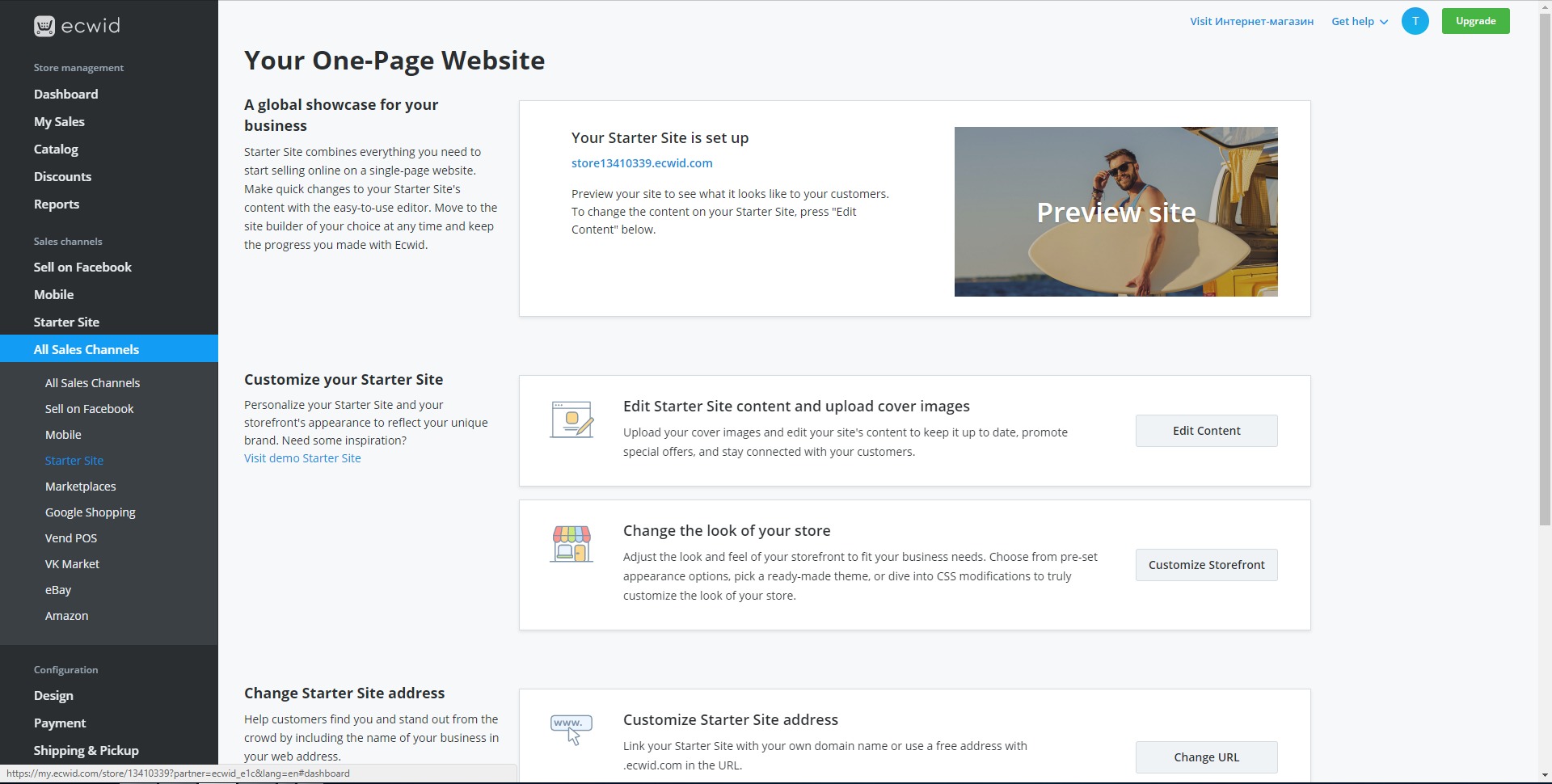
Ecwid can be added to an existing website, which makes it attractive for businesses that already have a digital presence and do not want a full platform migration. This reduces setup friction and preserves existing branding, structure, and traffic sources. - Multichannel selling
The platform supports selling through a website, social channels, online touchpoints, and offline environments from one system. Products, orders, and inventory stay centralized, which helps reduce manual work and channel confusion. - Centralized product and inventory management
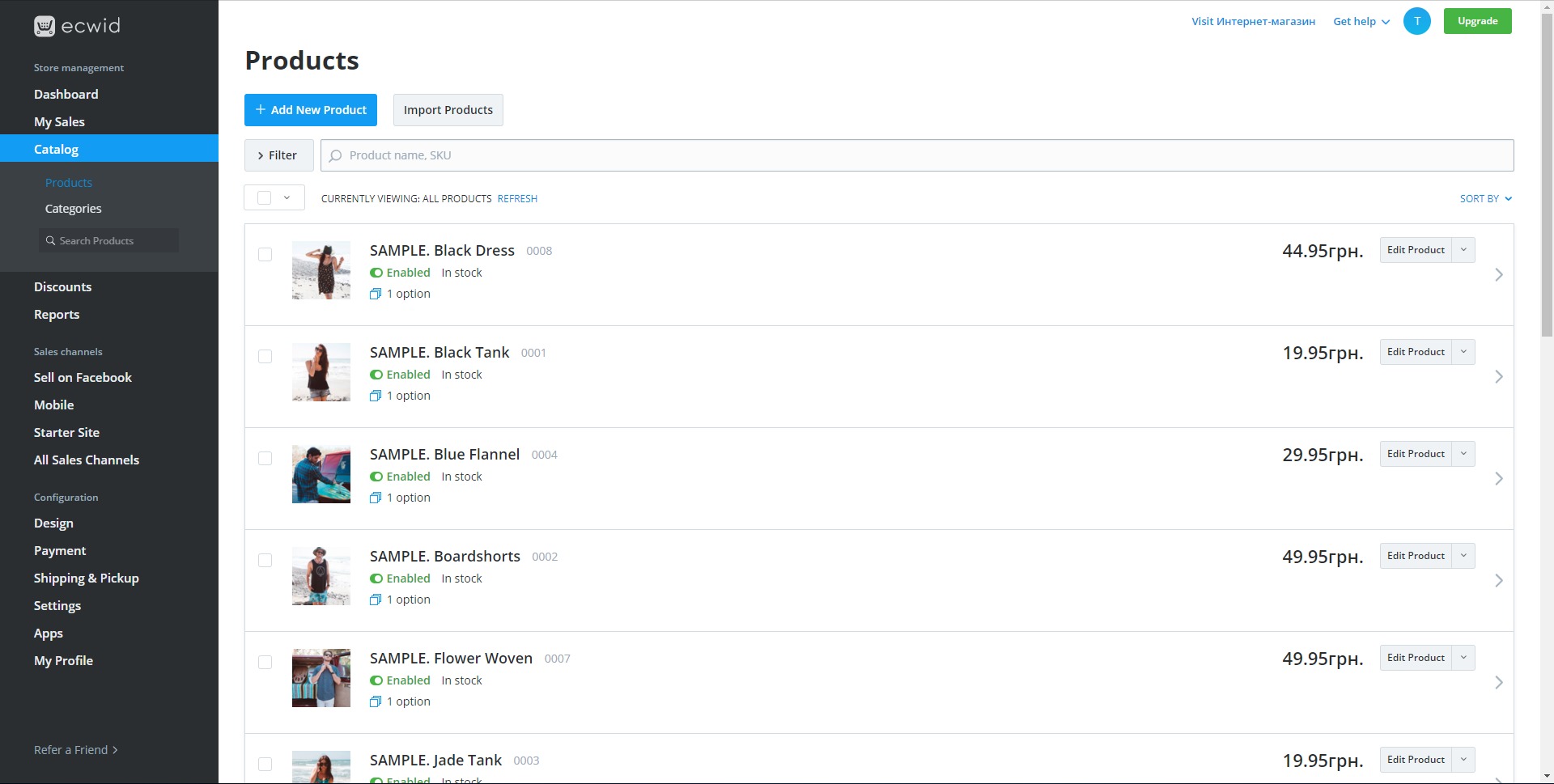
Merchants can manage catalog updates, stock levels, pricing, and product details in one place. This is important for businesses that sell in several places and need cleaner control over availability and fulfillment. - Payment flexibility
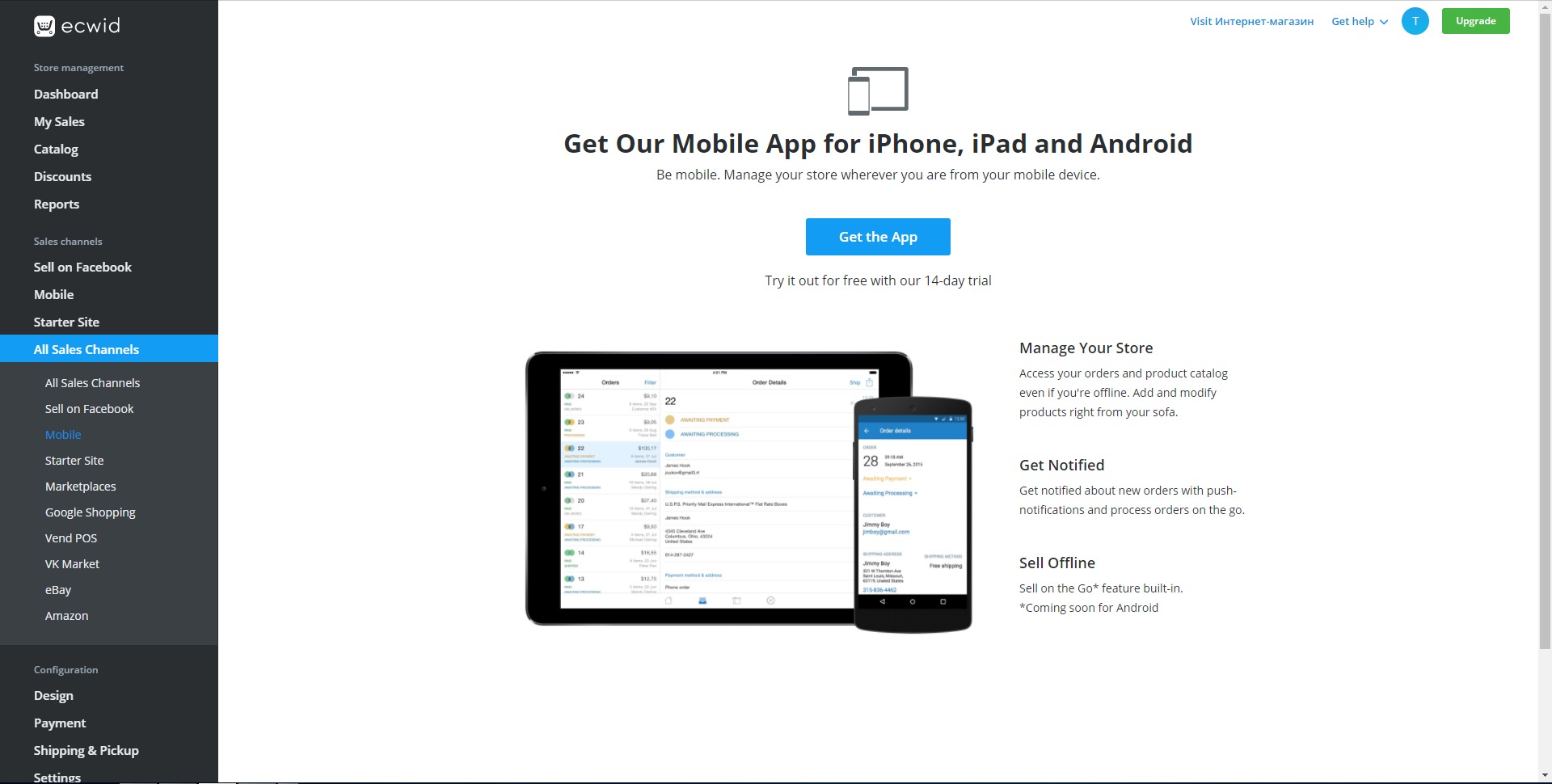
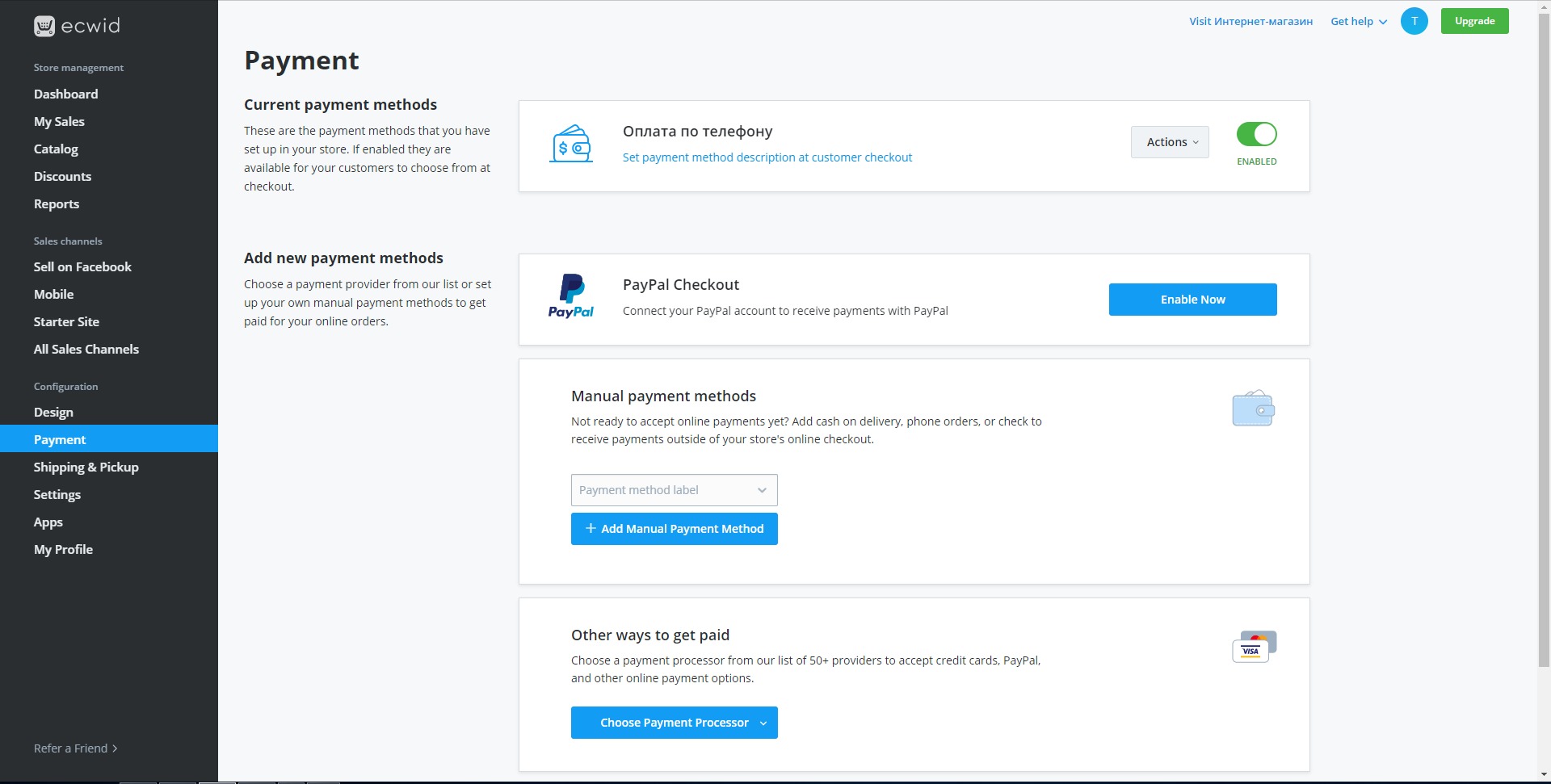
Ecwid supports a wide range of payment methods, helping merchants serve customers with different checkout preferences. This improves convenience and can reduce friction during the buying process. - Mobile-friendly storefronts
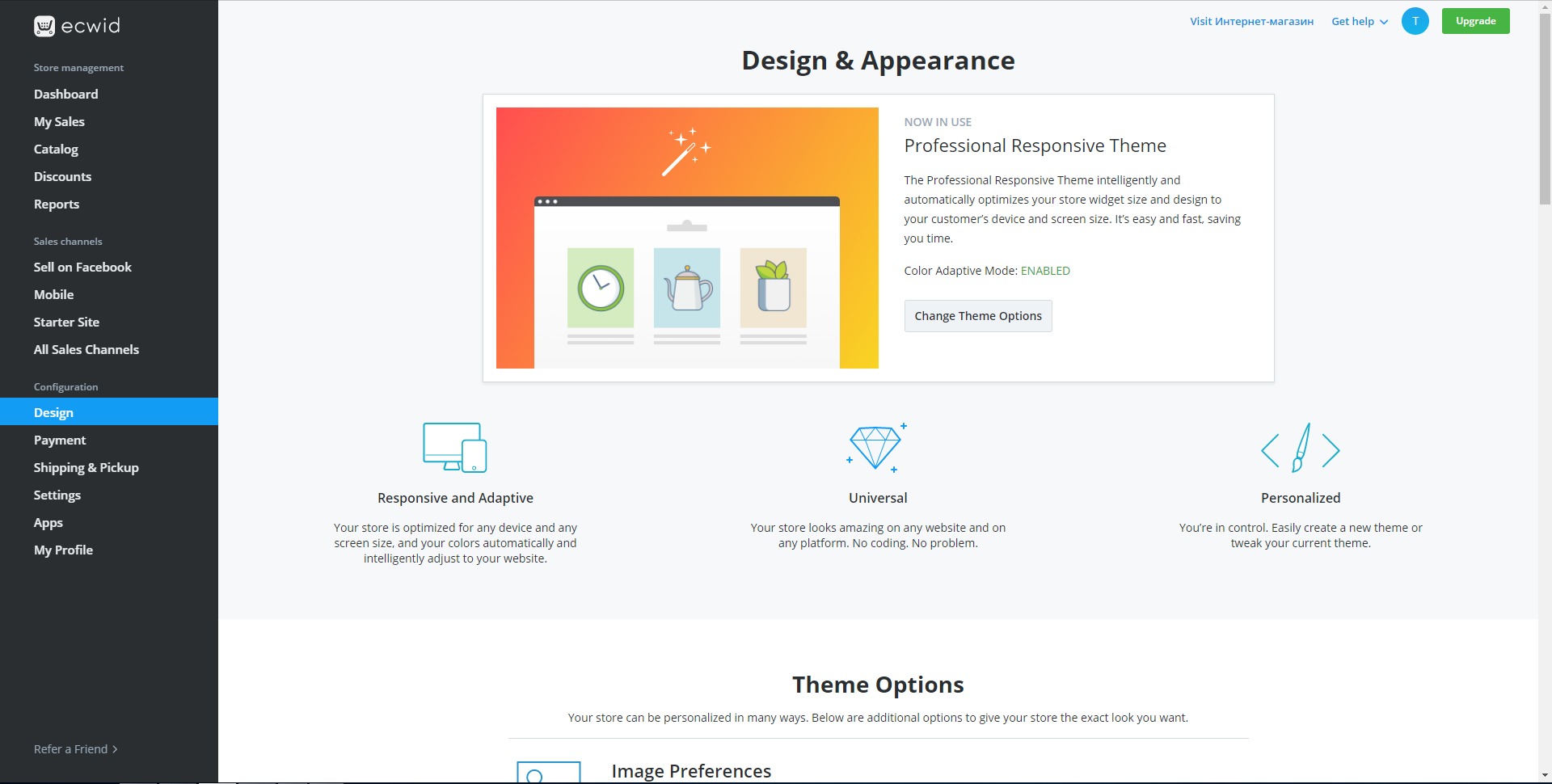
Stores created with Ecwid are designed to work well across desktop and mobile devices. This matters for businesses that depend on mobile traffic and want a consistent shopping experience. - Promotions and discount tools
The platform includes tools for discounts, coupons, and promotional campaigns. These features are useful for seasonal offers, first-purchase incentives, and customer retention strategies. - App and integration ecosystem
Ecwid can be extended through additional apps and integrations, allowing businesses to connect marketing tools, shipping services, automation workflows, and operational add-ons as needed. - Support for physical, digital, and service-based selling
The platform is not limited to one product model. Businesses can use it to sell physical goods, digital products, subscriptions, or service-related offers.
What are the best use cases for Ecwid?
- Small businesses adding e-commerce to an existing website
A company with a current website can use Ecwid to introduce online selling without redesigning everything. This is useful for businesses that want a faster and lower-friction launch path. - Retail brands selling in multiple channels
Businesses that combine website sales, social sales, and offline selling can use Ecwid to keep product and order management in one place, reducing operational fragmentation. - Creators and independent sellers
Ecwid works well for people selling niche products, digital goods, or branded items who need a store system that is simple to operate without a large team. - Local stores expanding online
A physical store can use Ecwid to create an online sales layer while keeping core catalog and inventory activities more organized. - Service-led businesses with product add-ons
Businesses that mainly sell services but also want to offer digital resources, subscriptions, or related merchandise can use Ecwid as a lightweight commerce engine.
Why do businesses choose Ecwid over more complex platforms?
Ecwid is often chosen because it reduces the amount of technical and operational overhead required to start selling. Many e-commerce platforms demand a larger rebuild, heavier customization, or a steeper learning curve. Ecwid is more practical for businesses that want working commerce infrastructure without turning the setup process into a large development project.
Another strong advantage is flexibility. A business can start small, test product demand, and expand into more channels without replacing the entire store system. This makes Ecwid appealing for teams that want to move carefully, control costs, and avoid overcommitting too early.
Its centralized approach also helps owners and managers keep daily operations cleaner. Product data, inventory, and orders are easier to track when they are not spread across disconnected systems.
What is the user experience like with Ecwid?
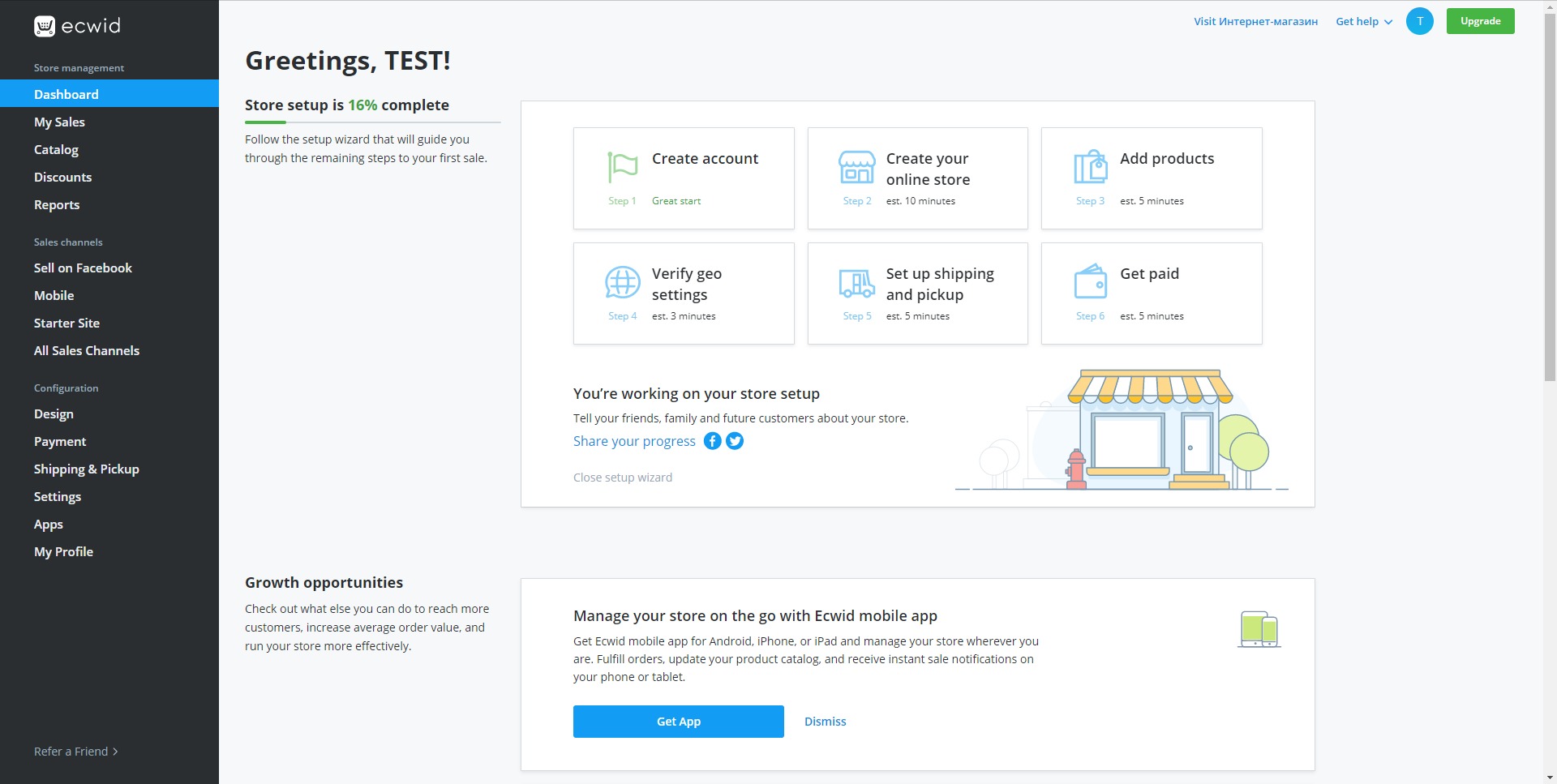
The user experience in Ecwid is built around practicality. Merchants get a dashboard that focuses on store management rather than unnecessary complexity. The platform is generally approachable for non-technical users, which is important for founders, managers, and small teams handling sales operations directly.
For customers, the experience is designed to be smooth and familiar. Storefronts are structured for easy browsing, mobile access, and straightforward checkout. For merchants, the main value is that Ecwid makes online selling feel manageable. It does not try to overwhelm the user with enterprise-level complexity when the actual business need is simpler: list products, accept payments, manage orders, and keep sales channels aligned.
Ecwid works best for businesses that want a flexible online store platform with enough capability to grow, but without the weight of a system that demands constant technical babysitting.
2026-03-19 14:00:29: #Shorts Earth Day Tips for Businesses Youtube
2026-03-05 14:00:57: #Shorts AI Product Photo Enhancer Youtube
2026-02-27 14:00:16: #Shorts When Your Business Takes Off Youtube
2026-02-13 14:01:32: #Shorts Asking Universe for a Sign Youtube
2026-01-30 15:01:29: #Shorts Каково на самом деле вести бизнес Youtube
2026-01-23 16:25:59: #Shorts Your Small Business When You Want a Day Off Youtube
2026-01-08 14:18:06: #Shorts What If Princesses Were Entrepreneurs Youtube
2026-01-01 14:00:59: #Shorts New Year’s Resolutions for Your Business Youtube
2025-09-17 14:30:18: #Shorts Business Owners When They Get a New Business Idea Youtube
2025-08-22 14:00:21: #Shorts Business Owners Dreaming of a Vacation Youtube
2023-04-04 20:32:31: Tune in to our podcast with serial entrepreneur Kevin Urrutia as he unlocks the secrets of building and managing a remote team. You'll learn tips about hiring and training your own team and organizing a remote workforce from the ground up. Full episode: https://t.co/bz11lqwAde https://t.co/21axzYCyjvTwitter
2023-04-03 20:27:08: A cookie consent banner is a must if you're selling to EU customers. Let store visitors either allow all cookies at once or give their consent to certain types of cookies (essential, analytics, or personalization). More about a cookie banner here: https://t.co/Ff58XSEyJV https://t.co/595rWa4FvwTwitter
2023-04-01 20:24:06: Planning a stress-free vacation as an entrepreneur is actually possible! You just need to do some planning and task automation. Read this article to make sure you and your online store are ready for the trip.https://t.co/4NmerXfJtfTwitter
2023-03-31 20:22:07: Want to give your subscription customers more flexibility? With the latest update, you can set up another billing frequency for customers to choose from—every six months. Learn more: https://t.co/icDntDC2b0 https://t.co/AdYx7eQGBZTwitter
2023-03-30 20:17:06: Hiring and managing staff for your online store doesn't have to be a headache. Check out this article to learn about hiring, onboarding, and managing employees. https://t.co/4Vhqxwk3dITwitter
2023-03-27 20:52:07: Payment gateways charge processing fees, which can stack up quickly when you run a small business. Luckily, there's a solution! When you set up a payment method for your Ecwid store, you can add a payment gateway fee to your customers' checkout. More: https://t.co/S61vSyGdNf https://t.co/LwMl32cpnzTwitter
2023-03-25 19:51:07: Use the Free Shipping Bar app to encourage customers to buy more products to reach free shipping. Get the app: https://t.co/WNd33ujkcx https://t.co/mXZ2OBBoMATwitter
2023-03-24 19:44:08: Managing orders on the go is easier than ever with more order filters in the Ecwid Mobile App! Filter orders by payment, shipping method, or pickup date. Display orders with discounts or staff notes. Plus, save filters for frequently used searches! App: https://t.co/uyskoVB58s https://t.co/doL7j8ygMyTwitter
2023-03-23 19:40:07: And as a business owner, you know you could always use help with taking care of day-to-day processes. That's why we've handpicked some of the best AI tools that simplify essential business operations, from writing product descriptions to marketing. https://t.co/e9RJJmfMSSTwitter
Ecwid Alternatives




Ecwid Integrations