Adversus
Languages:
English
Localization:
World

What is Adversus and who is it for?
Adversus is a dialer-first CRM built for teams that run outbound campaigns at scale. It brings calling, lead management, agent workflows, and performance visibility into one place, so telemarketing, fundraising, appointment setting, and sales development teams can execute campaigns without stitching together separate tools for dialing, notes, pipelines, and follow-ups. The platform focuses on keeping agents in a single workspace: load a list, run a campaign, talk to leads, log outcomes, trigger follow-ups, and hand off warm conversations when needed. For managers, it aims to make activity measurable and coachable through live monitoring, recordings, and reporting. In short, Adversus is designed for organizations where “more conversations” is not a slogan but a daily operating metric.
Which key features make Adversus useful day to day?
-
Predictive and progressive dialing modes: Choose between speed-focused predictive dialing and control-focused progressive/manual calling to match list quality and team capacity.
-
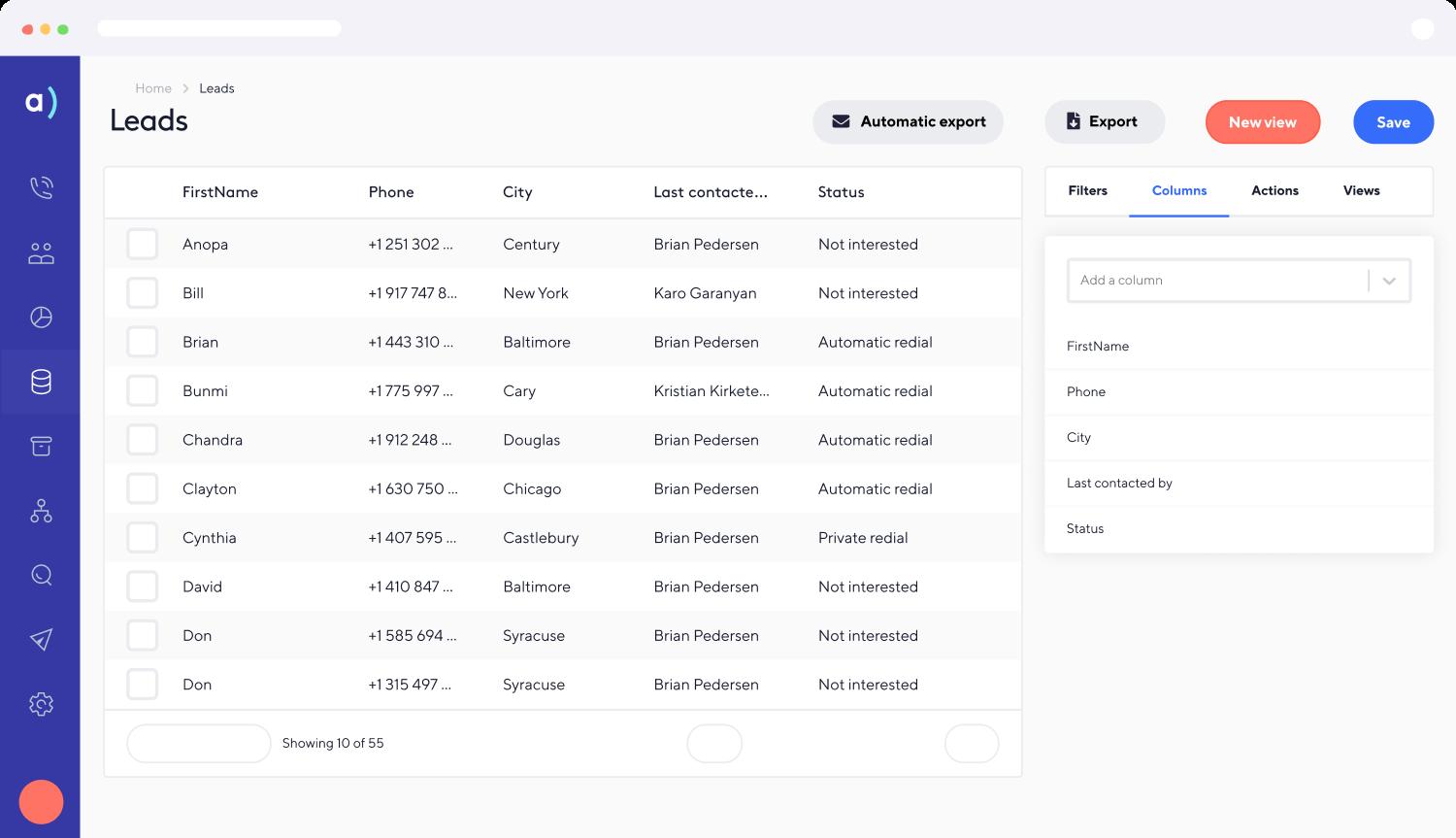
Campaign and lead flow management: Organize outreach by campaigns, keep lead history centralized, and move contacts through defined statuses and pipelines.
-
Inbound plus outbound handling: Support callbacks and inbound responses alongside outbound work, keeping conversations in one system instead of fragmented channels.
-
Call routing and transfers: Hand off calls to teammates, specialists, or external numbers for closer support, escalation, or departmental routing.
-
Appointment scheduling and calendar sync: Manage bookings inside the workflow and keep calendars aligned to reduce no-shows and double-bookings.
-
Email and SMS follow-ups: Send messages from the same workspace with reusable templates and consistent outreach patterns.
-
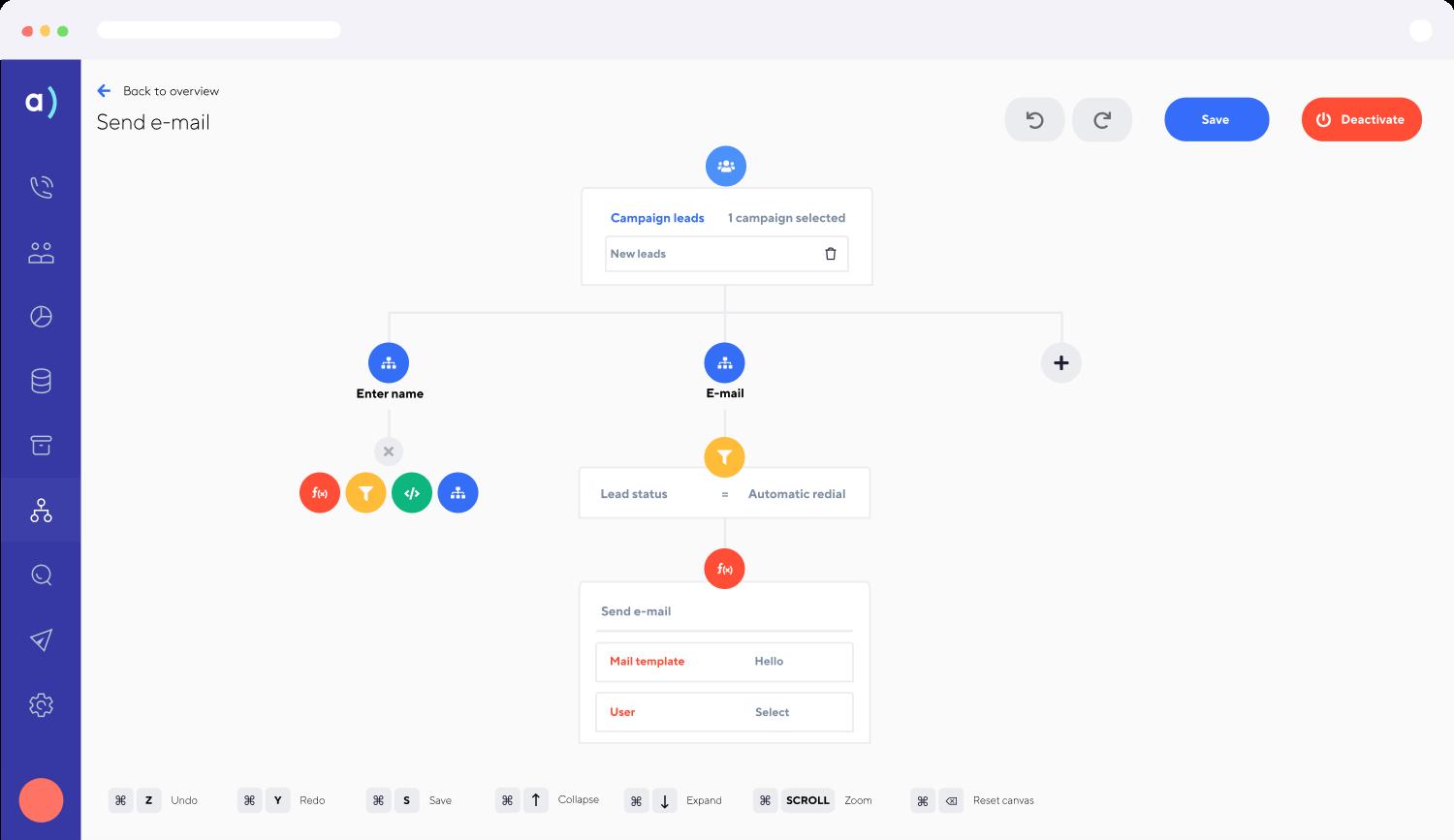
Workflow automation (“Journeys”): Trigger sequences and actions based on outcomes (for example: missed call → SMS → retry later → task creation).
-
Call recordings and quality control: Record calls for compliance, training, and dispute resolution, with structured review options for managers.
-
Real-time monitoring and coaching tools: Support live listening and agent assistance features to improve performance while calls happen.
-
Reporting and KPI dashboards: Track dials, connection rates, outcomes, and agent performance with visibility that supports coaching and forecasting.
-
AI-driven transcription and review: Use automated transcription and rule-based quality checks to reduce manual QA time and standardize call reviews.
-
Integrations and API options: Connect workflows to other tools through common integrations and extend functionality via an API for custom setups.
What are the best use cases for Adversus?
-
Sales development and lead qualification: High-volume prospecting where fast dialing, structured outcomes, and clean handoffs to closers matter.
-
Appointment setting for services: Booking-focused teams that need scheduling, confirmations, and systematic follow-ups to reduce no-shows.
-
Fundraising and donor outreach: Structured calling scripts, tracking outcomes, and consistent follow-up sequences across donor segments.
-
Telemarketing campaigns and list work: List-based outreach where dialing modes and agent productivity directly impact ROI.
-
Customer win-back and reactivation: Re-engagement campaigns that depend on repeated attempts, multi-channel nudges, and timing logic.
-
Renewals and retention outreach: Proactive calls to prevent churn, supported by call history, reminders, and consistent documentation.
-
Event promotion and attendee confirmation: Short-cycle campaigns that require rapid contact, status tracking, and confirmations across SMS/email.
-
Collections or payment reminder workflows: Compliance-sensitive outreach that benefits from recordings, audit trails, and defined sequences.
-
Multi-step outreach with routing: Teams that need to transfer warm leads to specialists during the same call window.
What benefits does Adversus deliver for teams and managers?
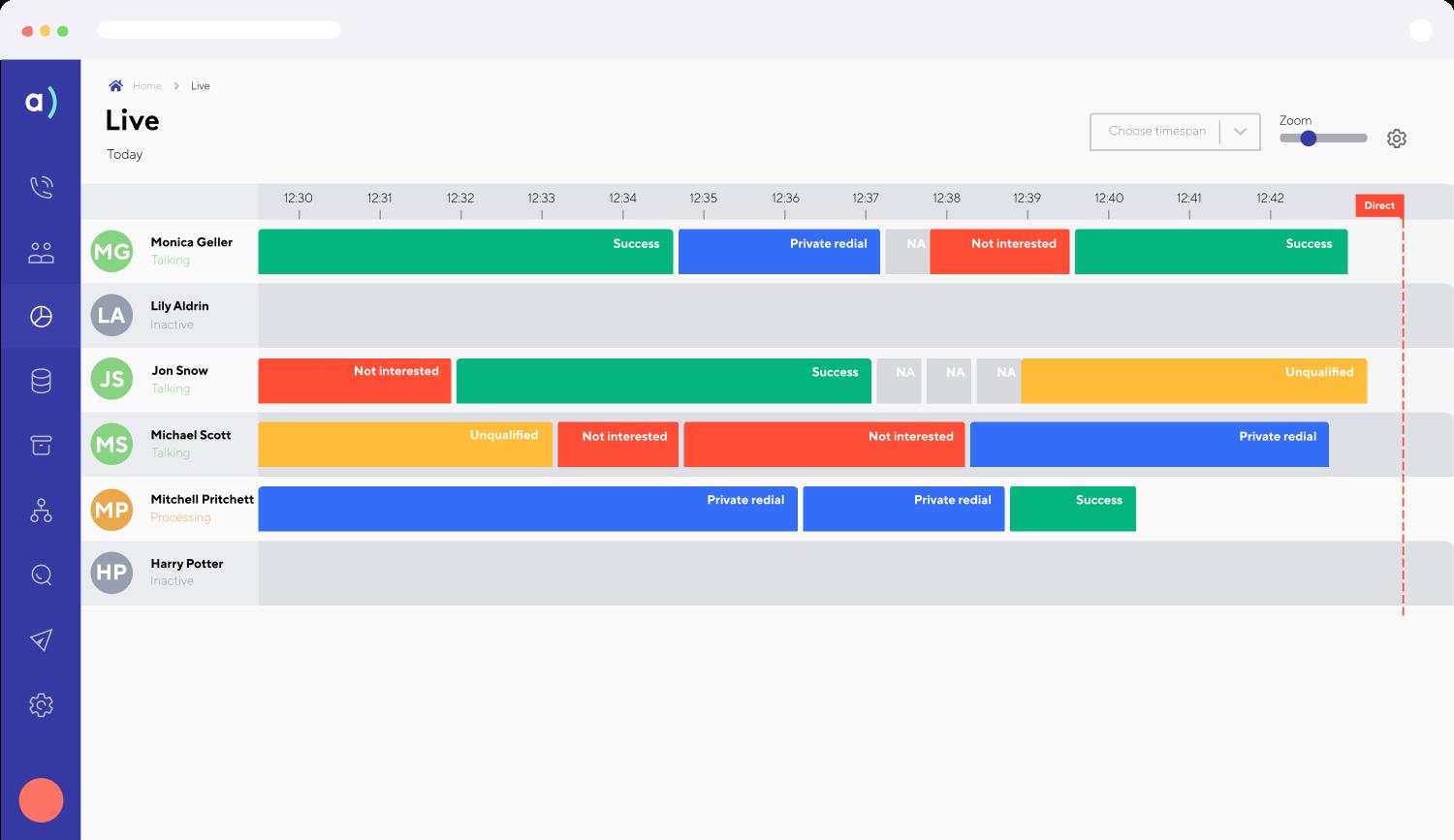
Adversus primarily improves throughput and consistency. Dialer modes reduce idle time between calls, while structured lead management keeps outcomes trackable and repeatable. Workflow automation limits the “forgotten follow-up” problem by turning outcomes into next actions automatically. Multi-channel messaging keeps outreach consistent, while recordings and QA tooling help standardize performance across agents. For managers, real-time monitoring plus reporting makes coaching more concrete: trends become visible, bottlenecks show up quickly, and capacity planning can be grounded in actual conversion rates rather than assumptions. Overall, the platform is built to turn outbound work into an operational system—measurable, scalable, and less dependent on heroics.
What is the Adversus user experience like in practice?
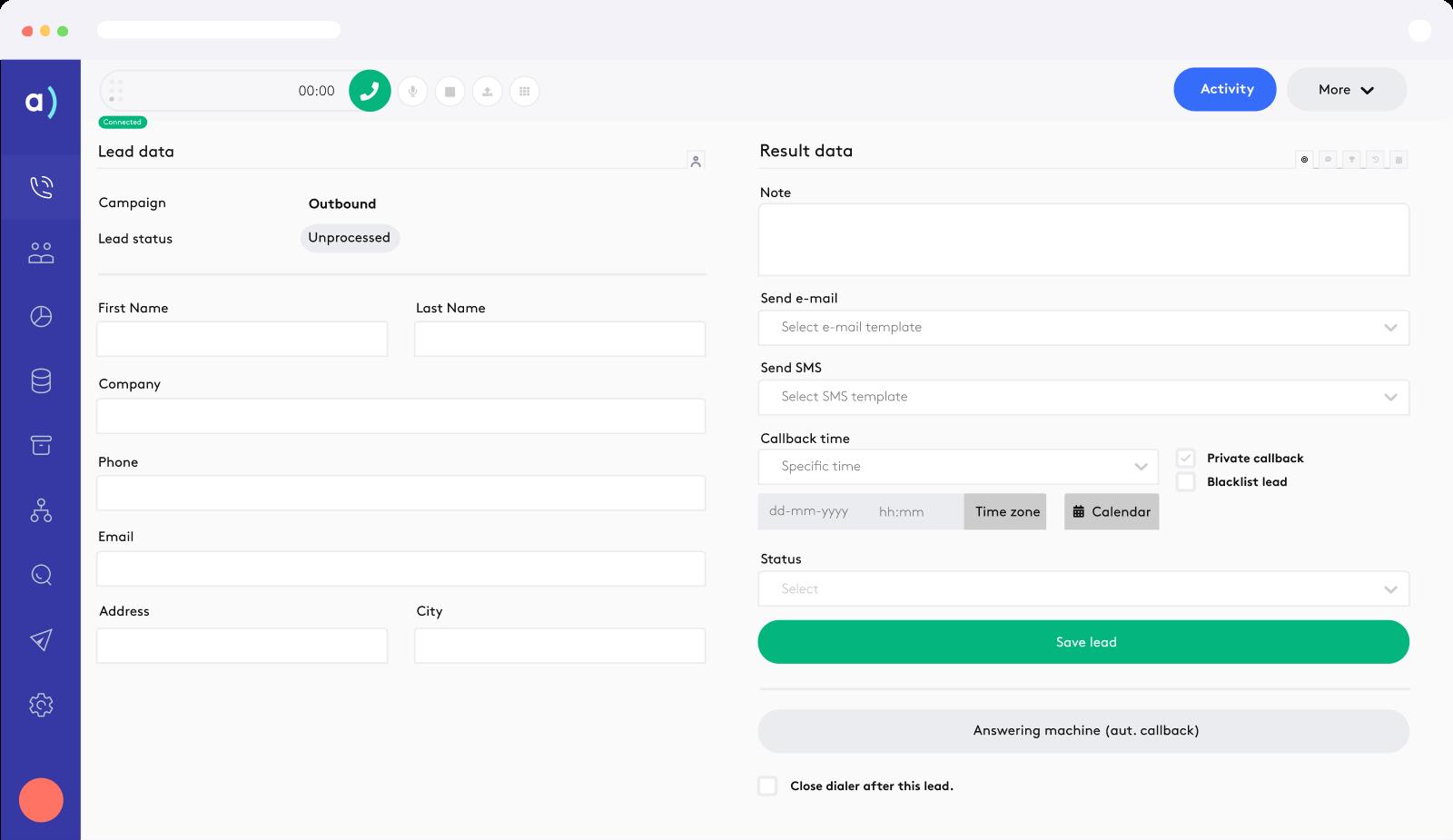
The experience is designed around campaign execution: agents typically enter a focused workspace where the next call is queued, lead context is visible, outcomes are easy to log, and follow-ups can be triggered without switching tools. Teams that run structured processes benefit most, because the system rewards disciplined statuses and consistent dispositioning. For managers, the experience leans toward oversight and optimization: live views, recordings, dashboards, and quality review features make it easier to spot what’s working and what’s drifting. For organizations scaling outbound operations, the most noticeable UX advantage is reduced fragmentation—calling, tracking, and follow-up actions are kept in a single flow instead of being scattered across multiple tabs and apps.
Adversus Alternatives




Adversus Integrations