WakaTime
Languages:
English
Localization:
World

What is WakaTime and how does it work?
WakaTime Developer Time Tracking Analytics is an automated coding activity tracking platform designed specifically for software developers and engineering teams. Instead of relying on manual timers or self-reported logs, WakaTime runs quietly in the background through editor plugins and records real coding activity in real time. It measures active typing, file edits, project context, and language usage to generate precise productivity insights without interrupting workflow.
The system works by sending activity “heartbeats” from supported IDEs and editors whenever code is being written or modified. These heartbeats are aggregated into dashboards that display daily, weekly, and long-term development trends. The result is a clear, data-driven picture of how time is distributed across projects, repositories, branches, and programming languages.
WakaTime is used by individual developers seeking self-optimization, freelancers who need structured time data, and engineering teams looking for measurable productivity insights. It transforms invisible effort into structured analytics, making developer time quantifiable and strategically actionable.
What are the key features of WakaTime?
-
Automatic Time Tracking
WakaTime tracks active coding time without manual input. Once installed, plugins monitor editor activity and log only productive coding sessions. Idle time is excluded, ensuring accurate reporting based on real engagement rather than open windows. -
Multi-Editor and IDE Integration
The platform supports a broad range of development environments, allowing seamless tracking across different tools. Whether switching between backend services, frontend interfaces, or infrastructure scripts, time data remains unified in a single dashboard. -
Language and Project Breakdown
Detailed analytics show time distribution by programming language, project, file, branch, and operating system. This enables developers to understand technical focus areas and detect imbalances in workload allocation. -
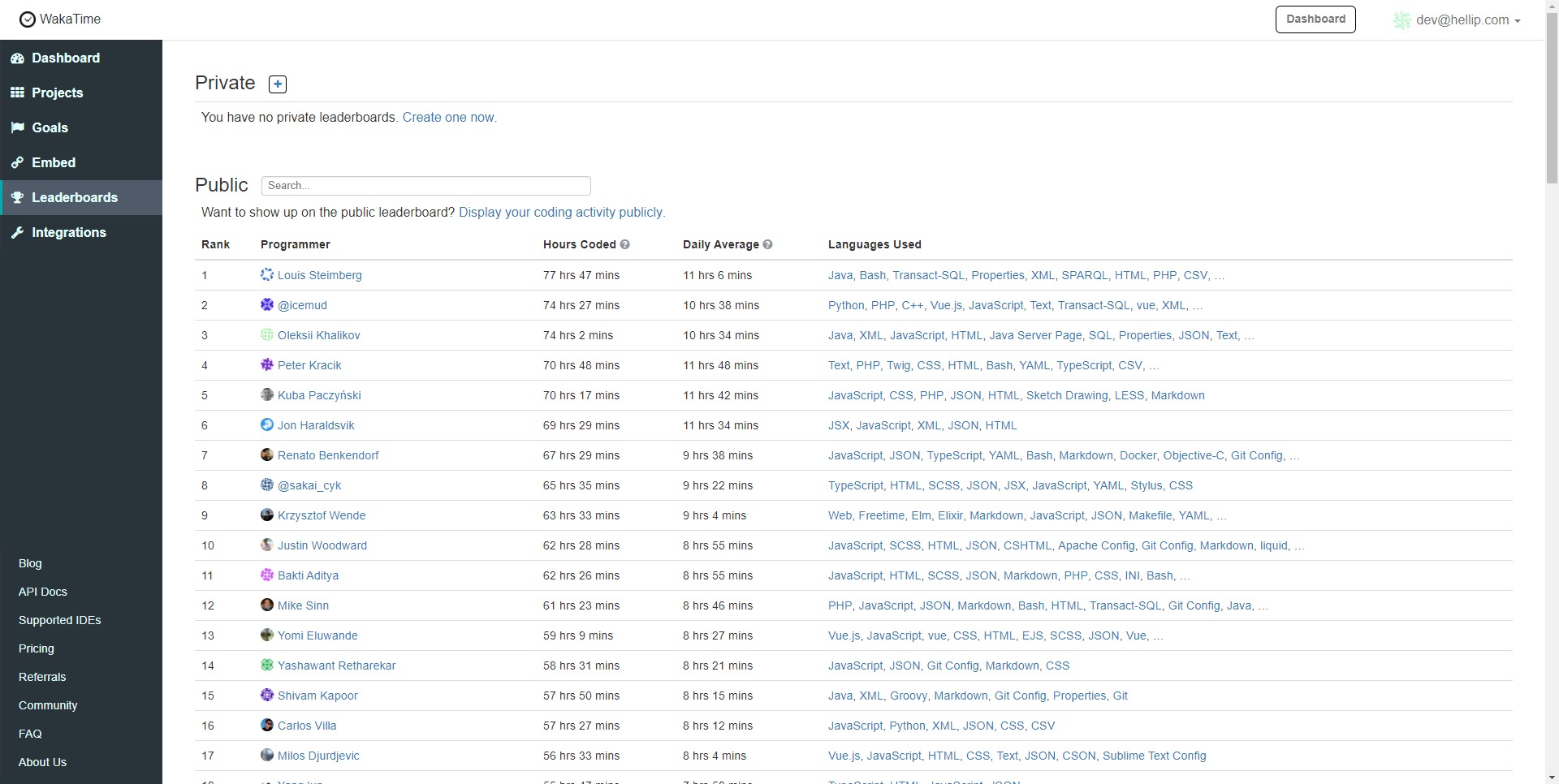
Team Dashboards and Leaderboards
For organizations, WakaTime provides aggregated team views. Managers can observe collective coding trends, compare project investment levels, and identify collaboration patterns without invasive monitoring. -
Goal Setting and Productivity Targets
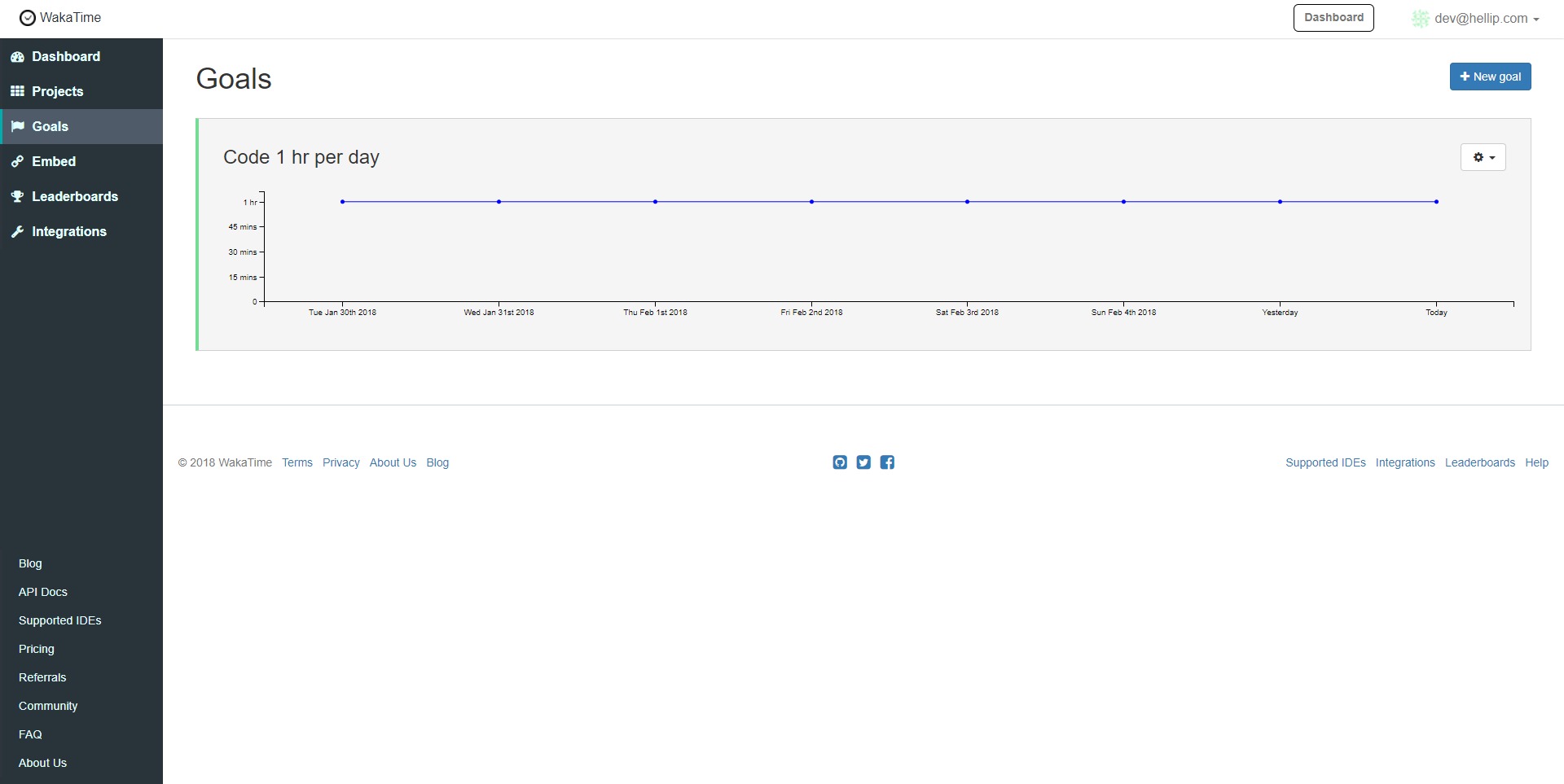
Developers and teams can set measurable coding goals, such as daily or weekly time thresholds. Progress tracking supports habit formation and encourages consistent development routines. -
Historical Analytics and Trend Tracking
Long-term data visualization reveals growth patterns, seasonal workload shifts, and productivity cycles. This historical perspective supports more accurate planning and forecasting. -
Data Export and Reporting
Structured reports allow exporting time metrics for internal documentation, billing validation, or performance analysis.
In what scenarios is WakaTime most useful?
-
Personal Productivity Optimization
Developers gain clarity on how much time is actually spent coding versus debugging, refactoring, or switching contexts. This visibility supports smarter daily planning and better time allocation decisions. -
Freelance Billing Transparency
Freelancers can use verified coding activity data to validate billable hours and demonstrate project effort. This strengthens client trust and reduces disputes over reported time. -
Engineering Team Analytics
Team leads can evaluate how time is distributed across repositories and initiatives. If a feature consumes more time than expected, the data reveals it early. -
Sprint and Delivery Assessment
Comparing estimated effort with actual coding hours improves estimation accuracy over time and enhances sprint planning reliability. -
Skill Development Tracking
Developers learning new languages or frameworks can track time invested in specific technologies, reinforcing structured growth.
What benefits does WakaTime provide to developers and teams?
WakaTime Developer Time Tracking Analytics delivers clarity in a profession where productivity is often intangible. By quantifying coding activity, it replaces guesswork with measurable evidence. Developers benefit from objective insights into focus patterns, helping eliminate time leaks and context switching inefficiencies.
For teams, the benefit lies in trend awareness rather than surveillance. Aggregated metrics reveal structural bottlenecks, uneven workload distribution, or overinvestment in low-impact tasks. This allows leaders to make strategic adjustments grounded in data.
Another significant benefit is improved estimation discipline. Over time, historical coding data refines forecasting accuracy. This reduces deadline surprises and enhances stakeholder communication.
The psychological benefit should not be underestimated. Visible progress metrics can reinforce motivation. Seeing consistent weekly output supports momentum and habit formation.
Additionally, WakaTime encourages accountability without friction. Since tracking is automatic, compliance does not depend on manual discipline. The data simply accumulates as work happens.
How is the user experience with WakaTime?
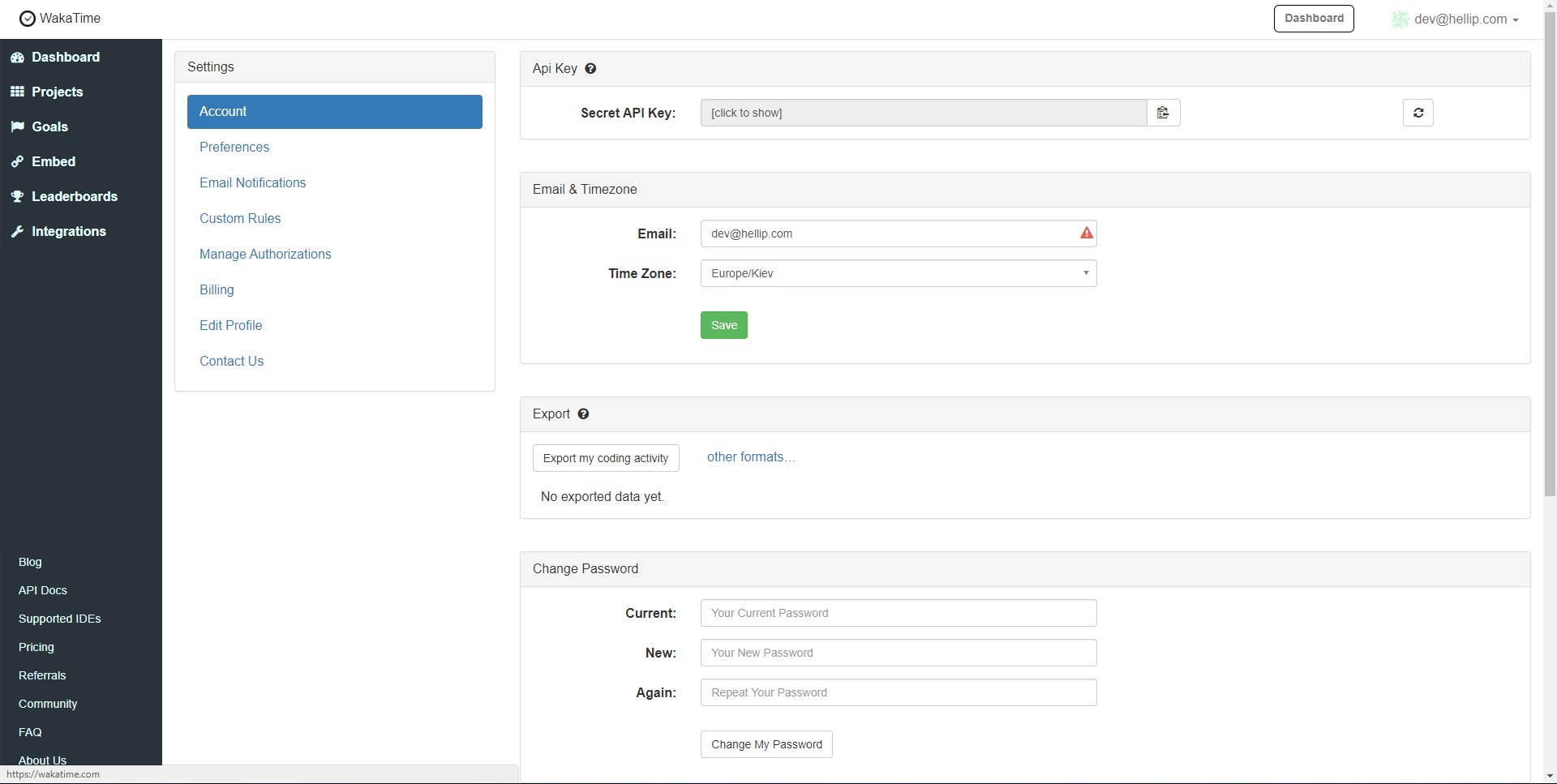
The user experience of WakaTime is intentionally low-friction. Installation involves adding a plugin to a preferred editor and generating an API key. Once configured, the system operates in the background without requiring daily interaction.
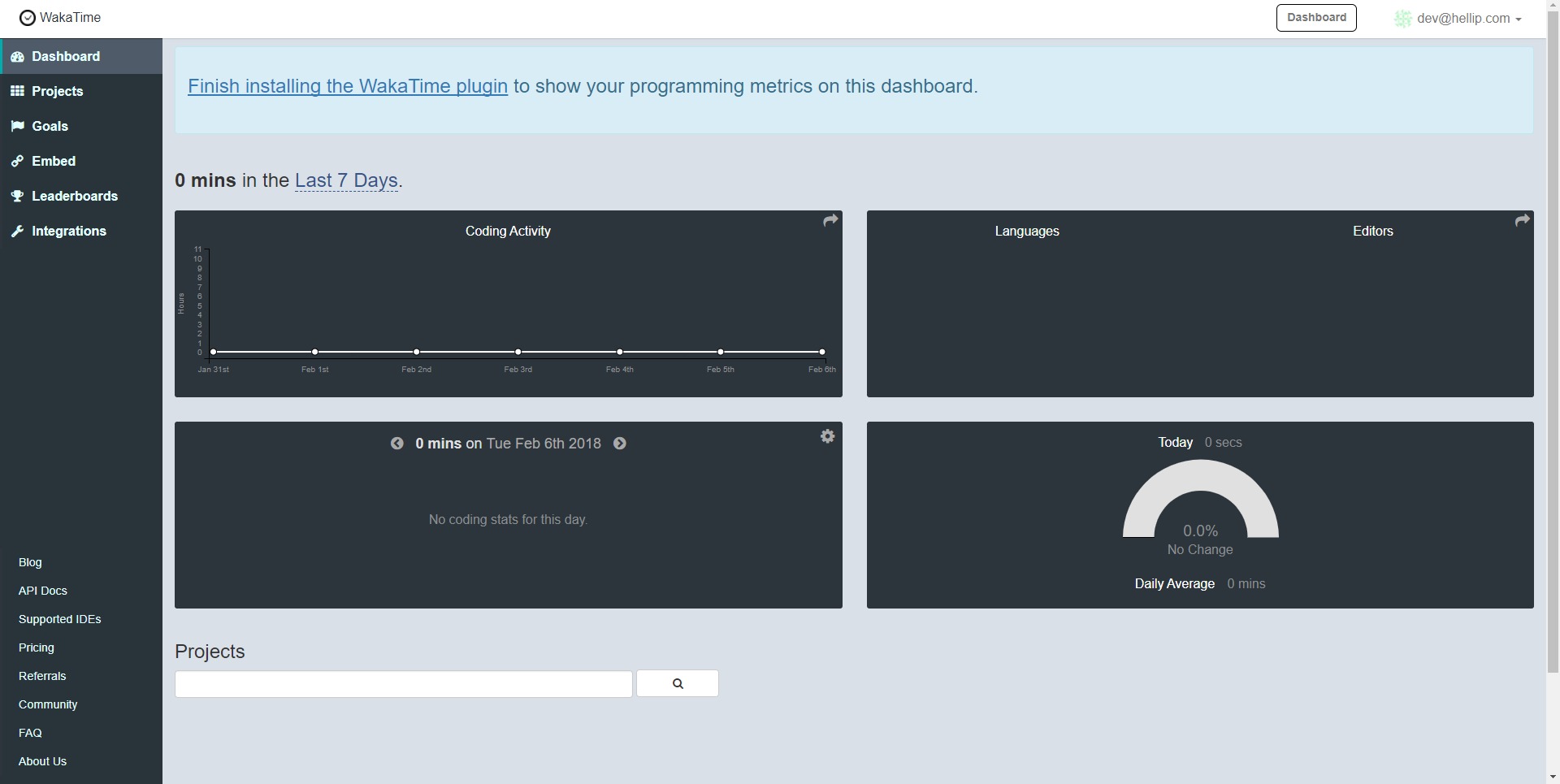
The dashboard interface is structured around visual clarity. Time charts, language breakdowns, and project summaries are easy to interpret at a glance. Daily and weekly summaries allow quick review, while deeper analytics provide granular inspection when needed.
Notifications and reports are designed to reinforce awareness rather than distract. Users can receive periodic summaries that encourage reflection without overwhelming detail.
For teams, centralized dashboards maintain visibility while preserving individual autonomy. The platform focuses on productivity patterns rather than intrusive monitoring, which supports a healthier engineering culture.
2023-04-06 16:39:16: https://t.co/VDDAUdOA0dTwitter
WakaTime Alternatives