Qgiv
Languages:
English
Localization:
World

What is Qgiv and how does it help nonprofits raise money?
Qgiv, now known as Bloomerang Fundraising, is a digital fundraising platform designed for nonprofits, schools, churches, associations, and community organizations that need a structured way to collect donations and manage fundraising campaigns. The platform helps organizations build branded donation forms, run peer-to-peer campaigns, manage fundraising events, support auctions, collect text donations, and track fundraising performance from one system.
Instead of forcing nonprofit teams to stitch together donation pages, event tools, spreadsheets, mobile payment links, and donor reports, Qgiv brings these activities into a more organized fundraising workflow. It is especially useful for organizations that depend on recurring donations, seasonal appeals, community events, charity runs, school fundraisers, gala auctions, and supporter-led campaigns.
Qgiv is not only a donation form builder. It works more like a fundraising control room where donor activity, campaign performance, event participation, and payment collection can be managed in one place.
What are the key features of Qgiv?
- Online donation forms
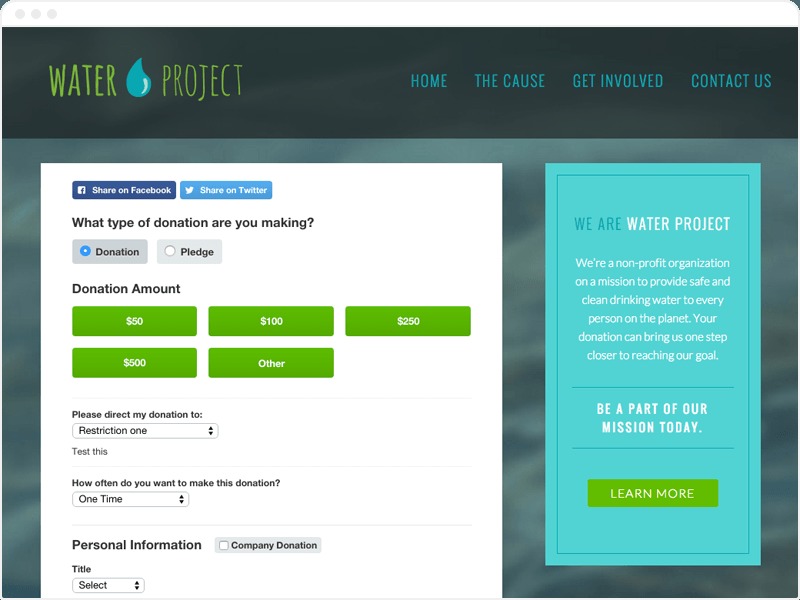
Qgiv allows nonprofits to create customizable donation forms for one-time and recurring gifts. These forms can be branded to match the organization’s identity and are designed to make the giving process simple for donors. - Peer-to-peer fundraising
Organizations can launch campaigns where supporters create personal fundraising pages and invite their networks to donate. This is useful for walks, runs, birthday fundraisers, school campaigns, church drives, and community challenges. - Event management
Qgiv supports event registration, ticketing, check-in workflows, payment collection, and reporting. This helps nonprofits manage fundraising events without relying only on manual lists or disconnected tools. - Auction fundraising
The platform includes tools for charity auctions, mobile bidding, item management, checkout, and event-based fundraising. This is valuable for galas, school auctions, nonprofit dinners, and donor events. - Text fundraising
Qgiv gives organizations mobile giving tools that allow donors to contribute through text-based campaigns. This can be effective during live events, emergency appeals, and time-sensitive fundraising pushes. - Data and reporting
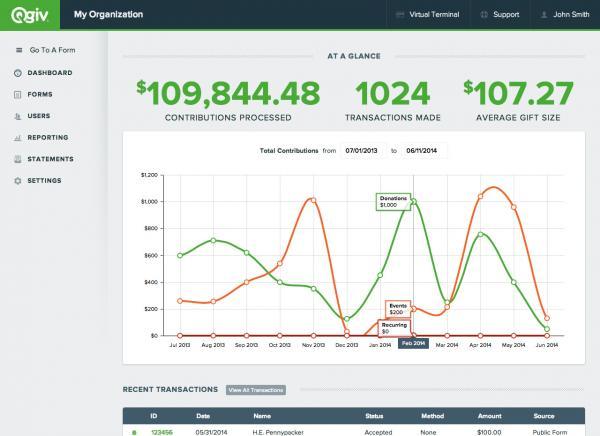
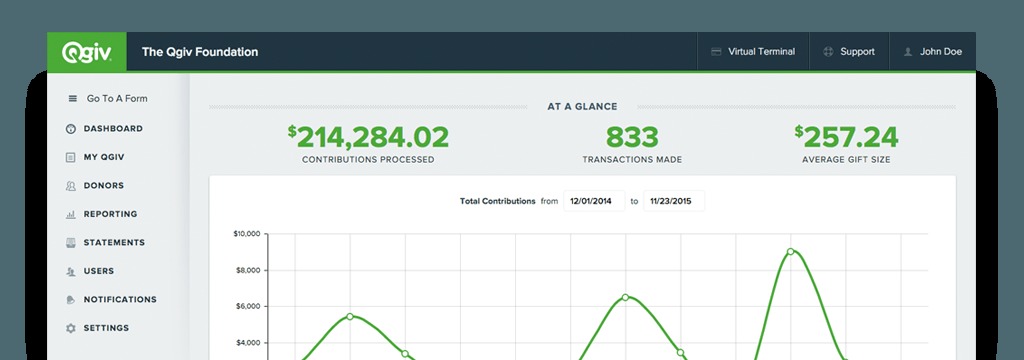
Fundraising teams can track donation activity, campaign results, event performance, and donor behavior. Better reporting helps organizations understand what works and where fundraising efforts need adjustment. - Integration potential
Qgiv can connect fundraising workflows with donor management, accounting, email marketing, and automation tools, making it useful for organizations that want cleaner operational processes.
How can organizations use Qgiv in real fundraising scenarios?
- Annual donation campaigns
Nonprofits can create branded campaign pages, collect recurring donations, and monitor progress toward fundraising goals. - Charity runs and walkathons
Supporters can register, create fundraising pages, invite donors, and compete through peer-to-peer fundraising features. - School and church fundraisers
Qgiv can support community giving, event registrations, donation forms, and mobile payments for local fundraising initiatives. - Fundraising galas and auctions
Organizations can manage event tickets, auction items, bidding, checkout, and payment collection through one platform. - Emergency fundraising appeals
Donation forms and text fundraising tools can help organizations launch fast campaigns when urgent support is needed. - Recurring donor programs
Nonprofits can encourage monthly giving and build more predictable donation income over time. - CRM and accounting workflows
Donation and supporter data can be connected to other systems for reporting, donor management, financial tracking, and marketing automation.
What are the main benefits of Qgiv?
Qgiv helps nonprofits reduce fundraising chaos. Instead of managing campaigns through separate tools and manual spreadsheets, teams can centralize donation collection, event fundraising, peer-to-peer campaigns, auctions, and reporting.
The platform can also improve the donor experience. Clean donation forms, mobile-friendly giving options, and supporter-created fundraising pages make it easier for people to contribute. For organizations, this means fewer operational gaps and better visibility into campaign performance.
Another important benefit is scalability. A small nonprofit can start with basic donation forms, while a larger organization can use event management, auctions, recurring giving, and reporting tools. This makes Qgiv suitable for different stages of nonprofit growth.
For integration providers, Qgiv is also interesting because nonprofits often need help connecting fundraising data with CRM systems, accounting software, email marketing platforms, dashboards, and internal reporting workflows.
What is the user experience like in Qgiv?
Qgiv is built around practical fundraising workflows rather than abstract software complexity. Fundraising teams can create donation pages, set up campaigns, manage events, and review results from a centralized platform. Donors interact with branded forms, mobile giving options, event registration pages, or peer-to-peer fundraising pages.
The experience is strongest for organizations that run multiple fundraising activities throughout the year. A team can use Qgiv for online giving, then extend the same fundraising system into an auction, a gala, a community event, or a peer-to-peer campaign.
For donors, the platform aims to make giving quick and clear. For nonprofit staff, it provides more control over campaign setup, payment collection, reporting, and supporter engagement. Overall, Qgiv is a strong option for nonprofits that want to move from scattered fundraising tools to a more connected digital fundraising system.
2025-01-23 20:28:09: Follow Us At Qgiv! Youtube
2024-12-17 22:02:26: Minimal Budget, Maximum Impact: Marketing Tactics for Small & Medium Nonprofits Youtube
2024-12-10 21:47:40: Data Tools to Improve Your Fundraising Youtube
2024-11-20 20:37:25: Unlocking Donor Loyalty: Proven Strategies to Boost Nonprofit Retention Youtube
2024-11-14 14:21:19: 5 Lessons from the Generational Giving Report to Incorporate in Your 2025 Fundraising Youtube
2024-11-12 20:17:46: Secrets for Year-End and Giving Tuesday Success! Youtube
2024-11-08 18:54:25: How to Encourage Recurring Giving Youtube
2024-10-31 18:55:29: Goblins, Ghoul, and Making the Ask Youtube
2024-10-22 16:27:20: Get Tech-Ready for End-of-Year Fundraising and Beyond Youtube
2024-10-02 03:05:26: How to Use Text Fundraising During Year-End Fundraising Youtube
2023-04-03 21:05:06: The first step to a great #socialmedia strategy is to define your goals.📱 Using the SMART goal method can be helpful to ensure your goals are attainable & relevant. 💭
Click to learn more about how to use social media as a marketing tool
👉 https://t.co/ciIbEoGJ24 https://t.co/qWx9GkSWFDTwitter
2023-04-03 18:05:00: Planning a peer-to-peer #fundraiser? Set your supporters up for success!🥇💪 Whether your supporters are fundraising superstars or are a little shy about making an ask, these templates simplify #peertopeer fundraising to help them fundraise with ease 👇https://t.co/UkUFk0jdLWTwitter
2023-04-03 17:35:01: Our client Champaign County Humane Society used our auction platform to host their Fur Ball event. 🐶 The ability to have attendees register for the event & donate in one place creates a great experience. 💚
Learn more about our auction platform here: 👉 https://t.co/hB2fM48r7X https://t.co/uEptBFekyqTwitter
2023-04-02 18:03:04: NPOs are marketing on #Tiktok to help raise awareness & support for their missions! 📱📢 If you’re curious about adopting TikTok as a marketing tool check out our blog—we’ll unpack everything you need to know about using TikTok for good 👉https://t.co/UuXZ85CP2i https://t.co/OnBXhG6PQ4Twitter
2023-04-02 18:03:01: Raising funds for your #NPO is an art & a science. 💰 From knowing your target audiences to getting them to donate, there’s a lot you need to know. 🤩 We've compiled various strategies you can employ to raise #funds for your NPO!
Click to learn more: 👉 https://t.co/Z2pAhysYfw https://t.co/R1NpmZ4eEITwitter
2023-04-02 17:33:00: Grants are an important source of funding for every #nonprofit. 💵 Whether you're planning to hire a grant writer or write your next #grant proposal yourself, it's essential to put together a well-organized proposal. 💰 Check out our guide to learn how 👉https://t.co/7gpiBzjIW8 https://t.co/n6SUpg8bU4Twitter
2023-04-02 16:33:00: 💥📱 Text marketing is huge in the for-profit world & it's gaining popularity among nonprofits! Learn how to take your #fundraising campaigns to the next level with our Text Fundraising Success Toolkit 👉https://t.co/j1d3f8NR8N
#Nonprofit #Fundraising #NonprofitTech https://t.co/XXxxTHpyxBTwitter
2023-04-01 17:38:00: Peer-to-peer #fundraising lets you tap into your supporters’ existing social networks! 🎉 This method is great for expanding your donor base & increasing awareness of your cause. 🙌 Check out our blog for a guide to #P2P fundraising—including examples 👉https://t.co/zRdbnPFnSj https://t.co/pcrzHghKNtTwitter
2023-04-01 16:38:20: Working with volunteers & including them in your nonprofit’s strategy can be challenging & rewarding. 🙌 Creating a plan for volunteer engagement that aligns with your mission & values can fill gaps for your #NPO. 🤩
View the entire blog here: 👉 https://t.co/PbvfdLQt7y https://t.co/yMRSijDzUVTwitter
2023-04-01 00:37:45: For nonprofit professionals, AI may seem like a far-off fictional concept. 🤖 ChatGPT has made AI an accessible & easy-to-use tool that will help your org save time writing appeals, sending messages, creating donor thank yous, & more. 🎉
Learn more: 👉 https://t.co/dkPYgYcsmk https://t.co/iMGw1Vabm7Twitter
Qgiv Alternatives